
🌊 Seaside Goldenrod
What it looks like
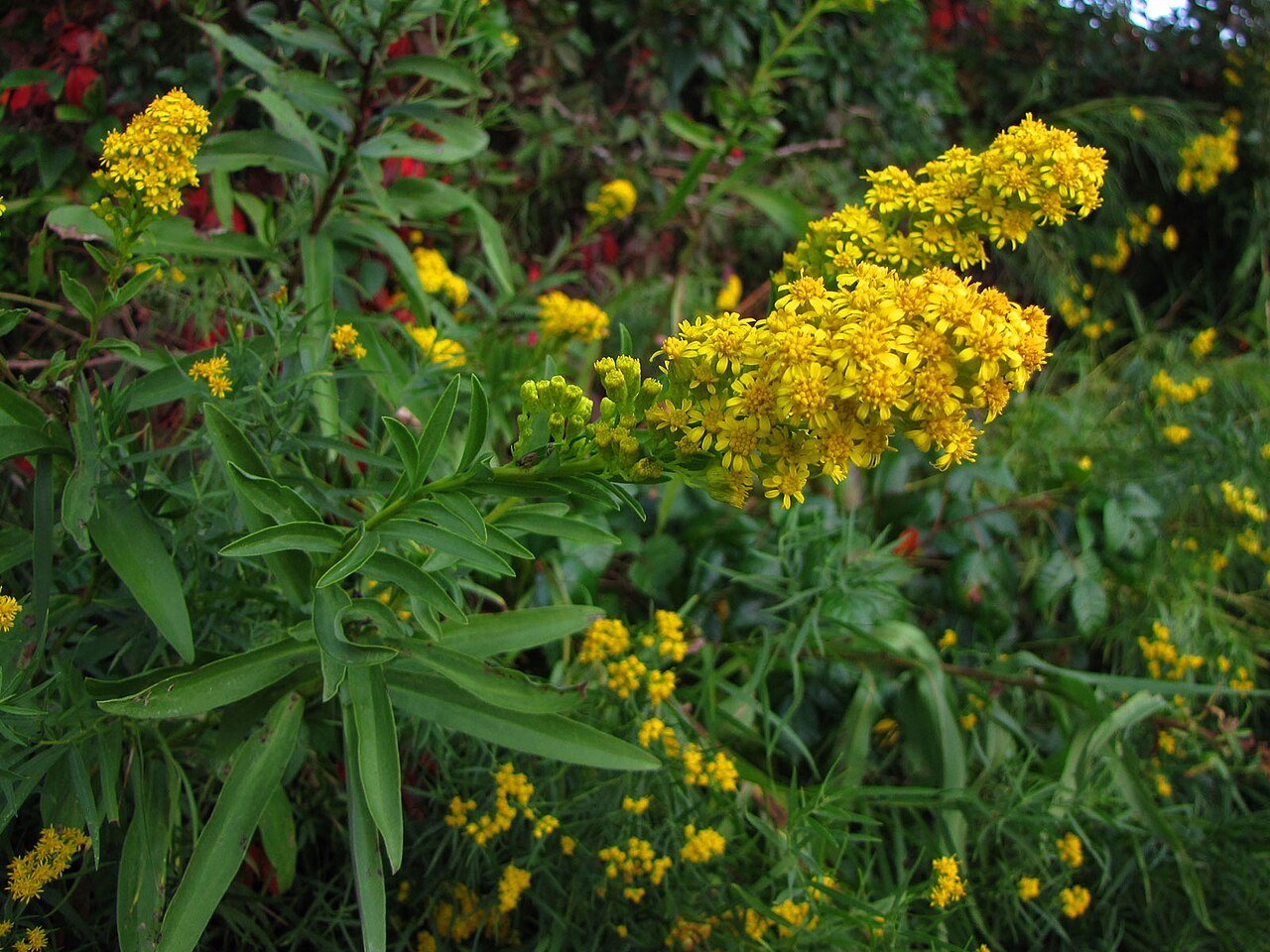
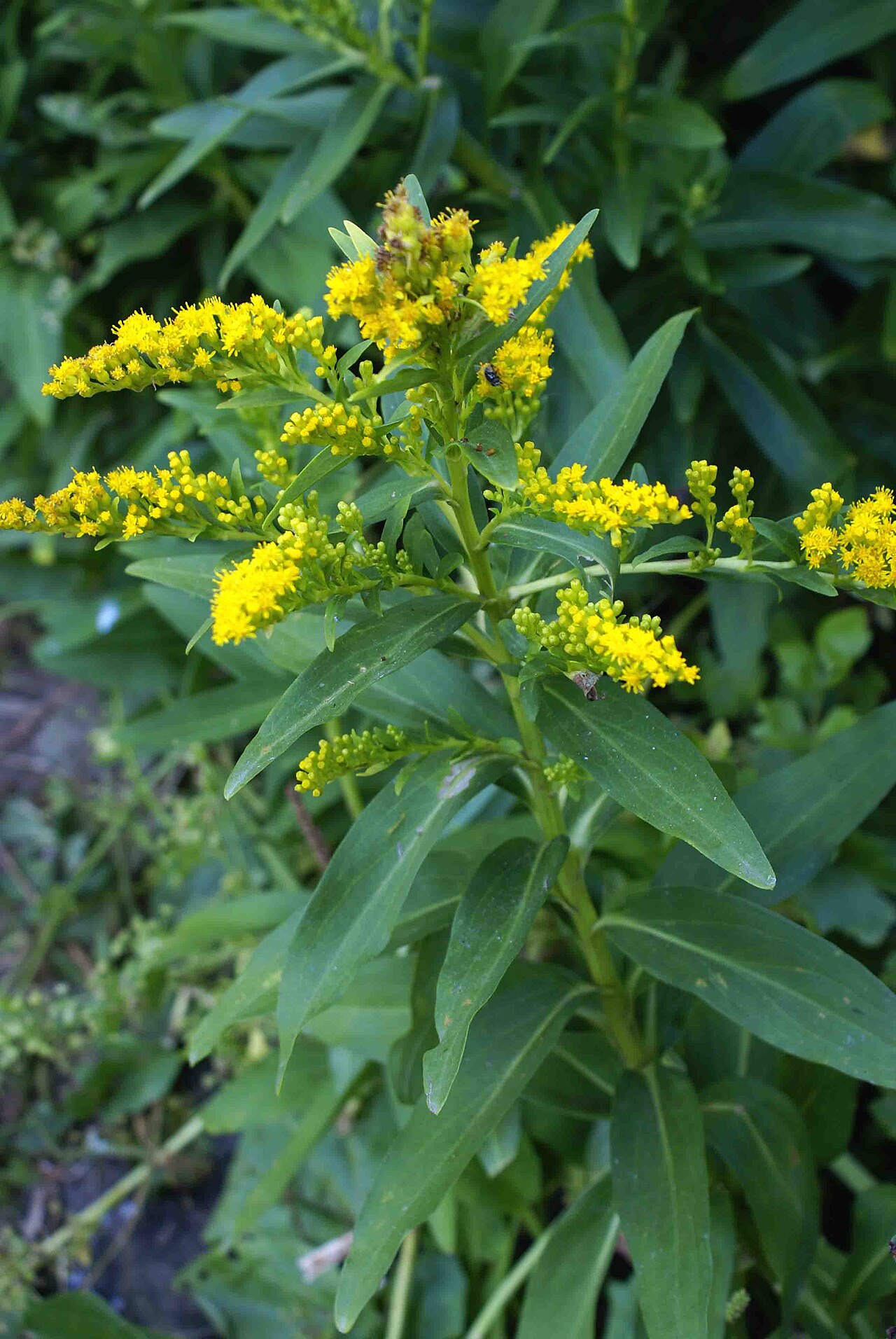
Seaside goldenrod is the goldenrod for the coast, and it looks like it belongs there: 3 to 6 feet tall, with bold plumes of golden yellow in fall, waxy, fleshy basal leaves that stay green through winter in most of Florida, and a tolerance for salt spray, wind, and sand that other goldenrods do not share. The leaves are smooth and slightly succulent, an adaptation to salty, windy sites, and the flower plumes are large and showy, lighting up a beachfront garden in fall when the beach itself is at its quietest.
In the wild it grows along Atlantic and Gulf coasts, on dunes, in salt marsh edges, and in coastal meadows, and in the garden it is equally at home in a beachfront border, a parking-lot island, a windy, salty site where little else thrives, or simply as a bold fall accent in any sunny native border. It is a clump-forming perennial, not a runner like Canada goldenrod, though it reseeds more than its clumping habit suggests, so deadhead if you do not want seedlings.
Why this variety
Choose seaside goldenrod when the site is salty, windy, or sandy, or when you want a monarch plant. Migrating monarchs fuel up on seaside goldenrod along the coasts in fall, and its late-season nectar feeds native bees, butterflies, and other pollinators when most summer flowers are finished. It is also, like all goldenrods, innocent of the hay fever charge: its pollen is heavy, sticky, and insect-carried, not windblown, and the real culprit for fall sneezing is ragweed blooming at the same time.
It is the goldenrod for gardeners who have been told goldenrod is a weed and a sneeze trigger, and who want to see for themselves that it is neither. Plant it, watch the monarchs in fall, and you will understand why coastal gardeners treat it as a treasure, not a weed.
How to grow
Plant in spring in full sun and sandy soil, spacing 18 to 24 inches apart. It needs no pampering and tolerates drought, salt spray, and wind once established, which makes it one of the easiest native perennials for a coastal garden. Deadhead after bloom if you want to limit self-seeding, and divide clumps in early spring every few years if they grow crowded. Sow seed in fall for natural winter chilling, or cold-stratify in the refrigerator for a month before spring sowing.
Florida note: seaside goldenrod is a Florida native along the state’s coasts, and it is a genuine statewide coastal plant, thriving in beachfront gardens, dune edges, and salty inland sites where salt spray reaches. In an inland garden it also performs well in full sun and sandy soil, though it will not need its salt tolerance there. The waxy basal leaves stay green through winter in most of Florida, giving it year-round structure that most goldenrods lack.
Water & feeding
Water to establish, then sparingly. Seaside goldenrod is drought-tolerant once rooted and tolerates salt and wind, so it needs almost no supplemental water in a coastal garden. Do not fertilize; lean, sandy soil suits it, and rich soil makes it flop.
Common problems
Self-seeding: it reseeds more than its clumping habit suggests. Deadhead after bloom if you do not want seedlings.
Flopping in rich soil or shade: full sun and lean, sandy soil keep it upright. Stake only as a last resort; better to move it to sun.
Too wet: it tolerates coastal moisture but not standing water. Give it drainage, not a bog.
Hay fever blame: it does not cause hay fever. Ragweed does. Do not pull seaside goldenrod for sneezing; pull ragweed.
Harvest
No food harvest. The harvest is the fall plume display and the monarch show that comes with it: cut plumes for golden fall bouquets, leave seed heads for songbirds into winter, and divide clumps in spring to share with coastal gardening friends. The plant’s real yield is ecological, measured in monarchs fueled and bees fed in the fall lean season.
Browse all plant & pest guides
Saving seeds
Seaside goldenrod is one of the easy ones. Let the fluffy seed heads ripen in fall until they go dry and tan, then strip the seed into a paper bag. No cold treatment is needed for most seed — sow on the surface of moist mix, because the seed needs light to germinate, and keep it warm. Germination usually comes in two to three weeks. You can also direct-sow in fall and let the seed sit through winter, or start it in pots in spring.
One plant becomes a patch if you let it. Seaside goldenrod self-seeds freely, which is a gift if you want a drift of gold along a fence and a chore if you don’t — deadhead the spent flowers before they fluff out if you want to keep it in bounds. Seedlings are easy to pull when small, and easy to transplant when you want them somewhere else.
Save seed from healthy plants and dry it thoroughly before storing; it keeps a few years in a cool, dry jar. Sow more than you need, since germination is good but not total, and thin seedlings to give the strongest ones room. The plants that come up will vary a little in height and flower timing — that is seed for you.
Seaside goldenrod is a Florida native built for salt, wind, and sand, happiest in full sun near the coast, and it is a late-season pollinator magnet. In the garden it wants the same deal: sun, drainage, and not much fussing. It will grow inland too, but it earns its keep best where other plants give up — the salty, sunny, sandy spots.