
🎃 Seminole Pumpkin
What it looks like
Why this variety
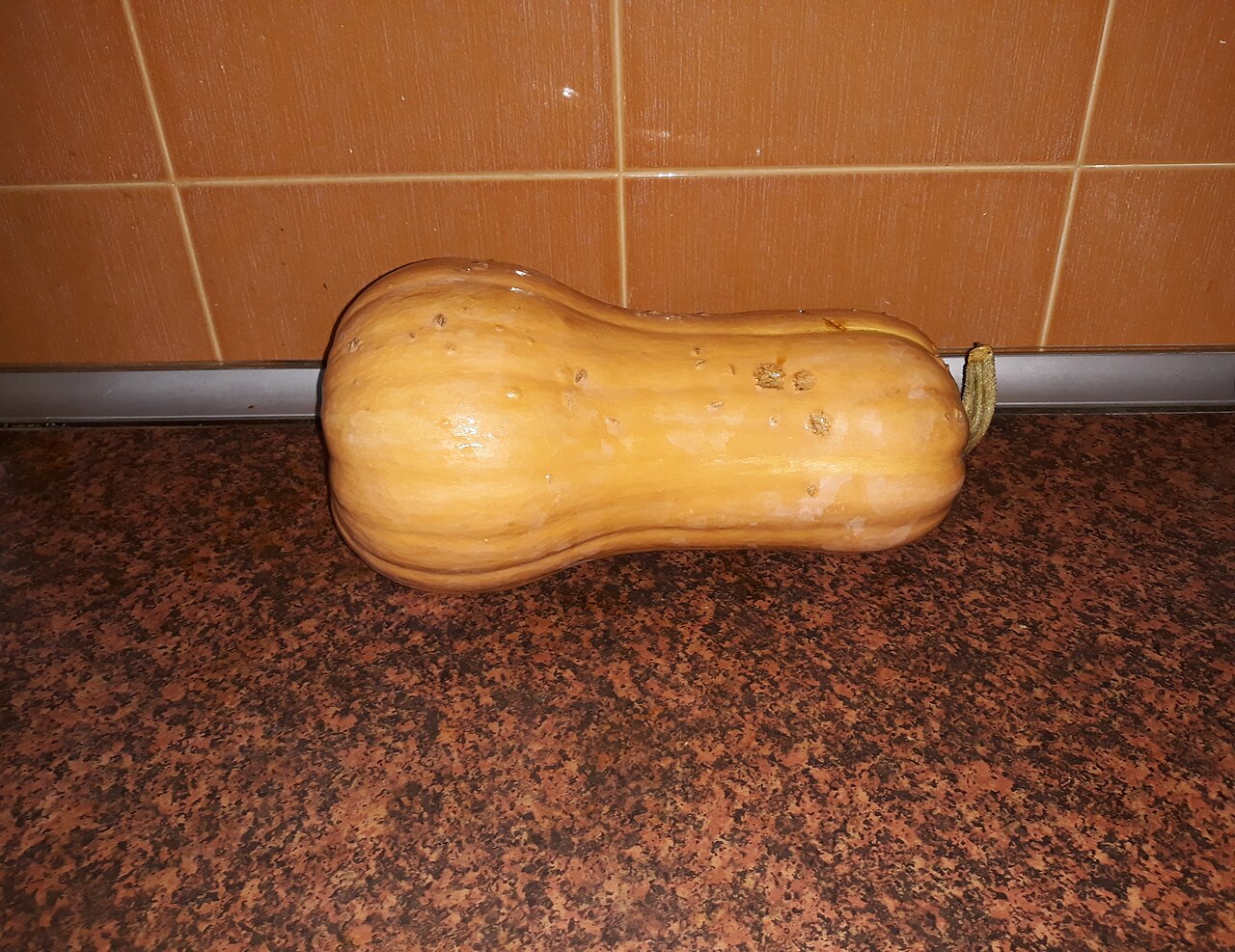
Seminole Pumpkin is a Florida heirloom winter squash with a history deeper than any other squash on this list: it was cultivated by Indigenous peoples of Florida — Creek, Calusa, and Miccosukee communities — long before European contact, and it is one of the few crops that not only survives but thrives in Florida summers. Its fruits vary in size and shape, typically 6 to 12 pounds, with tan mature rinds and sweet, deep orange flesh that tastes like butternut squash, only sweeter and less fibrous.
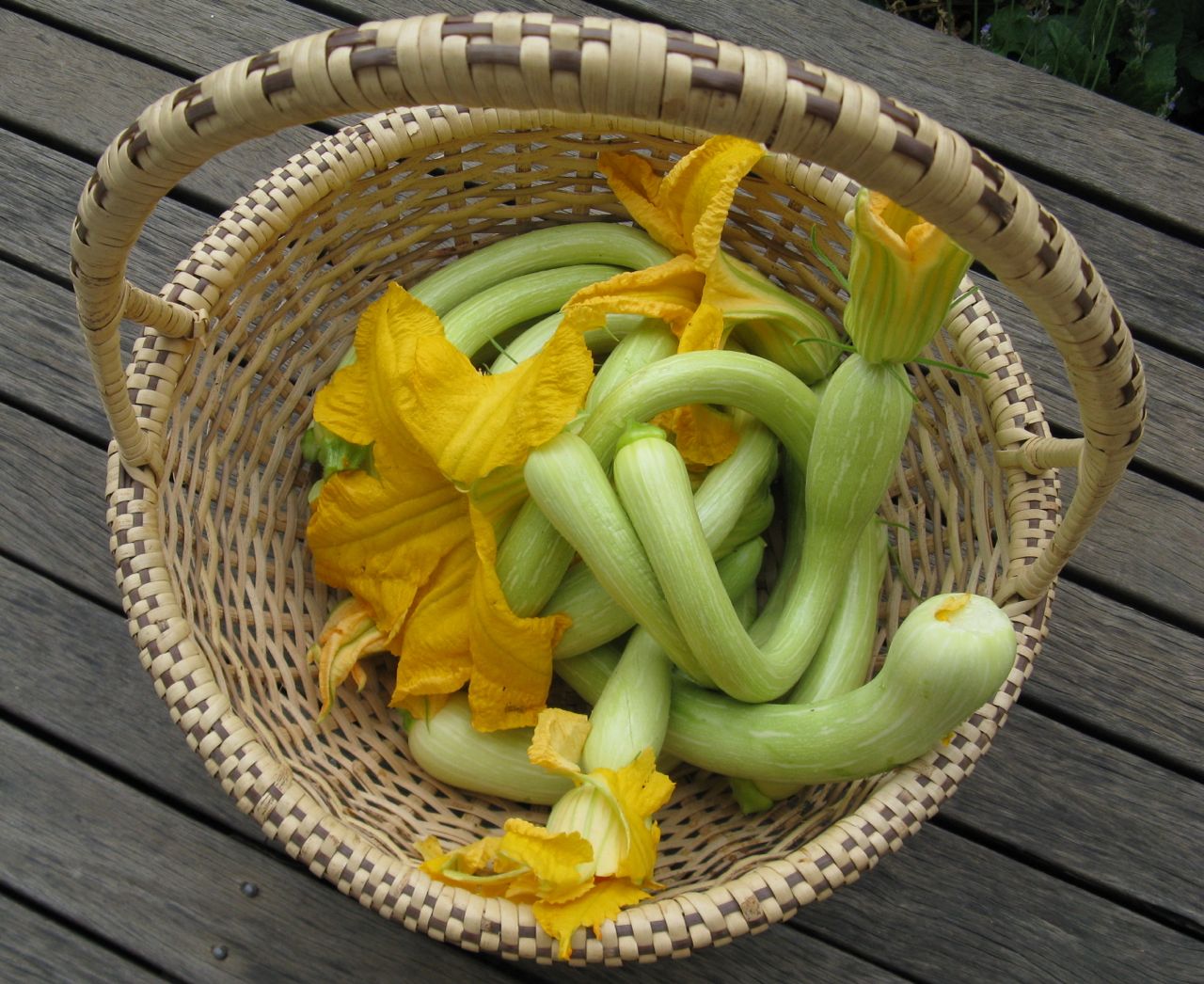
Seminole Pumpkin’s superpowers are all moschata superpowers, amplified by centuries of selection in Florida. As a Cucurbita moschata, it has a solid stem that squash vine borers find much less appealing than the hollow stems of pepo squashes, and it carries strong tolerance to heat, humidity, and downy mildew. Its vines are vigorous to the point of exuberance — 15 to 20 feet in every direction, climbing fences and trees if allowed — and a single plant can produce a pile of pumpkins. Young green fruits can even be cooked like zucchini, giving you two vegetables from one plant at different stages.
If you are new to choosing between cultivars, the Varieties Matter guide explains why the name after the plant matters as much as the plant itself. Seminole Pumpkin is a perfect example: it is not just a pumpkin in the abstract, it is a pumpkin with a specific job, a specific history, and specific strengths.
Florida translation: Seminole Pumpkin is the squash Florida was waiting for, because Florida grew it first. Plant it in spring or early summer, give it room to run (or a very strong fence to climb), and harvest when the rind turns tan and hard and the stem goes woody. Cure in the sun for a week or two, store in a cool, dry place, and eat it all winter. Winter type: this is a storage squash, not a summer zucchini — pick mature, not young, for the keeping crop.
How to grow
Sow seed directly once the soil is warm, about an inch deep, or start indoors a few weeks earlier and transplant carefully — squash roots resent disturbance, so use pots you can plant whole or transplant very young. Give each plant room in fertile, well-drained soil, and work worm castings into the bed at planting. Squash are hungry, fast-growing plants; a bed enriched with castings and mulch is the difference between a plant that produces and a plant that merely survives.
In Florida, summer squash is a spring and fall crop — February-April and August-September in North Florida, January-April and August-September in Central Florida, August through March in South Florida — while winter squash like the moschata types are planted in spring or summer for a fall harvest. Midsummer summer-squash plantings face vine borers, squash bugs, and mildew all at once; winter squash planted for fall dodges the worst of that gauntlet by maturing as pressure eases.
Set plants hills 4-6 feet apart in fertile, well-drained soil with a pH around 6.0-7.5. Work worm castings into the bed at planting — these are hungrier than herbs and will use it — and mulch thickly to hold moisture. Winter squash, Florida heirloom types reward that care directly: healthier plants, steadier water, and better fruit.
Water & feeding
Keep soil evenly moist — squash are fast-growing, big-leafed plants that wilt dramatically when thirsty and recover just as dramatically when watered, but repeated wilting stresses the plant and invites problems. Water at the soil line, mulch thickly to hold moisture and prevent soil splash, and feed generously: castings at planting plus a side-dress of balanced organic fertilizer when vines start running. A squash plant in full production is a hungry machine, and steady food and water are what keep the fruits coming instead of stalling.
Common problems
- Squash vine borer — the number one squash killer in the South. The adult moth lays eggs on stems; larvae bore in and wilt the vine suddenly. Watch for sawdust-like frass at the stem base, slit and remove larvae if you catch them early, wrap stems, and succession-plant. Moschata types with solid stems resist borers far better than hollow-stemmed pepo types.
- Squash bugs — gray-brown shield-shaped insects that suck sap and lay bronze egg clusters on leaf undersides. Scrape eggs off, hand-pick adults, and use row cover early in the season.
- Powdery and downy mildew — white powder or angular yellow spots in humid weather. Space for airflow, water at the soil line, mulch, and choose resistant varieties where available. Mildew eventually finds most squash; succession planting is the honest answer.
- Poor pollination — squash make separate male and female flowers, and a female flower that is not pollinated shrivels and drops. Plant several plants, encourage pollinators with nearby flowers, and hand-pollinate with a paintbrush on quiet mornings if needed.
- Pickleworms in Florida — caterpillars that bore into squash fruits and buds, a particular problem in warm climates. Row cover until flowering, pick promptly, and destroy infested fruit.
Harvest
For summer types, pick small and often — at 6 to 8 inches for zucchini — because a plant allowed to grow a baseball bat slows down to finish it, while a regularly picked plant keeps producing. For winter types, wait until the rind is hard, evenly colored, and the stem is dry and woody, then cut with a few inches of stem attached, cure in a warm, dry place for a week or two, and store in a cool, dry spot for months.
Browse all plant & pest guides
Saving seeds
Seminole Pumpkin is a Florida heirloom winter squash with a history deeper than any other squash on this list: it was cultivated by Indigenous peoples of Florida — Creek, Calusa, and Miccosukee communities — long before European contact, and it is one of the few crops that not only survives but thrives in Florida summers. Its fruits vary in size and shape, typically 6 to 12 pounds, with tan mature rinds and sweet, deep orange flesh that tastes like butternut squash, only sweeter and less fibrous. As an open-pollinated winter squash it comes true from seed: sow seed directly once the soil is warm, about an inch deep, or start indoors a few weeks earlier and transplant carefully — squash roots resent disturbance, so use pots you can plant whole or transplant very young. Give each plant room in fertile, well-drained soil, and work worm castings into the bed at planting. As a Cucurbita moschata, it has a solid stem that squash vine borers find much less appealing than the hollow stems of pepo squashes. The full method is in the Saving seeds section of the Winter Squash guide.