
🍊 Seminole Tangelo
What it looks like
Why this variety
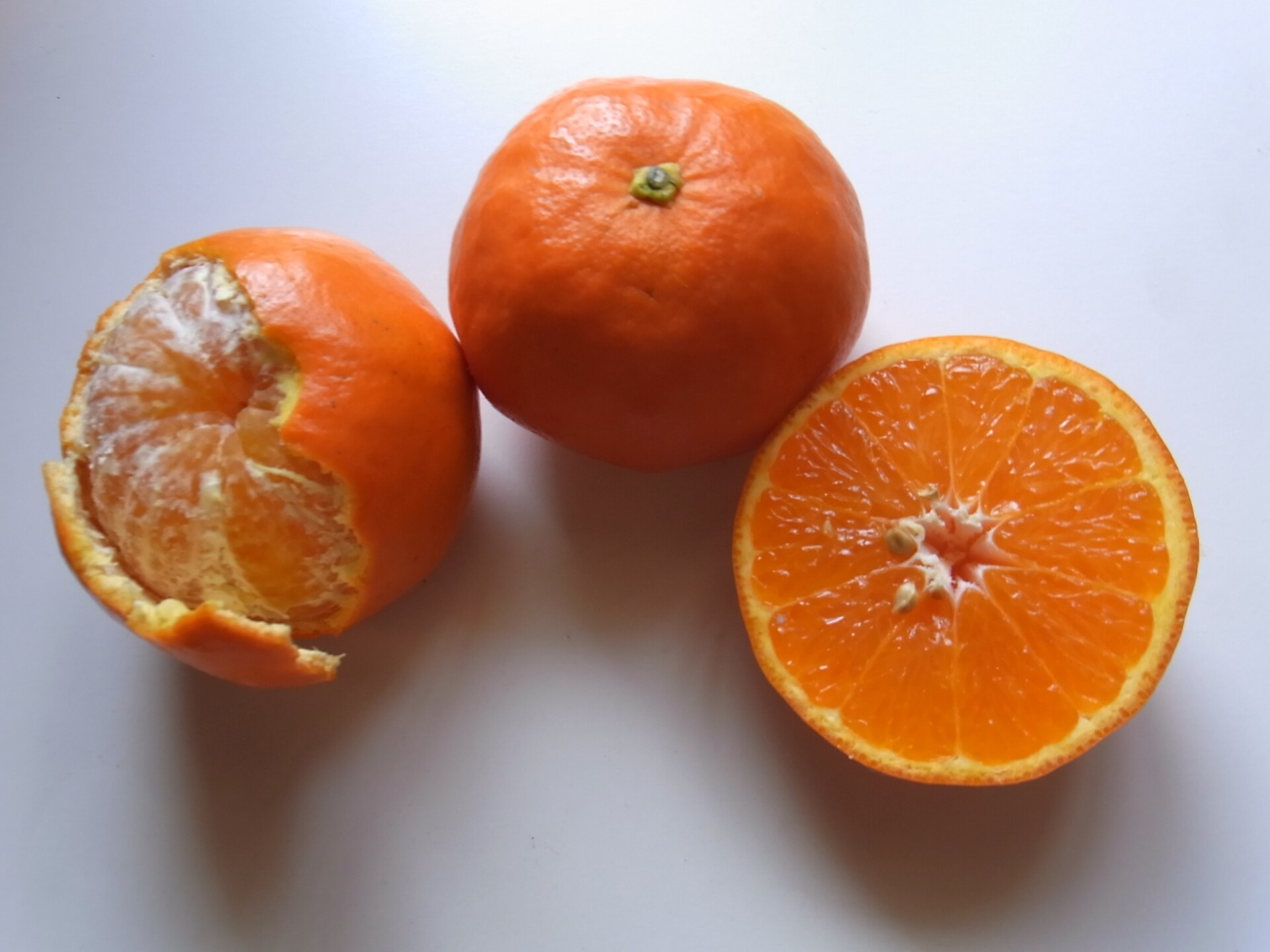
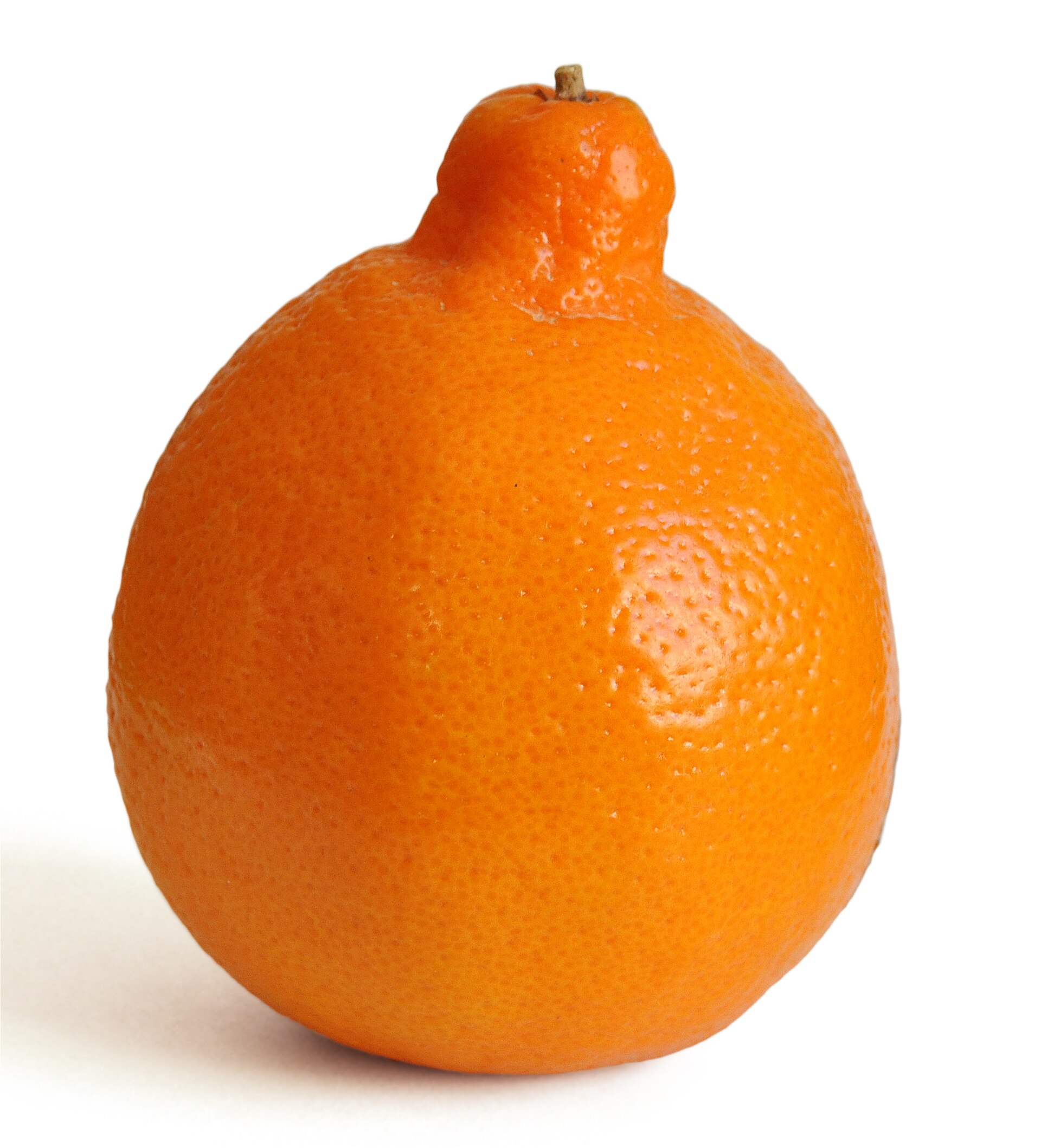
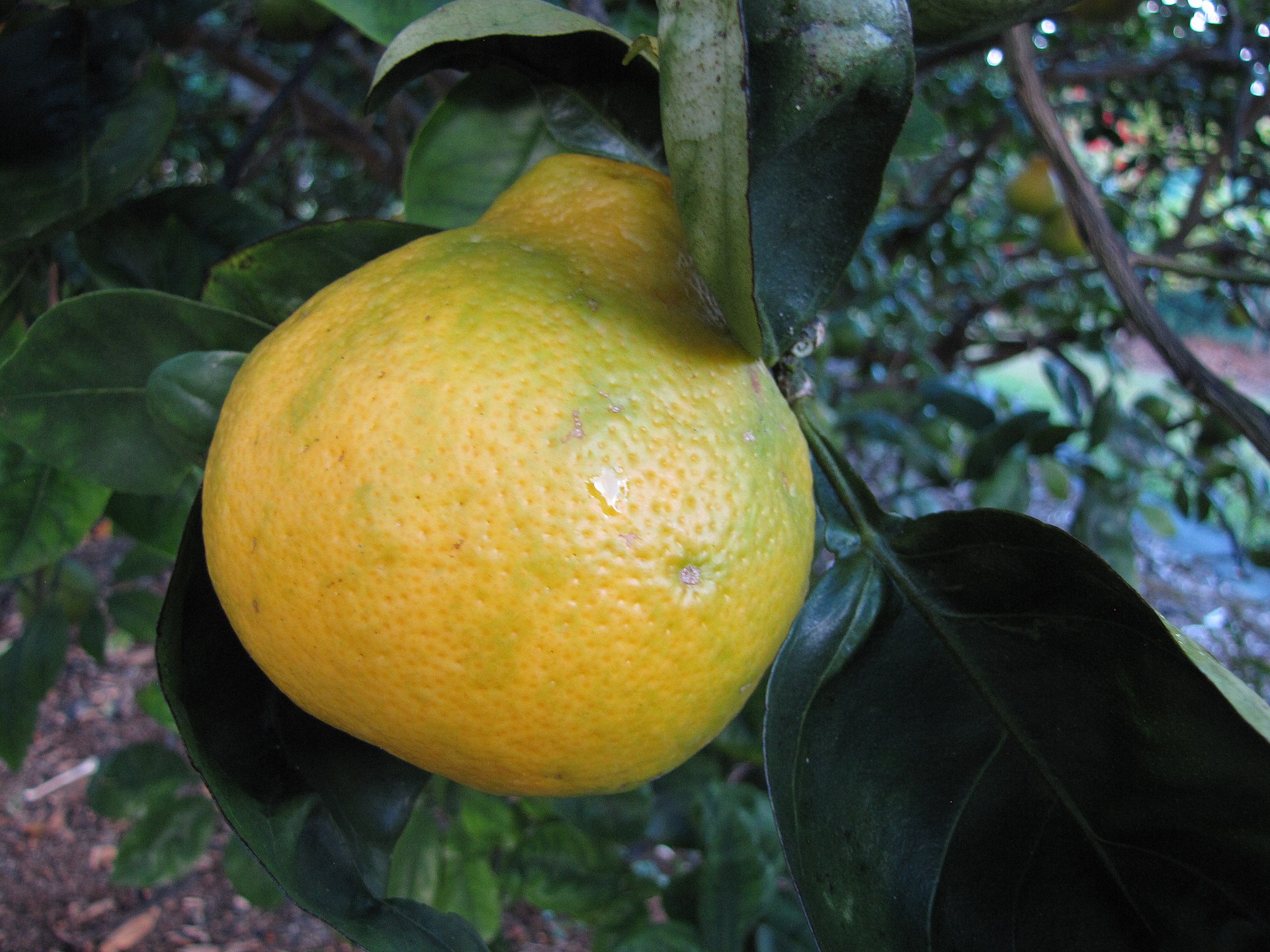
Seminole is the tangelo family’s tart, seedy, vigorous sibling — the one the connoisseurs keep and the supermarkets pass over. It shares the parentage of Orlando and Minneola (Duncan grapefruit crossed with Dancy tangerine, in Morton’s account Bowen grapefruit by Dancy), and it was planted to a limited extent in Florida, where it remains a home-garden and collector fruit rather than a commercial planting. Morton describes deep red-orange peel, deep-orange melting pulp, 20–25 seeds, and a vigorous, high-yielding, scab-resistant tree; UF/IFAS Sarasota notes it is more tart, and a favorite in Japan.
That tartness is the point, not a flaw — but it is a point you should buy with your eyes open. Seminole is highly seedy and too tart for most palates in California trials, which is exactly why it never went commercial and exactly why some growers love it: a vigorous tree, scab resistance its siblings lack, and a deep-orange fruit with real tangelo character for eating fresh or juicing where tartness is welcome.
Name note: Seminole is also known as Seminoru — same variety, one guide. If you find Seminoru for sale, you have found Seminole under its other name.
How to grow
Buy a grafted tree on appropriate rootstock — trifoliate orange for cold hardiness, sour orange where it thrives — and always from certified disease-free stock. In Florida, citrus greening (HLB), spread by the Asian citrus psyllid, is the defining challenge of growing citrus: start clean, scout for psyllids on new flush, and keep the tree vigorous, because a stressed tree declines faster. Plant in the warmest, sunniest, best-drained spot you have, ideally with a south or southwest exposure and some reflected warmth from a wall or patio, with the graft union above the soil. Citrus roots drown in standing water faster than almost any other fruit tree’s. Container growing works for marginal zones — wheel the tree inside for freezes — and young trees need more frequent water than established ones.
Vigor is your friend and your chore: a vigorous, high-yielding tree wants room and light pruning, not a hard annual haircut. The scab resistance is a genuine gift after Page’s susceptibility — one less disease to babysit — but greening discipline still applies in full: certified disease-free stock, psyllid scouting, and a vigorous tree kept vigorous.
Water & feeding
Water deeply and infrequently, letting the top few inches dry between waterings; shallow daily sprinkles build shallow roots and invite root rot. New trees need water weekly through their first dry season, and container trees need it far more often — a pot in Florida sun dries out with impressive speed.
Feed citrus several times a year with a citrus fertilizer, split across spring and summer rather than dumped in one dose, and watch for micronutrient deficiencies — yellowing between leaf veins often means zinc or manganese, and Florida’s sandy, high-pH pockets lock those up. Castings help soil life, but they do not replace the citrus feed; use both, and skip fertilizer in late fall, when tender new growth would walk straight into a freeze.
Common problems
- Citrus greening (HLB) — yellowing, blotchy mottled leaves, lopsided bitter fruit, and slow decline, spread by the Asian citrus psyllid. There is no cure: buy certified disease-free trees, scout for psyllids, keep trees vigorous, and remove confirmed trees so they do not infect neighbors.
- Asian citrus psyllid — tiny insects on new flush that spread greening. Watch new growth, encourage beneficial insects, and treat flush carefully if psyllids appear.
- Citrus canker — raised, corky lesions on leaves and fruit in wet weather. Avoid overhead watering, do not work wet trees, and buy clean nursery stock.
- Root rot (Phytophthora) — follows poor drainage and overwatering. Plant high, drain well, and water deeply but infrequently.
- Freeze damage — the northern Florida citrus killer. Cover young trees, water before freezes, and plant cold-hardy varieties at the edge of their range rather than tender ones.
- Heavy seed count (20–25 seeds) — expected for Seminole, not a defect; juice or seed-spit accordingly.
- Tartness — too tart for sweet-only palates; taste before planting a whole row.
Harvest
Pick when fruit is deep orange, heavy, and fully flavored — taste-test, since tangelos do not sweeten much off the tree. Eat fresh if you love tart, or juice where the deep-orange color and tangelo bite shine. Refrigerated fruit keeps a couple of weeks.
Browse all plant & pest guides
Saving seeds
Seminole is the tangelo family’s tart, seedy, vigorous sibling — the one the connoisseurs keep and the supermarkets pass over. It shares the parentage of Orlando and Minneola (Duncan grapefruit crossed with Dancy tangerine, in Morton’s account Bowen grapefruit by Dancy), and it was planted to a limited extent in Florida, where it remains a home-garden and collector fruit rather than a commercial planting. As a named tangelo it is kept true by grafting, not by seed — buy a grafted tree on appropriate rootstock: trifoliate orange for cold hardiness, sour orange where it thrives — and always from certified disease-free stock. Plant in the warmest, sunniest, best-drained spot you have, ideally with a south or southwest exposure and some reflected warmth from a wall or patio, with the graft union above the soil. The full method is in the Saving seeds section of the Tangelo guide.