
🍋 Shishi Yuzu
What it looks like
Why this variety
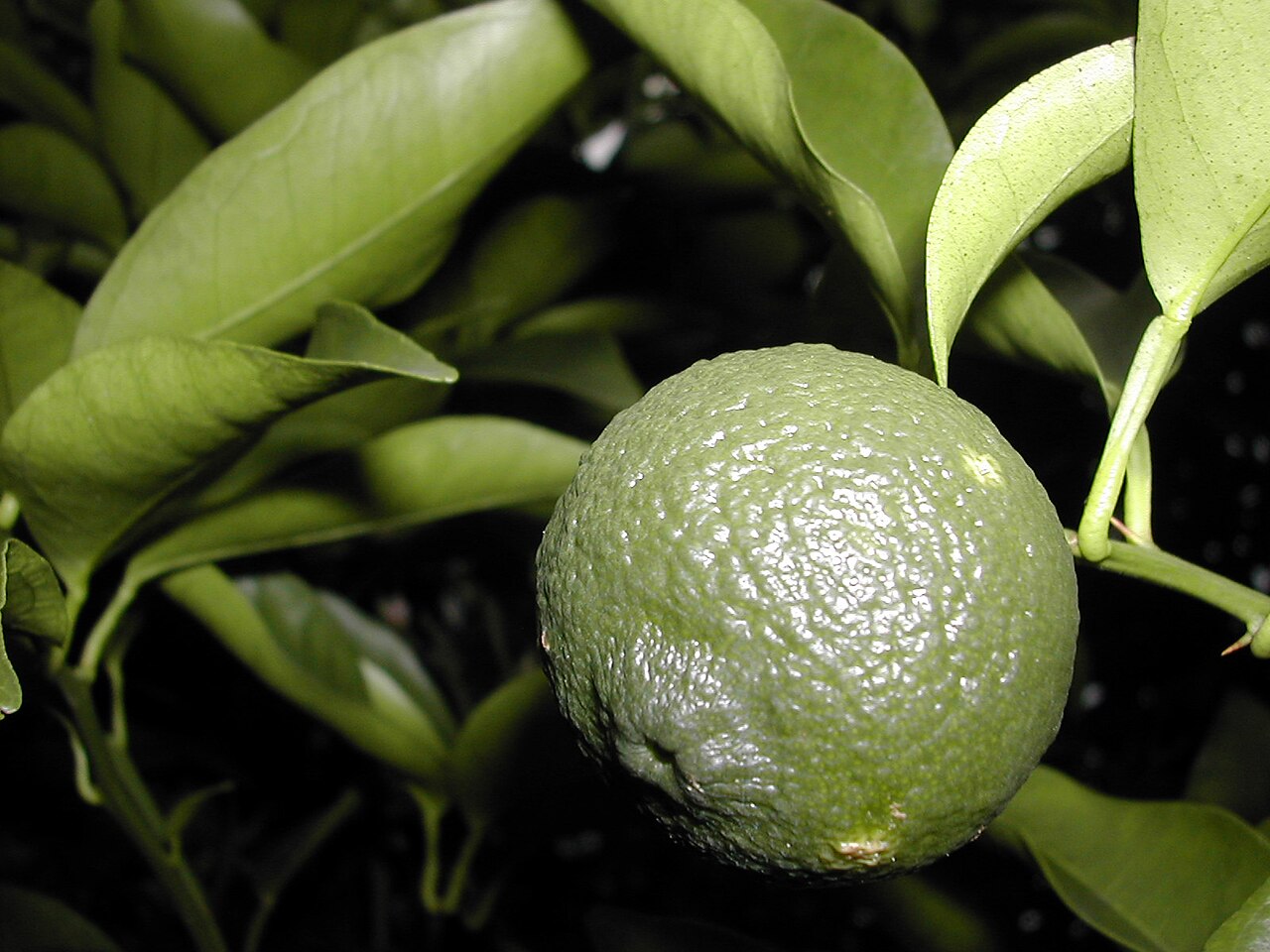
Shishi Yuzu, the lion yuzu, is the yuzu for growers who want a showpiece: large, knobbly, deeply bumpy fruit, valued for ornamental fragrance and juice, with a shape so rugged it looks carved rather than grown. Its name refers to the lion-dog guardians of Japanese temples, and its fruit looks the part, bold and craggy, with the same wild yuzu perfume as Tadanishiki but in a fruit that stops visitors in their tracks. Grow it for zest, juice, and conversation, because a Shishi fruit on a table starts a discussion that a smooth lemon never will.
Grow Shishi Yuzu like Tadanishiki: full sun, well-drained soil, a grafted tree from a reputable nursery, and protection from hard freezes while young. It is a thorny evergreen small tree, fragrant in flower, and its fruit ripens in fall and winter, when it is harvested for zest and juice rather than eaten out of hand, because yuzu fruit is sour, seedy, and intensely aromatic. Use the zest in dressings, marinades, and ponzu, and the juice sparingly, because yuzu’s flavor is powerful and a little goes a long way.
If you are new to choosing between cultivars, the Varieties Matter guide explains why the name after the plant matters as much as the plant itself. Shishi Yuzu is a perfect example: it is not just a yuzu in the abstract, it is a yuzu with a specific job, a specific history, and specific strengths.
Florida framing, stated plainly: yuzu is best in Central and North Florida, and Shishi Yuzu is no exception. Buy certified disease-free stock, watch for greening, and protect young trees in a hard freeze. Specialist selections like Shishi are harder to find than standard yuzu in the US trade, so buy from a citrus specialist, not a seed packet.
How to grow
Plant a grafted tree from certified disease-free nursery stock in spring in full sun and well-drained soil, because citrus greening spreads through infected stock and citrus hates wet feet. Work worm castings into the planting hole, water deeply while establishing and through dry spells, and feed lightly and often rather than heavily and rarely. Protect young trees in a hard freeze with covers, prune lightly for shape, and do not plant yuzu where water ponds.
Set plants 10-15 feet apart in soil with a pH around 6.0-7.0. Work worm castings into the bed at planting and mulch to hold moisture. A well-fed yuzu plant rewards that care directly: steadier growth, better bloom or fruit, and a show that actually shows up.
Water & feeding
Water deeply while establishing and through dry spells; citrus wants steady moisture and sharp drainage, not swamp and not drought. Water at the soil line, mulch to hold moisture but keep mulch off the trunk, and feed lightly and often: castings at planting plus a citrus feed through the warm months. A tree that dries out drops fruit, and a tree that stands in water rots, so moist, never soggy, is the rule.
Common problems
- CITRUS GREENING — greening disease shortens Florida citrus life; buy certified disease-free stock, watch for yellowing and misshapen fruit, and remove infected trees promptly.
- FREEZE DAMAGE — hard freezes damage yuzu, though it is the hardiest citrus; cover young trees in a freeze.
- THORNS — yuzu is thorny; wear gloves and plant it where thorns will not snag passersby.
- FRUIT DROP in drought — a tree that dries out drops fruit; water deeply through dry spells.
- SEEDLING VARIABILITY — seedling yuzu varies in fruit and hardiness; buy grafted named selections for predictable fruit.
Harvest
Harvest fruit fully ripe in fall and winter, when it is yellow, fragrant, and gives slightly to a squeeze, cutting fruit with a short stem rather than pulling it. Use the zest first, because yuzu’s perfume lives in the rind, and the juice sparingly in dressings, marinades, and ponzu, because yuzu is sour and powerful, and a little goes a long way. Wear gloves, because yuzu is thorny, and store fruit cool for a few weeks, because yuzu keeps better than most citrus.
Browse all plant & pest guides
Saving seeds
Shishi Yuzu, the lion yuzu, is the yuzu for growers who want a showpiece: large, knobbly, deeply bumpy fruit, valued for ornamental fragrance and juice, with a shape so rugged it looks carved rather than grown. Its name refers to the lion-dog guardians of Japanese temples, and its fruit looks the part, bold and craggy, with the same wild yuzu perfume as Tadanishiki but in a fruit that stops visitors in their tracks. As a named yuzu it is kept true by grafting, not by seed — plant a grafted tree from certified disease-free nursery stock in spring in full sun and well-drained soil, because citrus greening spreads through infected stock and citrus hates wet feet. Work worm castings into the planting hole, water deeply while establishing and through dry spells, and feed lightly and often rather than heavily and rarely. Protect young trees in a hard freeze with covers, prune lightly for shape, and do not plant yuzu where water ponds. The full method is in the Saving seeds section of the Yuzu guide.