
🌿 Shiso
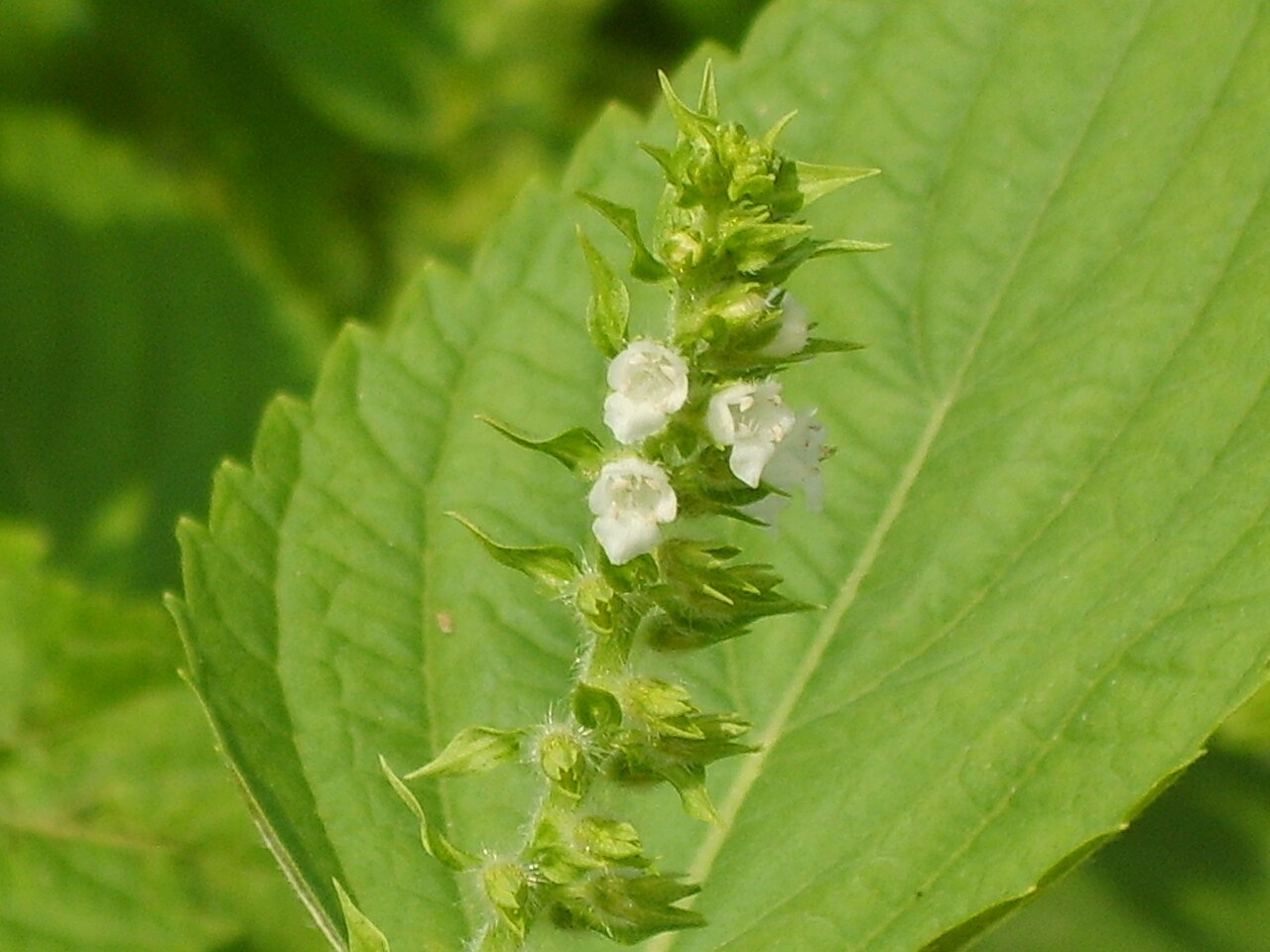
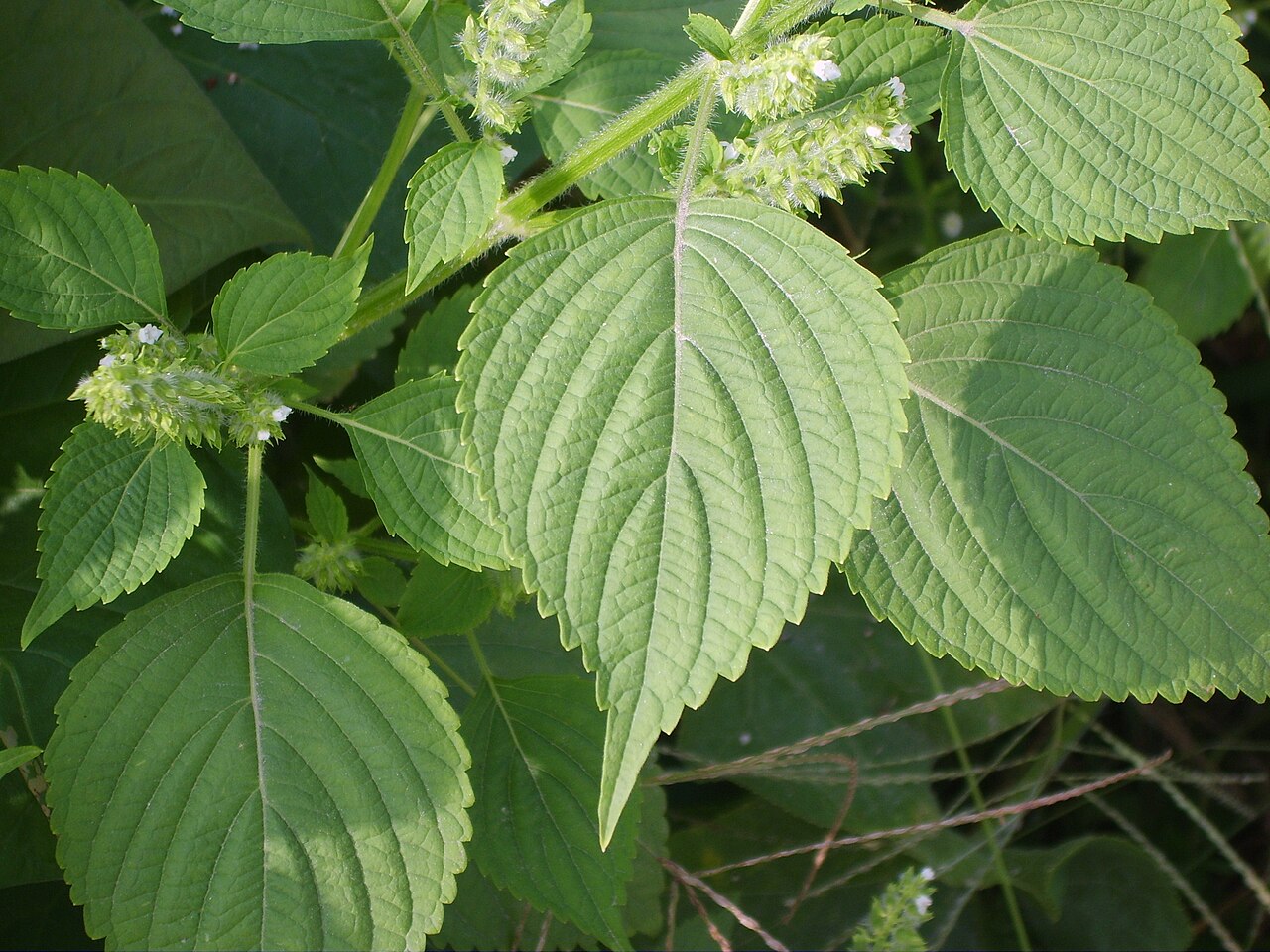
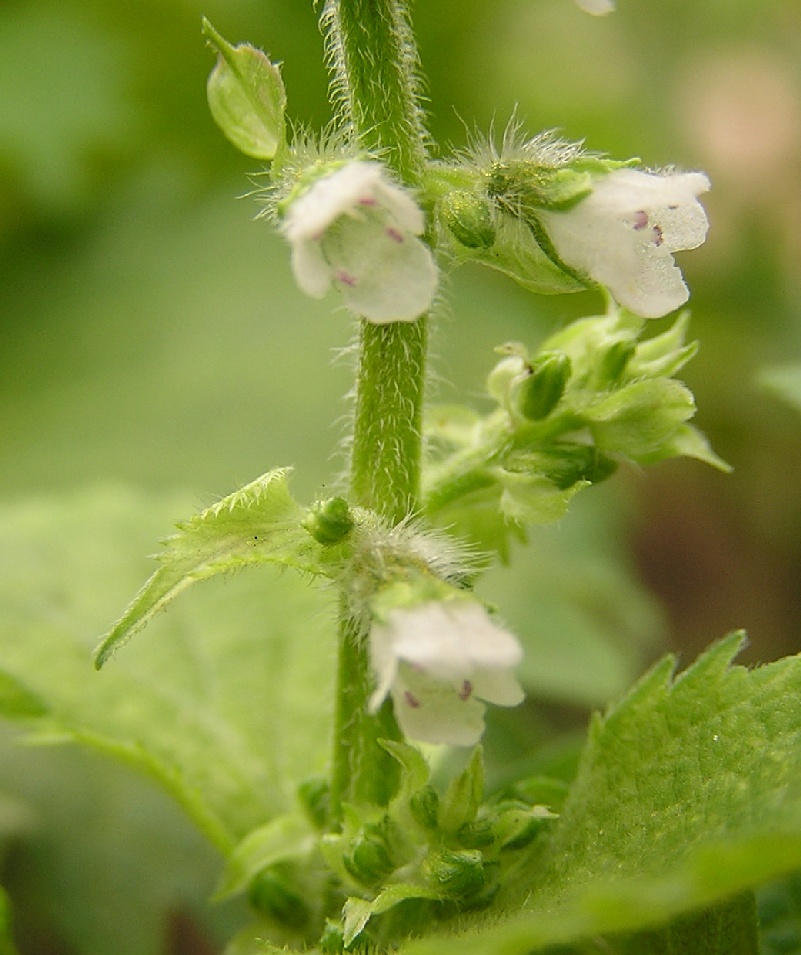
What it looks like
How to grow
Shiso (perilla) is a Japanese herb with broad, serrated, often purple-tinged leaves and a flavor that defies easy description — minty, basil-like, with hints of cinnamon and cumin — used to wrap sushi, flavor salads, season rice, and pickle plums (umeboshi). Green shiso (aojiso) is the standard culinary type; red shiso (akajiso) is used for pickling and coloring. Shiso is a warm-season annual that grows fast and self-sows with enthusiasm — one planting often becomes a permanent patch, so deadhead if you do not want volunteers, or embrace the patch. Direct-sow after frost danger or start indoors 4-6 weeks before last frost; seed needs light to germinate, so press it onto the soil surface rather than burying it. Plants reach 2-3 feet, prefer rich, moist soil and part shade in hot climates, and tolerate humidity well, making them a good fit for the Southeast. Pinch growing tips to encourage bushy growth and delay flowering; once plants flower and set seed, leaf flavor declines. In Florida, grow shiso in spring through fall with afternoon shade in peak summer.
Water & feeding
Keep soil consistently moist — about an inch a week, more in containers. Shiso wilts fast in drought. It is a moderate feeder: worm castings at planting and a light midsummer top-dress keep leaves large and tender. Mulch to hold moisture.
Common problems
- Aggressive self-seeding — deadhead before seeds ripen, or let it naturalize in a contained area.
- Bolting and tough leaves in heat — pinch tips, provide afternoon shade, and harvest regularly.
- Flea beetles on young leaves — row cover on seedlings helps; mature plants usually outgrow damage.
- Note for livestock owners — perilla is toxic to cattle and horses if grazed in quantity; this is a garden herb, not a pasture plant.
Harvest
Harvest leaves as needed once plants are a few inches tall, picking young, tender leaves for fresh use and larger leaves for cooking. Use fresh leaves promptly — shiso wilts quickly after picking, so harvest just before use when possible. For pickling, harvest red shiso leaves in quantity and follow a tested pickling recipe. Shiso leaves can be frozen flat in bags for cooked dishes, though fresh is best for sushi and salads.
Browse all plant & pest guides
Saving seeds
Shiso is easy seed with a warning attached: it self-seeds freely and can become weedy. Let one plant go to flower and seed — the flower spikes turn brown and dry in late summer to fall — then strip the seed into a paper bag. Sow on the surface of moist mix, because the seed needs light to germinate, and keep it warm; germination usually comes in one to two weeks.
Or let it self-sow, which it will do with enthusiasm. In south Florida it volunteers year-round; in north Florida it reseeds each spring from the previous year’s fallen seed. One plant left to seed can stock a whole bed next year, which is either a gift or a takeover depending on how much shiso you actually eat.
Green and red or purple forms cross freely, so if you want a pure color, grow only one form for seed — a packet saved from a mixed patch will give you a mix of green, purple, and everything in between. Seed keeps two to three years in a cool, dry jar, and germination stays good if it is kept dry.
In Florida, shiso is a warm-season annual that loves heat and humidity and grows like a weed all summer. Cut plants back before they set seed if you do not want a forest of them next year, and harvest the leaves often — the more you pick, the bushier it gets, and the later it bolts.
Varieties
Every named variety of Shiso with its own growing guide:
- Aka Shiso — The red shiso: deep purple-red leaves for pickling, coloring, and shiso juice — the shiso that dyes umeboshi plums.
- Ao Shiso — The green shiso: fresh, minty-basil leaves for sushi, salads, and wraps — the everyday shiso of Japanese cooking.
- Katamen Shiso — The two-faced shiso: green on top, red underneath — the bicolor shiso that is ornamental and edible at once.