
🍝 Small Wonder Spaghetti Squash
What it looks like


Why this variety
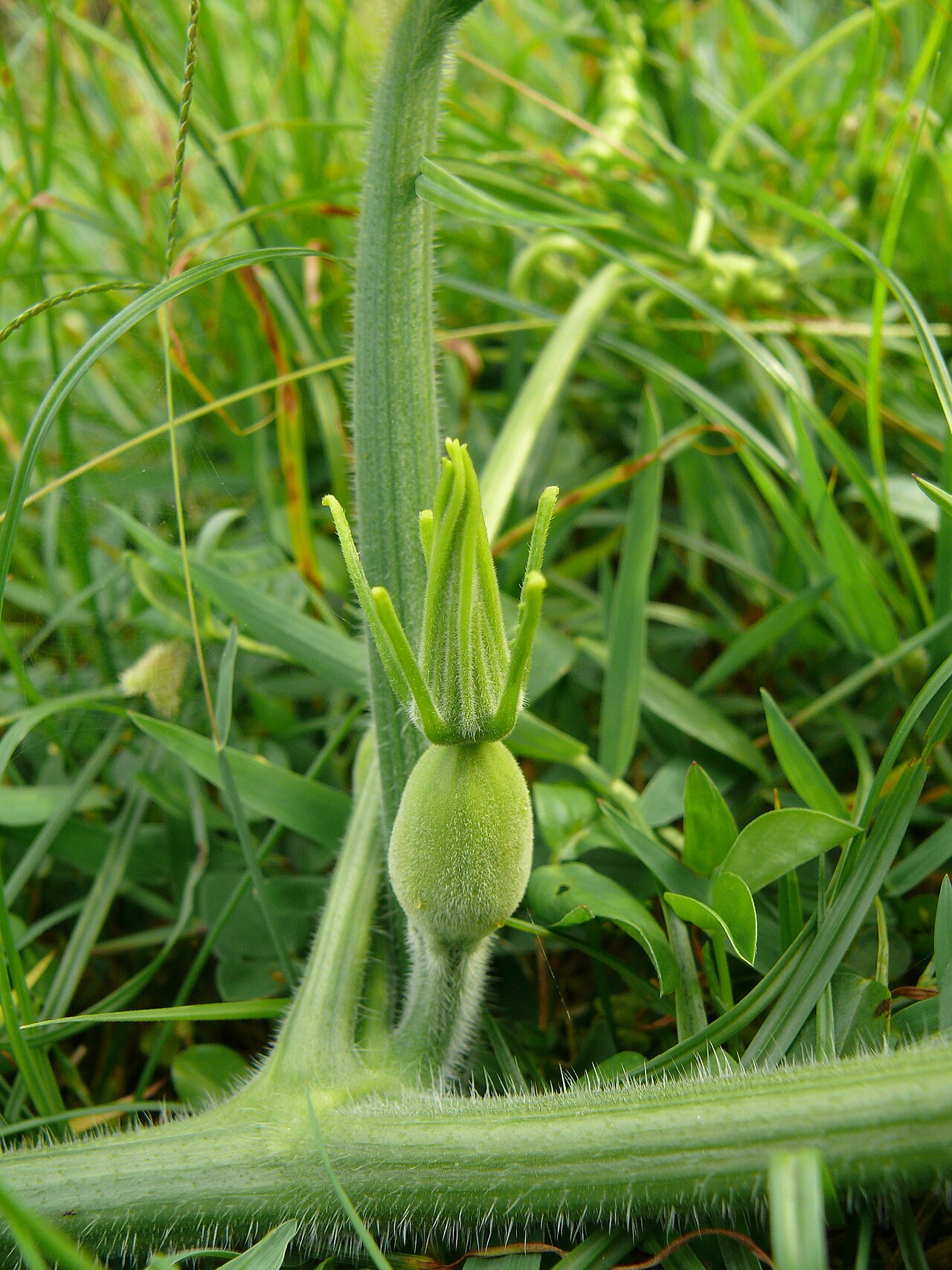
Small Wonder is spaghetti squash sized for a real household: 6 by 5 inches, oval, starting green and ripening to yellow, with sweet yellow flesh that forks into strands, on vigorous vines that yield heavily. It is a hybrid, which means uniformity: fruit after fruit at single-serving size, instead of one giant spaghetti squash that feeds a crowd and then haunts the fridge.
At about 90 days it is also earlier than many winter squash, and it stores particularly well for a spaghetti type, which is a combination warm-climate gardeners should notice: early enough to beat late-season mildew, and keeping enough to eat through fall without rushing.
How to grow
Sow in warm soil in hills with vine spacing, or start indoors and transplant young. Vigorous vines want room, sun, and a trellis option: spaghetti squash on a sturdy trellis keeps fruit off wet ground and makes the daily check easier, with a sling under each fruit as it grows.
Feed with compost and castings at planting and side-dress at fruit set. A heavy-yielding vine carrying many fruit at once needs steady food, not a single feast at planting followed by famine.
Water & feeding
Water at the base, 1-2 inches a week, evenly, morning timing, tapering as fruit matures so rinds harden. Spaghetti flesh turns watery if the plant is overwatered late, so ease off once fruit colors up.
Common problems
Small Wonder is a pepo, so vine borers are the main enemy, and its yellow ripening fruit attracts pickleworm in warm climates: scout young fruit, cover until flowering for borers, and plant a fall crop to dodge peak moth pressure.
- Squash vine borer (Melittia cucurbitae – plant suddenly wilts despite wet soil): slit the stem, remove the grub, bury the stem section; row cover until flowering prevents egg-laying. Moschata types, with solid stems, shrug this pest off far better than pepo types.
- Pickleworm and melonworm (caterpillars boring into fruit and flowers, a warm-climate specialty): scout blossoms and young fruit, hand-pick, and cover young fruit where practical; fall plantings often dodge the worst of the summer pressure.
- Powdery mildew (white dusty coating): improve airflow, water at the base, remove the worst leaves; give vines room instead of letting them pile into a damp mat.
- Rot in storage: only store fruit with a hard rind, a dry corky stem, and no nicks; cure 10-14 days warm and dry first, and check stored fruit regularly.
Harvest
Harvest at about 90 days, when the rind is hard, fully yellow, and the stem is dry, before frost. Cut with a stem stub, cure 10 days warm and dry, then store cool: bake, fork into strands, and toss with sauce, butter, or garlic, and accept that it is not pasta, it is better than pasta at being squash.
For the crop in general, see the Winter Squash growing guide. Browse all plant & pest guides.
Saving seeds
Small Wonder is spaghetti squash sized for a real household: 6 by 5 inches, oval, starting green and ripening to yellow, with sweet yellow flesh that forks into strands, on vigorous vines that yield heavily. It is a hybrid, which means uniformity: fruit after fruit at single-serving size, instead of one giant spaghetti squash that feeds a crowd and then haunts the fridge. At about 90 days it is also earlier than many winter squash, and it stores particularly well for a spaghetti type. Small Wonder is an F1 hybrid winter squash, so saved seed will not come true — buy fresh seed each season. Sow in warm soil in hills with vine spacing, or start indoors and transplant young. Vigorous vines want room, sun, and a trellis option: spaghetti squash on a sturdy trellis keeps fruit off wet ground and makes the daily check easier, with a sling under each fruit as it grows. Feed with compost and castings at planting and side-dress at fruit set. The full method is in the Saving seeds section of the Winter Squash guide.