
🌼 Sneezeweed
What it looks like
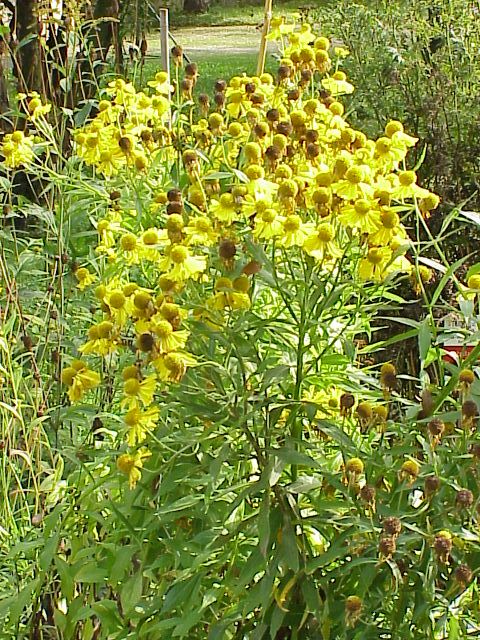
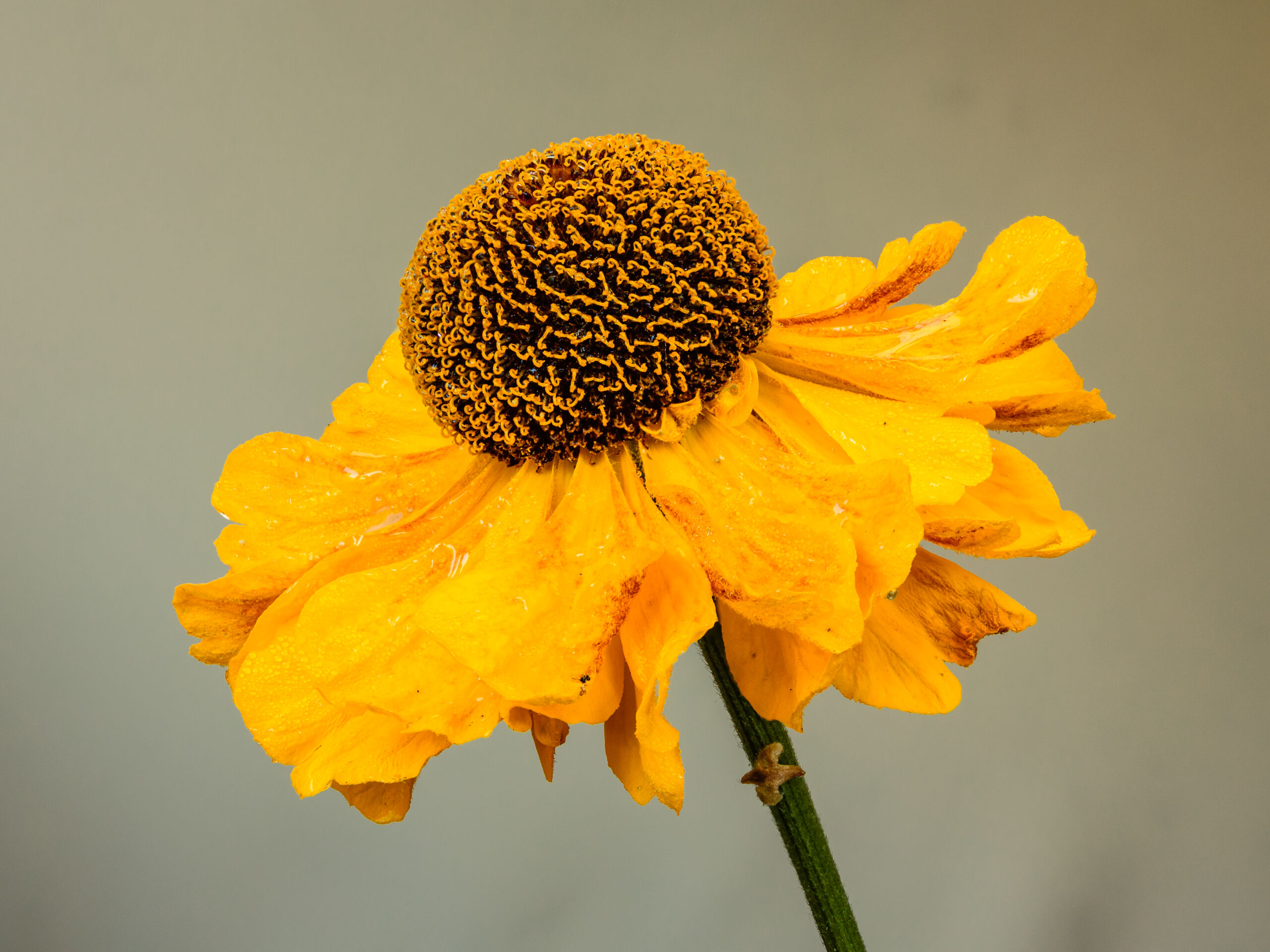
Sneezeweed is a genus, not a single plant, and this guide covers the genus as a group — with one boundary stated up front, because the project keeps its species separate. Common sneezeweed, Helenium autumnale, and southeastern sneezeweed, Helenium pinnatifidum, are handled as their own species units, not folded into this genus guide. What you get here is the group portrait: the traits they share, the garden kinds, and the wild species that fill the genus out, so that a bare sneezeweed mention in a butterfly guide has somewhere honest to land.
Helenium, in the aster family Asteraceae, holds about 40 species of annuals, biennials, and herbaceous perennials, native to the Americas from Canada to Argentina. The garden kinds are clump-forming perennials, upright with branched, often winged stems and lance-shaped, medium-green leaves, usually 2 to 5 feet tall, though compact cultivars run shorter and the largest wild species can reach about 6 feet. The flower is the giveaway, and it is unlike any other daisy once you know it: a prominent, almost globe-shaped central disk — a button or dome of tiny disk florets — surrounded by ray florets that droop slightly and end in three lobes at the tip, like a skirt with a notched hem. The heads are 1 to 2 inches across, carried in dense terminal clusters, sometimes dozens or even up to a hundred on one plant, in shades of yellow, gold, orange, copper, bronze, and red, sometimes washed or banded with two colors. Bloom runs from midsummer into autumn, often late summer to first frost, which is exactly when the garden needs it most: the late-season slot after the early perennials have finished and before the asters take over.
The wild home of sneezeweeds explains the garden advice that follows. They are plants of damp meadows, stream banks, wet prairies, ditches, pond margins, and woodland edges — open, sunny, moist places. They tolerate seasonally wet soils that many border perennials will not, and they sulk in ground that bakes dry. The common sneezeweed of the species guides is a plant of moist, open areas across much of the United States and Canada, south to Florida; the southeastern sneezeweed is a plant of the southeastern coastal plain. The genus as a whole is a moist-ground genus, and every growing instruction in this guide flows from that one fact.
How to grow
Plant sneezeweeds in full sun — at least six hours of direct sun — in average to moist soil with good drainage, and do not let them dry out while establishing. They are the right plant for the rain garden, the moist border, the low spot that stays damp after rain, the pond margin that never quite dries. They do not need rich soil, and in soil that is too rich they produce impossibly tall plants with lush leaves and few flowers, so resist the urge to overfeed. They also prefer cool roots and hot sun: roots in cool, moist soil, leaves in blazing late-summer light. A mulch of compost keeps the roots cool and the moisture in, which is the closest thing to a secret this genus has.
Space plants 18 to 36 inches apart, and expect clumps to fill in over a season or two. Taller kinds may need staking, especially in hot weather that promotes tall, weak growth, and all kinds benefit from deadheading: regular removal of spent blooms prolongs flowering, and a midseason cut-back of a leggy plant can produce a second, bushier flush. Divide clumps every few years in early spring to keep them vigorous, replanting the outer divisions and composting the woody centers. Propagation is by seed or by division in early spring. Garden cultivars — the long line of hybrids derived chiefly from Helenium autumnale and Helenium bigelovii, including widely grown selections such as Moerheim Beauty, Butterpat, Ring of Fire, Bruno, Coppelia, and Rotgold — are best propagated by division, since seed will not come true to the cultivar.
Florida gardeners should plant sneezeweeds with the same moisture logic and a realistic eye on heat. The genus is hardy in zones 3 to 9 as a perennial, and the southeastern species are the ones at home in Florida’s heat and humidity; the cold-climate hybrids are a North Florida proposition rather than a statewide one. Site them where summer rain keeps the soil moist, give them the sunniest damp spot you have, and treat them as late-summer pollinator plants first and tidy border plants second — they are at their best in drifts and masses, in meadows and rain gardens, where a little wildness reads as abundance.
Water & feeding
Water regularly. Sneezeweeds want moist soil and regular water, and they tolerate damp and even poorly drained ground better than most perennials. A plant that wilts in afternoon heat and does not recover by evening is telling you the soil is too dry, and the remedy is water and mulch, not fertilizer. Once mature they tolerate some drought, but drought tolerance in this genus means survival, not performance: the bloom that makes sneezeweeds worth growing happens on plants that never went thirsty.
Feeding is light, and this is a genus where overfeeding is a real fault, not a theoretical one. A spring mulch of compost or worm castings is plenty. Heavy fertilizer pushes tall, weak, leafy growth with fewer flowers, and tall, weak growth is exactly what flops in the first summer storm. If your sneezeweed is tall and flowerless, the likely causes are rich soil, too little sun, or both — not a missing fertilizer.
Common problems
Flopping is the classic sneezeweed complaint, and it has three honest causes: rich soil, shade, and height. Grow them in average soil in full sun, stake the tall kinds, and cut back leggy plants in early summer for a bushier second flush. The second problem is the opposite of flopping: a plant that dwindles and disappears usually dried out, because the genus wants moisture and a dry border is a slow eviction.
The third problem is toxicity, and it deserves plain language. Sneezeweeds contain sesquiterpene lactones that make all parts of the plant poisonous if eaten in large quantity, and the genus is best treated as toxic to livestock and pets that might browse it heavily. Do not plant it in a pasture, do not let grazing animals at it, and do not forage it for the table. The name, meanwhile, is a false alarm that this guide is happy to retire: the flowers themselves seldom cause pollen allergies. The sneezing came from the snuff people made from the dried leaves and flower heads, not from standing next to the plant. A sneezeweed border will not make you sneeze; a sneezeweed snuff would, and nobody is recommending that either.
Harvest
The harvest from sneezeweeds is flowers, and it is generous. They are excellent cut flowers, with long, sturdy stems and heads that hold well in arrangements, and a single plant in full bloom can supply a bouquet a week through late summer. Cut in the morning when the heads are fully open, strip the lower leaves, and stand them in deep water. Leave some heads standing for the pollinators: the flowers are frequently visited by butterflies, bees, and other beneficial insects, which is why bare sneezeweed mentions appear in butterfly nectar lists at all — the northern metalmark and Horace’s duskywing both list sneezeweed among their nectar plants. In autumn, leave the seed heads for the birds if you can stand the untidiness, then cut the clump back in early spring and divide it if it has outgrown its space. What you take is bloom; what you leave is the clump, which will be back, taller, by July.
Saving seeds
Sneezeweed is easy seed with one small argument attached: whether it needs a chill. Some sources say a 30-day cold, moist stratification improves germination; others report good germination with no chill at all. The safe play is to give it the chill — a month in the fridge in damp mix costs nothing — or to sow in fall outdoors and let winter settle the argument for you. Either way, sow on the surface, because the seed needs light, and keep it warm and moist after chilling; germination usually comes in two to three weeks.
Let the flower heads ripen until they are dry and brown, then strip the seed into a paper bag. Dry it thoroughly before storing; it keeps a few years in a cool, dry jar. Sow more than you need, since germination is good but not total, and thin to the strongest seedlings.
Sneezeweed self-seeds lightly, and division is also easy — lift and split clumps in spring or fall. Named cultivars come only from division; seedlings will vary in height and flower color, which is fine for a wildflower drift and less fine for a matched border.
Despite the name, sneezeweed does not cause sneezing — the name comes from the old use of the dried flowers as snuff. In the garden it is a late-summer pollinator magnet, happiest in sun and moist soil, and in Florida it is a north and central plant that wants a damp spot and a real winter to set it off.
Species in this group
- Common sneezeweed — Helenium autumnale: The most commonly grown species, a highly variable perennial native to much of the United States and southern Canada, hardy in zones 3a to 8b, with yellow flowers and a long late-summer to fall bloom. Handled as its own species unit in this project, not covered by this genus guide.
- Southeastern sneezeweed, savanna sneezeweed — Helenium pinnatifidum: A southeastern species with yellow flowers and yellow-green centers, reaching about 32 inches tall in bloom, growing in zones 8a to 10b. Handled as its own species unit in this project, not covered by this genus guide.
- Yellow sneezeweed, bitter sneezeweed — Helenium amarum: A south-central United States and northern Mexico species, 8 to 28 inches tall with yellow flowers, considered invasive across much of the eastern and southeastern United States where it colonizes pastures and roadsides. Already the subject of a Florida native profile on this site.
- Orange sneezeweed — Helenium hoopesii: A western species that blooms in midsummer, and a parent of many modern hybrids, which is why so many garden kinds start blooming earlier than the older types.
- Bigelow’s sneezeweed — Helenium bigelovii: A California and Oregon native, 2 to 3 feet tall with yellow flowers, and, with common sneezeweed, the main parent of garden cultivars.
- Coastal sneezeweed, Bolander’s sneezeweed — Helenium bolanderi: An Oregon and California coastal species, growing in zones 7a to 9b, reaching about 56 inches tall with yellow flowers and brownish-purple centers.
- Garden cultivars — Moerheim Beauty, Butterpat, Ring of Fire, Bruno, Coppelia, Rotgold, El Dorado: Hybrid selections derived chiefly from common sneezeweed and Bigelow’s sneezeweed, bred for autumn colors from gold and yellow through orange, copper, and red; more than a dozen have earned the Royal Horticultural Society’s Award of Garden Merit.