
🐱 Snowflake Catmint
What it looks like
Why this variety
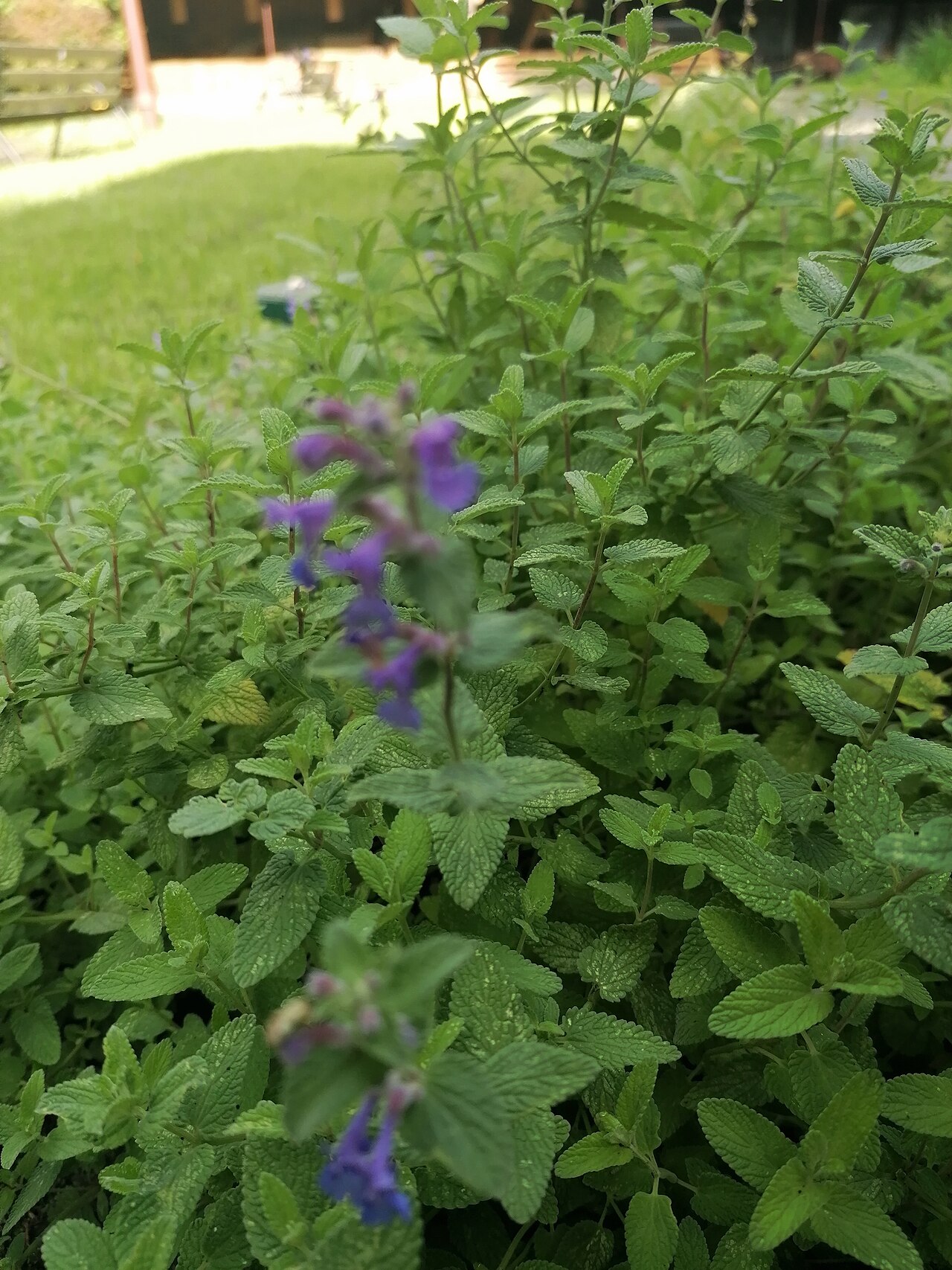
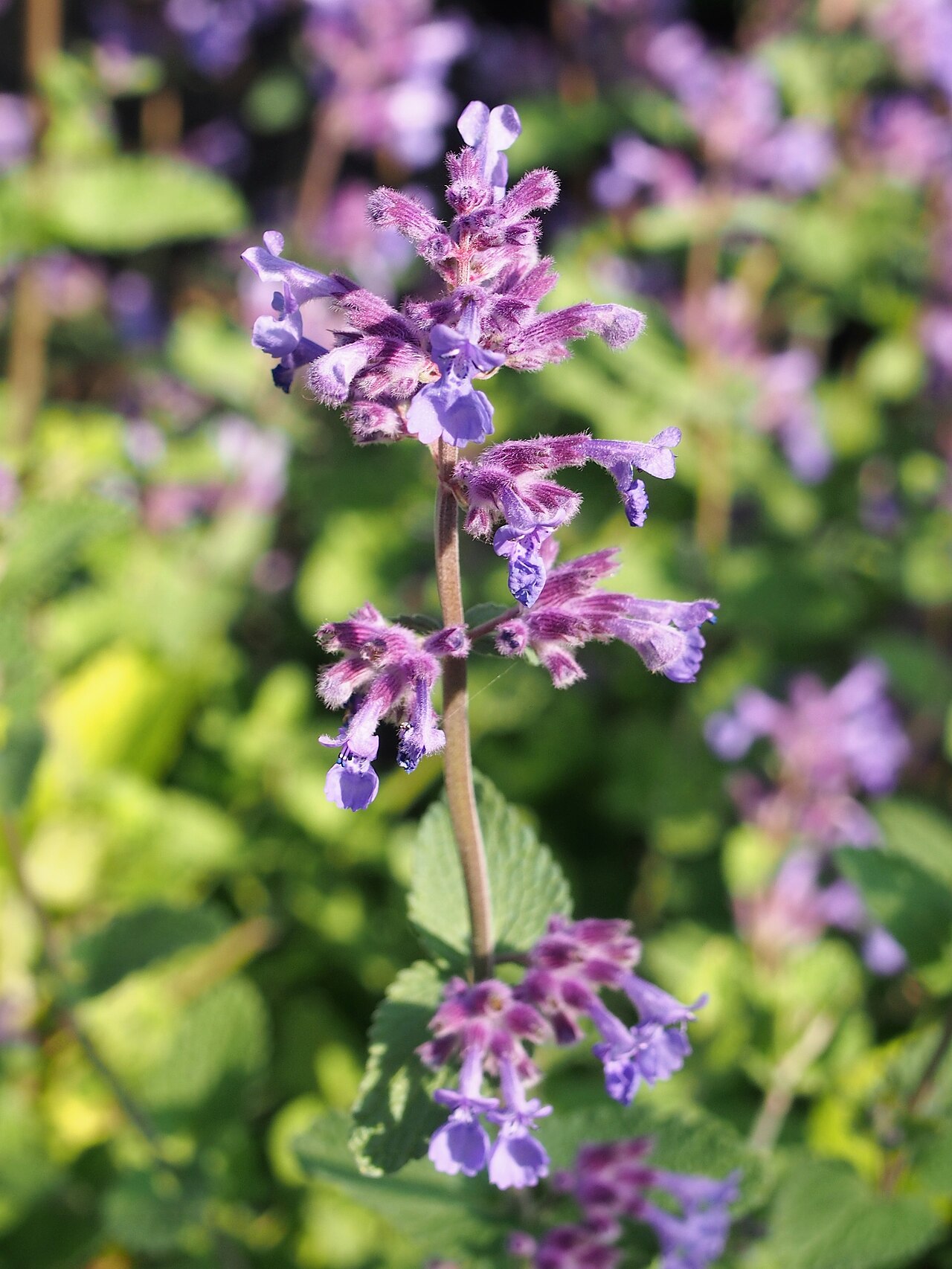
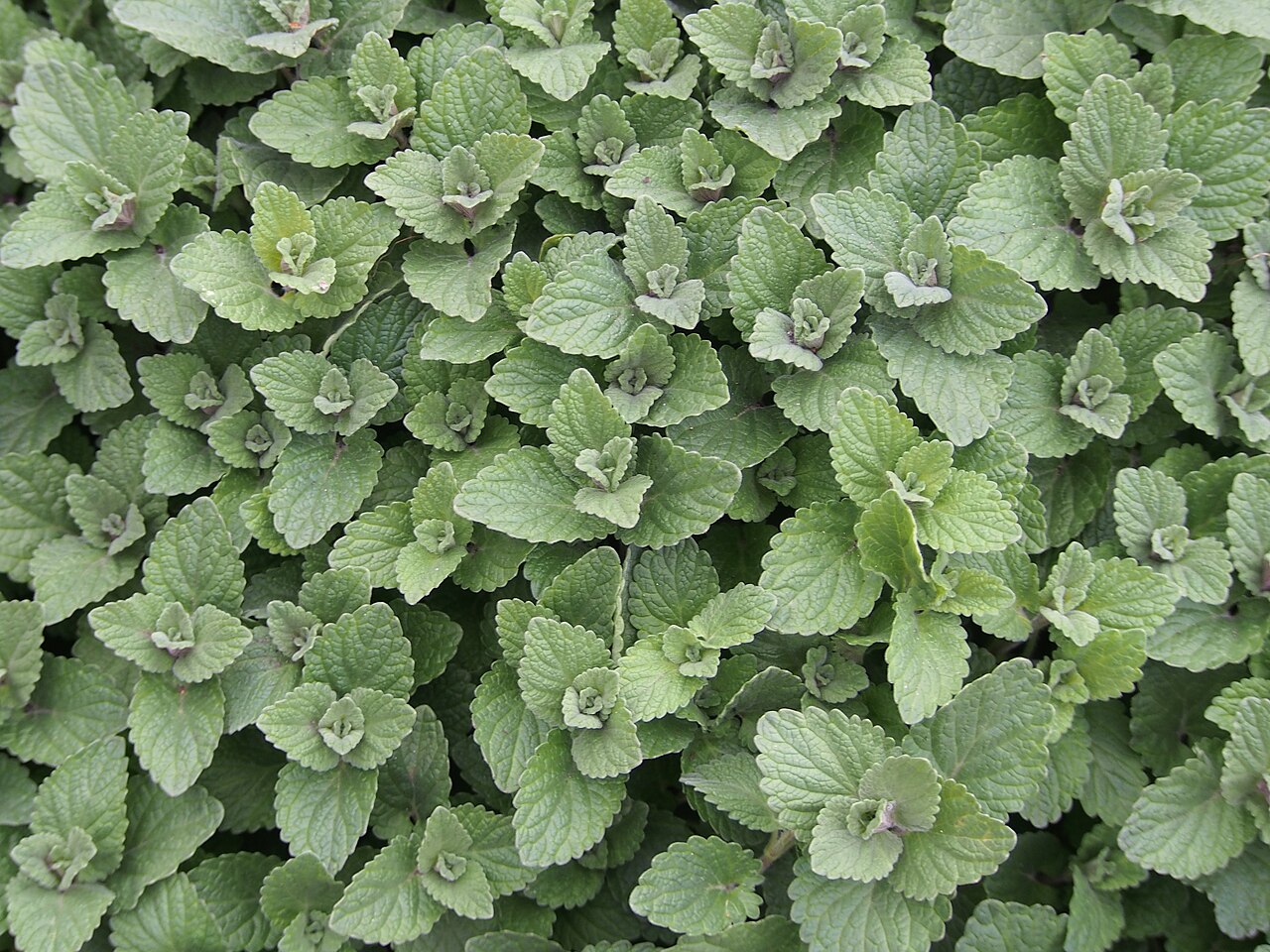
Snowflake is catmint in white: the same billowing mound of aromatic gray-green foliage and months of bloom as the blue forms, but with clean white flowers that glow at dusk and cool down a hot-colored border. In a garden full of lavender-blue catmints, a white one is not a novelty — it is a design tool, the plant that makes neighboring purples, pinks, and golds read brighter by contrast.
It shares the faassenii virtues that make the whole group easy: a sterile hybrid that rarely sets viable seed and never spreads by runners, months of bloom with one shearing, and a bee and butterfly following that treats it like a cafeteria. If Blue Wonder Catmint is the dwarf edger and Cat’s Meow Catmint is the tidy low one, Snowflake is the pale one — same manners, different dress.
How to grow
Plant in spring in full sun and well-drained soil. Snowflake wants exactly what every catmint wants: sun, drainage, and to be left alone after establishment. Space 18–24 inches apart and let it billow; white flowers show dirt and spent blooms more than blue ones, so shearing after the first flush matters a little more here for looks.
Shear back by half after the first flush and it reblooms. In Florida, the trial framing applies: North and Central Florida, not a South Florida perennial, and drainage is the whole game — a raised bed or gritty, sunny spot is the difference between a perennial and a one-season guest.
Water & feeding
Water to establish; mature catmint is drought-tolerant and needs little supplemental water. Wet, poorly drained soil is its main enemy, and white-flowered forms show stress as yellowing foliage sooner than blue ones — an early warning system, if you pay attention.
Feed little or nothing. Poor soil suits it, and rich feeding pushes soft, floppy growth. A light spring top-dress of worm castings is plenty.
Common problems
- Flopping in the center after the first flush — shear back by half and it regrows neatly.
- Wet, poorly drained soil — the main killer; fix drainage or grow in a raised bed.
- Spent white blooms looking dingy — shear promptly after the first flush; white shows age faster than blue.
- Cats rolling in it — a feature or a flattened plant; catmint’s nepetalactone is milder than catnip’s, so the frenzy is gentler.
Harvest
Catmint is an ornamental perennial, not a culinary or medicinal herb — grown for flowers and foliage, with cats’ interest as a bonus. The harvest is horticultural: shear back by half after the first bloom flush for a tidy rebloom, and cut back in late winter before new growth.
For moon gardens, plant Snowflake where evening light hits it: white flowers catch the last light and the first moths, and a white catmint at dusk is visible from across the garden in a way blue never is.
Browse all plant & pest guides
Saving seeds
Snowflake is catmint in white: the same billowing mound of aromatic gray-green foliage and months of bloom as the blue forms, but with clean white flowers that glow at dusk and cool down a hot-colored border. In a garden full of lavender-blue catmints, a white one is not a novelty — it is a design tool, the plant that makes neighboring purples, pinks, and golds read brighter by contrast. As a named catmint it is kept true by cuttings or division, not by seed — it shares the faassenii virtues that make the whole group easy: a sterile hybrid that rarely sets viable seed and never spreads by runners, months of bloom with one shearing, and a bee and butterfly following that treats it like a cafeteria. Plant in spring in full sun and well-drained soil. Snowflake wants exactly what every catmint wants: sun, drainage, and to be left alone after establishment. Space 18–24 inches apart and let it billow; shear back by half after the first flush and it reblooms. The full method is in the Propagation section of the Catmint guide.