
🌿 Southernwood
What it looks like
How to grow
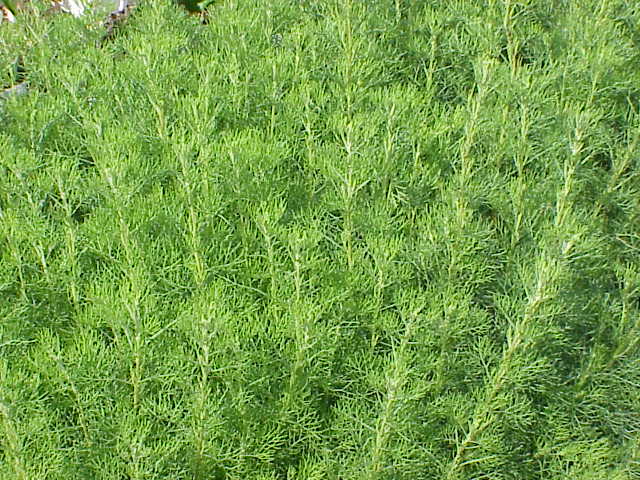
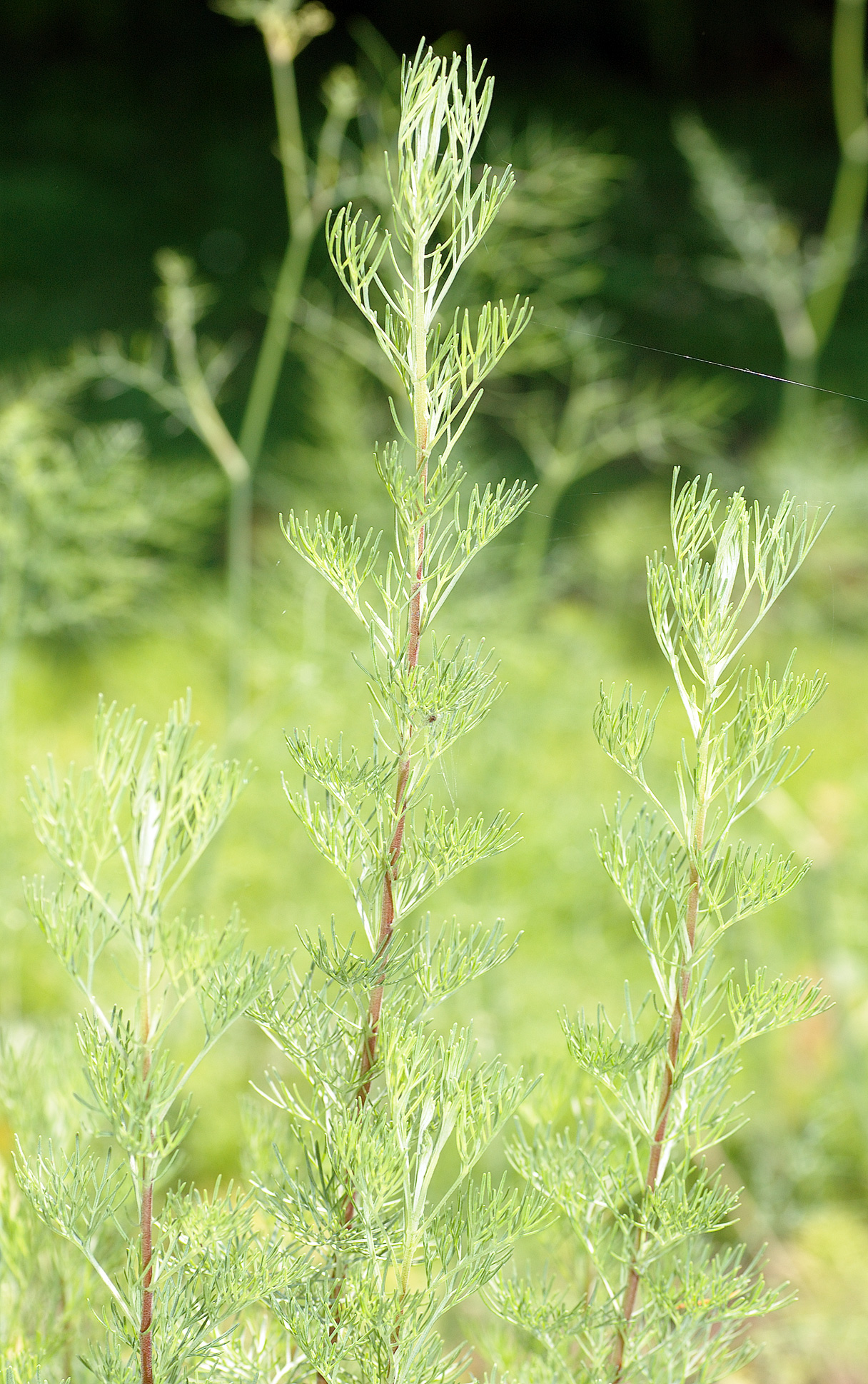
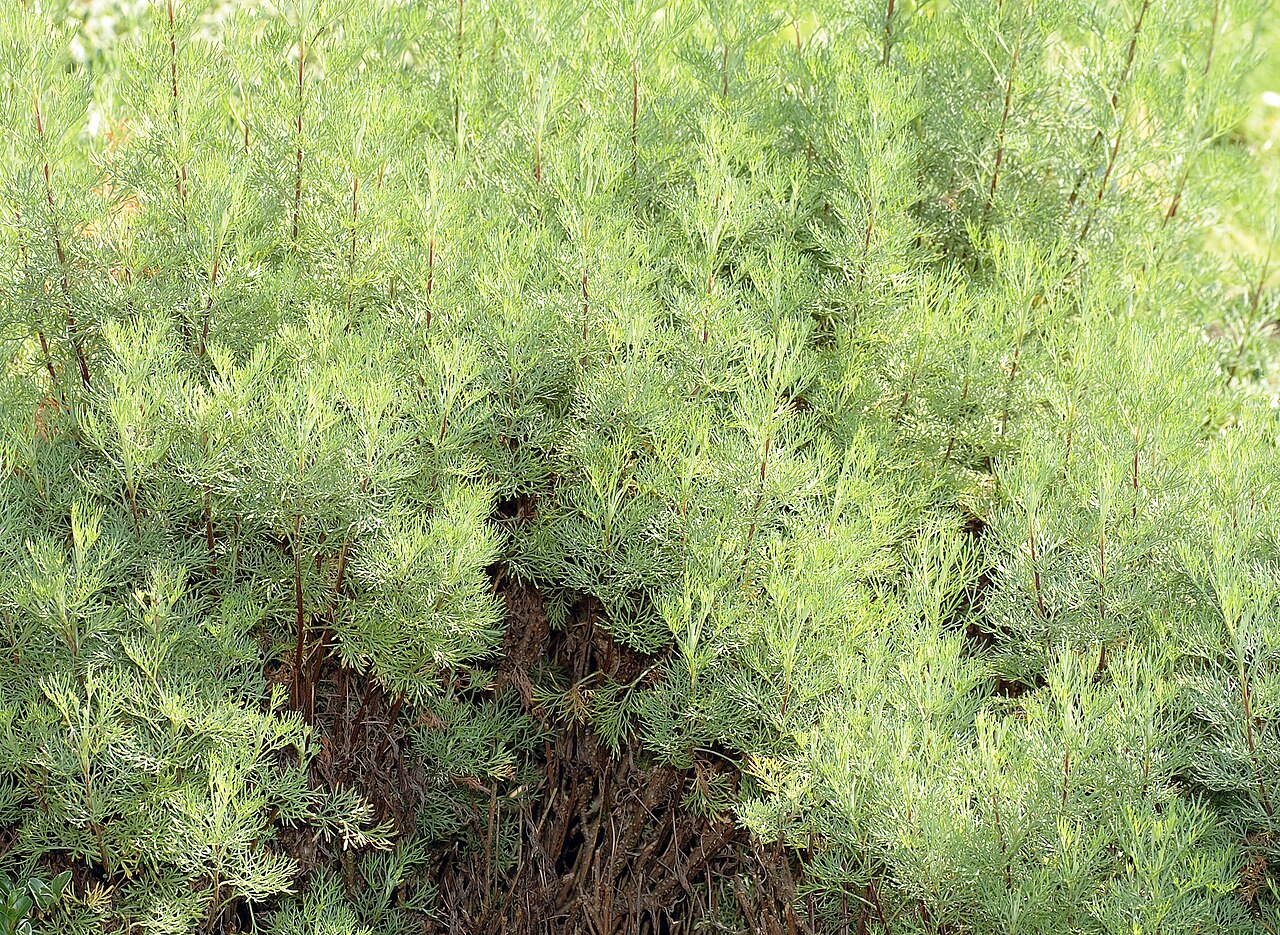
Southernwood is a woody-based, much-branched perennial or small shrub, 3-5 feet tall, with finely divided, soft, gray-green leaves that smell of lemon and camphor when crushed. Start from cuttings in spring or summer — the reliable route, since it flowers late and produces few viable seeds in North America — or from divisions in spring. Plant in full sun and well-drained, average to poor soil; it tolerates a wide pH range and even high elevations, but it hates wet feet. Cut it back hard in spring to keep it dense and feathery rather than woody and bare at the base, and shear lightly after flowering to maintain shape. It is a classic herb-garden hedge and edging plant, fragrant on a warm day, and its dried foliage has traditionally scented closets and drawers.
Water & feeding
Water moderately until established, then water sparingly — southernwood is drought-tolerant once settled and overwatering makes it floppy. It needs no fertilizer; compost at planting is plenty. Mulch with gravel in wet climates to keep the crown dry, and avoid heavy organic mulches that hold winter wet against the woody base.
Common problems
- Woodiness with age — cut back by half in spring and shear after flowering to force fresh, feathery growth.
- Root rot in wet soil — plant in raised beds or gritty soil, especially where winters are wet.
- Flopping in shade or rich soil — grow in full sun and lean soil, and stake or shear tall plants.
- Aphids on young shoots — usually minor; blast with water and the plant’s own aromatic oils deter most pests.
Harvest
Snip leafy stems through the season, cutting the top growth before flowering for the most fragrant foliage, and dry in small bunches in a dark, airy place — dried southernwood keeps its scent for months and is traditionally used for sachets and moth-repelling drawer bundles. This guide sticks to growing and scent: southernwood has traditional herbal uses, but it is an Artemisia with potent compounds, so do not take it internally or dose from a garden blog. Cut the whole plant back in spring for a fresh season of feathery growth.
Browse all plant & pest guides
Propagation
The honest headline: southernwood seed is possible but unreliable, and cuttings and division are the reliable routes. The plant rarely flowers profusely outside its native range, and it produces few viable seeds — one gardening guide puts it plainly: saving seeds for propagation is not a very effective method. So do not plan your southernwood patch around seed.
Cuttings are the go-to method. Take six-inch semi-hardwood cuttings in mid- to late summer, just below a leaf node, and set them in small pots in bright, indirect light, keeping the soil lightly moist; roots and new growth develop in about six weeks. Young-wood cuttings in May and half-ripe cuttings with a heel in July or August also work. Plant out at least four weeks before the first expected frost.
Division is just as reliable: split established clumps every three to four years in spring or fall, making sure each piece has roots and shoots attached. Division also keeps the center of the clump from dying back, which old southernwood does if it is left alone. Every division is a clone of the parent, so the scent and form you love are the scent and form you get.
Seed, for the record, can be surface-sown from late winter to early summer and usually germinates in one to two months at 15°C — but germination is erratic and the seed is scarce, so treat it as a bonus, not a plan. In Florida, southernwood is a zones 5 to 8 shrub that wants sun and sharp drainage; north Florida only, and even there it is a stretch.
Varieties
Every named variety of Southernwood with its own growing guide:
- Leprechaun Southernwood — The compact southernwood: a dense, lemon-scented, chartreuse-leaved selection — the southernwood for small gardens and pots.