
🫐 Squibnocket Beach Plum
What it looks like
Why this variety
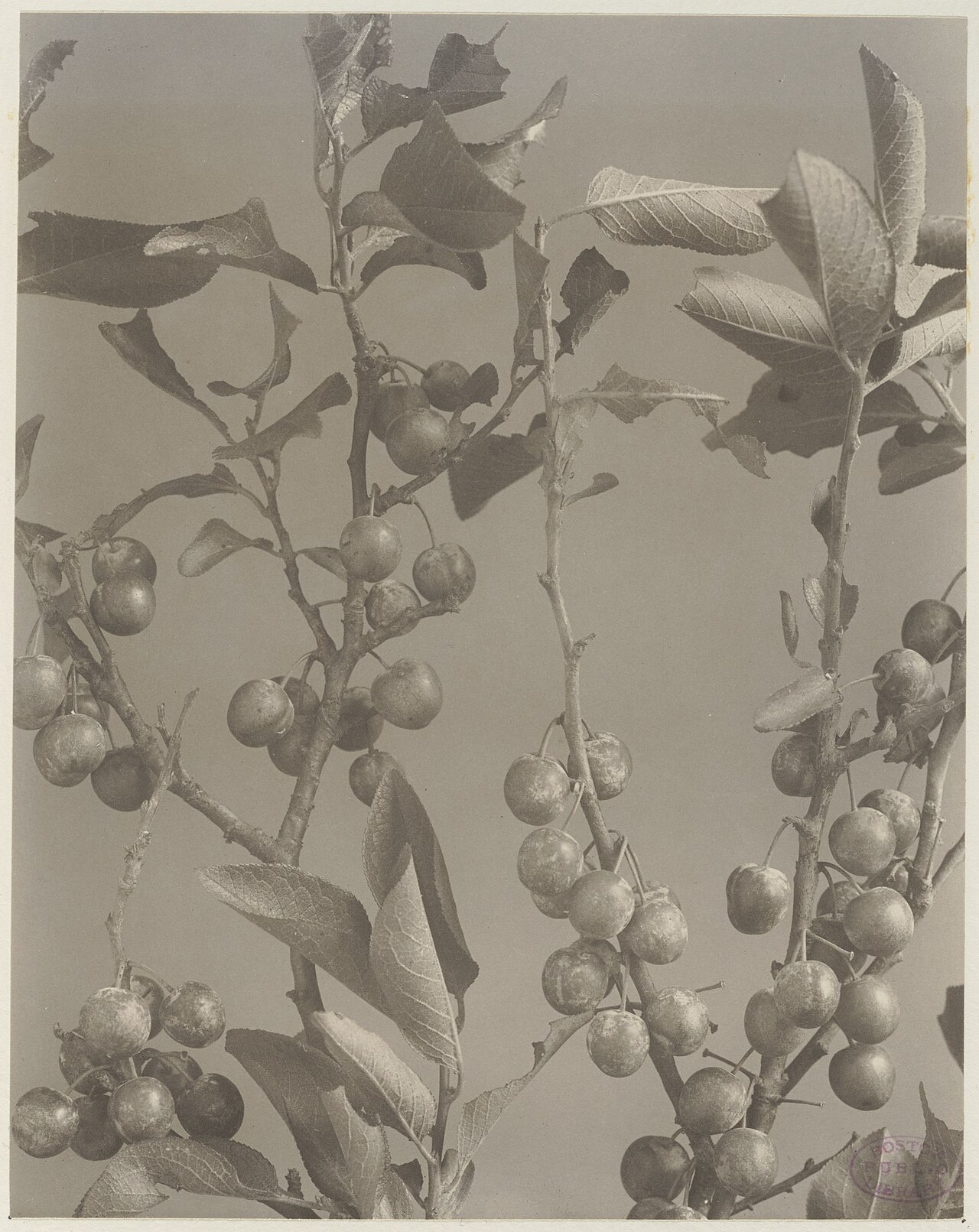
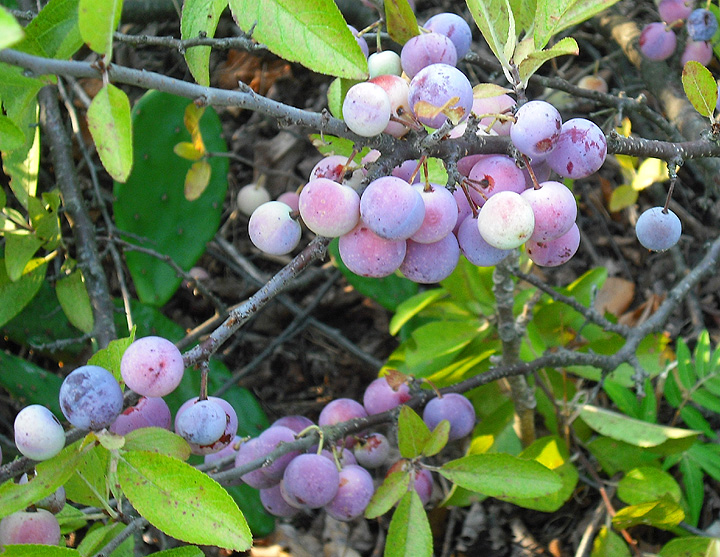
Squibnocket is the beach plum that does two jobs at once: fruit of high quality — sweet-tart, well-flavored, excellent for jam and jelly — on a shrub that is also a good sand binder, holding dunes and coastal banks with roots that laugh at salt spray. It is one of the three classic named beach plum selections, alongside Eastham and Hancock, chosen from wild coastal thickets for fruit quality rather than ornamental flash.
As a shrub, 6–10 feet, Squibnocket fits where trees do not: dune edges, poor sandy banks, coastal gardens, and anywhere the soil is more sand than soil. It suckers into a thicket if you let it, which is a feature on a dune and a maintenance note in a small yard. Plant two selections for the best fruit set, and do not fertilize it into lush weakness — beach plum’s whole trick is being tough.
Florida note, stated plainly: beach plum is a northern coastal shrub, Maine to the mid-Atlantic, zones 3–8. In Florida it is only a far-North trial — most of the state is too warm for reliable fruiting, and this guide says so rather than selling a dune shrub to a subtropical garden. North Florida gardeners with sandy, salty, poor soil have the best (and only honest) shot.
For the species as a whole, see the Beach Plum growing guide.
How to grow
Beach plum is a native shrub plum of the Atlantic coast, from Maine to the mid-Atlantic, that grows in sand dunes and coastal thickets where most fruit plants would give up. Plant in full sun in sandy, well-drained, even poor soil — it thrives on neglect that would starve a pampered plum. It is a shrub, 6–10 feet, not a tree, and it suckers into a thicket if you let it. Plant two different selections for the best fruit set, prune lightly after fruiting, and do not fertilize it into lush weakness: beach plum’s whole trick is being tough.
Plant in full sun in sandy, well-drained soil, plant a second selection nearby for pollination, and resist the urge to pamper it — neglect is its native habitat.
Water & feeding
Water to establish; after that, beach plum tolerates drought, salt spray, and sand that drains like a sieve. Mulch lightly to hold what moisture there is, but do not mulch it into soggy soil — drainage is the point. Feed little or not at all; in rich soil it grows leaves and skips fruit.
Common problems
- Plum curculio and brown rot — clean up fallen fruit and prune for airflow, as with other plums.
- Birds — they fight you for the jam crop; net shrubs at color break if you want the harvest.
- Poor fruit set from a lone shrub — plant two selections that bloom together.
- Heat and humidity south of its range — beach plum is a northern shrub; south of zone 8 it is a trial, not a promise.
Harvest
Pick when fruit colors fully and softens slightly; taste for sweetness, since beach plums range tart to sweet. Eat fresh if sweet, or cook into jam — beach plum jam is the traditional use, and Squibnocket’s quality fruit is why towns on the Atlantic coast built jam reputations on it.
Browse all plant & pest guides
Saving seeds
Squibnocket is the beach plum that does two jobs at once: fruit of high quality — sweet-tart, well-flavored, excellent for jam and jelly — on a shrub that is also a good sand binder, holding dunes and coastal banks with roots that laugh at salt spray. It is one of the three classic named beach plum selections, alongside Eastham and Hancock, chosen from wild coastal thickets for fruit quality rather than ornamental flash. As a named beach plum it is kept true by cuttings or grafting, not by seed — beach plum is a native shrub plum of the Atlantic coast, from Maine to the mid-Atlantic, that grows in sand dunes and coastal thickets where most fruit plants would give up. Plant in full sun in sandy, well-drained, even poor soil — it thrives on neglect that would starve a pampered plum. It is a shrub, 6–10 feet, not a tree, and it suckers into a thicket if you let it. Plant two different selections for the best fruit set, prune lightly after fruiting, and do not fertilize it into lush weakness: beach plum’s whole trick is being tough. The full method is in the Saving seeds section of the Beach Plum guide.