
⭐ Star Apple
What it looks like
How to grow
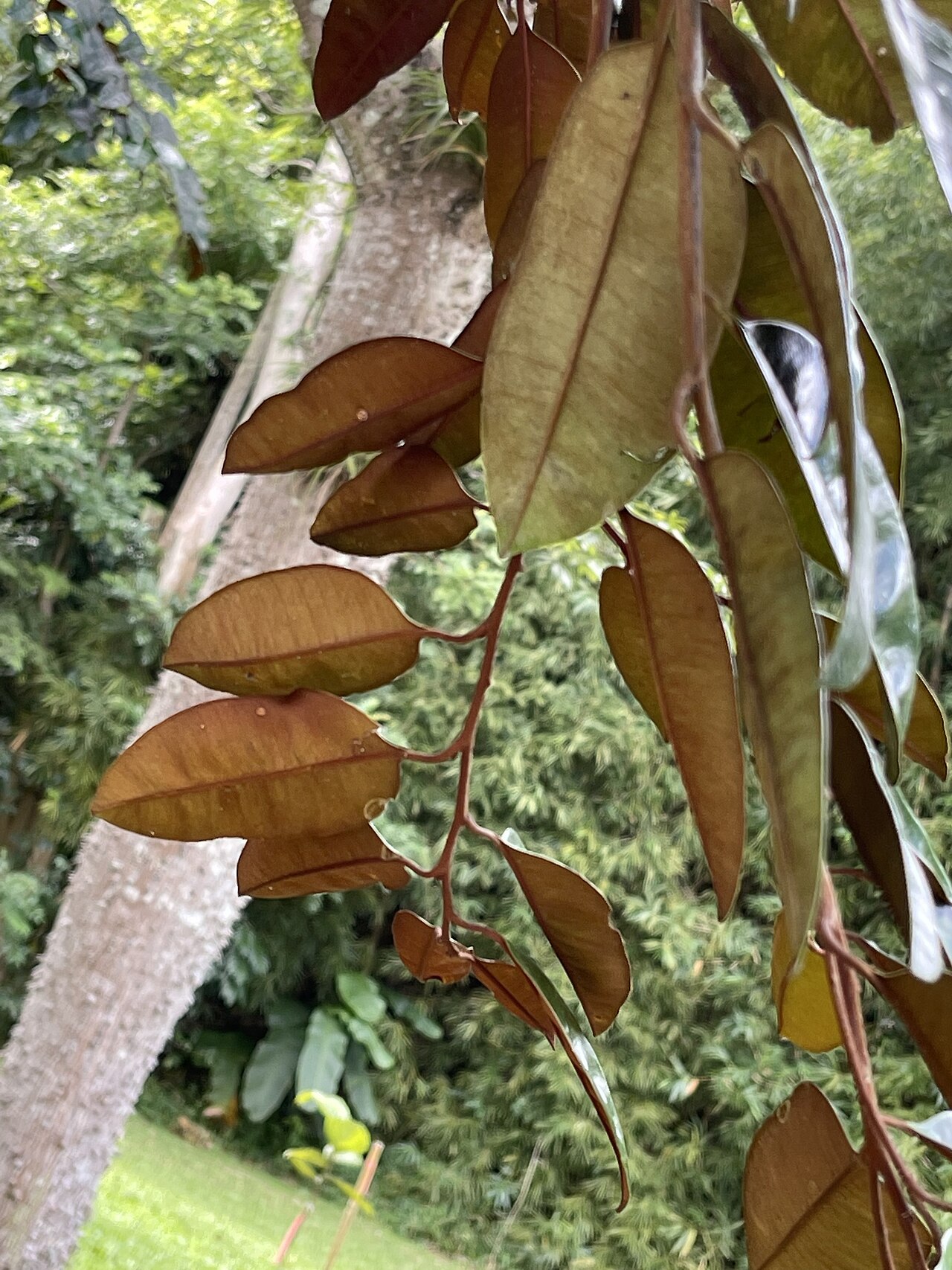
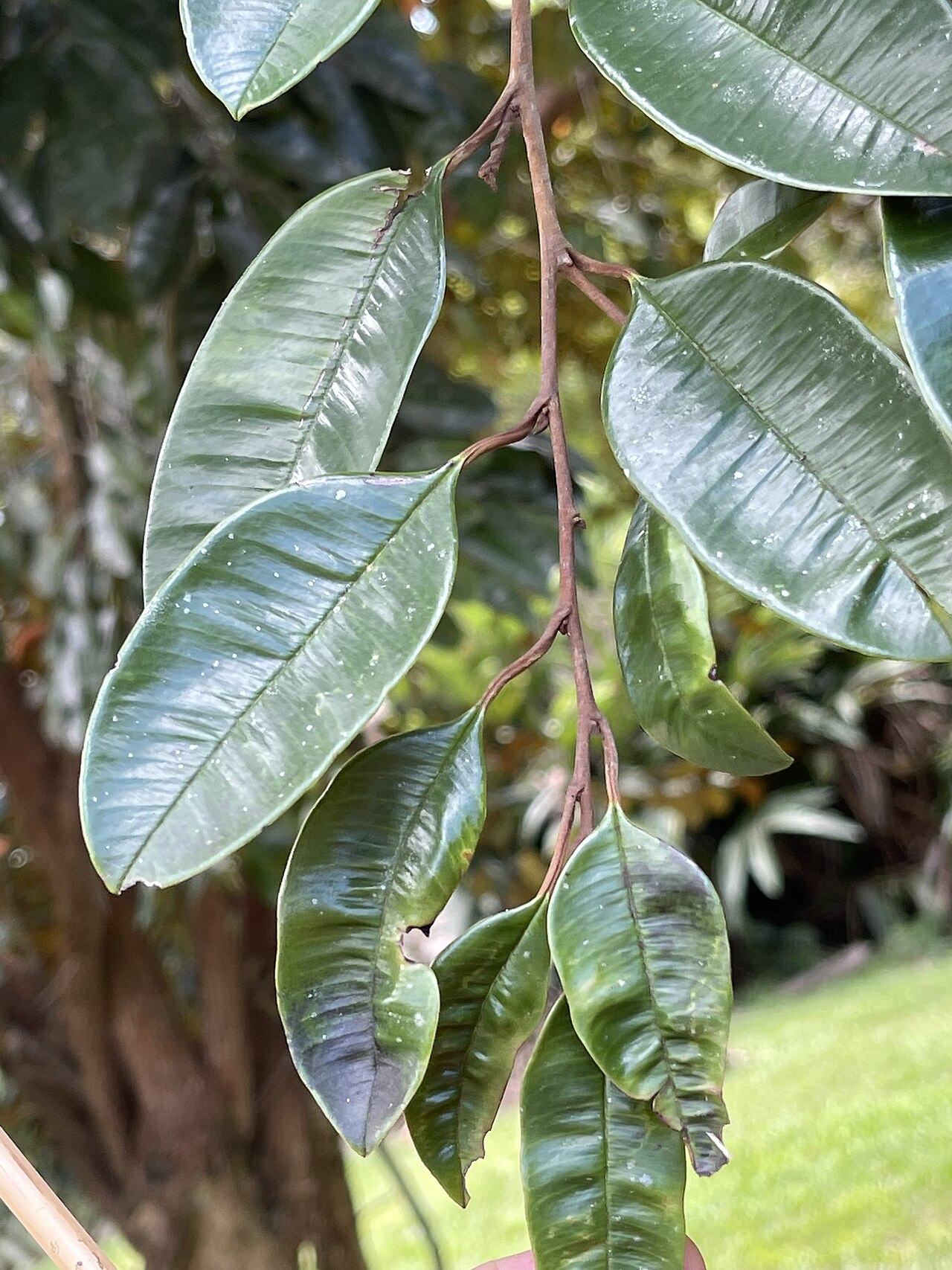
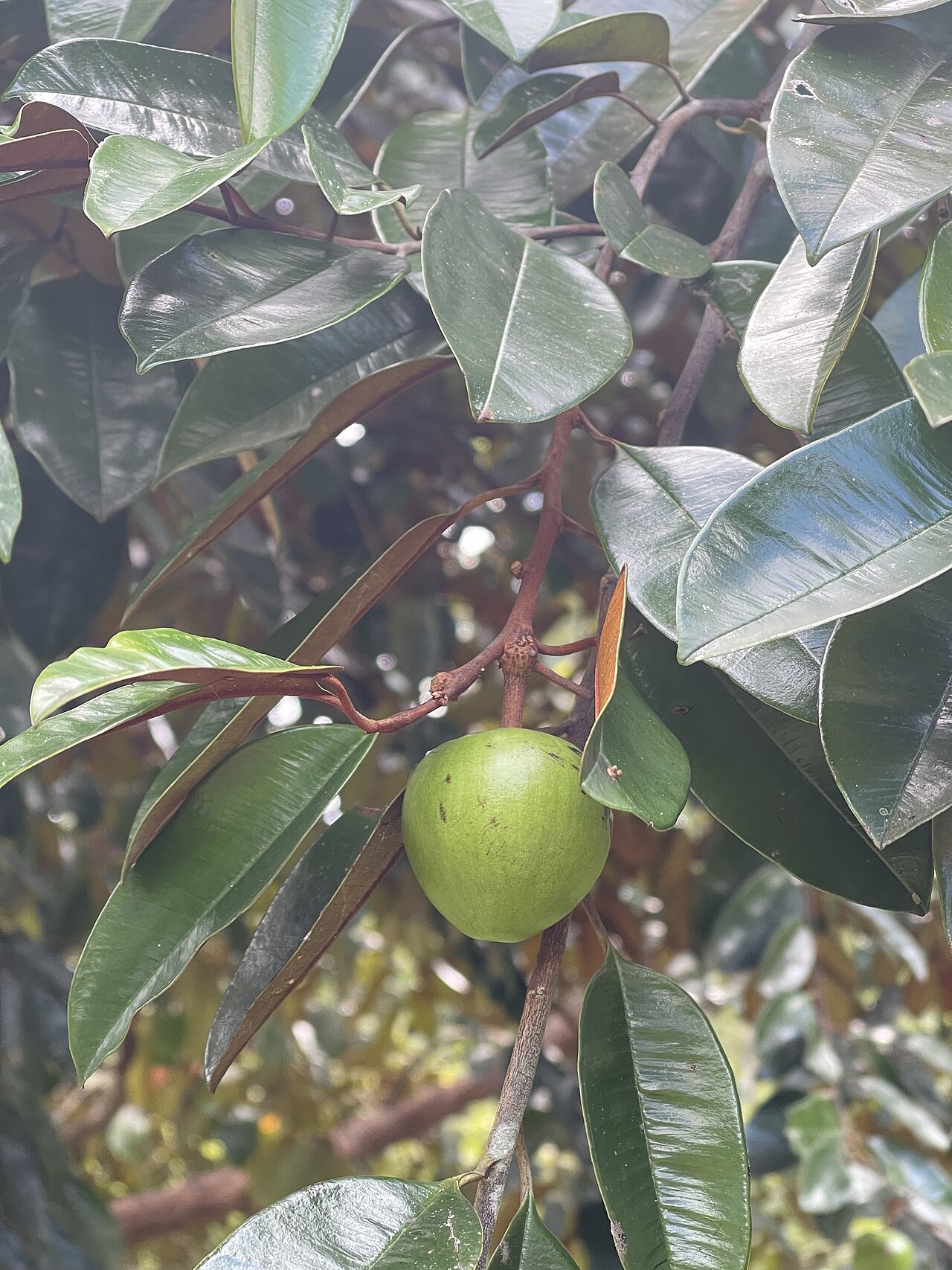
Star apple, also called caimito, is a beautiful tropical tree with glossy green leaves backed in gold-brown, and round fruit in purple or green that, cut across, reveals a star-shaped pattern of seeds. The flesh is sweet, milky, and delicately perfumed, eaten fresh with a spoon. Grow it in full sun in fertile, well-drained, slightly acidic soil in zones 10-11, in south Florida and Hawaii; it is frost-tender and wants warmth and steady moisture. Buy a grafted tree for reliable fruit quality and earlier bearing — seedlings vary and take years. Prune young trees for structure, then let this handsome tree grow; it can reach 30 feet or more, so site it as a landscape tree, not a shrub.
Water & feeding
Water deeply and regularly while young and while fruit swells; established trees tolerate brief dry spells but fruit better with steady moisture. Mulch to hold moisture. Feed several times a year with a balanced fertilizer or compost.
Common problems
- Frost — the hard limit; warm microclimates only.
- Fruit flies and birds — pick promptly and net if needed.
- Large size — site with room for a real tree, not against a house.
- Seedling variability — buy grafted selections for predictable sweetness.
Harvest
Pick when fruit softens slightly and colors fully, purple or green by variety; do not pick hard and hope, since star apple does not improve much off the tree. Cut across to reveal the star, scoop the flesh, and eat fresh — the rind and unripe flesh are astringent and are not eaten. Chill before serving for the best flavor.
Browse all plant & pest guides
Saving seeds
Star apple seed comes with a deadline: it is recalcitrant, and it does not wait. Clean the pulp off the seed, rinse it, and sow it the same day or within a few days — seed that dries out is dead seed, and seed stored for weeks is mostly dead too. Sow in a warm, moist mix at 75 to 85°F, about an inch deep, and germination usually comes in two to four weeks.
Save seed from fully ripe fruit — the sweetest, most fragrant star apple on a healthy tree — and sow more than you need, since germination is uneven. Seedlings vary in fruit quality and in whether the flesh turns out green or purple, and the only way to lock in a named type is grafting. Seed is for the adventure, and star apple is worth the gamble.
Young seedlings are tender and need shade for the first year, so keep them out of direct sun and sheltered from wind and cold. Growth after germination is steady, and the tree starts fruiting five to eight years after sowing in a warm climate.
In Florida, star apple is a warm-climate fruit for zones 10 to 11, happiest in the southern part of the state in a sheltered, frost-free spot. Start seedlings in pots, keep them warm through winter, and plant them out only when the weather is reliably warm — a single cold night can undo a year of growth.
Varieties
Every named variety of Star Apple with its own growing guide:
- Blanco Star Star Apple — The green star: pale green-gold fruit with sweet, liquid flesh, the gentler, juicier caimito.
- Haitian Star Star Apple — The purple star: dark purple fruit with sweet, milky flesh, the most widely grown star apple in South Florida.