
💜 Statice
What it looks like
How to grow
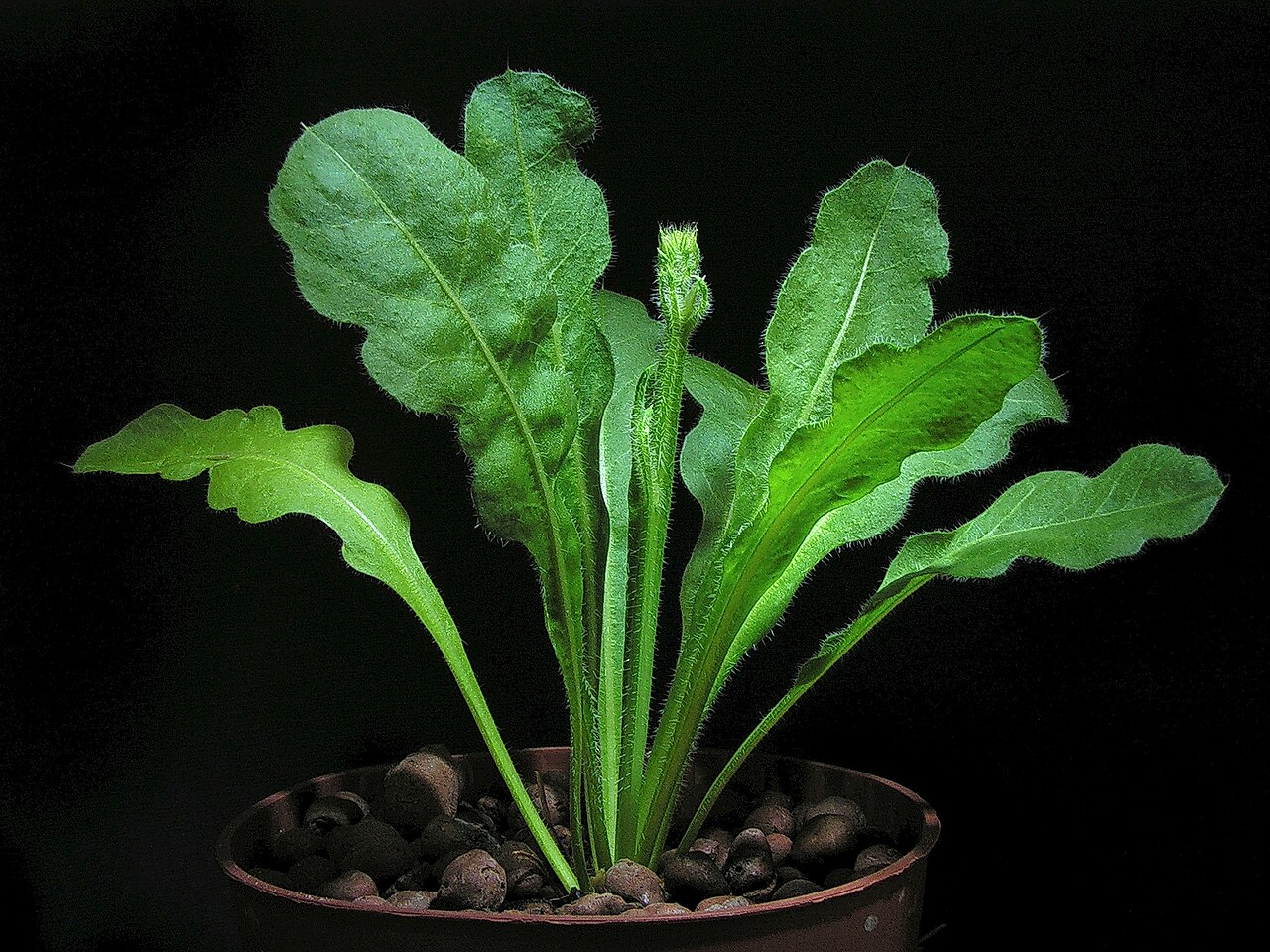
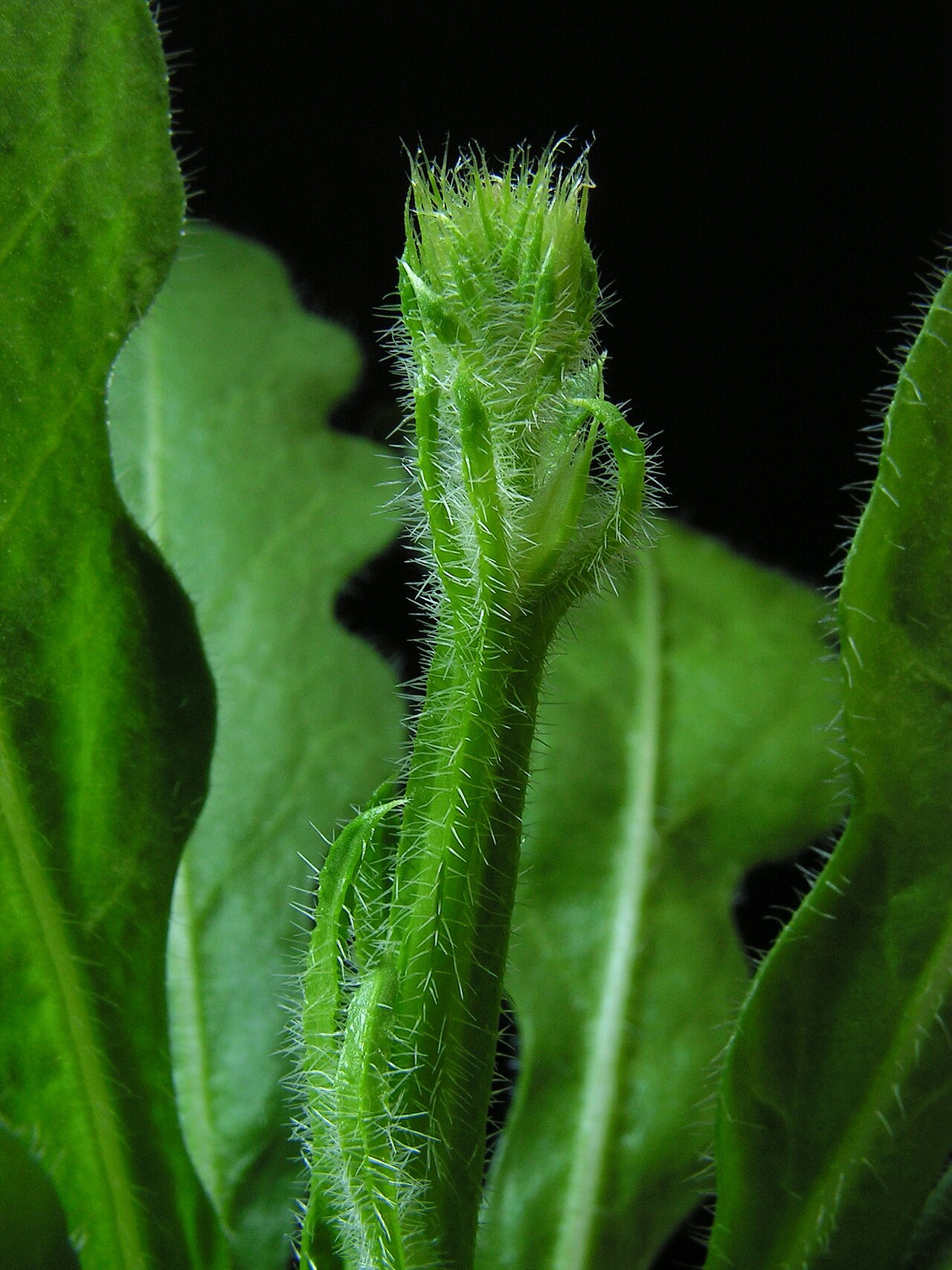
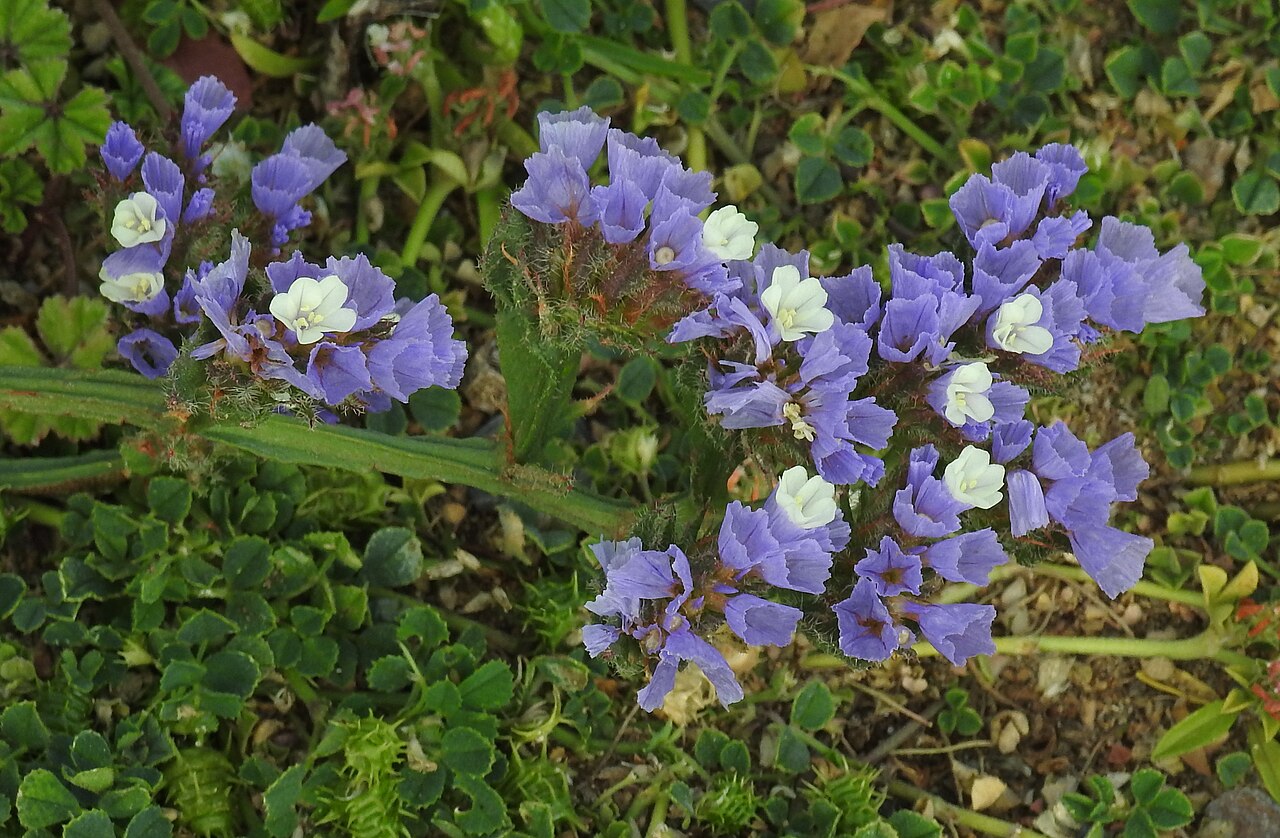
Statice, or sea lavender, is a cut-flower annual, 18–24 inches tall, with wiry, winged stems topped by clusters of small papery flowers in purple, pink, white, yellow, or blue — the color is in the papery calyx, which is why statice dries so perfectly and holds its color for years. Plant after last frost in full sun and well-drained, even sandy or poor soil; statice tolerates salt and drought and dislikes rich, wet soil. Space 12–24 inches apart. It blooms from summer to fall, and it is a workhorse of dried arrangements, often paired with strawflower. Note: perennial sea lavenders (Limonium latifolium and others) are different plants with similar flowers and a perennial habit in zones 4–9 — this guide covers the annual cut-flower statice most gardeners grow from seed.
Water & feeding
Water until established, then water sparingly; statice is drought-tolerant and rots in wet soil. Feed lightly if at all — lean soil suits it. Do not overwater.
Common problems
- Crown rot in wet soil — drainage is essential; plant high in heavy soil.
- Weak stems in shade — give full sun.
- Few pests — generally trouble-free.
- Short bloom if sown late — start seed indoors 6–8 weeks before last frost for earlier flowers.
Harvest
Cut stems for drying when most flowers on a stem are open, and hang bunches upside down in a dry, airy place — statice dries in about two weeks and holds color for a year or more. Deadhead spent stems to encourage more bloom. For fresh bouquets, cut when clusters are fully colored.
Browse all plant & pest guides
Saving seeds
Statice is easy seed. Let the flower heads ripen on the plant until they are dry and papery, then strip the seed into a paper bag. Sow on the surface of moist mix and do not bury the seed at all — it needs light to germinate. Keep it warm, and germination usually comes in one to two weeks. No cold treatment is needed.
It self-seeds lightly, so deadhead if you do not want volunteers, or let a few plants go and see what comes up. Save from the plants with the best color — the deepest blues and purples, the clearest pinks — and dry the seed thoroughly before storing; it keeps a few years in a cool, dry jar.
Seedlings will vary in color, since statice crosses freely, so if you want a pure color, grow only one variety for seed. Sow more than you need, since the seed is fine and germination is uneven, and prick out seedlings once they are big enough to handle.
In Florida, statice is a cool-season flower for fall through spring, happiest in full sun and well-drained soil. It is the classic dried flower — cut the stems when the flowers are fully open and hang them upside down in a dark, dry place — and a plant grown from your own seed dries just as well as one grown from a packet.
Varieties
Every named variety of Statice with its own growing guide:
- Forever Gold Statice — The golden statice: dense spikes of bright yellow papery flowers — the everlasting that dries as beautifully as it blooms.
- QIS Dark Blue Statice — The deep blue statice: rich, dark-blue papery blooms on uniform, strong stems — the florist's blue, bred for cutting.