
🌿 Stinging Nettle
What it looks like
How to grow
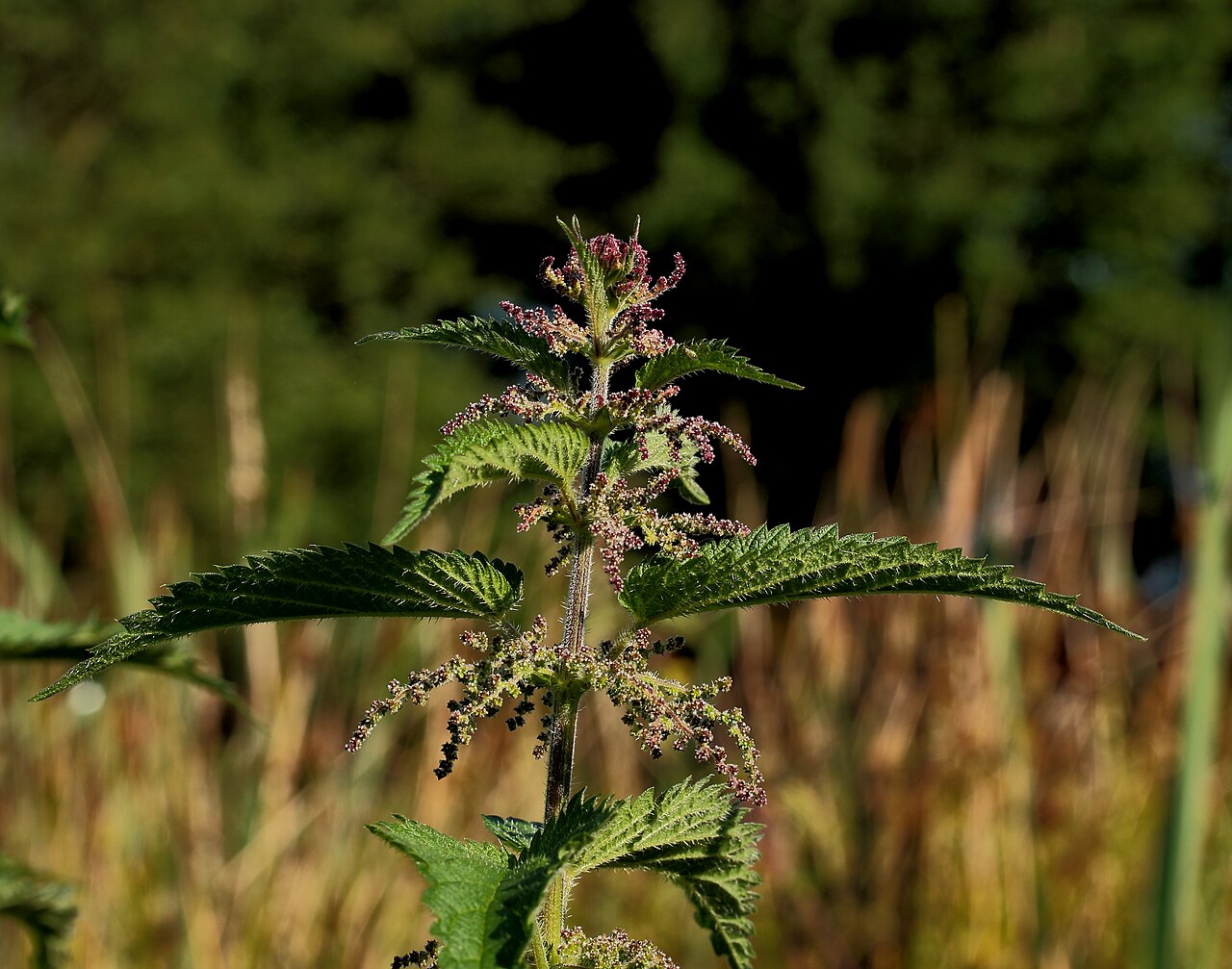
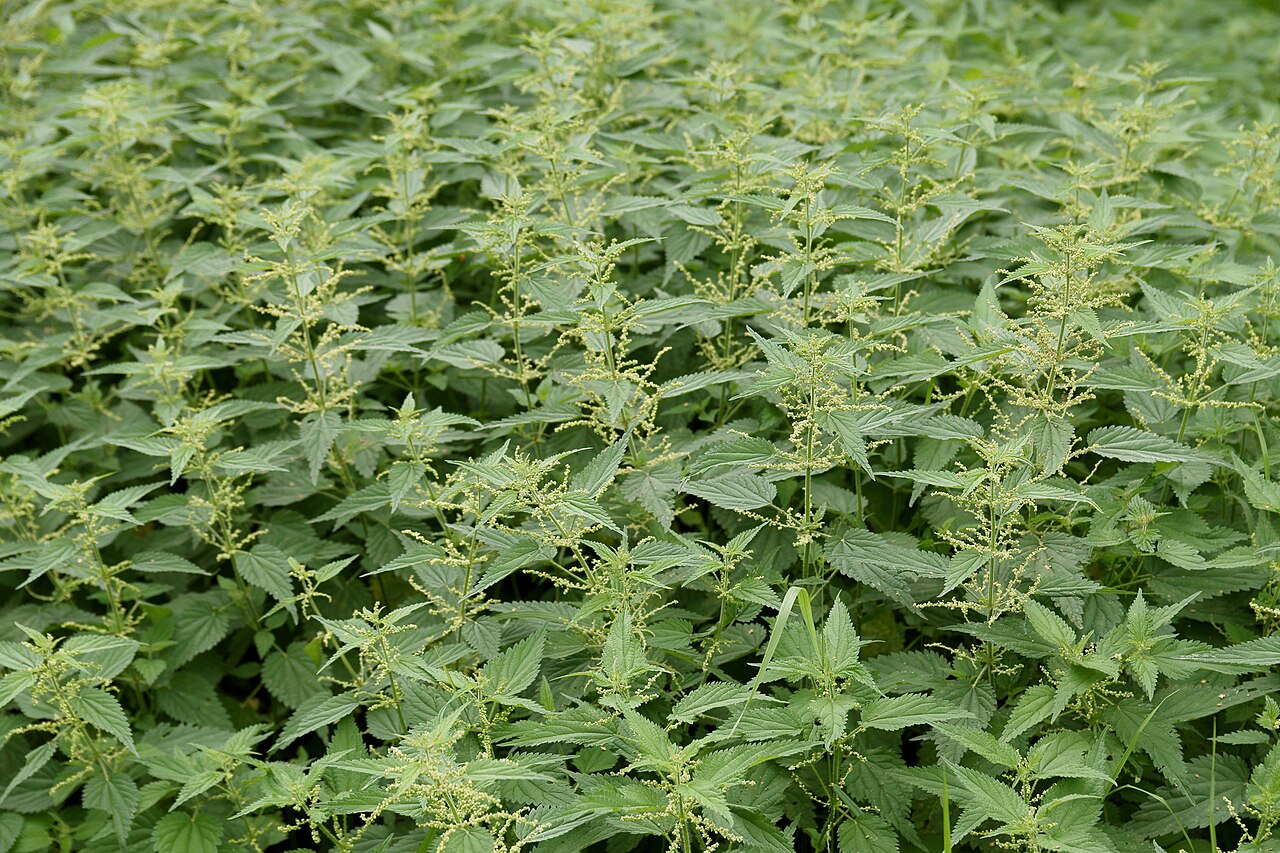
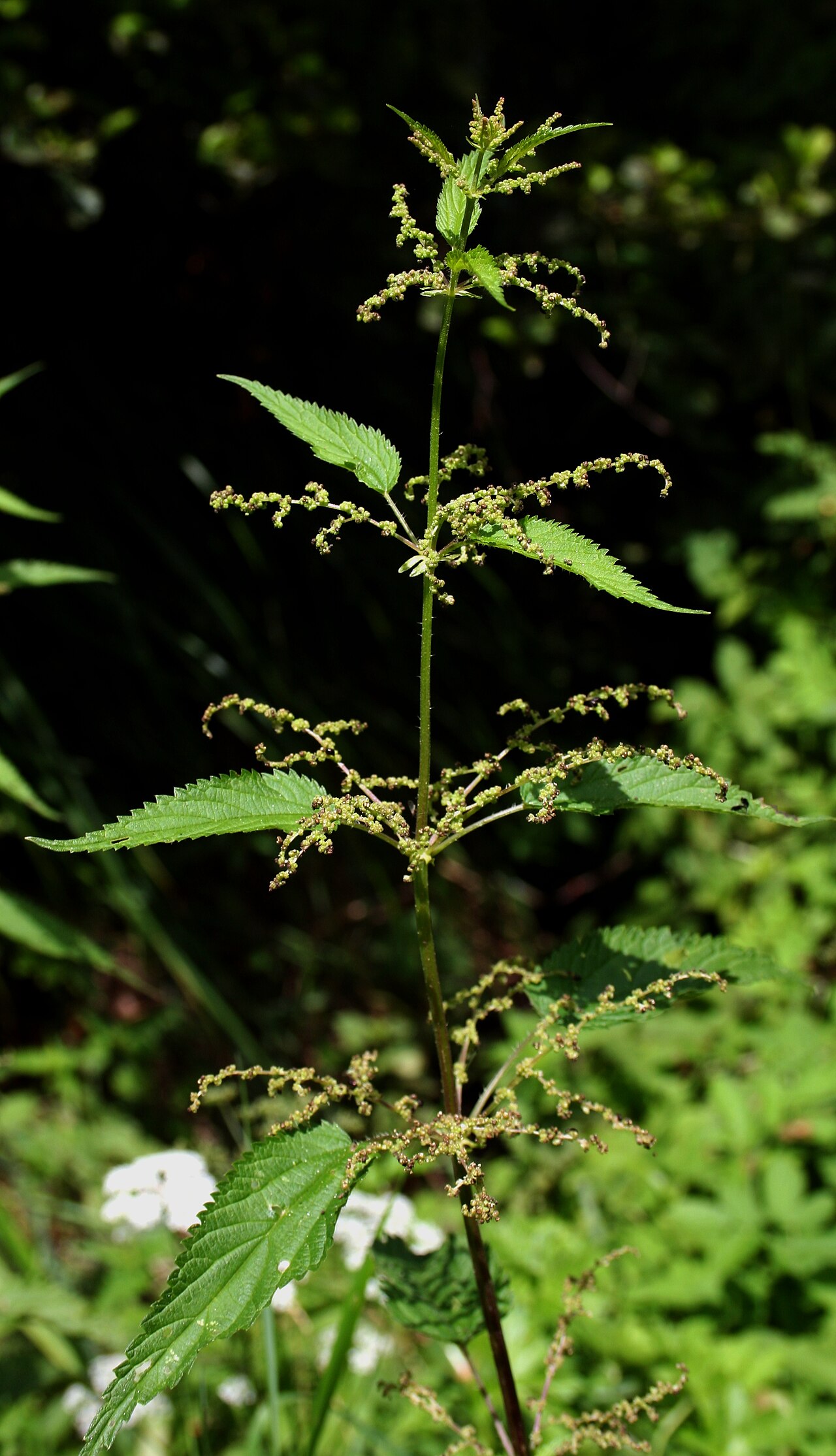
Stinging nettle is a tall, spreading perennial, 3-6 feet, with serrated, heart-shaped leaves covered in tiny stinging hairs that inject formic acid and histamine on contact — which is why you grow it with gloves, long sleeves, and a plan. Start from divisions or root pieces in spring — the reliable route, since seed is tiny and slow — or from seed sown in fall, and plant in part shade to sun in rich, moist, nitrogen-loving soil: nettles are indicator plants for fertile ground, and they thrive where compost, manure, or old garden beds have enriched the soil. Give it a contained bed with a root barrier or a large pot, because it spreads aggressively by rhizomes and by seed, and a nettle patch left alone becomes a nettle territory. Bees and butterflies use it, and it makes superb compost material, so a contained patch earns its keep even if you never cook a leaf.
Water & feeding
Keep soil consistently moist — nettle is a lush, leafy plant that wilts in drought and grows fastest with steady water. Feed with compost or manure in spring; nettle is a hungry plant and rewards fertility with the tenderest growth. Mulch to hold moisture, and cut the patch back hard several times a season to force fresh, tender regrowth — old, flowering stems are tough and stingier.
Common problems
- Stings — the main hazard. Wear thick gloves, long sleeves, and eye protection when cutting; wash skin with soap and water if stung, and avoid rubbing the area.
- Spreading by rhizomes and seed — root barriers, pots, and cutting before seed ripens are the only controls that work.
- Tough, fibrous old growth — cut back regularly for tender young leaves, and compost old stems rather than cooking them.
- Aphids on young shoots — usually minor; blast with water and the plant outgrows it, or let ladybugs handle it.
Harvest
Snip young top leaves in spring, wearing gloves, before plants flower — these are the tenderest and least fibrous. Rinse well, then cook them: heat destroys the sting completely, which is why nettles have been eaten as a cooked green for centuries and must never be eaten raw. Dry leaves for tea traditions only with qualified guidance, since this guide is about growing, not dosing. Cut the patch back after harvesting to force a second flush, and compost trimmings rather than letting them seed. Keep children and pets away from the patch, and label it clearly — a nettle patch should never surprise anyone.
Browse all plant & pest guides
Saving seeds
The sting comes first: wear gloves and long sleeves, because every part of this plant stings, including the seed heads. Stinging nettle defends itself with tiny hollow hairs that inject formic acid and histamine, and the sting lasts for hours. Collect seed with gloves on, and do not handle the plant bare-handed at any stage.
Let the flower clusters ripen until they are dry and brown, then strip the tiny seed into a paper bag — gloves on. Sow on the surface of moist mix, because the seed needs light, and keep it warm; germination usually comes in two to three weeks. You can also sow in fall outdoors and let winter do the work, or start it in pots in spring.
Nettle self-seeds freely and spreads by runners, so give it a contained spot and deadhead if you do not want a patch of it everywhere. A patch you planted on purpose is a spring green and a butterfly host; a patch you ignored is a sting waiting to happen.
And the Florida honesty: stinging nettle wants cool, moist soil and a real winter, for zones 3 to 9, so it is marginal here — north Florida only, in a damp, shady spot, and even there it is a stretch. In most of Florida, the nettles you meet are cousins, not this one.
Varieties
Every named variety of Stinging Nettle with its own growing guide:
- Less Sting Stinging Nettle — The nearly stingless nettle selection — leaves almost free of stinging hairs, so you can harvest with far less armor.