
🍓 Strawberry Spinach
What it looks like
Why this variety
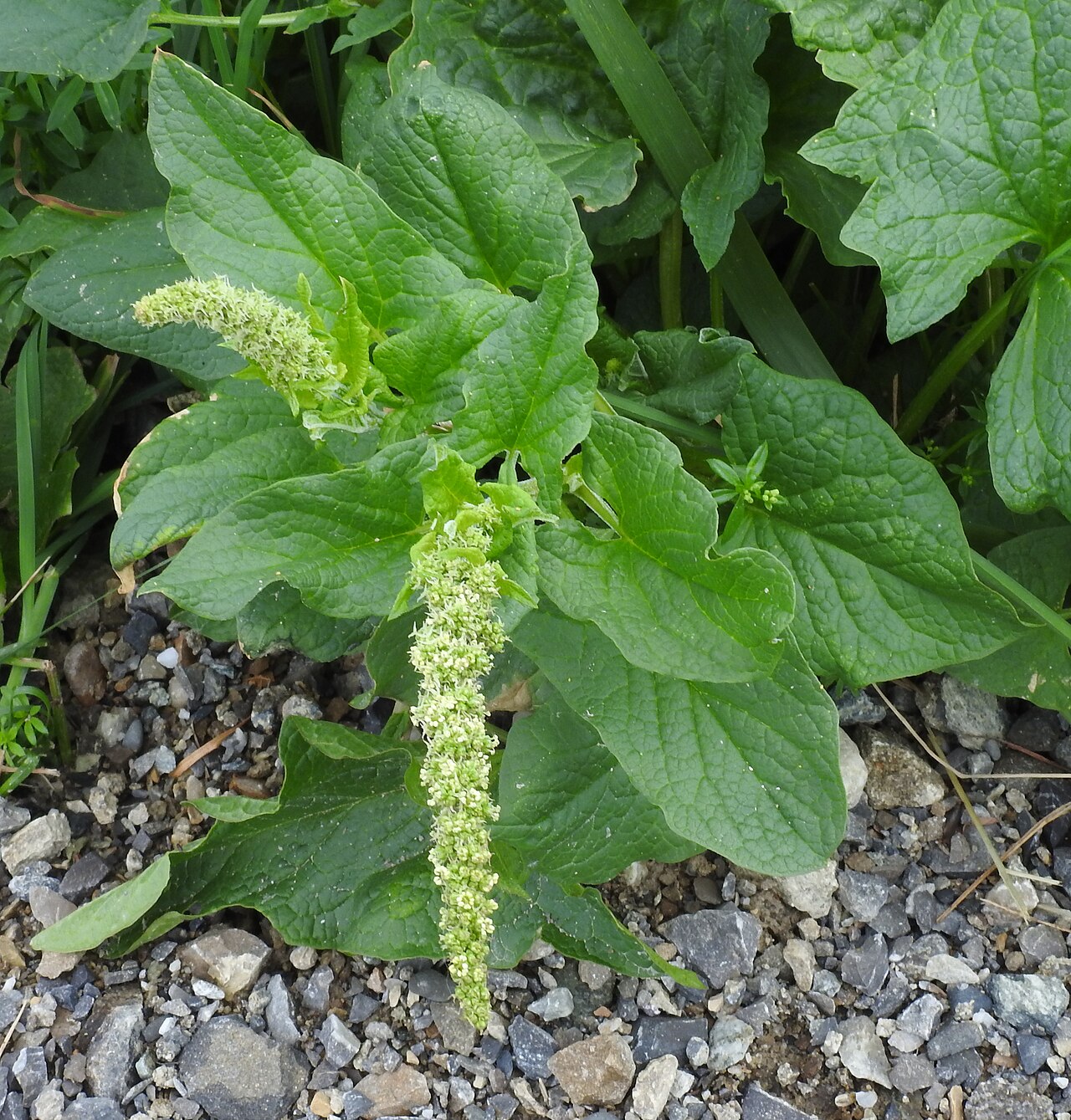
Strawberry spinach is two harvests in one plant, and neither is what the name promises: the leaves are not strawberry-flavored and the berries are not strawberries — they are fleshy red seed clusters that look like tiny strawberries or mulberries, sitting in the leaf axils like ornaments. The leaves taste like a nuttier, richer spinach, and the berries are mild and sweet enough to toss into salads for color.
It has been grown in Europe for centuries as a heritage curiosity, and it is easy to see why it survived: compact plants about 18 inches tall, triangular toothed leaves, tender shoots for salads or steaming, and a second crop of berries that makes the bed look decorated. Eat the leaves young and the berries fully red — and eat both in moderation, like other goosefoot greens, which carry oxalates.
How to grow
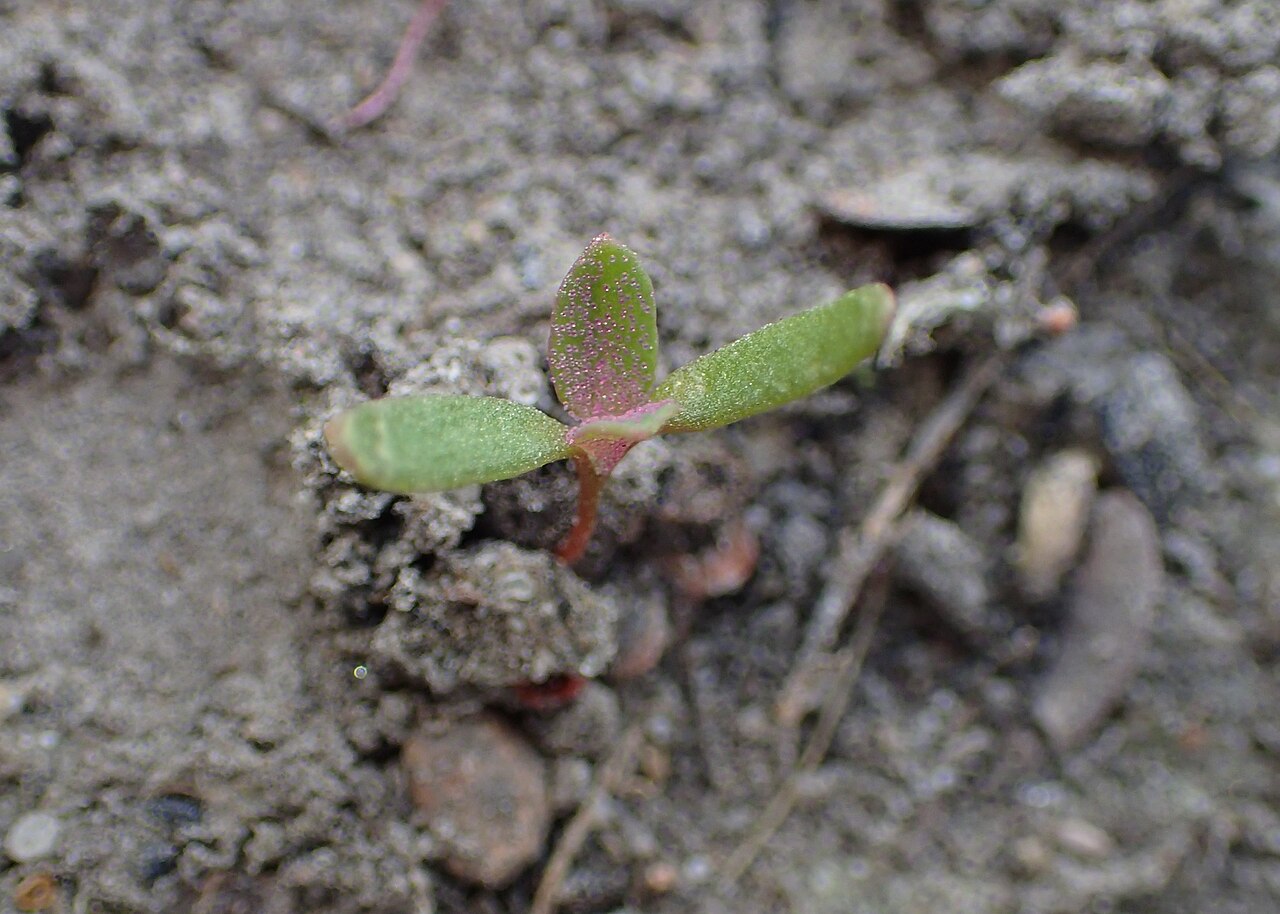
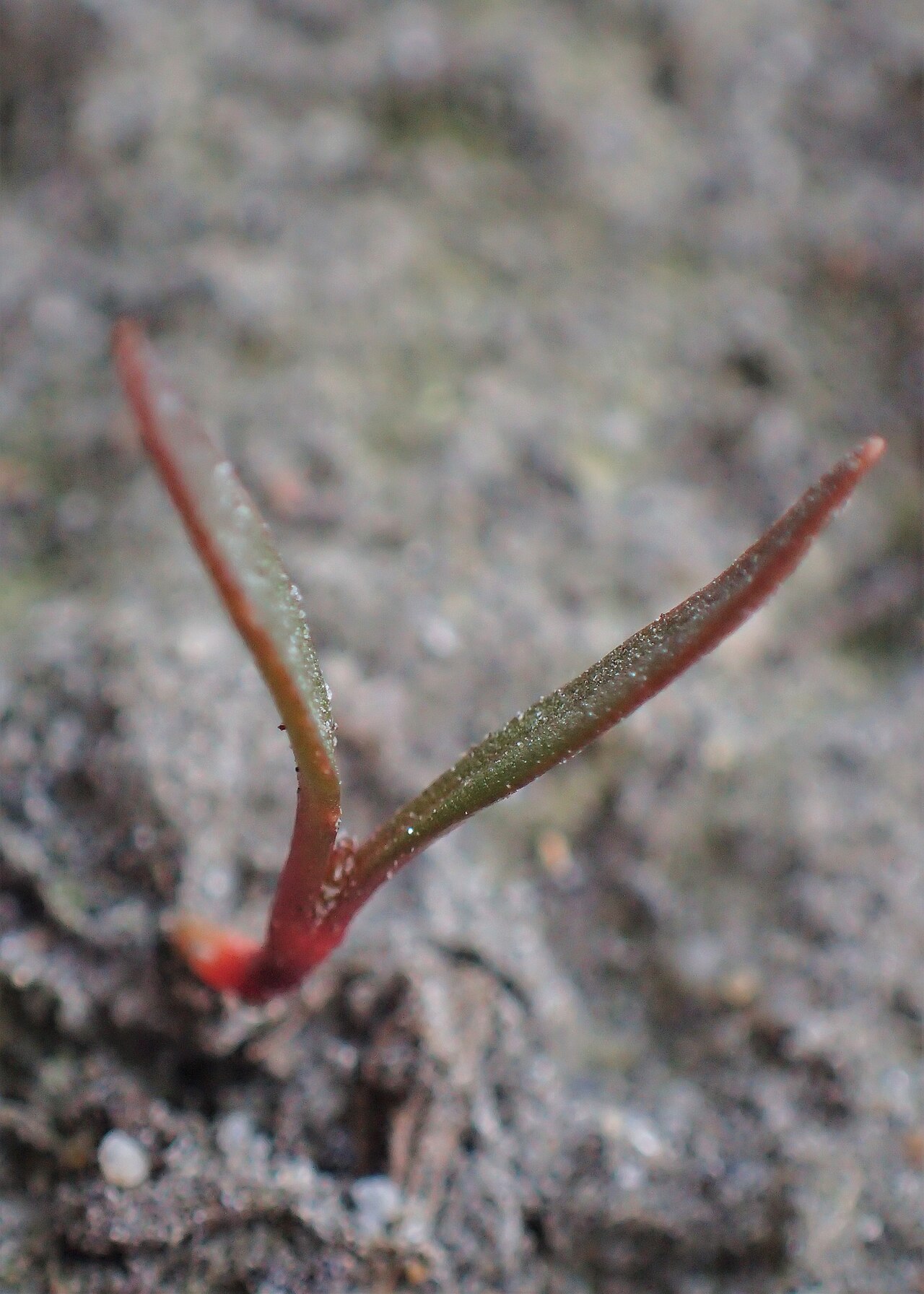
Sow directly outdoors in cool weather, 2–3 weeks before the last expected frost in cool climates, or in fall in Florida. Seeds germinate in 10–15 days when soil is 50–80°F. Thin to 8–12 inches apart. Plants prefer cool to moderate temperatures, 50–75°F, and keep producing leaves into early summer before heat slows them.
In Florida, sow in fall for a winter and spring harvest, and let the plants finish before summer heat arrives — strawberry spinach bolts above about 85°F. Give it sun to part shade and rich, moist soil, and do not let it dry out while leaves are forming.
Water & feeding
Water steadily — about an inch a week — and mulch to hold moisture. Leaves turn tough and bitter when drought-stressed, and the berries need steady water to swell and color. Feed lightly with compost at planting; heavy feeding makes leafy plants with fewer berries.
Common problems
- Self-seeding — if the berries are left, plants reseed vigorously. Harvest berries or pull plants at season’s end if you do not want volunteers.
- Heat and bolting — leaves get bitter and sparse once plants bolt. Plant for the cool season and harvest leaves before flowering for the best flavor.
- Aphids — clusters on young growth. Blast with water or use insecticidal soap.
- Slugs and snails — ragged holes after rain. Beer traps and morning patrols.
- Leaf miners — pale trails in leaves. Remove affected leaves; healthy plants outgrow light damage.
Harvest
Pick young leaves from about 45 days, taking outer leaves first and leaving the center to keep growing. Leaves are best before flowering. Harvest berries when fully deep red and slightly soft — they detach easily at that stage — and use them promptly, as they do not keep long. After berries are harvested, plants are finished; pull them and compost.
Browse all plant & pest guides
Saving seeds
Strawberry spinach is easy seed with a built-in container: the berries. Let the red berries ripen on the plant until they are soft and fully colored, then pick them and crush them gently in water — the seed sinks, the pulp floats, and you pour the pulp off. Dry the seed thoroughly before storing; it keeps a few years in a cool, dry jar.
Sow in spring in moist soil, barely covered, and keep it warm — germination usually comes in one to two weeks. No cold treatment is needed. You can also direct-sow where you want it and let it come up on its own, or let the berries fall and self-seed.
It self-seeds freely, so deadhead the berries if you do not want a patch of it everywhere, or let it go and pull the volunteers you do not want. Save from the plants with the best berries — the reddest, the sweetest — and sow more than you need, since germination is good but not total.
In Florida, strawberry spinach is a cool-season green for fall through spring, happiest in north and central Florida with moist soil and part shade. It bolts fast in the heat, so sow in fall for the longest harvest, and let a few plants go to berry in spring to stock next year’s bed.