
🥔 Sunset Oca
What it looks like

Why this variety
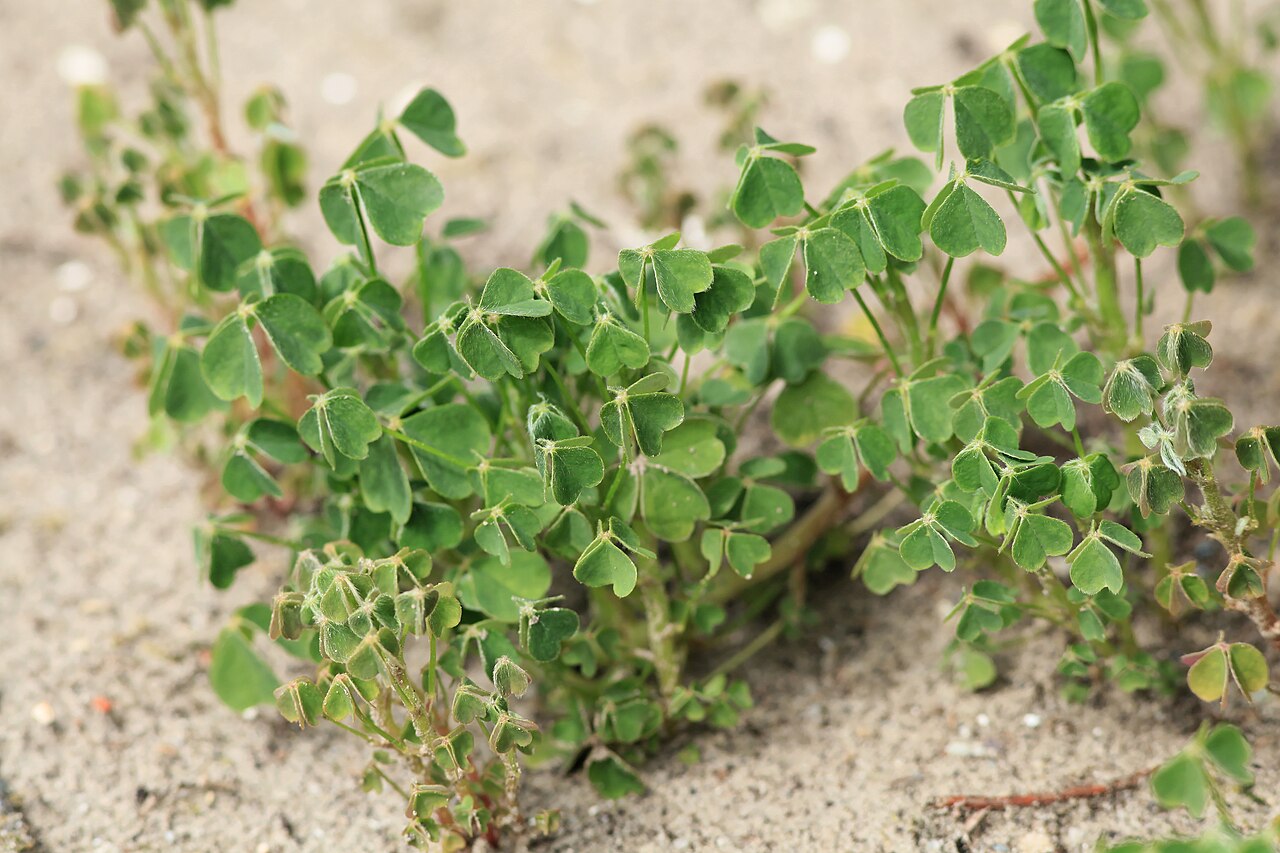
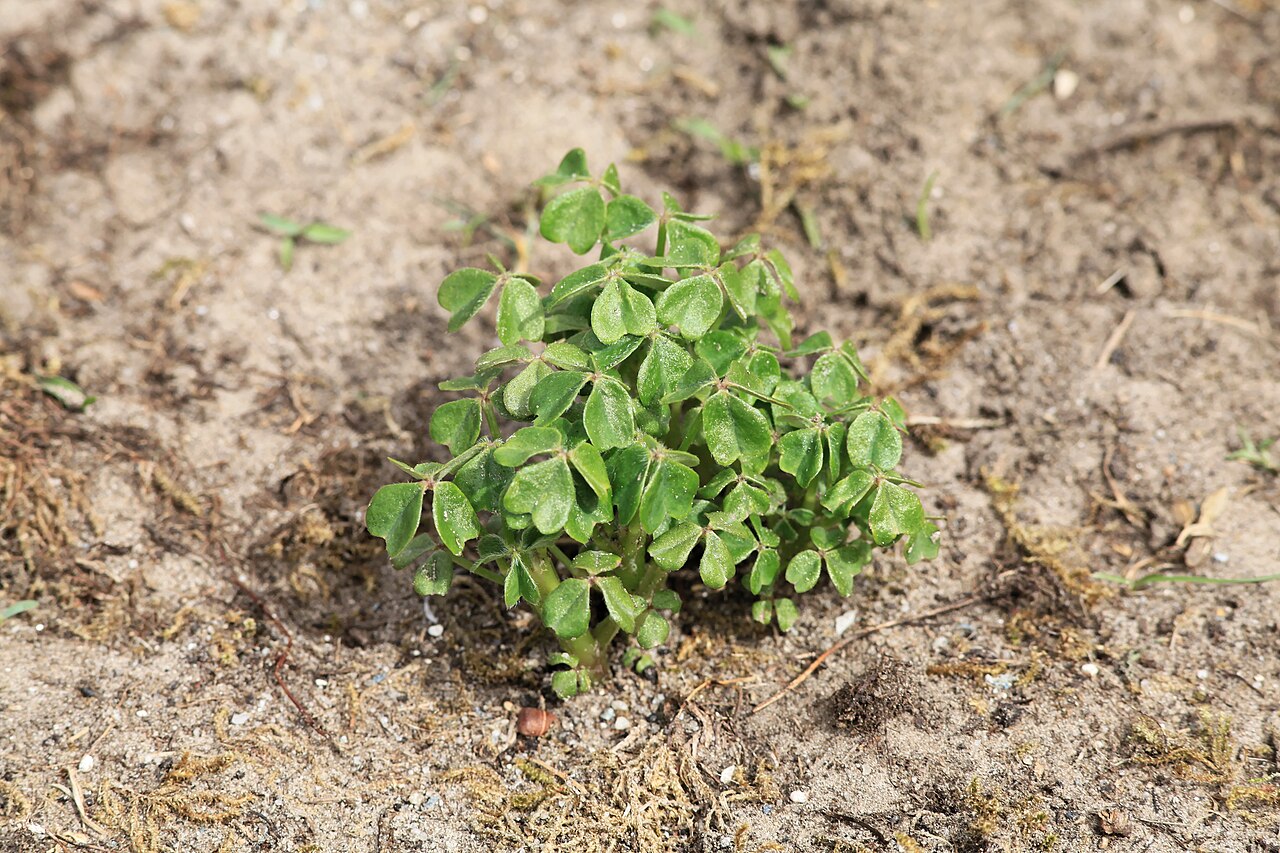
Sunset is the oca to plant if you want a harvest you can actually brag about: it is widely reported as the heaviest-yielding oca available in North America, with plants that can push past two pounds of tubers each, and it starts forming tubers about two weeks earlier than most other varieties. The tubers are yellowish-orange with red eyes, and once they have had a few days in the sun, the flavor turns carrot-sweet with almost no tartness — the kind of tuber that makes people ask what it is and then ask for seconds.
Sunset is also a vigorous, early sprouter with green stems and foliage, which matters in a trial crop: a plant that gets going fast in spring has more summer to build the leafy canopy that feeds the fall tuber crop. Pair it with another variety for the best chance of flowers and seed, and treat the first season as a learning year — save the biggest tubers for replanting, and the patch gets better every year you keep it.
If you are new to choosing between cultivars, the Varieties Matter guide explains why the name after the plant matters as much as the plant itself. And if you want the whole clan at a glance, the broader Oca guide covers oca generally.
How to grow
In Florida, oca is an honest trial crop, and the north of the state is where the trial has a chance: plant tubers in spring, let the clover-like plants sprawl through summer, and wait for the days to shorten in fall, because oca only starts making tubers in earnest when daylength drops toward twelve hours or so. That is why a spring-planted oca patch can look like a lot of pretty leaves and very little dinner until autumn arrives — the tubers are a fall project, not a summer one. Harvest after the tops die back, and sun-cure the tubers for a few days, which mellows their lemony oxalic tang into something sweeter. In the hotter, more humid parts of the state, treat oca as an experiment with shade and mulch, not a sure thing.
Plant tubers 2–4 inches deep in loose, rich soil after the last frost, spacing 12–18 inches apart, and let the plants sprawl — oca is a bushy, clover-leaved plant that does not climb, but it does spread. Hill a little soil around the stems as they grow, mulch to keep the roots cool, and do not panic when summer passes with no tubers to show: the crop is made in the shortening days of fall, so patience is part of the planting instructions.
Water & feeding
Oca wants steady moisture but hates waterlogged soil — rich, loose, well-drained ground with mulch to keep the roots cool is the deal. Water deeply in dry spells, feed lightly with compost at planting, and do not drown it: a soggy bed rots tubers faster than a dry one shrinks them.
Common problems
Slugs may nibble the low foliage in damp weather, and a waterlogged bed is the real enemy — oca tubers rot in standing water. Watch for the tops dying back in fall; that is not disease, it is the plant telling you the tubers are ready. Frost will kill the tops, so in a cold snap, harvest promptly rather than leaving tubers to freeze in the ground.
Harvest
Dig after the tops yellow and die back, usually in late fall, and handle the tubers gently — they bruise easily and bruises shorten storage. Cure them in sunlight for a few days to sweeten them, then store cool and dry like potatoes, saving the best tubers for next spring’s planting. Eat them raw in salads for a lemony crunch, or roast them until they caramelize into something between a potato and a carrot.
Nerdy fact: Oca is a wood sorrel — Oxalis tuberosa is a cousin of the shamrock-leaved oxalis in garden beds — which is why the leaves are edible too, with a tart, lemony bite. The tubers carry oxalic acid when freshly dug, and sun-curing breaks much of it down, which is why a sun-bathed oca tastes sweet and a just-dug one tastes sharp.
Saving seeds
Sunset is the oca to plant if you want a harvest you can actually brag about: it is widely reported as the heaviest-yielding oca available in North America, with plants that can push past two pounds of tubers each, and it starts forming tubers about two weeks earlier than most other varieties. The tubers are yellowish-orange with red eyes, and once they have had a few days in the sun, the flavor turns carrot-sweet with almost no tartness — the kind of tuber that makes people ask what it is and then ask for seconds. As a named oca it is kept true by tubers, not by seed — in Florida, oca is an honest trial crop, and the north of the state is where the trial has a chance: plant tubers in spring, let the clover-like plants sprawl through summer, and wait for the days to shorten in fall, because oca only starts making tubers in earnest when daylength drops toward twelve hours or so. That is why a spring-planted oca patch can look like a lot of pretty leaves and very little dinner until autumn arrives — the tubers are a fall project, not a summer one. Harvest after the tops die back, and sun-cure the tubers for a few days, which mellows their lemony oxalic tang into something sweeter. Pair it with another variety for the best chance of flowers and seed, and treat the first season as a learning year — save the biggest tubers for replanting. The full method is in the Propagation section of the Oca guide.