
🤍 Sweet Cicely
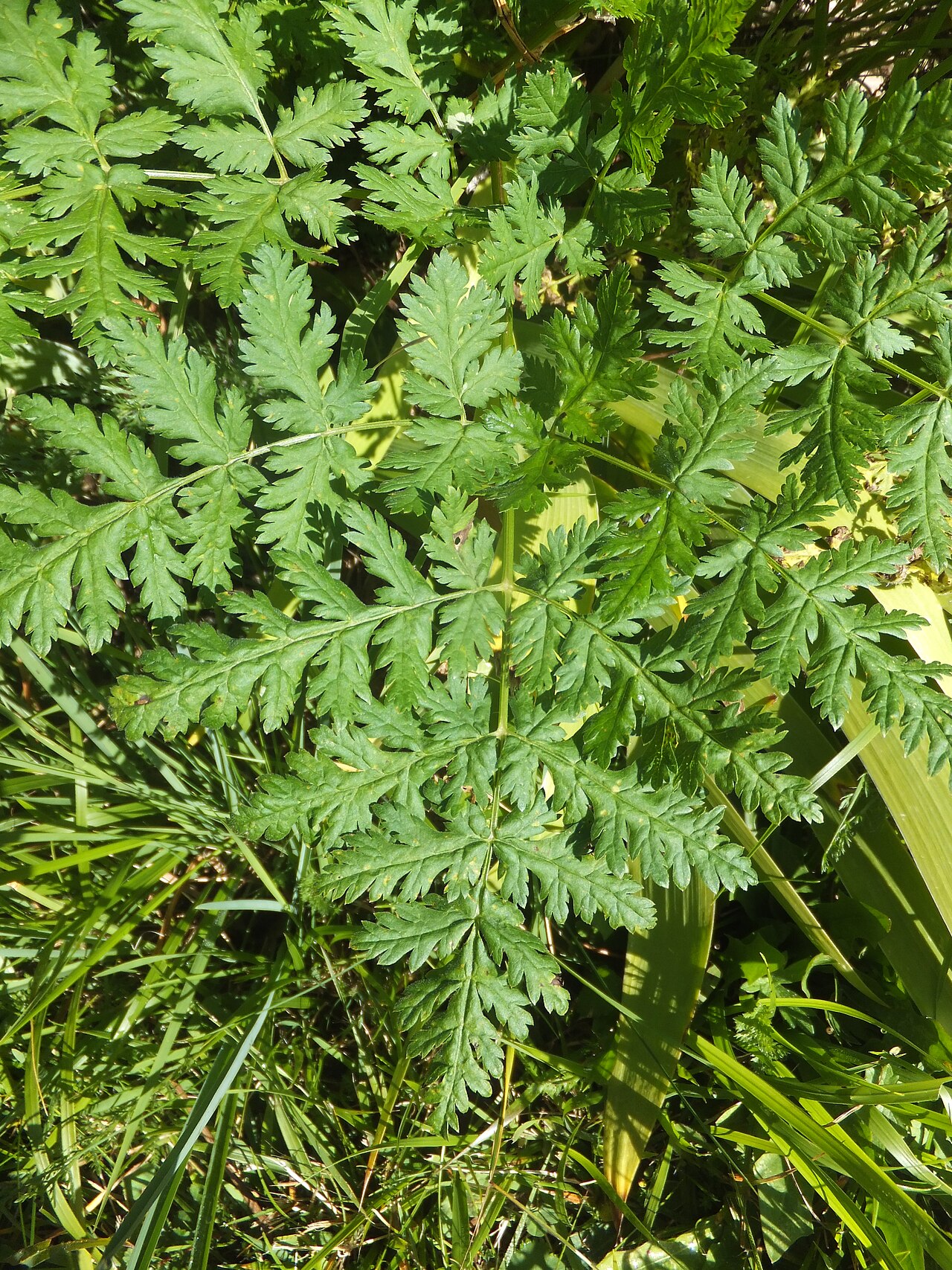
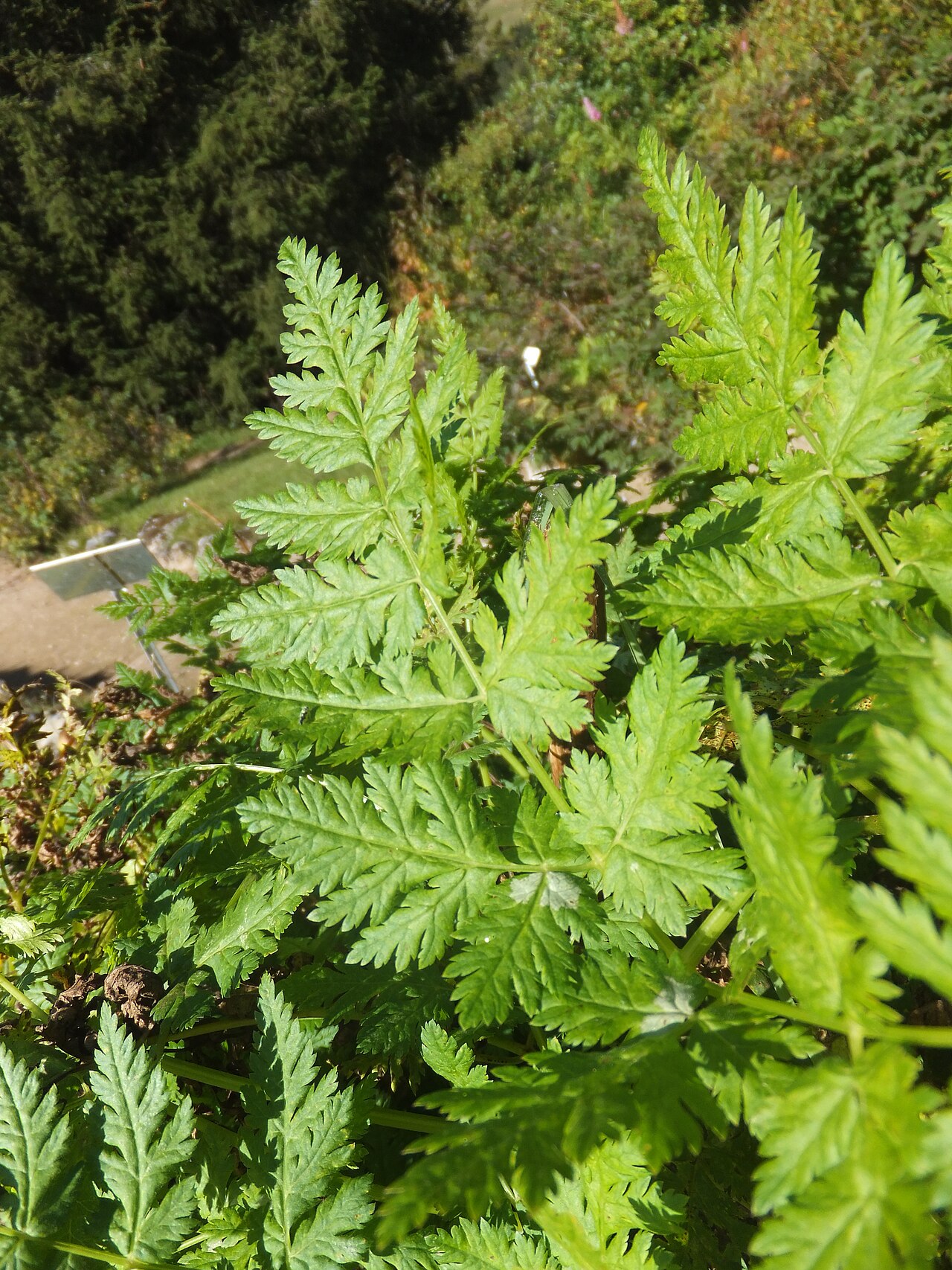
What it looks like

How to grow
Sweet cicely is a graceful, fern-leaved perennial, 2-3 feet tall, with lacy foliage that smells of anise, white umbel flowers in spring, and long, ridged seeds that taste faintly sweet. Start from fresh seed in fall — it needs a cold, moist period to germinate, and old seed is unreliable — or from divisions, handled carefully, since the long, brittle taproot resents disturbance. Plant it where it can stay: part shade or sun with moist, rich, humusy soil that does not dry out, in a sheltered corner where its ferny leaves can show off. In hot climates, afternoon shade is essential, and in Florida’s heat it is a cool-season or container experiment rather than a reliable perennial. Once established it self-sows gently, and the seedlings transplant best when small, before the taproot lengthens.
Water & feeding
Keep soil consistently moist, especially in the first year — sweet cicely is a woodland-edge plant, not a dry-herb-bed plant, and drought makes it go dormant early. Mulch with leaf mold to hold moisture and feed the soil, and top-dress with compost in spring. It needs little else: no heavy fertilizer, just steady moisture and a bit of shade.
Common problems
- Poor germination from old seed — sow fresh seed in fall, or stratify in damp sand in the fridge for several weeks before spring sowing.
- Taproot damage on transplanting — move only small seedlings, with a deep root ball, and water in well.
- Summer dormancy in heat or drought — leaves yellow and die back; keep soil moist and shaded, and the plant usually returns from the root.
- Slugs on young foliage in damp shade — hand-pick at dusk; established plants outgrow minor damage.
Harvest
Snip leaves through spring and early summer for their sweet anise scent, and gather the green, unripe seeds in early summer — they are the sweetest part, with a flavor like anise candy, and can be used fresh in fruit salads and baking. Mature seeds turn dark and are used for sowing, not eating. Cut the whole plant back to the ground after flowering and it resprouts with fresh foliage for later in the season. Dig roots only from third-year plants, and leave most of the patch untouched so it returns.
Browse all plant & pest guides
Saving seeds
Sweet cicely seed needs winter. Give it a cold, moist chill — two to three months is the common figure — by mixing seed with damp vermiculite in a bag and refrigerating it, or by sowing fresh in fall outdoors and letting the season do it. Sow in spring, barely covered, in moist mix, and germination usually comes in a few weeks after chilling. Without the cold, the seed sits there and does nothing.
Let the seed ripen on the plant until it is dark brown and dry, then collect it into a paper bag. Sow fresh if you can — sweet cicely seed does not store well, and dried seed may never germinate. Sow more than you need, since germination is uneven.
Seedlings will vary, and the named forms come only from division. Sweet cicely is a long-lived perennial once established, but it is slow to get going — the first year is mostly roots, and the anise-scented leaves come in the second year.
And the Florida honesty: sweet cicely wants a real winter and cool summers, for zones 3 to 7, so it is marginal in Florida — north Florida only, in deep shade with moist soil, and even there it is a stretch. If it thrives, treasure it; it is earning its keep against the climate.