
🫘 Takara Adzuki Bean
What it looks like
Why this variety
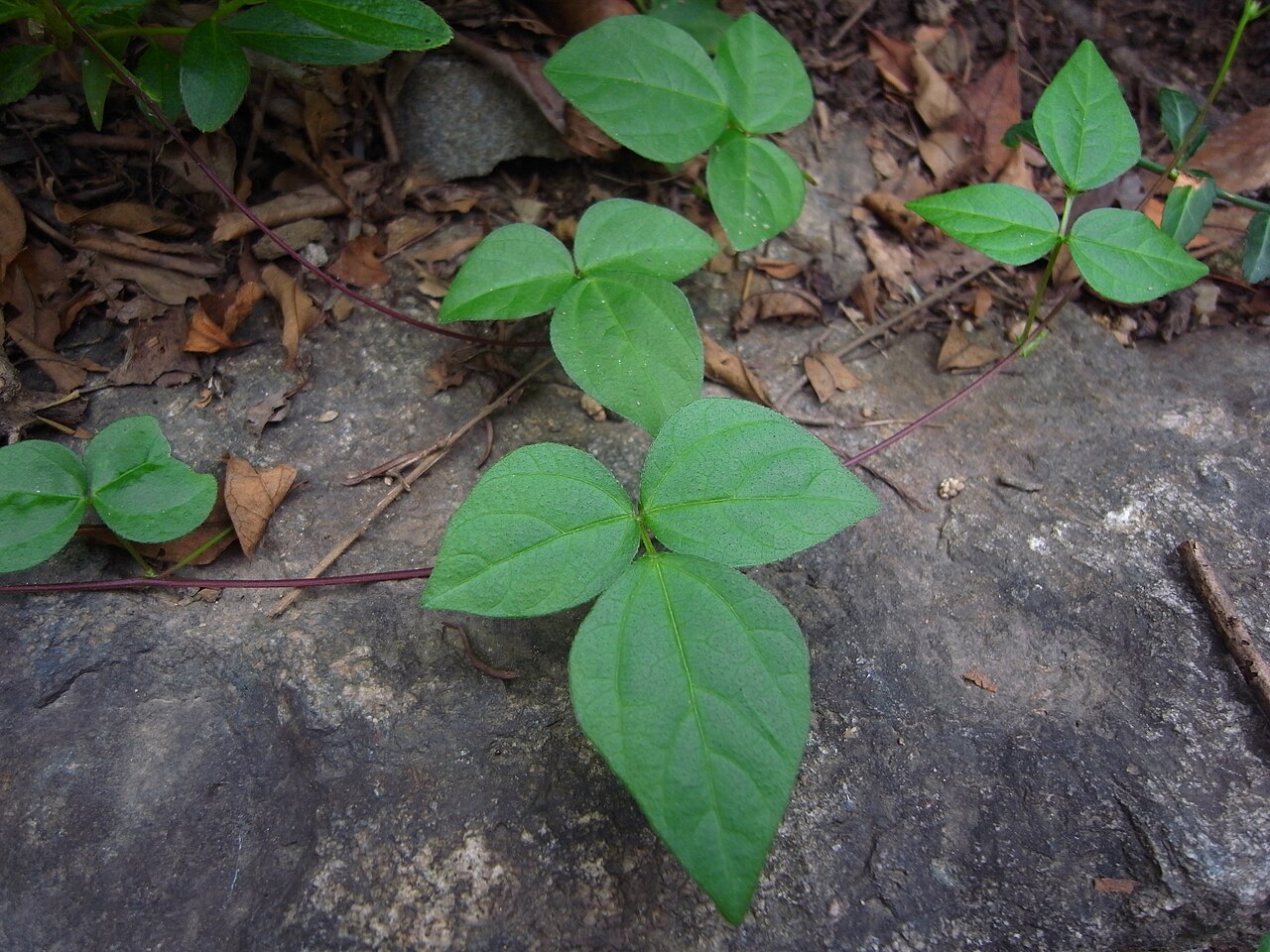
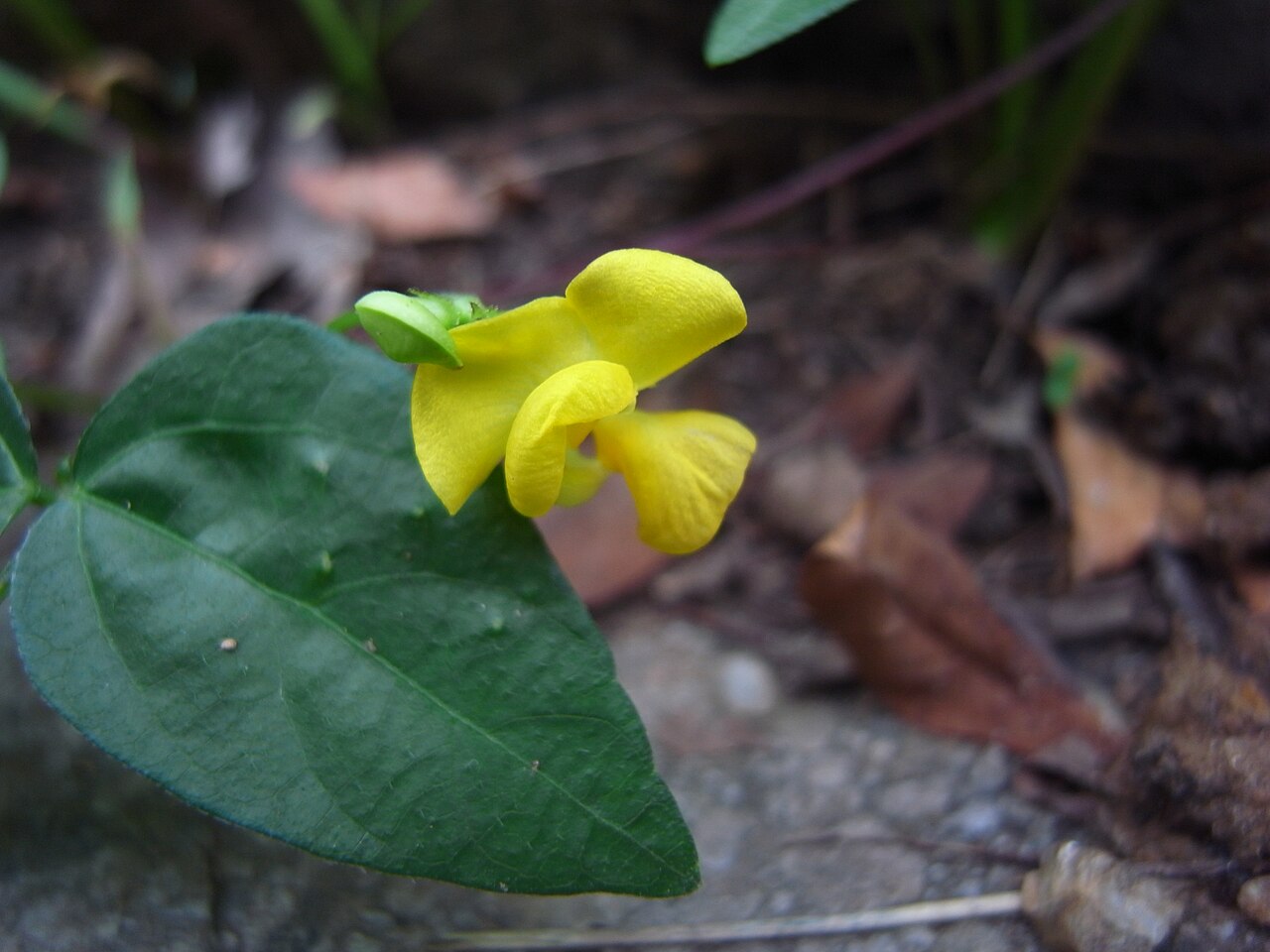
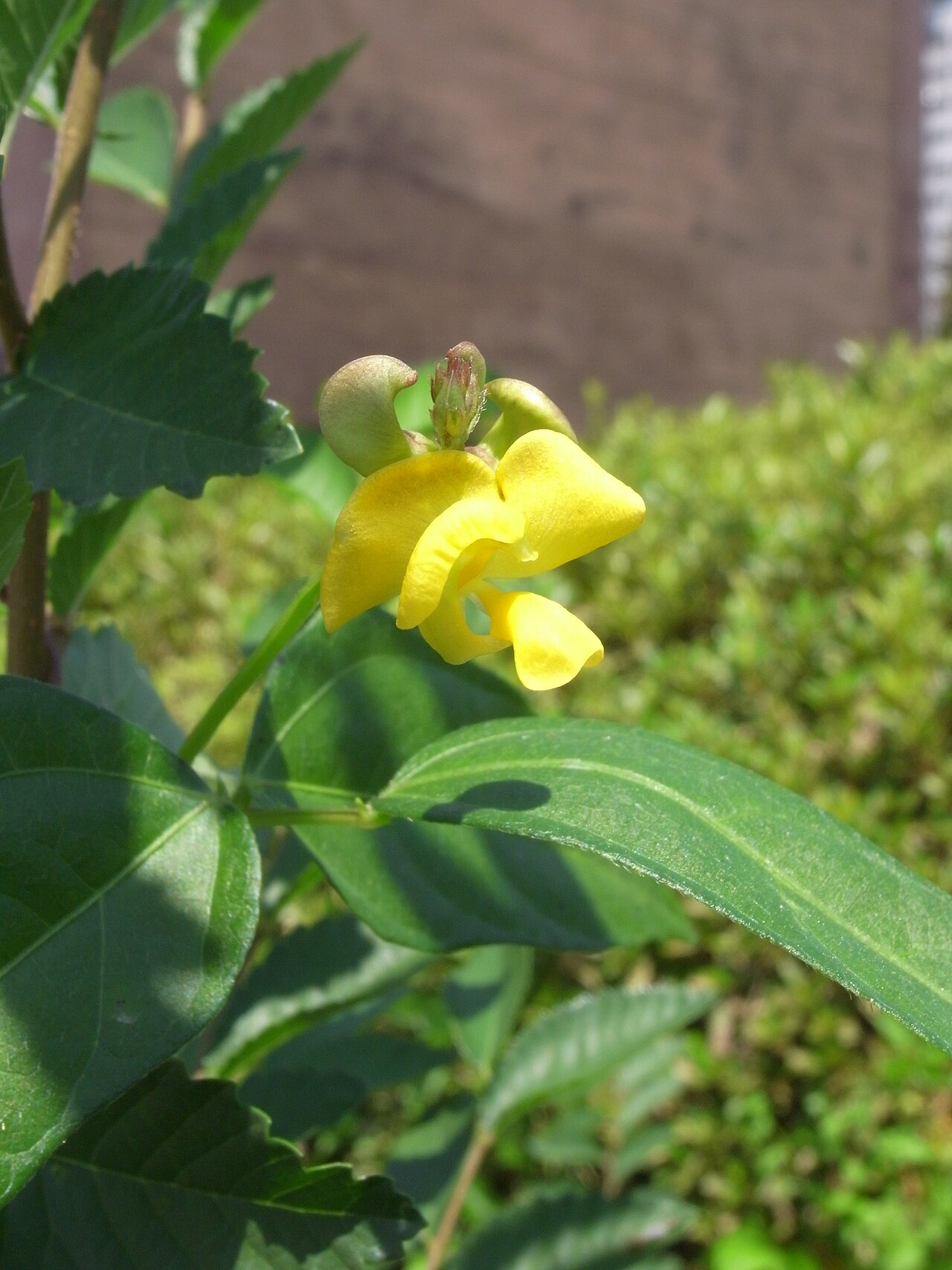
Takara is the adzuki that American growers actually grow, and that matters more than it sounds: brought from Japan in 1978, it became the most widely grown adzuki variety in the Upper Midwest because it is reliable, productive, and honest about what it is — a small red bean for soups, sweet paste, and everyday cooking, not a novelty. Plants are bushy and compact, pods are slender and numerous, and the beans are the classic small, dark red seeds that cook into the smooth, sweet anko paste behind so many Japanese desserts. If you want one adzuki to learn the crop on, this is the one the extension literature keeps pointing to.
The eating quality is the argument for growing adzukis at all: they are nutty, slightly sweet, and much quicker to cook than many dry beans, with no soaking drama required if you plan ahead. Takara’s beans hold their shape in soup and dissolve beautifully into paste, which makes one variety do two very different jobs in the kitchen. And because adzukis are small plants, a modest row gives a real harvest — this is a dry bean that fits a raised bed without staging a takeover, and it leaves the soil better than it found it, thanks to nitrogen fixation.
If you are new to choosing between cultivars, the Varieties Matter guide explains why the name after the plant matters as much as the plant itself. And if you want the whole clan at a glance, the broader Adzuki Bean guide covers adzuki beans generally.
How to grow
Adzuki beans in Florida are a warm-season project that likes heat but hates wet feet, so the bed matters as much as the calendar. Sow after the last frost, once the soil is genuinely warm, in the sunniest, best-drained bed you have, and do not let summer downpours sit on the plants — raised beds and sandy soil that drains fast are your friends here, and a thick mulch keeps soil from splashing onto pods. Adzukis are bushy and compact compared with pole beans, so they fit a small bed, and they fix their own nitrogen as they grow, which means they improve the very soil they stand in. Give them a long, warm runway and they will reward you with pods that dry on the plant, ready for soup, sweet paste, and everything in between.
Sow directly after the last frost, once the soil is at least 65°F, planting seeds about an inch deep and 4 to 6 inches apart in rows 18 to 24 inches apart, in full sun and the best-drained soil you have. Takara needs a long, warm season — plan on 100 to 120 days to dry beans, so sow early in spring and do not waste the first warm weeks. Keep the bed weeded while plants are small, because adzukis compete poorly with weeds, and mulch once plants are up to hold moisture and keep pods clean. Do not crowd them: air circulation matters in humid weather, and a tight, damp stand invites disease.
Water & feeding
Adzukis want steady, moderate water — about an inch a week while they flower and fill pods — and they punish both extremes: soggy soil rots seed and invites disease, while drought during pod fill makes thin, shrunken beans. Work worm castings into the bed at sowing, and go easy on nitrogen fertilizer, because these plants make their own nitrogen with root bacteria and extra nitrogen grows leaves instead of beans. Water at soil level to keep foliage dry, mulch to hold moisture, and ease off watering once pods start to dry if you are saving dry beans.
Common problems
The main risks are slow germination in cold, wet soil, which rots seed before it ever emerges, and disease in humid, crowded plantings — so warm soil and spacing are your first defenses, not sprays. Bean beetles and aphids may visit; check undersides of leaves and wash aphids off with water. Pods mature unevenly and can shatter if left too long, so check often once pods start to brown, and harvest promptly. If a summer storm is forecast and pods are nearly dry, pull plants and finish drying them under cover rather than gambling on the weather.
Harvest
Harvest when pods are brown, dry, and brittle, pulling whole plants if most pods are ready and finishing them on a tarp indoors, or picking dry pods by hand over several weeks. Thresh by beating dried plants in a bag or rubbing pods between your hands, winnow away the chaff, and store beans in airtight jars in a cool, dry place, where they keep for a year or more. For sweet paste, soak overnight, simmer until very soft, and sweeten to taste — Takara’s small, smooth beans make a paste with almost no grit. Save seed from the healthiest plants, and it will come true, because Takara is open-pollinated.
Nerdy fact: Adzuki beans have been cultivated in East Asia for thousands of years, and the name itself tells you the job: in Japanese, azuki is the bean of desserts, soups, and celebration foods, from red bean soup to the sweet filling in mochi — a small bean with an outsized cultural career.
Saving seeds
Takara is the adzuki that American growers actually grow, and that matters more than it sounds: brought from Japan in 1978, it became the most widely grown adzuki variety in the Upper Midwest because it is reliable, productive, and honest about what it is — a small red bean for soups, sweet paste, and everyday cooking, not a novelty. Plants are bushy and compact, pods are slender and numerous, and the beans are the classic small, dark red seeds that cook into the smooth, sweet anko paste behind so many Japanese desserts. If you want one adzuki to learn the crop on, this is the one the extension literature keeps pointing to. The eating quality is the argument for growing adzukis at all: they are nutty, slightly sweet, and much quicker to cook than many dry beans, with no soaking drama required if you plan ahead. Takara’s beans hold their shape in soup and dissolve beautifully into paste. As a public 1978 Japanese import, Takara is an open-pollinated variety, not a hybrid — adzuki is a self-pollinating bean, and no F1 hybrid adzuki seed exists in the trade — so saved seed comes true. Adzuki beans in Florida are a warm-season project that likes heat but hates wet feet, so sow after the last frost, once the soil is genuinely warm, in the sunniest, best-drained bed you have, and do not let summer downpours sit on the plants — raised beds and sandy soil that drains fast are your friends here. Give them a long, warm runway and they will reward you with pods that dry on the plant, ready for soup, sweet paste, and everyday cooking. The full method is in the Saving seeds section of the Adzuki Bean guide.