
🌿 Tarragon
What it looks like
How to grow
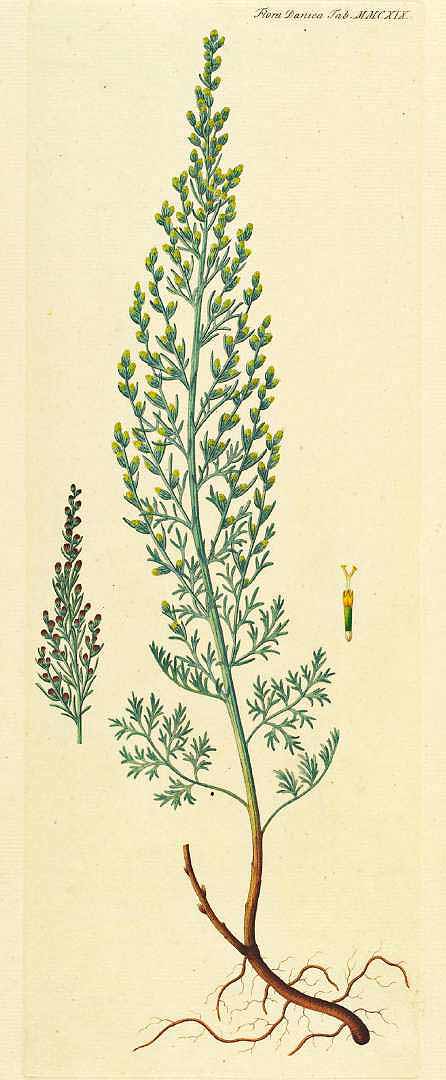
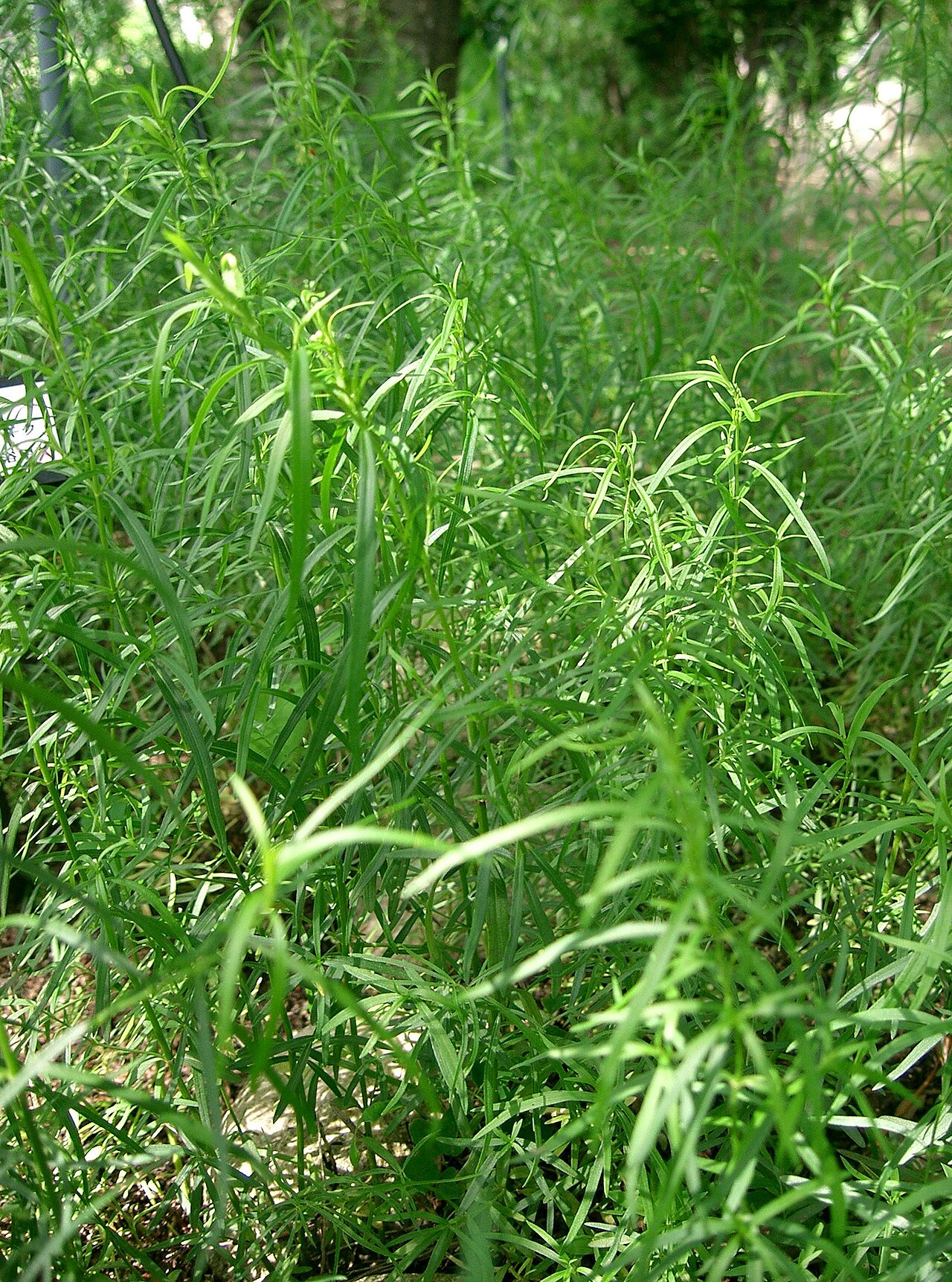
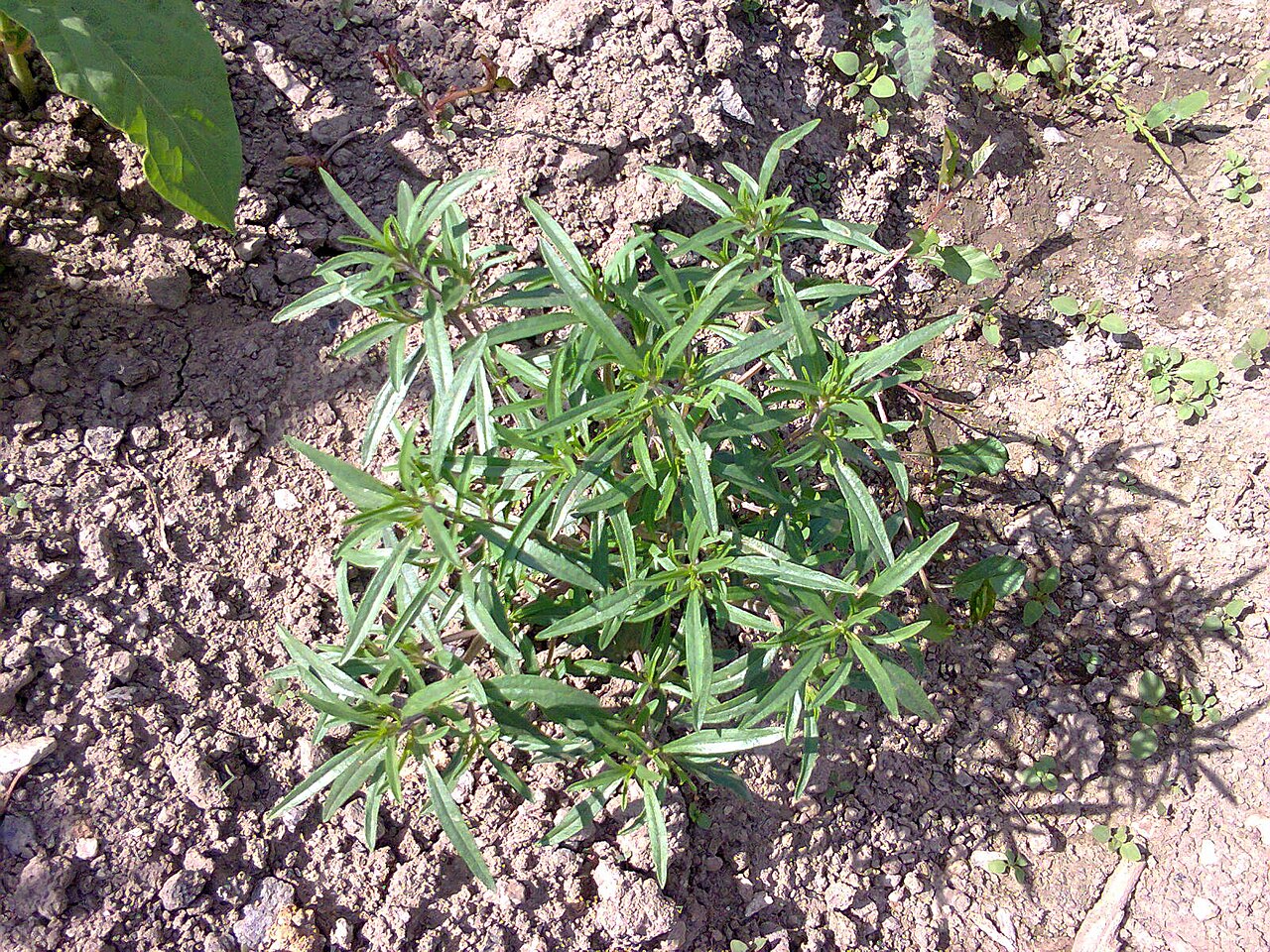
There are two tarragons and only one of them is worth your time. French tarragon (Artemisia dracunculus) is the culinary star — sweet, anise-like, essential for béarnaise sauce, chicken, and vinaigrettes — and it never sets viable seed, so it is only sold as plants or cuttings. Russian tarragon grows easily from seed, looks almost identical, and tastes like bitter grass. If a seed packet says tarragon, it is Russian tarragon; buy a plant labeled French tarragon from a nursery you trust. French tarragon wants full sun, sharp drainage, and lean soil, and it dislikes wet winters more than cold ones — in heavy or wet soil, grow it in a raised bed or pot. It goes dormant in winter, dies back to the ground, and returns in spring, so do not panic when it vanishes. Divide every 3-4 years in spring to renew plants. In hot, humid climates, French tarragon struggles through summer; give it afternoon shade, excellent airflow, and accept that it may perform best in spring and fall.
Water & feeding
Water to establish, then let the soil dry between waterings; tarragon rots in wet soil. A light spring top-dress of worm castings is all the feeding it needs. Avoid rich, heavily fertilized soil, which dilutes its anise flavor.
Common problems
- Root rot in wet soil — the main killer; use gritty mix and raised beds or pots in heavy soil.
- Russian tarragon impostors — buy plants, not seed, and taste a leaf before committing garden space.
- Winter loss in wet, cold soil — mulch lightly after the ground freezes and plant in the best-drained spot available.
- Rust and mildew in humid weather — space for airflow and water at soil level.
Harvest
Snip sprigs as needed once plants are established; the flavor is best before flowering. Tarragon freezes better than it dries — freeze chopped leaves in oil, or steep sprigs in vinegar for tarragon vinegar that keeps for months. Fresh tarragon in a simple chicken pan sauce is the fastest way to feel like a competent French cook.
Propagation
The honest headline: French tarragon does not make seed. The tarragon in your herb garden — Artemisia dracunculus var. sativa, the French kind with the anise flavor — is sterile, and it has never set a viable seed in anyone’s garden. There is no seed to save, and no reason to try. If your tarragon is flowering and setting seed, it is Russian tarragon, and Russian tarragon tastes like very little — which is why the French kind is the one worth growing.
Division and cuttings are the only routes, and they are easy ones. Divide established clumps in spring or fall, making sure each piece has roots and shoots attached. Or take stem cuttings in spring or summer, six inches long, and root them in moist mix — they root in a few weeks. Every division and every cutting is a clone of the parent, so the anise flavor you love is the flavor you get.
Buy a plant from a nursery or get a division from a friend — that is how French tarragon has been passed along for centuries, gardener to gardener, and it is still the best way. Keep a plant in a pot if your soil stays wet, because tarragon hates wet feet and rots in Florida’s summer rains.
In Florida, French tarragon is a tender perennial for zones 7 to 9, happiest in north Florida with afternoon shade and sharp drainage. It is short-lived in the heat, so divide it every year or two and keep a young plant coming along — that is the herb paying you back for the summer’s cooking.
Varieties
Every named variety of Tarragon with its own growing guide:
- French Tarragon — The true tarragon: sterile, anise-scented, and impossible from seed — the only tarragon worth a béarnaise.
- Russian Tarragon — The hardy tarragon: seed-grown, tough, and vigorous — a big, easy plant with only a whisper of the true flavor.