
🌿 Tendergreen Mustard
What it looks like
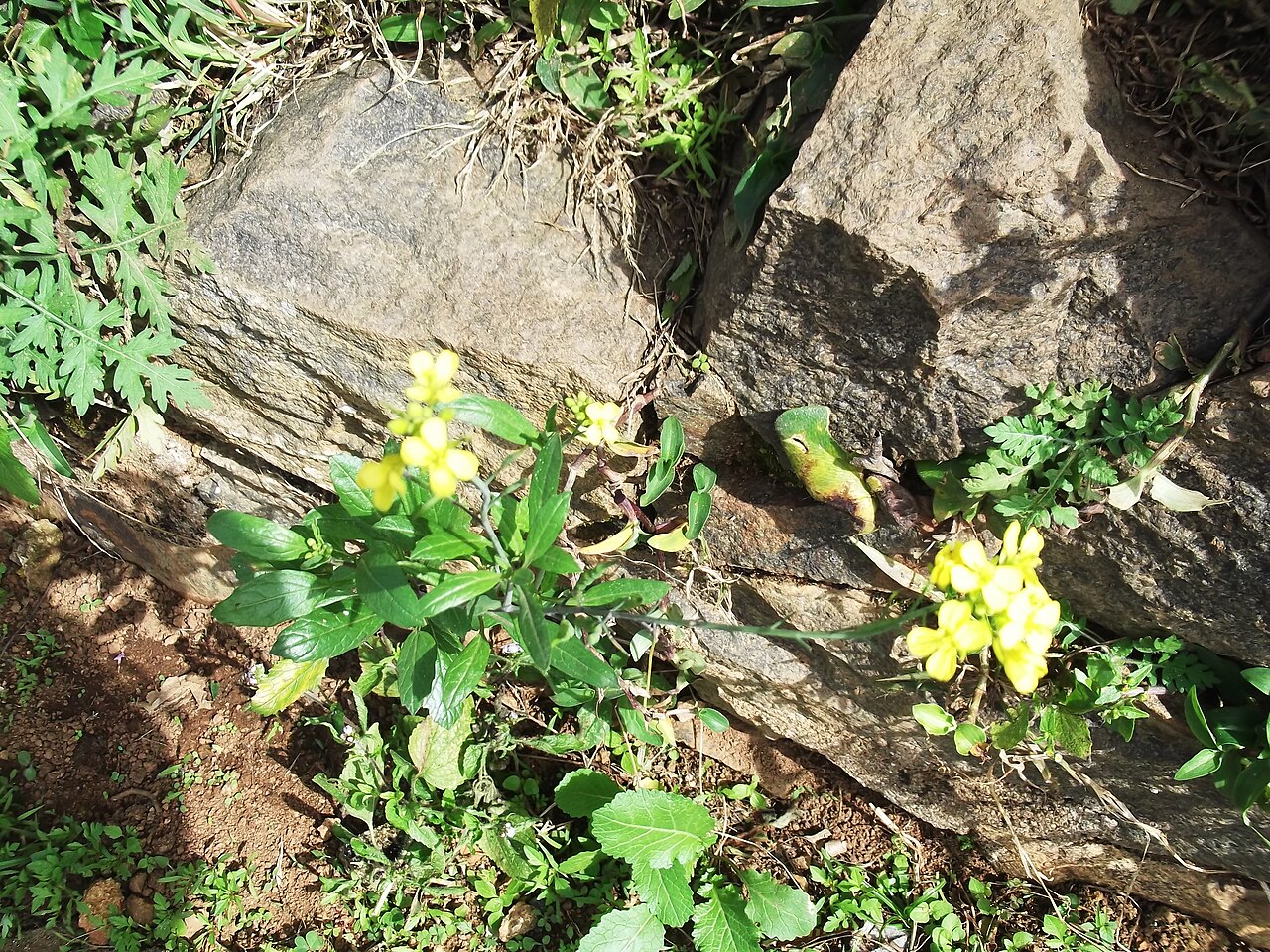
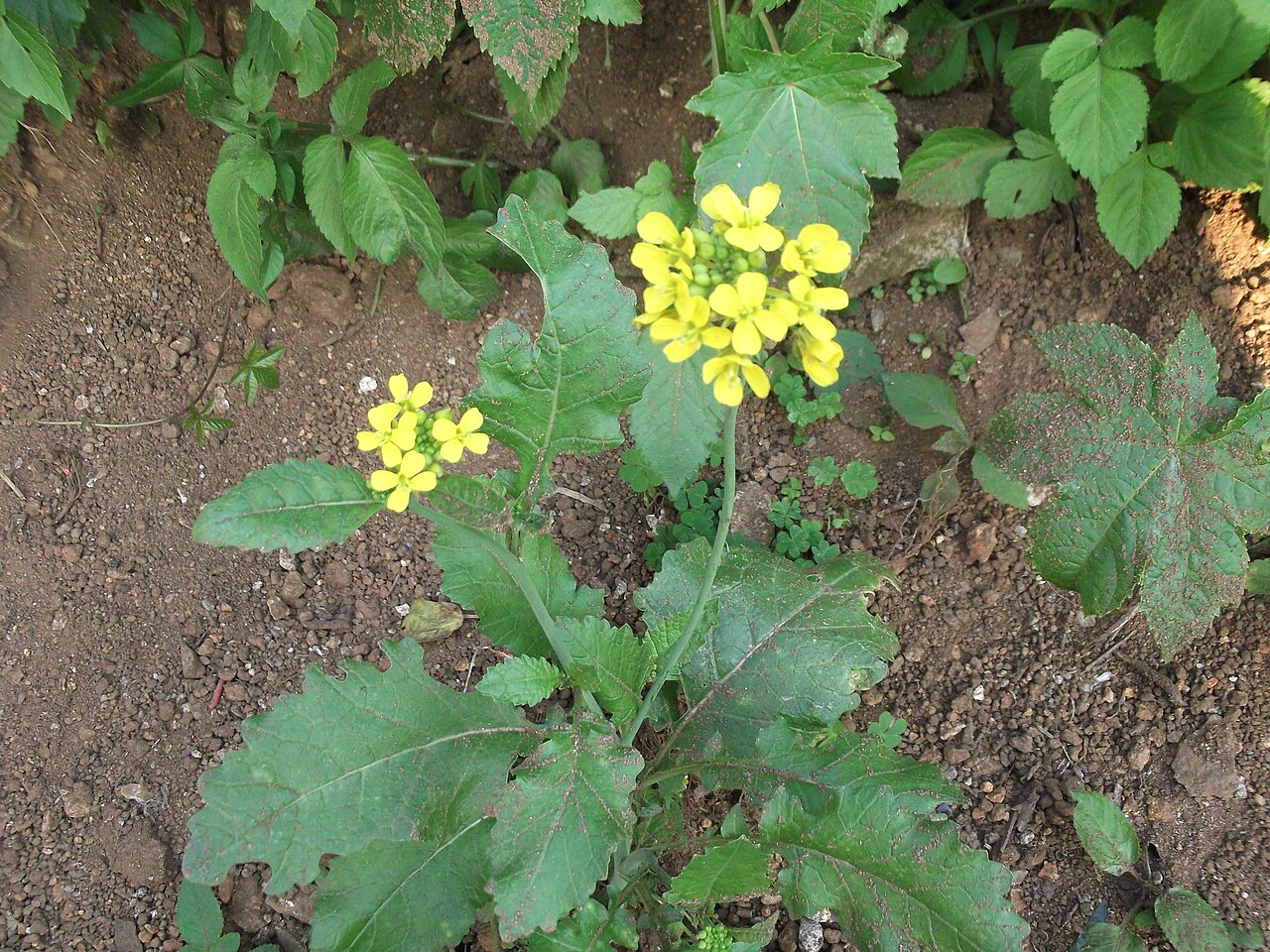
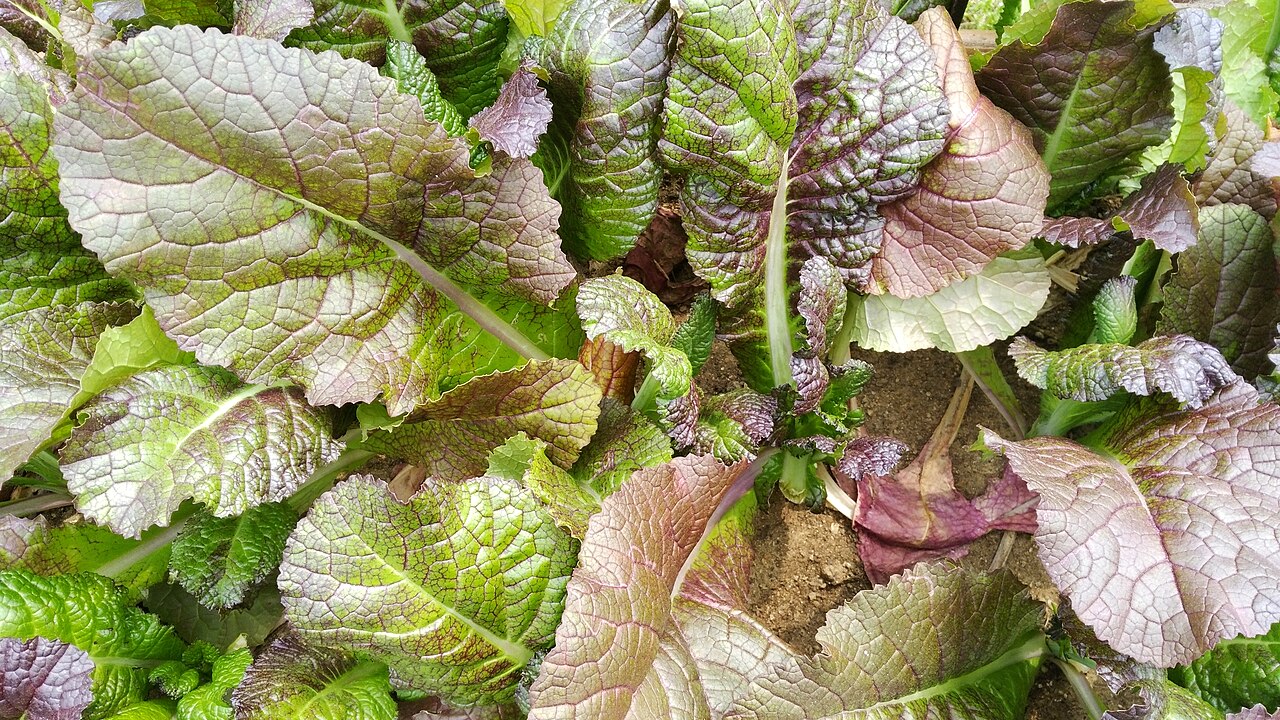
Photos show the species (Brassica juncea), since no cultivar-specific photo verified for this variety — the species photos above are already hosted on this site and attributed as on the species guide.
Why this variety
Honest taxonomy note first: Tendergreen is a mustard in the kitchen, not in the Latin. Botanically it is Brassica rapa var. perviridis — a mustard-spinach, a turnip relative — rather than Brassica juncea like most mustard greens. Gardeners have grown it as a mustard for generations anyway, because it cooks like one and eats like one, only milder.
That mildness is the point. Tendergreen tastes like spinach with a whisper of mustard, which makes it the raw-salad mustard for people who find curled mustards too hot, and the cooked green for households with mixed spice tolerance. It is also drought-resistant and slow to bolt — two traits Florida gardeners should tattoo on their forearms.
How to grow
Sow Tendergreen from September through March in Florida, in succession every 2–3 weeks. Direct-sow 1/4 to 1/2 inch deep and thin to the spacing in the hero stats. It handles drier beds better than most greens, but ‘drought-resistant’ does not mean ‘water optional’ — even watering still grows the tenderest leaves.
Florida’s sandy soil is the real opponent here, not the cold. Sand has almost no cation exchange capacity — it cannot hold onto calcium, magnesium, or potassium the way clay can — so work in several inches of compost and worm castings before planting and mulch thickly. The compost is not just food; it is the soil’s memory, holding water and nutrients long enough for roots to actually use them. Aim for the pH in the hero stats; compost in the bed is what turns a tough mustard into a tender one.
Water & feeding
Water evenly, about an inch a week; drought tolerance keeps the plant alive, but steady water keeps it tasty. Mulch lightly to hold moisture.
Feed modestly: castings or compost at planting, then a light side-dress of balanced organic fertilizer or compost tea every 3–4 weeks while it is actively cutting. Leaf crops are nitrogen-hungry, but overfeeding with fast nitrogen grows soft, pest-magnetic leaves. Slow and steady wins the leaf race.
Common problems
- Aphids — cluster on undersides and new growth; blast with water, encourage lady beetles, and keep plants unstressed.
- Cabbage worms and loopers — the white butterfly’s children; hand-pick or use Bt, and row cover at transplant keeps the moths off entirely.
- Flea beetles — tiny shot-holes in young leaves; row cover early, mulch, and keep seedlings vigorous so they outgrow the damage.
- Bolting in a warm snap — a late-winter heat wave can push flower stalks; harvest hard before it, and treat bolted plants as done — the leaves turn bitter fast.
Harvest
Pick baby leaves from about 21 days, or cut outer leaves at about 35 days, leaving the center to regrow. The smooth, tender leaves need almost no cooking — wilt them for a minute, or eat them raw with a sharp dressing.
Tendergreen keeps about a week in the fridge in a bag. It wilts faster than curled mustards when cooked, so use a light hand and a short pan time.
Browse all plant & pest guides
Saving seeds
Honest taxonomy note first: Tendergreen is a mustard in the kitchen, not in the Latin. Botanically it is Brassica rapa var. perviridis — a mustard-spinach, a turnip relative — rather than Brassica juncea like most mustard greens. Gardeners have grown it as a mustard for generations anyway, because it cooks like one and eats like one, only milder. That mildness is the point. Tendergreen tastes like spinach with a whisper of mustard, which makes it the raw-salad mustard for people who find curled mustards too hot, and the cooked green for households with mixed spice tolerance. It is also drought-resistant and slow to bolt — two traits Florida gardeners should tattoo on their forearms. It is the same plant as Tendergreen komatsuna, which is why this note points to the Komatsuna guide. As an open-pollinated heirloom — Reimer Seeds lists Tendergreen Mustard as open pollinated and heirloom, David’s Garden Seeds calls it a non-GMO, open-pollinated heirloom, and West Coast Seeds lists Komatsuna Green as seed type OP — saved seed comes true, with the usual brassica caution: it crosses with other Brassica rapa types in flower, so keep seed plants isolated from bok choy, turnips, and other rapa greens. Sow Tendergreen from September through March in Florida, in succession every 2–3 weeks. Direct-sow 1/4 to 1/2 inch deep and thin to spacing. It handles drier beds better than most greens, but ‘drought-resistant’ does not mean ‘water optional’ — even watering still grows the tenderest leaves. Florida’s sandy soil is the real opponent here, not the cold: sand has almost no cation exchange capacity, so work in several inches of compost and worm castings before planting and mulch thickly. The full method is in the Saving seeds section of the Komatsuna guide.