
🌿 TifGrand Bermuda Grass
What it looks like
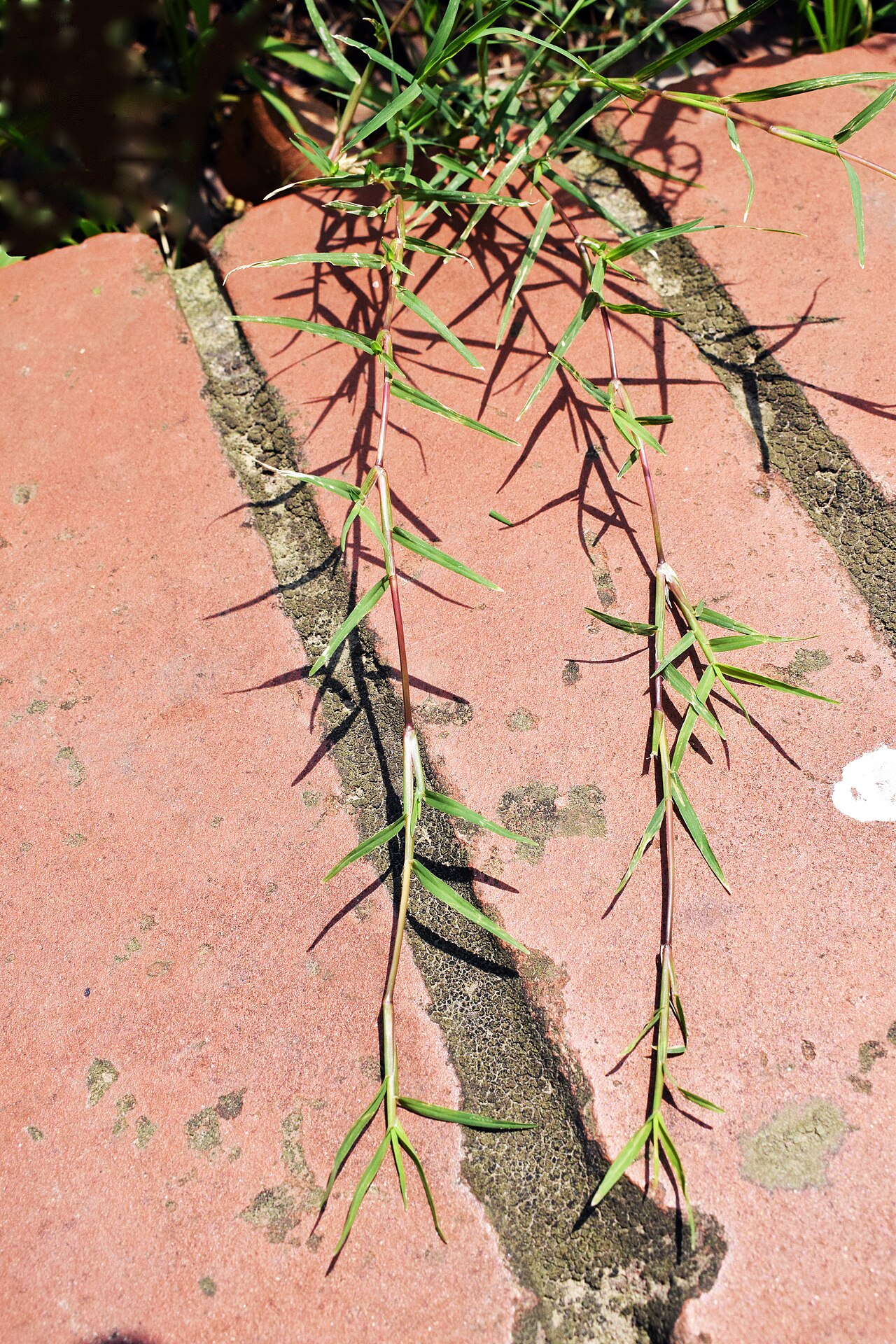
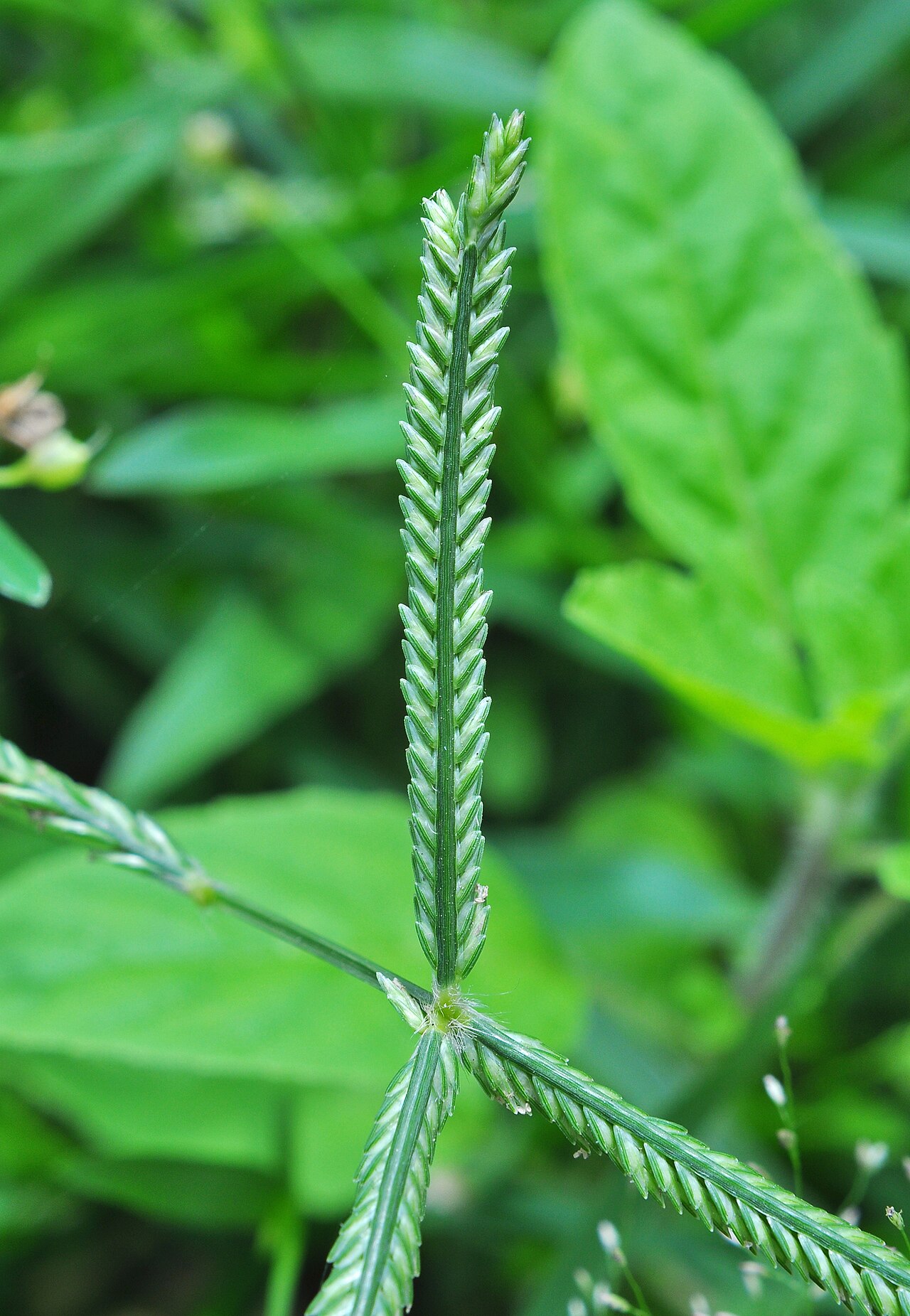
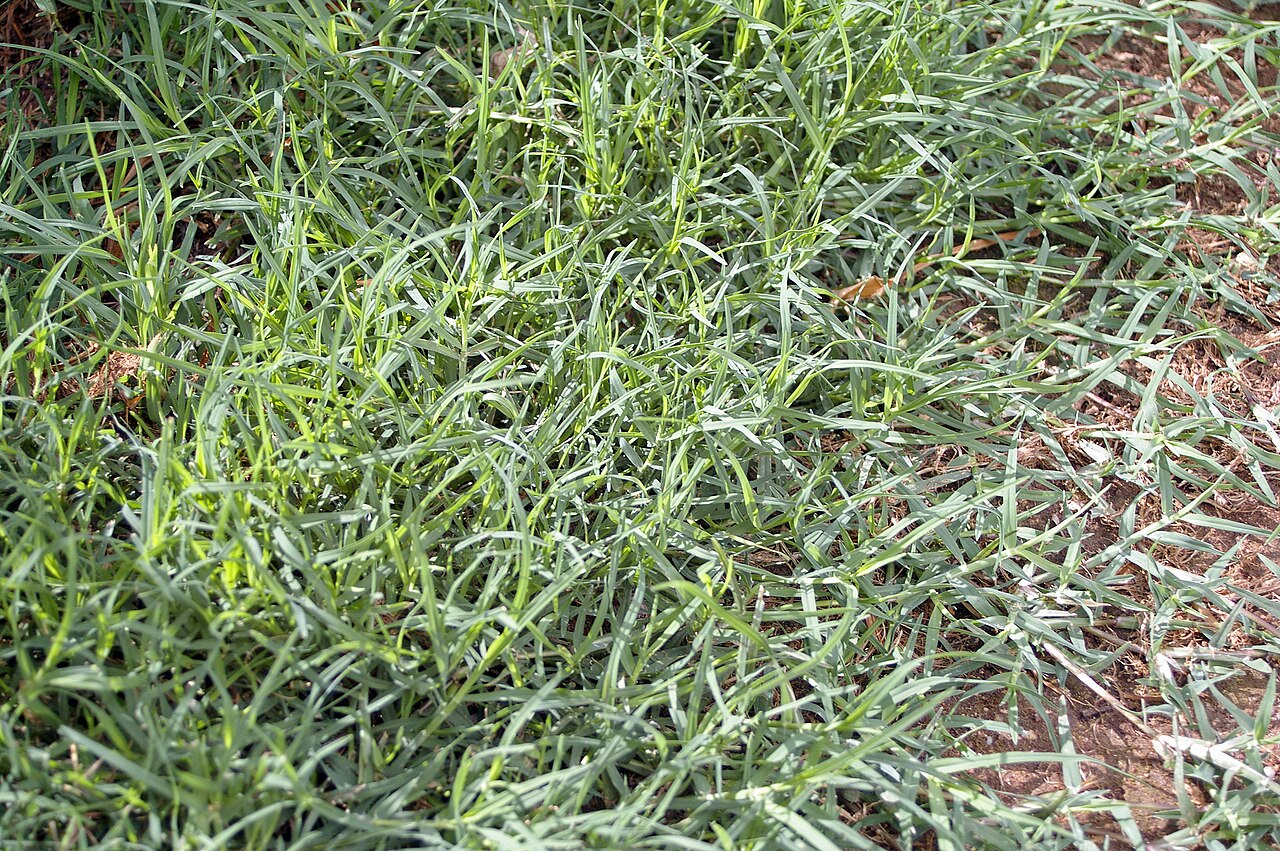
‘TifGrand’ is a fine-textured, dense hybrid bermuda with a good dark green color — and the trait that defines it is invisible until you plant it under a tree: it keeps density in shade that thins every other bermuda. Developed at the University of Georgia’s Tifton campus, it is a sterile hybrid like its Tifton cousins, so it comes as sod or sprigs, and it forms a tight turf with good wear tolerance and a softer feel than older coarse types. If your lawn has a live oak in it — and in Florida, whose lawn does not — ‘TifGrand’ is the bermuda bred for exactly that problem.
Why this variety
Plant ‘TifGrand’ when shade is the reason your bermuda keeps failing. Bermuda’s historic weakness has always been shade: most varieties thin, weed up, and surrender under trees. ‘TifGrand’ was selected specifically for improved shade tolerance, and it is characterized in turf references by exactly that — exceptionally high shade tolerance for a bermudagrass. It is not a deep-shade grass — no bermuda is — but in the dappled and part-shade conditions under a high tree canopy, it holds a lawn where ‘Tifway 419’ goes thin. Pair that with good wear tolerance and drought performance, and it is the problem-solver of the Tifton family.
How to grow
Plant sod or sprigs in spring after the soil warms, in full sun to part shade, on well-drained soil. Under trees, the work is as much about the tree as the grass: prune the canopy for filtered light, keep fallen leaves off the turf, and do not expect miracles under a dense, low evergreen canopy — ‘TifGrand’ handles shade better than other bermudas, not darkness itself. Mow at roughly 0.5 to 1.5 inches, feed through the growing season, and water to keep it green in dry spells.
Water & feeding
Water deeply to establish, then as needed — roughly an inch a week in the growing season, adjusted for rain, and a little less under trees where evaporation is lower but root competition is higher. Tree roots will steal water and nutrients from the turf, so under-canopy areas may need more frequent watering and feeding than open areas. Water early in the day.
Common problems
- Still not a deep-shade grass — it tolerates shade better than other bermudas, but dense, low shade will still thin it; prune for filtered light.
- Tree root competition — under trees, the grass competes with roots for water and nutrients; feed and water those areas a little more.
- Thatch buildup — vigorous hybrids thatch; aerate or verticut when needed.
- Winter dormancy in the north of its range — browns after frost in zone 7; in most of Florida it stays green far longer.
Harvest
No harvest — the yield is a lawn that survives the oak tree. For Florida yards, where shade is not a flaw but a feature, ‘TifGrand’ is the bermuda that lets you keep both the tree and the turf.
See also: Bermuda Grass: Growing Guide