
🌿 Tifway 419 Bermuda Grass
What it looks like
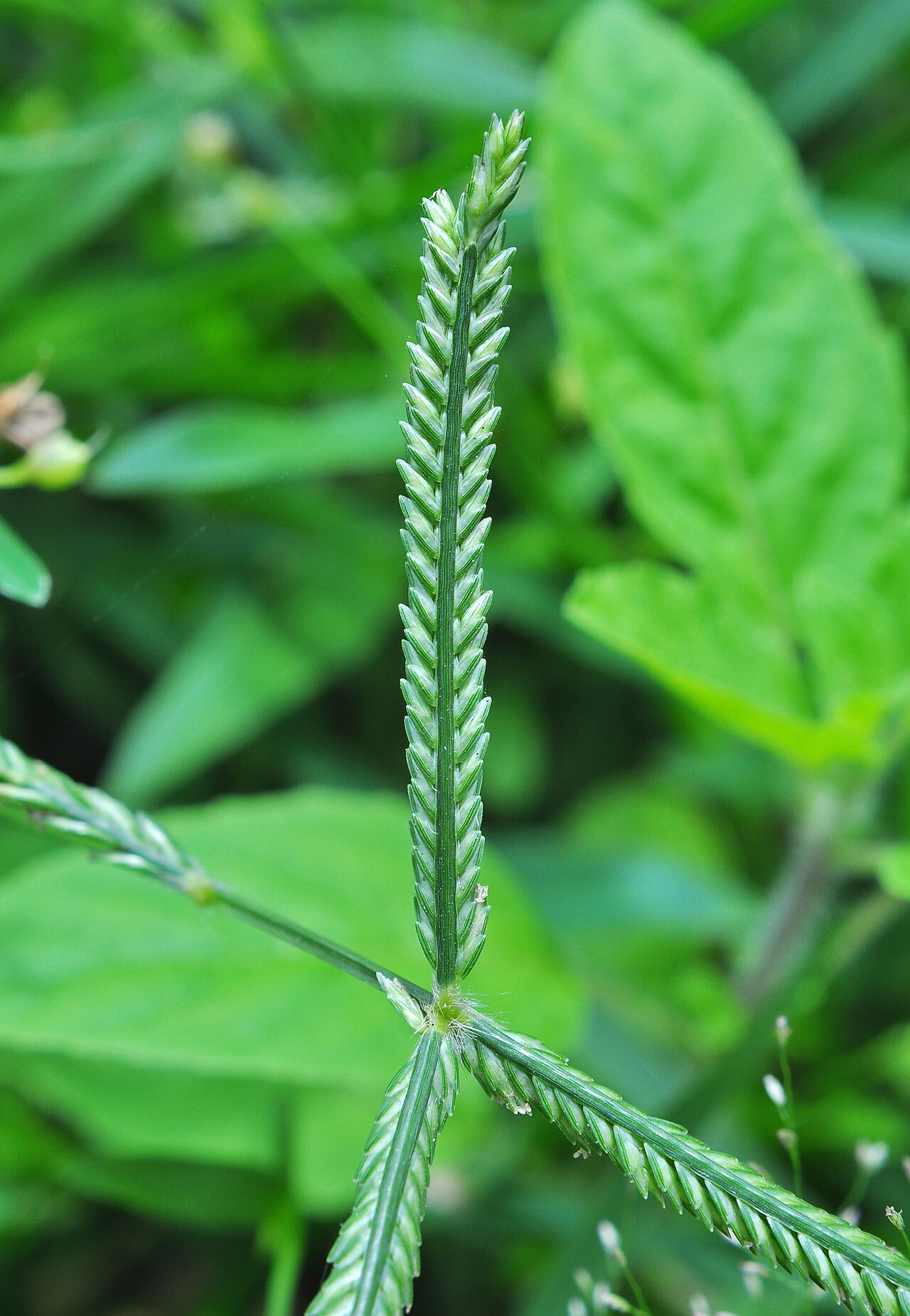
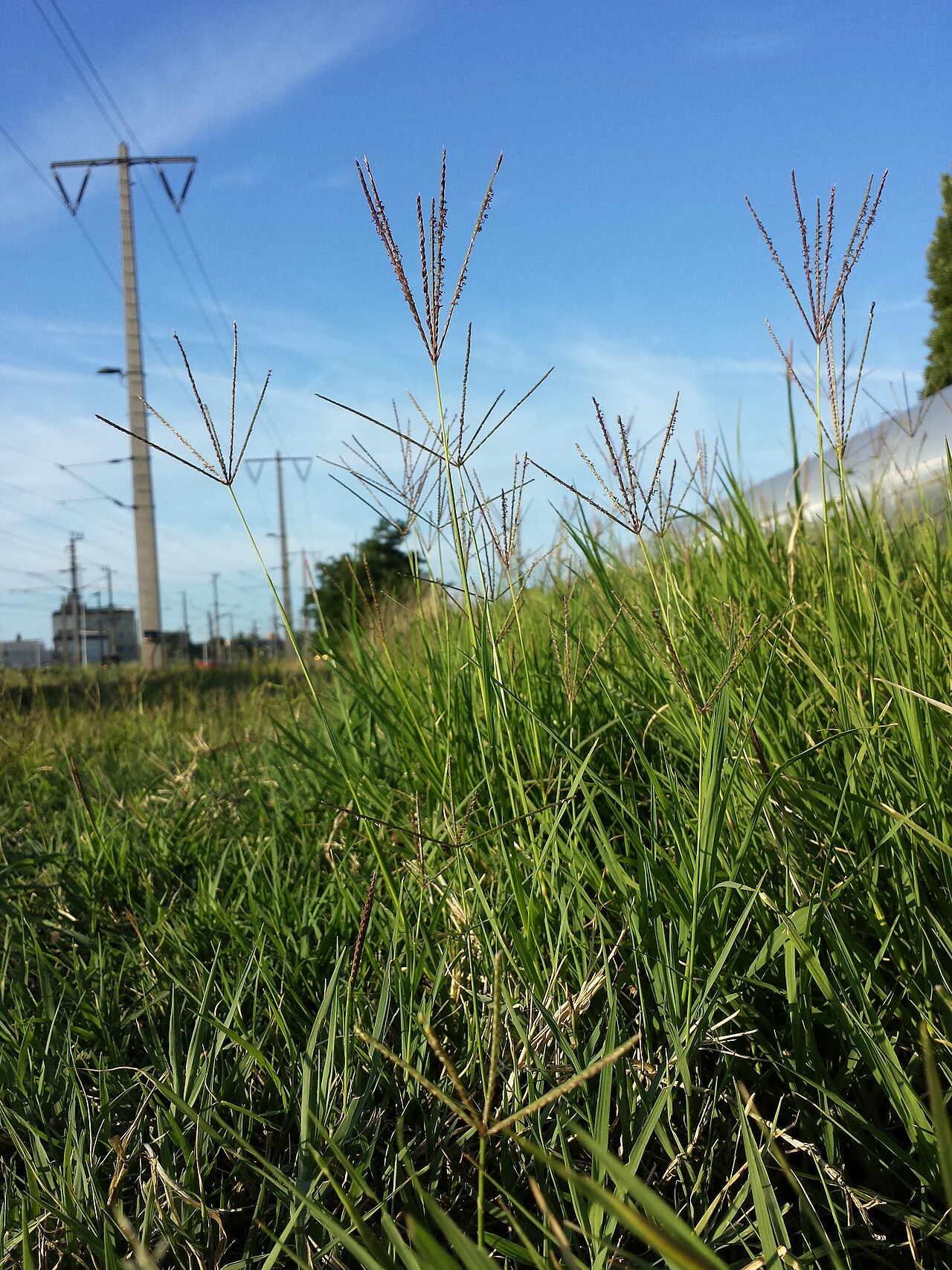
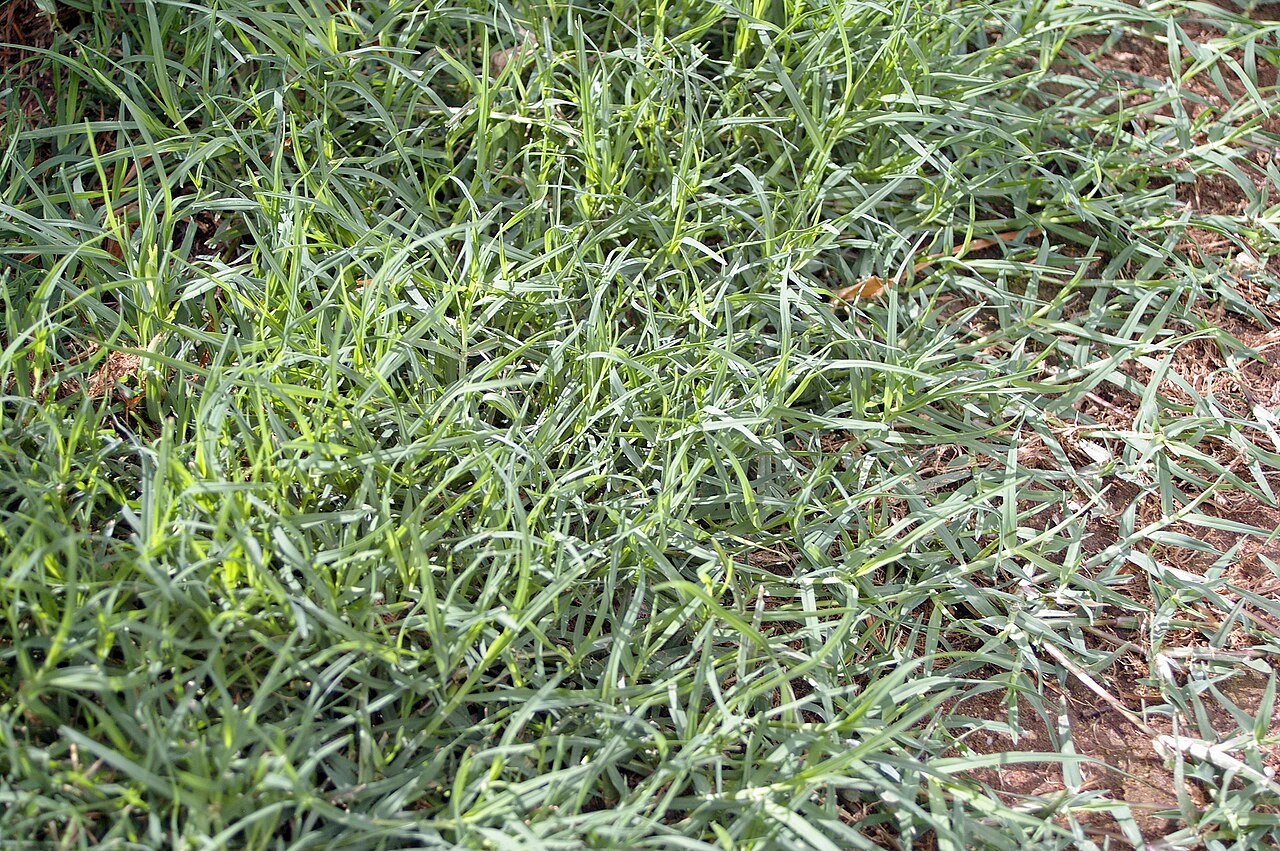
‘Tifway 419’ is the bermuda against which other bermudas are measured: a dense, fine- to medium-textured hybrid with a classic deep green color, a tight growth habit, and wear tolerance that made it the default choice for sports fields, golf courses, and high-traffic home lawns for over half a century. The blades are slightly thicker and stiffer than ‘TifTuf’s fine soft blades, and the color is darker — the classic bermuda look. It is a sterile hybrid, so it comes as sod or sprigs, and it stays put rather than seeding into beds.
Why this variety
Plant ‘Tifway 419’ when traffic is the problem: kids, dogs, pickup games, a lawn that gets lived on rather than looked at. Developed in the 1960s at the University of Georgia’s Tifton Coastal Plain Experiment Station by Dr. Glenn Burton, it dominated the market for decades on durability and consistent performance, and it remains the benchmark for wear tolerance in turf comparisons. It is not the most drought-thrifty bermuda (that is ‘TifTuf’), nor the most shade-tolerant (that is ‘TifGrand’), but for a sunny, hard-used lawn it is still the safe, proven pick — the grass equivalent of buying the tool your grandfather used.
How to grow
Plant sod or sprigs in spring after the soil warms, in full sun, on well-drained soil. ‘Tifway 419’ wants sun — 8 or more hours — and thins in shade, so give shaded areas to ‘TifGrand’ or another grass. Mow at roughly 0.5 to 1.5 inches, mowing often enough to remove no more than a third of the blade, and feed through the growing season on your extension’s schedule. In Florida it has been a staple for decades: it handles heat, humidity, and sandy soil, and it recovers from traffic faster than almost anything else you can plant.
Water & feeding
Water deeply to establish, then water consistently to keep it green — ‘Tifway 419’ needs more regular watering than ‘TifTuf’ to look its best and will brown sooner in drought. Roughly an inch a week in the growing season, adjusted for rain, watered early in the day, is the practical Florida schedule. It tolerates drought by going dormant rather than dying, but a dormant brown lawn is not why you planted the gold standard.
Common problems
- Shade thinning — full sun is required; it is rated poor for shade in turf comparisons, so do not plant it under trees.
- Higher water need than newer hybrids — it needs consistent irrigation to stay green where ‘TifTuf’ would coast.
- Thatch buildup — vigorous growth thatches; aerate or verticut when needed.
- Winter dormancy in the north of its range — browns after frost in zone 7; in most of Florida it greens up early and stays green late.
Harvest
No harvest — the yield is a lawn that takes a beating and asks for another. Sixty years after its release, ‘Tifway 419’ is still the answer to the question ‘what grass can survive my family?’
See also: Bermuda Grass: Growing Guide