
🍝 Tivoli Spaghetti Squash
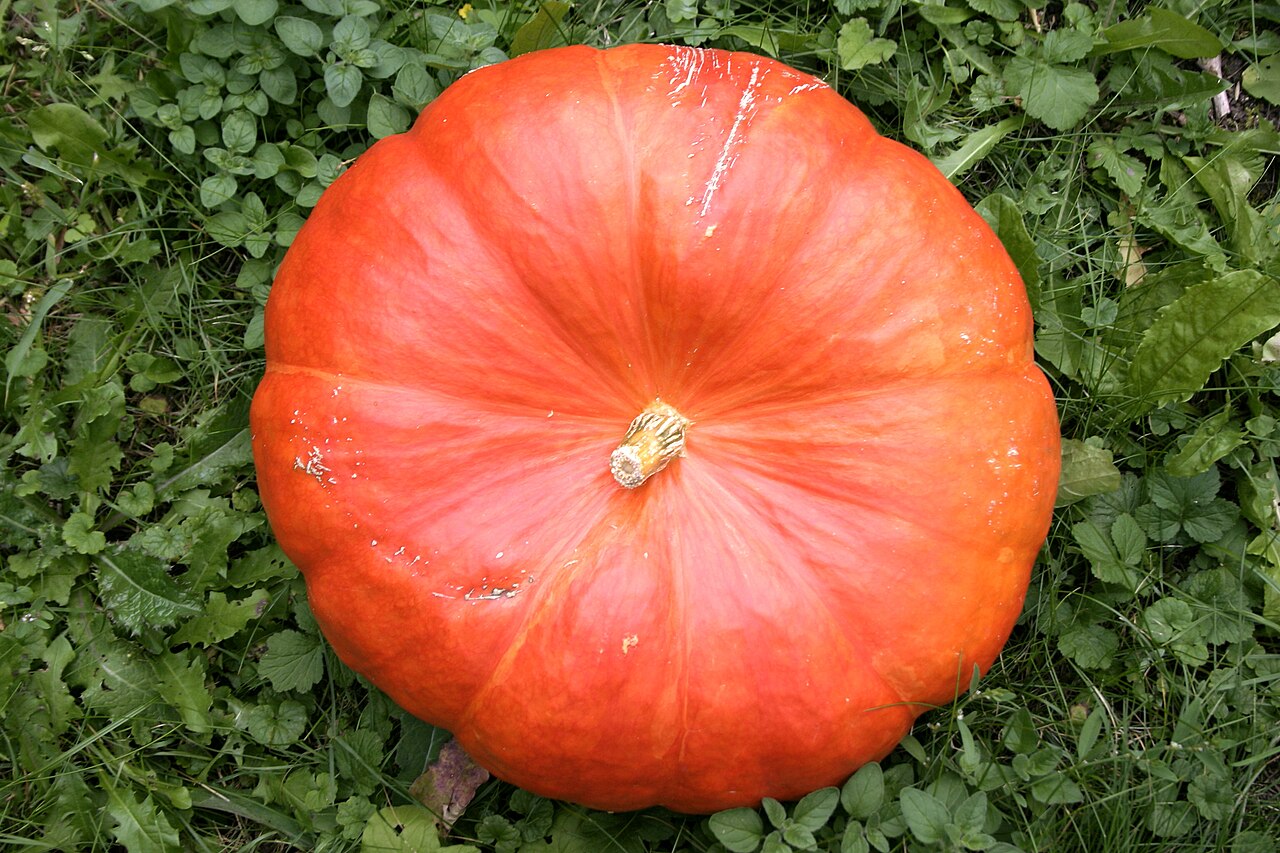
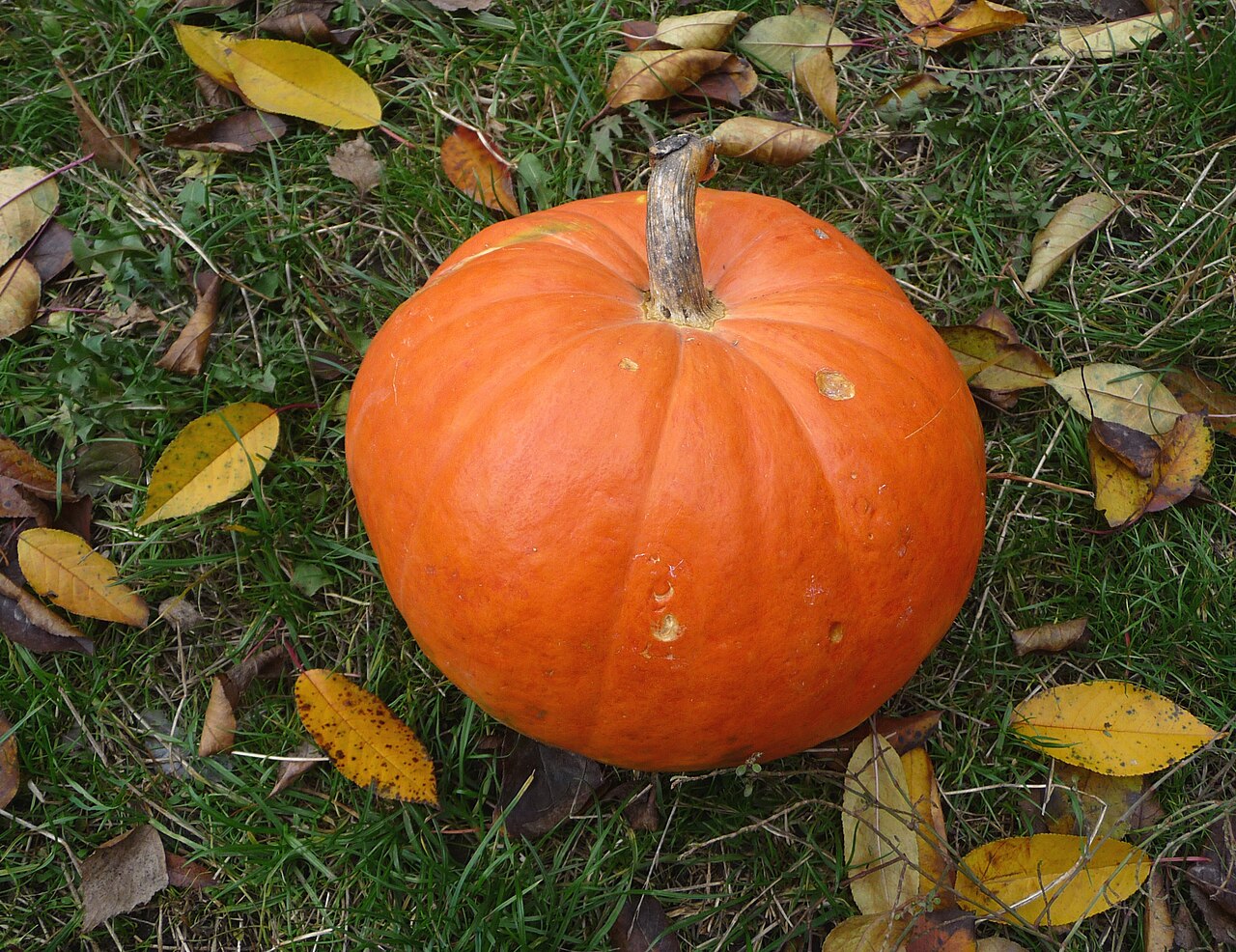
What it looks like

Why this variety
Tivoli is spaghetti squash for gardeners without a vine-eating yard: a bush-type spaghetti squash that produces oblong, golden-yellow fruit, 4–5 pounds, with the same long, tender strands as the vining original, on a compact plant that fits a raised bed. It is a hybrid bred for space, and it delivers the full spaghetti experience without the 15-foot vine.
Bush habit plus hybrid vigor is a useful combination: Tivoli sets fruit early and heavily for its size, and the compact plant is easier to water, inspect for squash bugs, and harvest from — all the chores that get skipped on a sprawling vine get done on a bush plant, because you can actually reach it.
Florida translation: Tivoli is a strong Florida spaghetti squash for raised beds, maturing in a full warm season with bush-plant airflow advantages in humidity. Give it 3 feet of room, water evenly at the base, and watch for squash bugs — bush plants are easier to inspect, which is half the pest-control battle.
How to grow
Direct-sow 1 inch deep after soil warms, 36 inches apart, or start indoors in peat pots and transplant young. Work compost and castings into the hole. Bush habit needs no trellis; just room, sun, and steady water. Hand-pollinate female flowers in the morning if bees are scarce.
Water & feeding
Even, steady water — about 1 inch a week, at the soil line. Spaghetti squash is a pepo type, so it matures fast but shows stress fast too: uneven water cracks rinds and gives you uneven strands. Mulch thickly, feed with worm castings in the hill plus a side-dress when vines run, and keep water off the leaves to slow mildew.
Common problems
- Powdery mildew — white dust on leaves in humid weather. It usually arrives late, after fruit is mostly made, so keep watering at the soil line, space for airflow, and do not panic; a mildewed vine with mature fruit has already done its job.
- Squash vine borer — a moth larva that tunnels into stems and wilts a vine overnight. Watch for sawdust-like frass at the stem base, slit and remove the grub if you catch it early, and bury a healthy stem node so the vine roots again.
- Squash bugs — bronze egg clusters under leaves, then gray nymphs that suck vines dry. Scrape eggs off weekly; that one habit beats most sprays.
- Poor fruit set — usually missing pollinators. Winter squash has separate male and female flowers on the same plant, and the female (with a tiny squash behind the petals) needs a bee visit. Hand-pollinate in the morning if bees are scarce: pick a male flower, dab pollen onto the female's stigma.
Harvest
Harvest when the rind is hard, the color is fully developed (pale yellow to golden, depending on type), and the stem is dry. Cut with 2–3 inches of stem, cure warm and dry for about a week, then store cool and dry; spaghetti squash keeps for 1–2 months. To serve, halve lengthwise, roast cut-side down until soft, then scrape the flesh with a fork — it separates into spaghetti-like strands, which is the entire magic trick.
In the kitchen, use exactly like Vegetable Spaghetti: roast, scrape, sauce. Tivoli's strands are long and tender, and the bush-grown fruit is the same size as vining fruit — the plant changed, the pasta did not.
Browse all plant & pest guides
Saving seeds
Tivoli is spaghetti squash for gardeners without a vine-eating yard: a bush-type spaghetti squash that produces oblong, golden-yellow fruit, 4–5 pounds, with the same long, tender strands as the vining original, on a compact plant that fits a raised bed. It is a hybrid bred for space, and it delivers the full spaghetti experience without the 15-foot vine. Bush habit plus hybrid vigor is a useful combination: Tivoli sets fruit early and heavily for its size, and the compact plant is easier to water, inspect for squash bugs, and harvest from — all the chores that get skipped on a sprawling vine get done on a bush plant, because you can actually reach it. But it is a hybrid, as the guide states plainly, so seed saved from your own plants will not come true. For Tivoli itself, buy fresh seed each season. The full method is in the Saving seeds section of the Winter Squash guide.