
🥬 Torasan Komatsuna
What it looks like
Why this variety
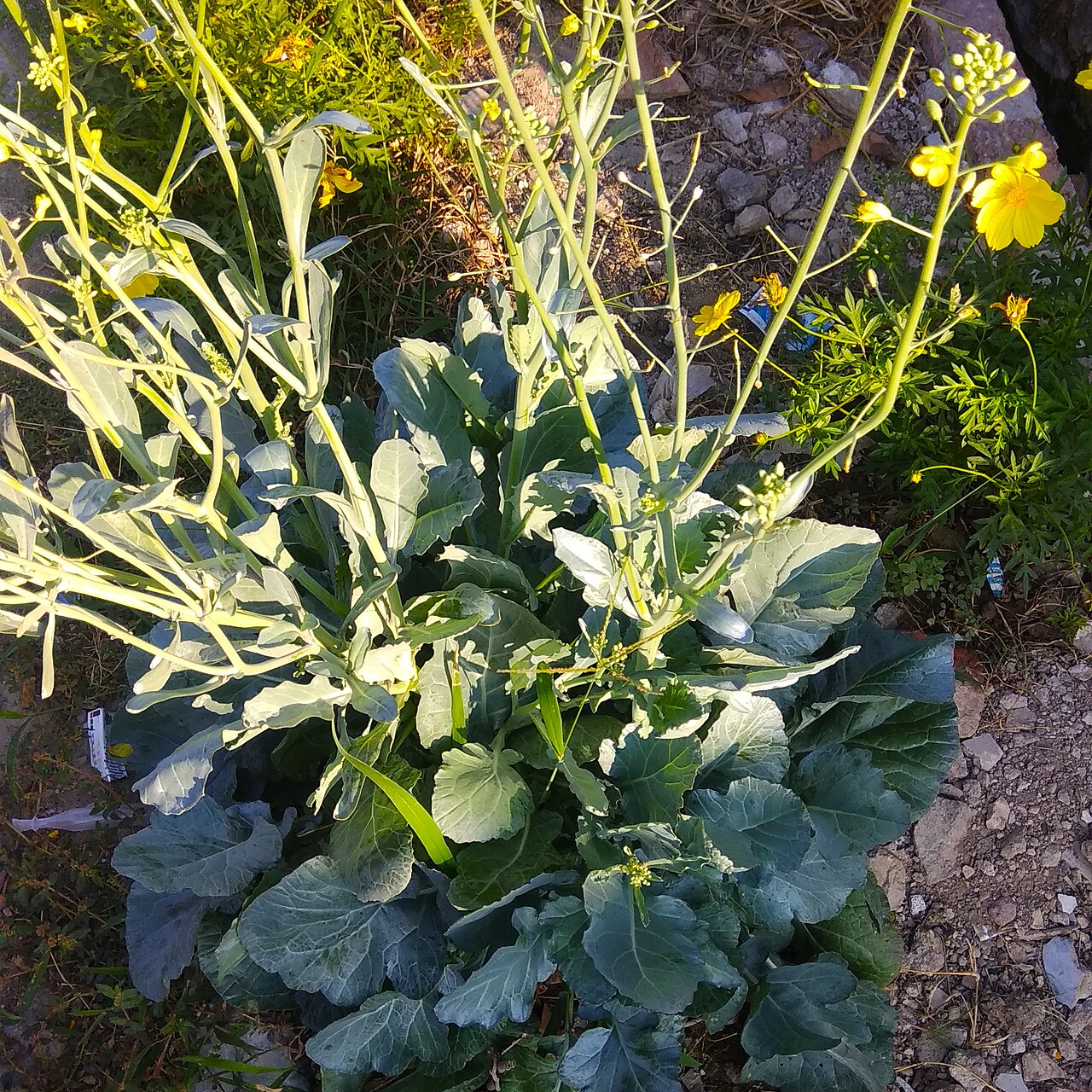
Torasan is a Japanese komatsuna listed by Asian seed houses like Kitazawa: an upright, vigorous grower with glossy, dark green leaves and a sturdy habit that holds up well in the bed and in the kitchen. It is the workhorse komatsuna — less famous than Tendergreen, but a favorite of growers who plant komatsuna by the row rather than by the packet.
Upright leaves have a practical advantage: they stay cleaner in rain and irrigation, dry faster after watering (which discourages disease in humid air), and are easier to cut without gathering mud. In a humid climate, a plant that keeps its leaves off the ground is a plant that stays healthier longer.
If you are new to choosing between cultivars, the Varieties Matter guide explains why the name after the plant matters as much as the plant itself. And if you want the whole clan at a glance, the broader Komatsuna guide covers komatsuna generally.
How to grow
In Florida, komatsuna is a cool-season brassica that out-performs spinach in the shoulder seasons: sow from fall through early spring, harvest leaves young for salads or full-size for cooking, and succession-sow for a steady supply. It tolerates a light frost and a warm spell better than most Asian greens, which makes it a forgiving first brassica.
Grow it like other komatsuna: rich, moist soil, 6–8 inches apart, cool weather, steady water, and succession sowings. Torasan’s vigor means it appreciates a little extra room — crowding a vigorous variety is how you get tall, thin plants instead of full, leafy ones.
Water & feeding
Komatsuna grows fast and drinks steadily. Keep the soil evenly moist, mulch to hold that moisture, and feed with compost at planting and again halfway to harvest. Dry soil plus heat is the recipe for bolting, so water before the leaves wilt, not after.
Common problems
Flea beetles and cabbage worms are the usual visitors; row cover solves most of it. Heat and drought push even vigorous komatsuna to bolt, so water steadily and plant for the cool months in warm climates.
Harvest
Harvest outer leaves as needed, or cut whole plants at 40 days. Torasan’s sturdy leaves hold up to stir-frying and soups without collapsing, and they stay green and glossy in the pan — a small thing, but the difference between a stir-fry that looks alive and one that looks tired.
Nerdy fact: Torasan’s name is a variety name, not a place — but like many Japanese vegetable varieties, it carries the breeding tradition of growers who selected for vigor and gloss the way others select for size: a reminder that beauty and productivity have been the same goal for a long time.
Saving seeds
Torasan is a Japanese komatsuna listed by Asian seed houses like Kitazawa: an upright, vigorous grower with glossy, dark green leaves and a sturdy habit that holds up well in the bed and in the kitchen, ready in about 40 days. It is the workhorse komatsuna — less famous than Tendergreen, but a favorite of growers who plant komatsuna by the row rather than by the packet. Whether Torasan is open-pollinated or a hybrid is not pinned down: no seed house or trial states it for this named variety, and komatsuna is sold both ways — Johnny’s Green River komatsuna, for example, is an F1 — so the honest answer is that saved seed may or may not repeat Torasan’s upright, vigorous form. If you want Torasan exactly, buy fresh seed; if you save seed, expect a komatsuna, not necessarily this one. The full method is in the Saving seeds section of the Komatsuna guide.