
🌱 Upland Cress
What it looks like
How to grow
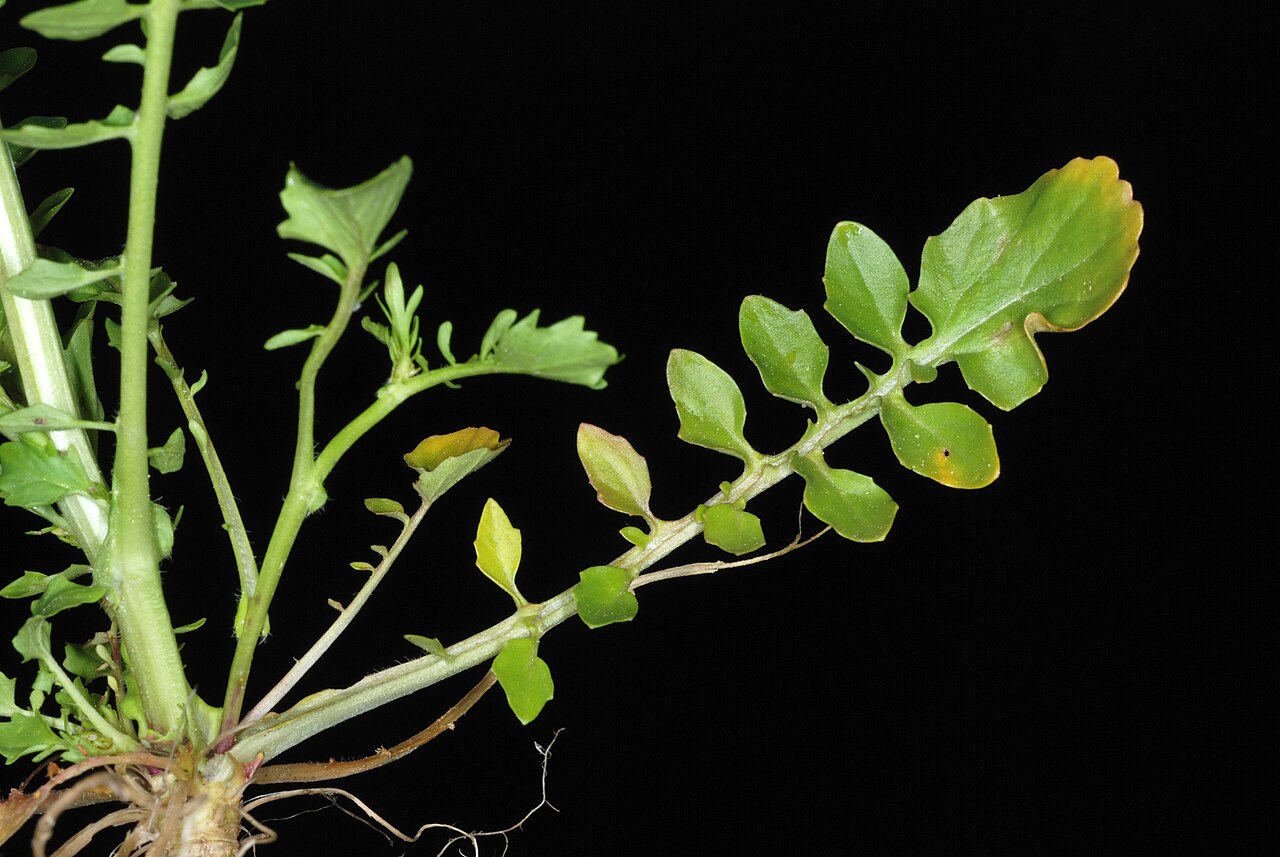
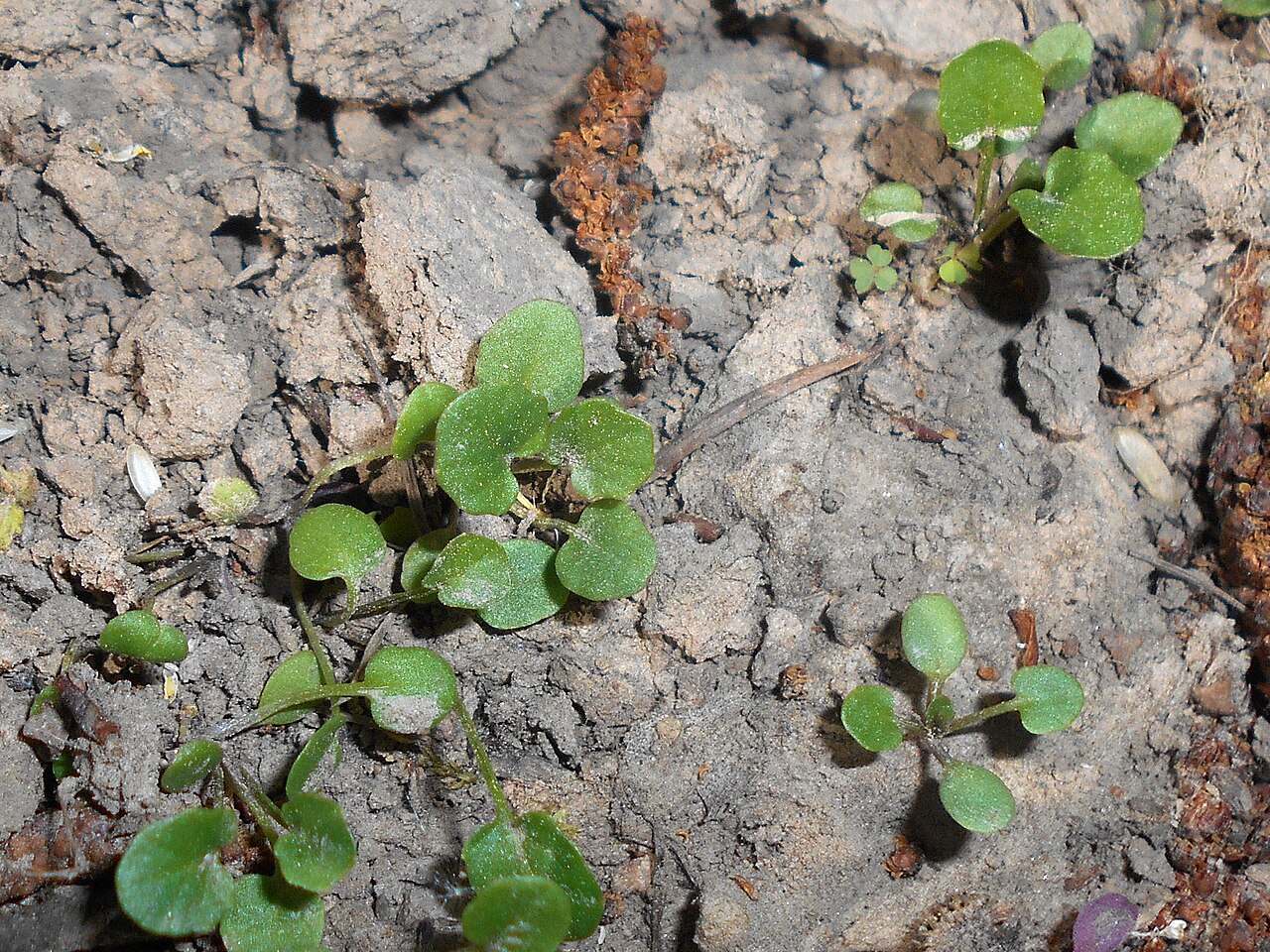
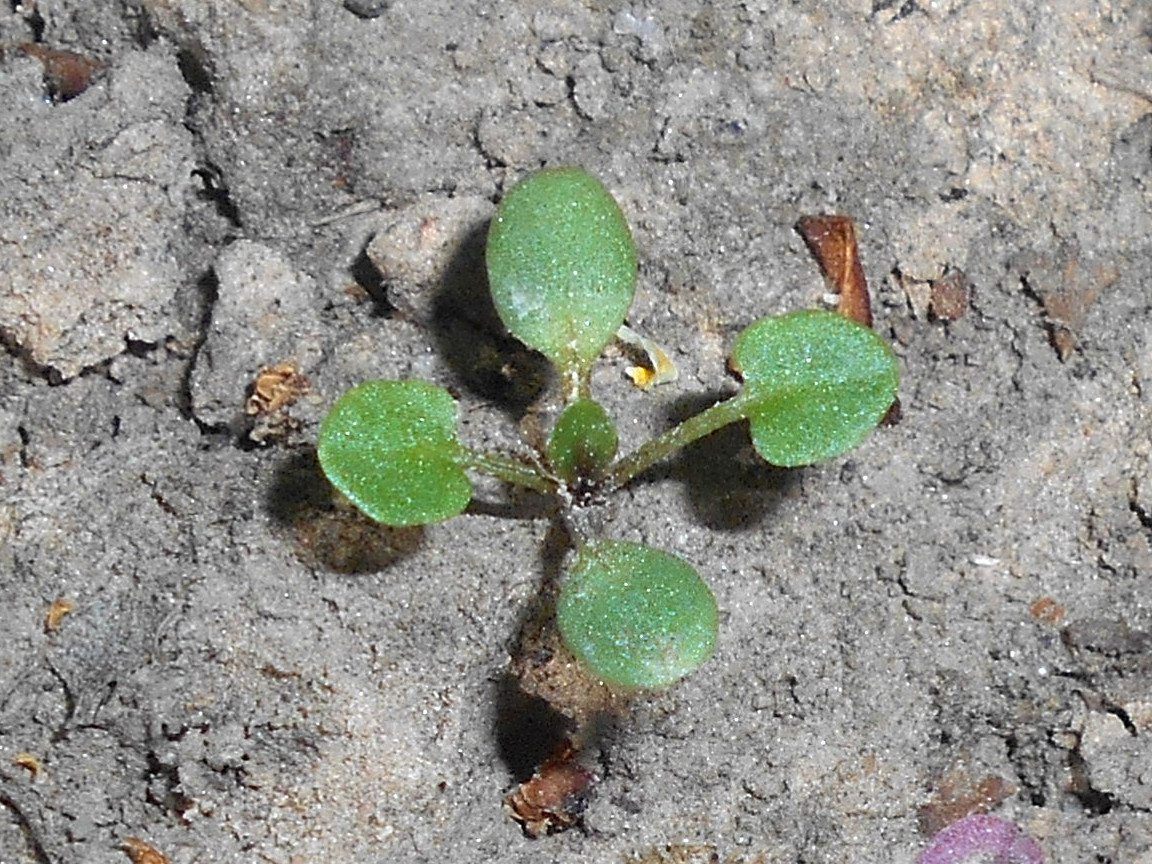
Upland cress, also called American land cress or creasy greens, is a cool-season brassica with dark-green, glossy leaves and a peppery, watercress-like bite — but unlike true watercress, it grows in ordinary garden soil and needs no running water. Direct-sow in early spring as soon as soil can be worked, or in late summer for fall, sowing 1/8 inch deep; germination takes 5–14 days. Thin to 4–6 inches apart. It is very cold-tolerant and slower to bolt than garden cress, though heat still ends the season — succession-sow every 2–3 weeks for a steady supply. Unlike garden cress (Lepidium sativum) and watercress (Nasturtium officinale), upland cress is a different species with a longer, cut-and-come-again season.
Water & feeding
Keep soil consistently moist, especially in warm spells; dry soil makes leaves hot and tough. Feed lightly with compost at planting and a mild organic feed every 3–4 weeks if cutting repeatedly. Avoid heavy clay and waterlogging.
Common problems
- Bolting in heat — sow spring and fall and harvest regularly.
- Flea beetles — row cover if holes appear.
- Slow germination — keep seedbed moist; do not let it dry out.
- Coarse leaves — pick when leaves are about 4 inches wide for the best texture.
Harvest
Pick outer leaves from about 40–55 days, or cut whole rosettes — unusually for a cress, leaves stay good even while the plant is flowering, so the harvest window is forgiving. Use raw in salads and sandwiches or cooked in soups and stews, exactly as you would watercress. Yellow flowers are edible too, and seeds can be sprouted.
Browse all plant & pest guides
Saving seeds
Upland cress is a brassica, and its seed playbook is the brassica playbook. Let a few plants bolt and flower in spring, and do not pick from them; the seed plants are working, not feeding you. The seed pods ripen over several weeks, so harvest the whole plant when most of the pods are dry and brown, and finish drying it in a paper bag.
Upland cress is a biennial, which means it needs a cold winter to flower — in Florida, that means a fall sowing that bolts in spring. Isolation matters: it crosses with other Barbarea and with related mustards, so grow only one type for seed at a time if you want it pure. Dry the seed thoroughly before storing; it keeps four to five years in a cool, dry jar.
Sow in fall in Florida, in moist soil, about a quarter inch deep; germination comes in one to two weeks in cool soil. Save from the best plants — the mildest, least bitter leaves — and let the bitter, bolt-prone ones go to the compost instead of to seed.
In Florida, upland cress is a fall-through-spring green, happiest in north and central Florida with rich, moist soil and part shade. It bolts fast in the heat, so sow in fall for the longest harvest, and let the spring bolters go to seed — that is the crop paying you back.
Varieties
Every named variety of Upland Cress with its own growing guide:
- American Upland Upland Cress — The classic land cress — a pungent, watercress-like rosette, easy in ordinary soil, and the old Southern favorite.
- Creasy Greens Upland Cress — The Appalachian creasy green — spicy, frost-tolerant, self-sowing, and the first edible green of spring.
- Fine Curled Upland Cress — The finely divided upland cress: parsley-like frills with a watercress punch, grown in ordinary soil without a pond in sight.