
🌴 Valencia Cassava
What it looks like
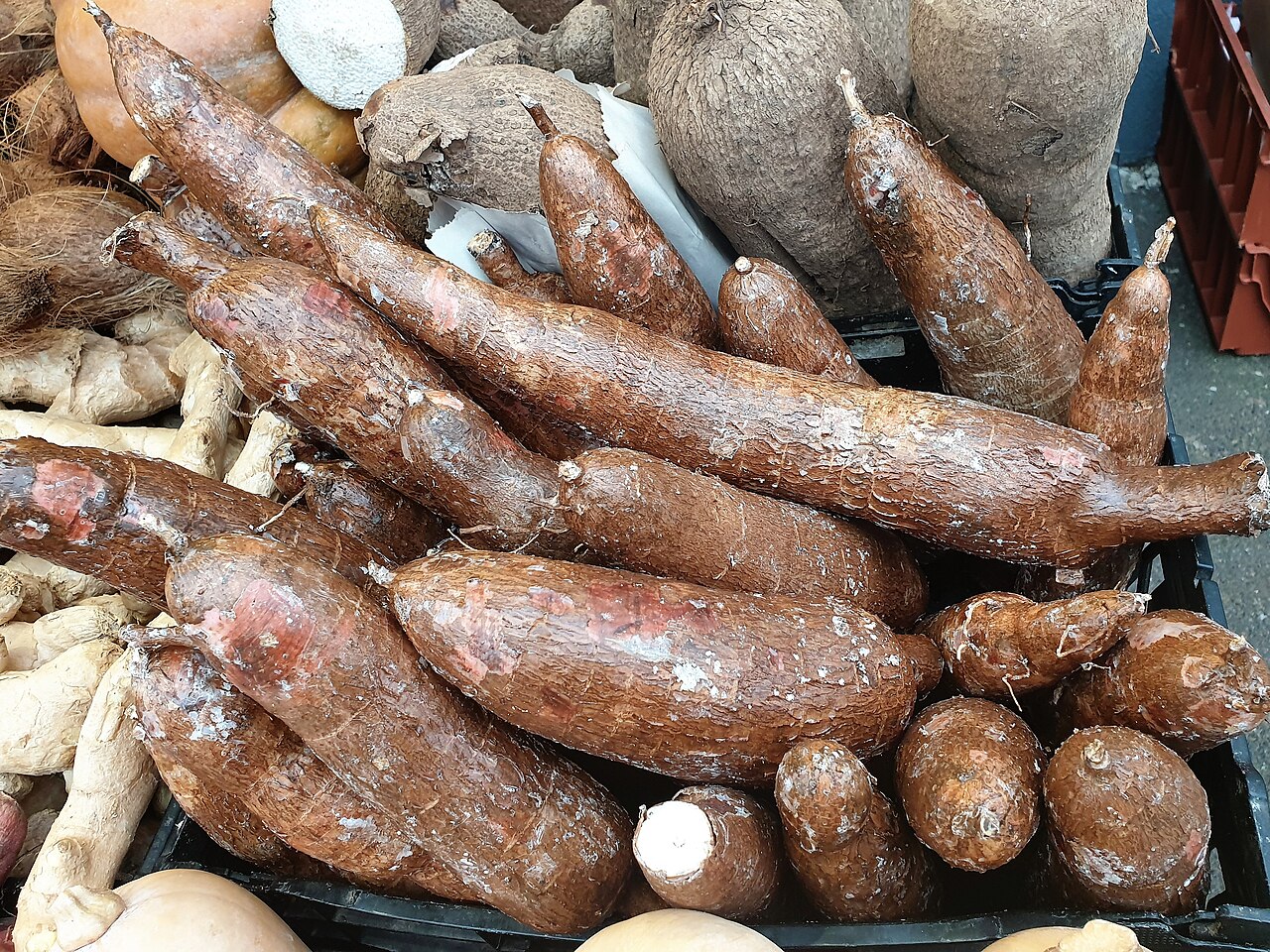
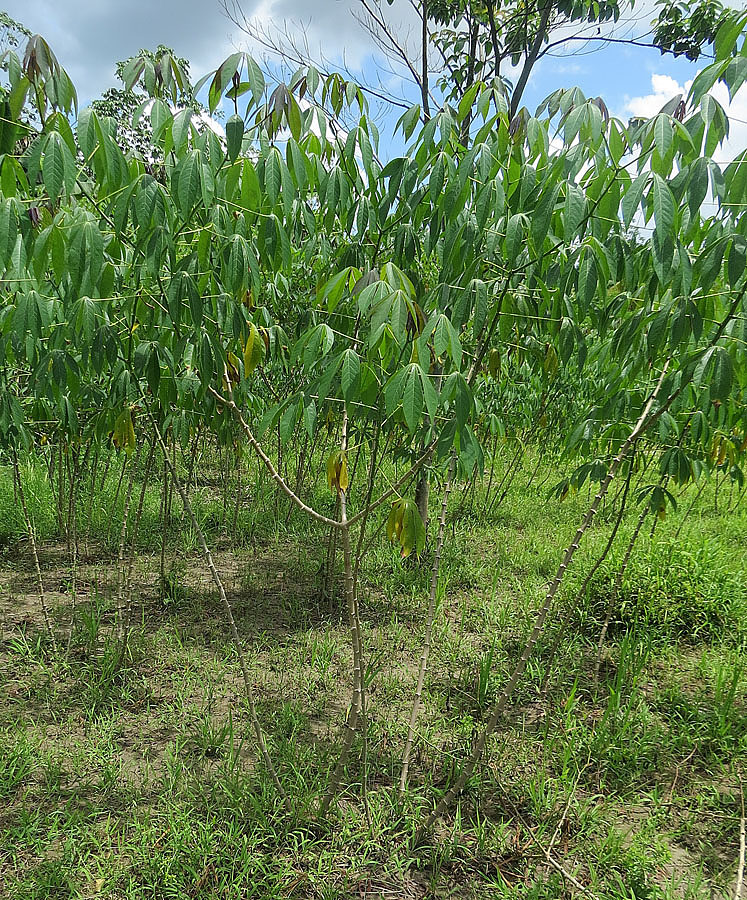
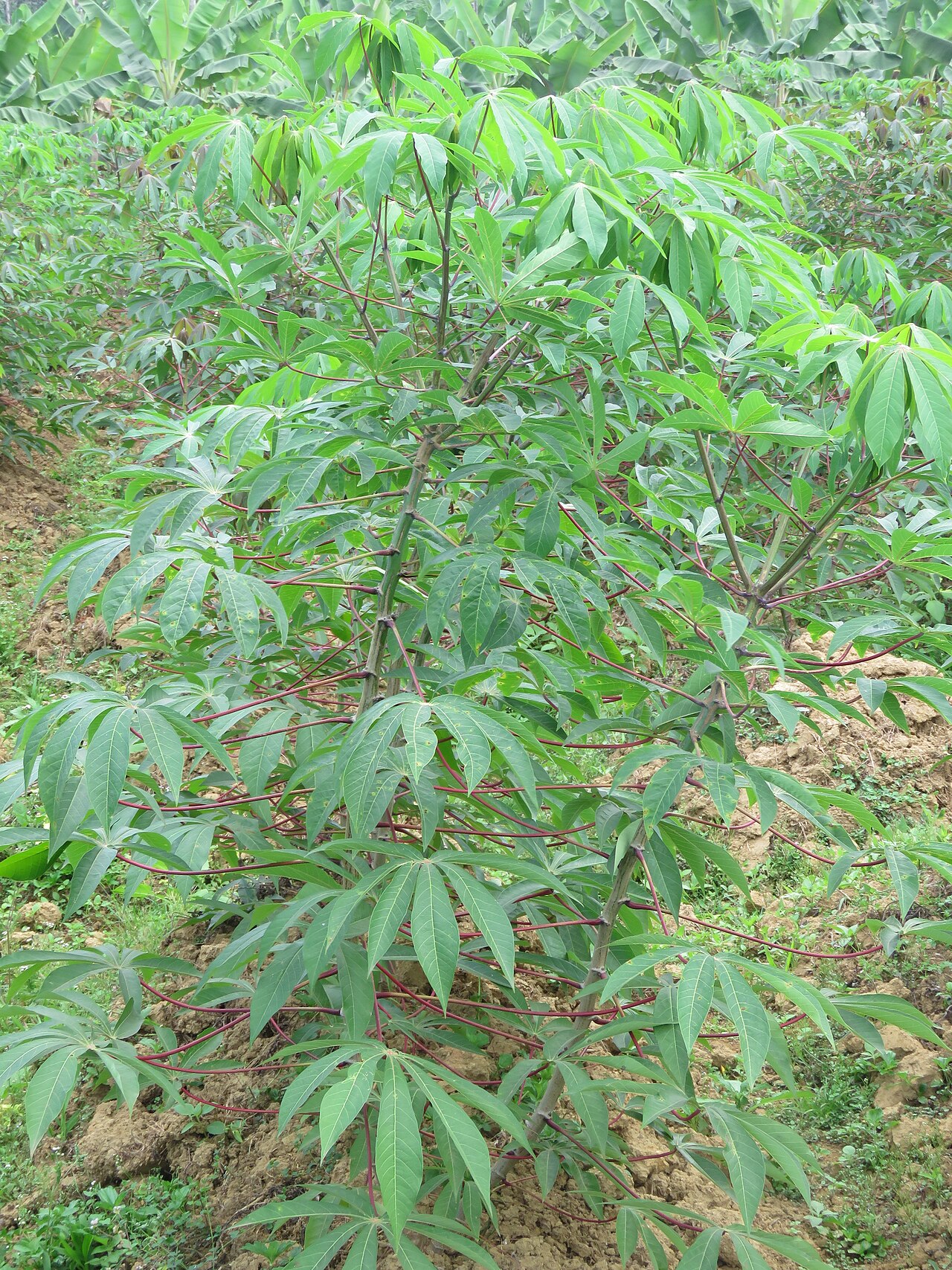
Photos show the species; no verified photo of ‘Valencia Cassava’ itself was found, so these species photos are used with attribution rather than a padded substitute.
Why this variety
Valencia is, alongside Mangi, one of the two best-known cassava varieties of Costa Rica, and it is the higher-yielding of the pair — the one grown wherever the land sits below about a thousand meters and the goal is food, not foliage. It is a sweet-type cassava, which matters enormously: sweet types carry far lower levels of cyanogenic compounds than bitter types, and their roots can be eaten as a vegetable after peeling and cooking, while bitter types are grown for starch and need extensive processing. If you are planting cassava to eat, sweet is the only sensible choice, and Valencia is a proven sweet type.
In Florida, cassava is a Central and South Florida perennial and a North Florida annual, and Valencia fits that reality: it needs eight frost-free months at minimum, stops growing below 50°F, and is killed by frost, so plant it as a long-season summer crop and harvest in late fall. The roots are starchy, mild, and versatile — boiled, fried, mashed, or turned into fries — and a single plant can produce several pounds of roots, which is a lot of carbohydrate from one stick of stem.
For the general picture, start with the Cassava growing guide — this guide covers what makes Valencia Cassava different.
How to grow
Plant stem cuttings, not seed, in spring after frost danger, setting eight- to twelve-inch cuttings three to four inches deep and three to four feet apart, in full sun and well-drained soil. Cassava tolerates poor soil better than almost any crop — it shrugs at sand that would starve a tomato — but it still hates standing water, so raise the bed or mound if your site puddles in summer storms. Work compost or worm castings into the planting hole, and mulch to hold moisture while cuttings establish.
After that, Valencia mostly takes care of itself: water through dry spells, weed while plants are small, and otherwise let it grow into a woody shrub. It needs no staking, no spraying in most gardens, and no fussing — the main job is patience, because a cassava root dug too early is a thin, disappointing thing. In zone 8, take stem cuttings before frost and overwinter them indoors in a frost-free spot, like saving a favorite cutting for next spring, because the plant itself will not survive a freeze.
Water & feeding
Water while cuttings establish and through dry spells, but never let roots sit in water — cassava tolerates drought far better than wet feet. Mulch to hold moisture and suppress weeds while plants are small. Feed lightly: cassava needs about the same soil and fertilizer as sweet potatoes, and in poor soil it still produces, which is the point of the crop. Work compost or worm castings into the planting hole and side-dress modestly mid-season if growth looks pale.
Common problems
- Frost — the hard limit. Growth stops below 50°F and frost kills the plant; in zone 8, save cuttings indoors before the first freeze.
- Root rot in poorly drained soil — mound or raise the bed if summer storms puddle there.
- Cassava hornworm — large caterpillars that can defoliate plants. Handpick; plants usually regrow, but severe defoliation shrinks roots.
- Harvesting too early — thin, disappointing roots. Wait the full season and let the plant look tired before you dig.
Harvest
Harvest at about ten months, when roots are market size — in Costa Rica, export harvest is timed at ten months, when roots reach about forty centimeters long and eight to ten centimeters thick — or later, since cassava roots do not have a single ripe moment and can be left in the ground for months. Cut the stem to about a foot above the soil, then lift the whole plant and pull the roots free. Use roots promptly after harvest, because they deteriorate within days, unlike potatoes: peel thoroughly, remove the woody core, and cook completely — never eat cassava raw, even sweet types.
Use roots promptly after harvest — cassava deteriorates within days, unlike potatoes — and always peel and cook thoroughly, never raw.
Browse all plant & pest guides
Saving seeds
Valencia is, alongside Mangi, one of the two best-known cassava varieties of Costa Rica, and it is the higher-yielding of the pair — the one grown wherever the land sits below about a thousand meters and the goal is food, not foliage. It is a sweet-type cassava, which matters enormously: sweet types carry far lower levels of cyanogenic compounds than bitter types, and their roots can be eaten as a vegetable after peeling and cooking, while bitter types are grown for starch and need extensive processing. The guide states it plainly: plant stem cuttings, not seed, in spring after frost danger, setting eight- to twelve-inch cuttings three to four inches deep and three to four feet apart. Cassava seed will not give you Valencia — only stem cuttings from a Valencia plant will. The full method is in the Propagation section of the Cassava guide.