
🌸 Valerian
What it looks like
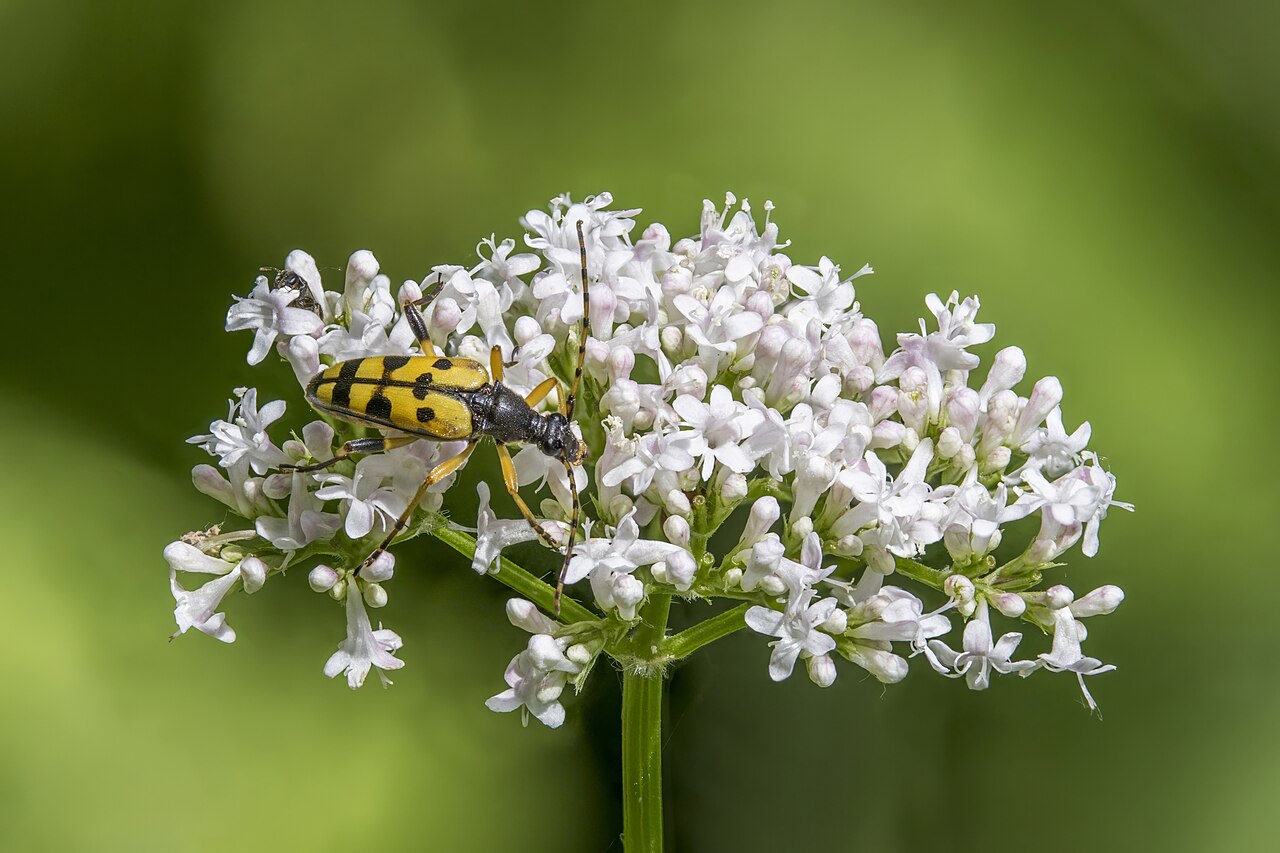
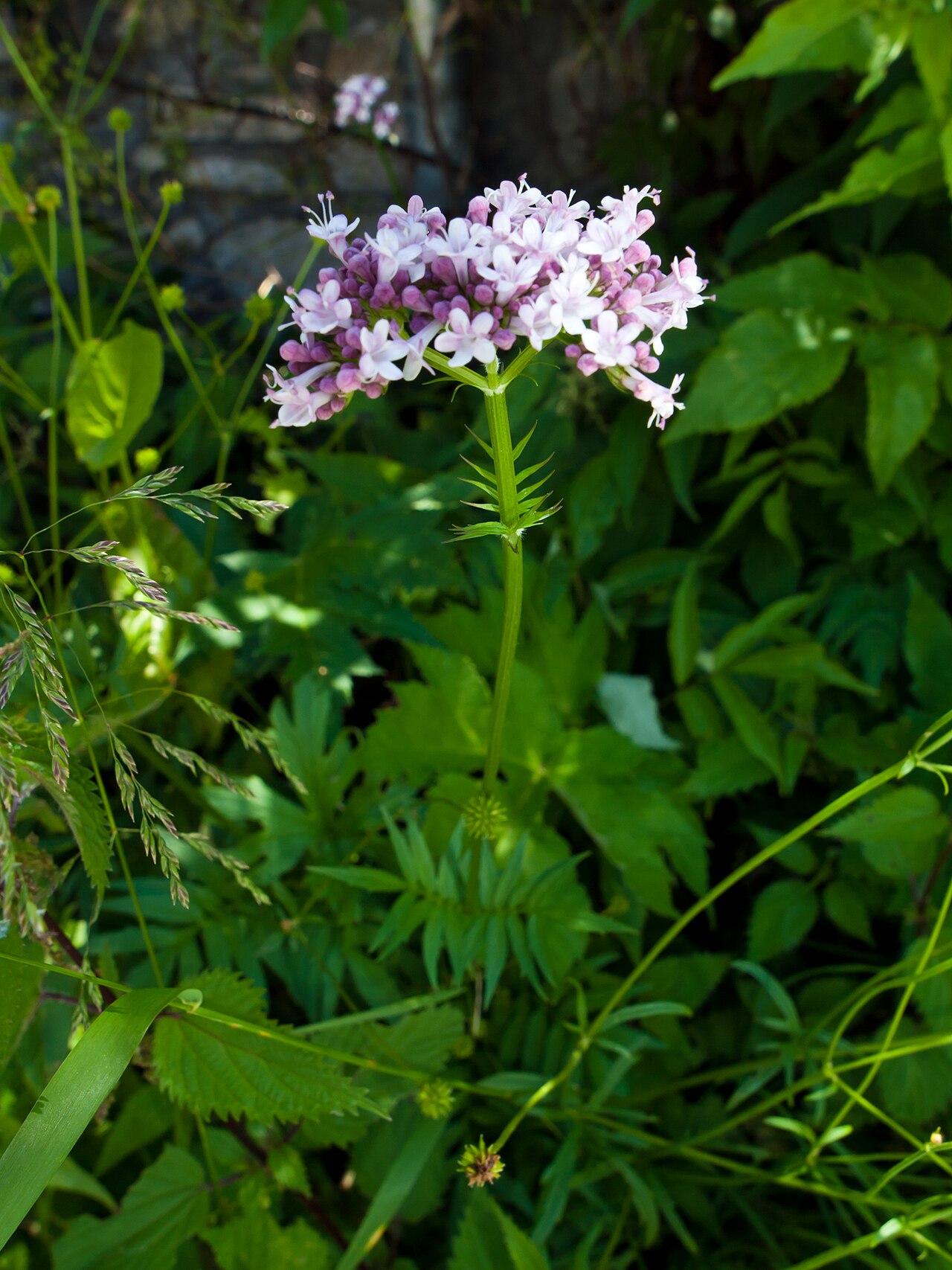
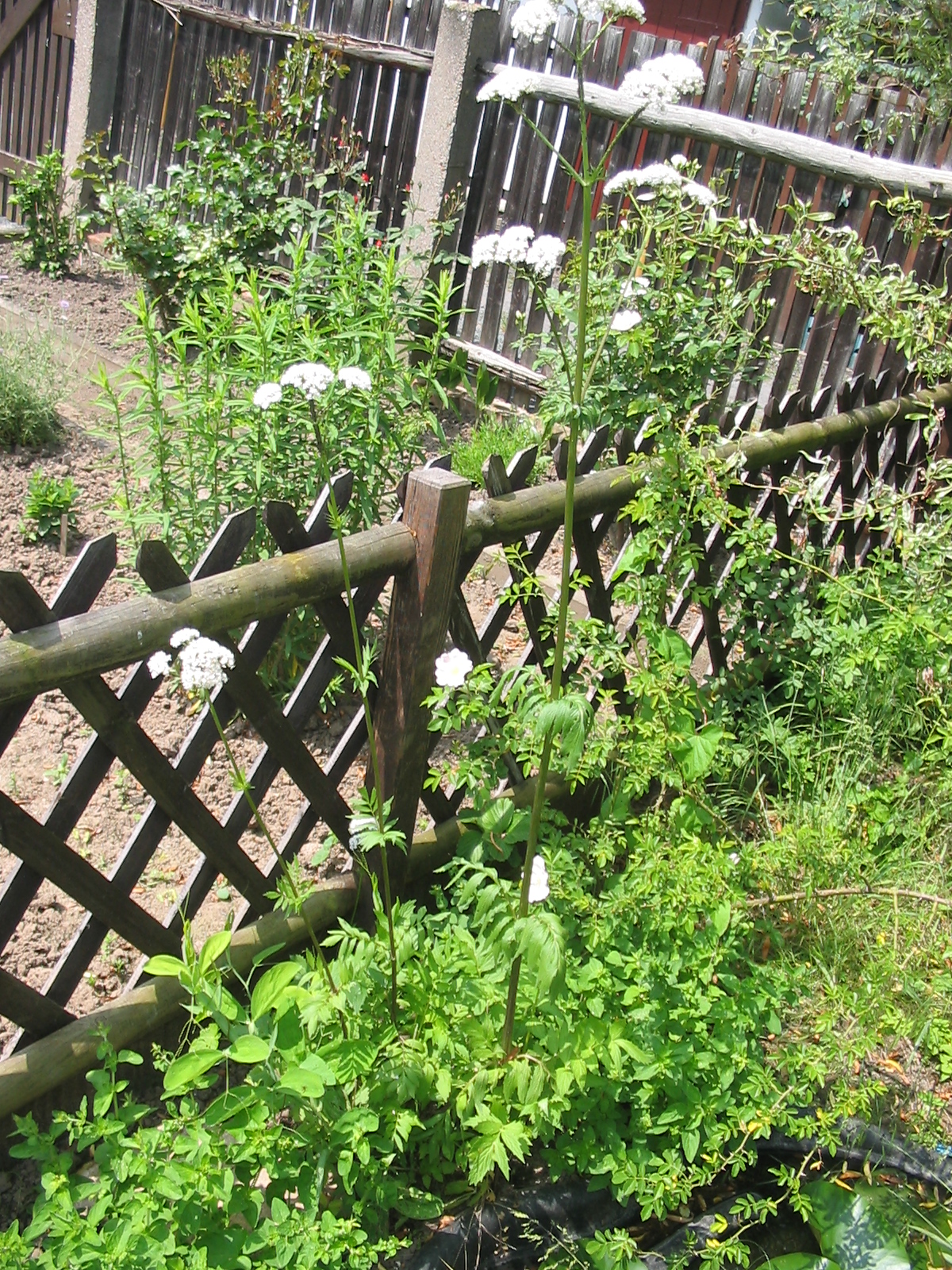
How to grow
Valerian is a big, easy perennial that grows 3-5 feet tall, with pinnate leaves and clusters of small white-to-pink flowers in late spring and early summer. Start from fresh seed (it loses viability fast, so use seed less than a year old) indoors a month before transplanting, or sow outdoors in fall or early spring, covering seed lightly. It prefers a good loam that stays moist but drains — rich, damp soil near a downspout or stream edge suits it, and it tolerates full sun if the soil does not dry out. Put it at the back of the bed: it gets tall, and the flowers are famously fragrant while the roots, famously, are not. Cats may roll in it the way they do catnip, so fence it if your cats are enthusiasts.
Water & feeding
Keep soil consistently moist, about an inch to an inch and a half a week in dry weather; drought makes valerian sulk and go dormant early. Feed lightly with compost or worm castings in spring — it does not need heavy fertilizer. Mulch to hold moisture, and cut flower stalks after blooming if you do not want seedlings, because valerian self-sows readily and can take over a bed if you let every flower go to seed.
Common problems
- Self-seeding takeover — deadhead before seed ripens, or grow it where volunteers are welcome and easy to pull.
- Drought stress — leaves yellow and growth stalls; water deeply and mulch, especially in sun.
- Aphids on flower clusters — a strong jet of water usually settles it; the plant is otherwise remarkably pest-free.
- Cats flattening plants — a small wire cage or a sacrificial patch elsewhere in the garden saves the main clump.
Harvest
Dig roots in the fall of the first year or the following spring before new shoots appear, when the root mass is largest. Wash roots well, chop, and dry them thoroughly at low heat until brittle before storing in a jar. This guide covers growing only — valerian is a potent traditional herb, so any medicinal use deserves a conversation with a clinician first, especially if you take sleep or anxiety medicines. Leave some plants untouched so the clump returns year after year.
Browse all plant & pest guides
Saving seeds
Valerian seed needs light and cold. Let the flower heads ripen on the plant until they are dry and brown, then strip the seed into a paper bag. Sow on the surface of moist mix and do not bury the seed at all — it needs light to germinate — and give it a cold, moist chill of a few weeks first, or sow in fall outdoors and let winter do it. Germination usually comes in two to three weeks after chilling.
It self-seeds freely, so deadhead if you do not want a patch of it everywhere, or let it go and pull the volunteers you do not want. Save from the healthiest plants with the strongest scent, and dry the seed thoroughly before storing — valerian seed loses viability fast, within a year, so save fresh seed every year rather than stockpiling.
Seedlings will vary, and the named selections come only from division. Divide established clumps in spring or fall, and every piece with roots and shoots attached becomes a plant — which is also how you keep the flavor true, since the root is the crop.
Two cautions. First, valerian is a medicinal plant with real sedative effects — this guide does not give medical advice, and the seed note here is for the garden, not the medicine cabinet. Second, the roots smell like old socks when they are dug up, which is normal and not a sign that anything is wrong.
Varieties
Every named variety of Valerian with its own growing guide:
- Lubelski Valerian — The thick-rooted valerian: a high-yielding field cultivar with thick roots, the valerian grown for harvest weight.
- Polka Valerian — The thin-rooted valerian: a field variety with thinner roots but higher active-substance content, the valerian grown for quality.