
⭐ Variegatum Star Jasmine
What it looks like

Why this variety
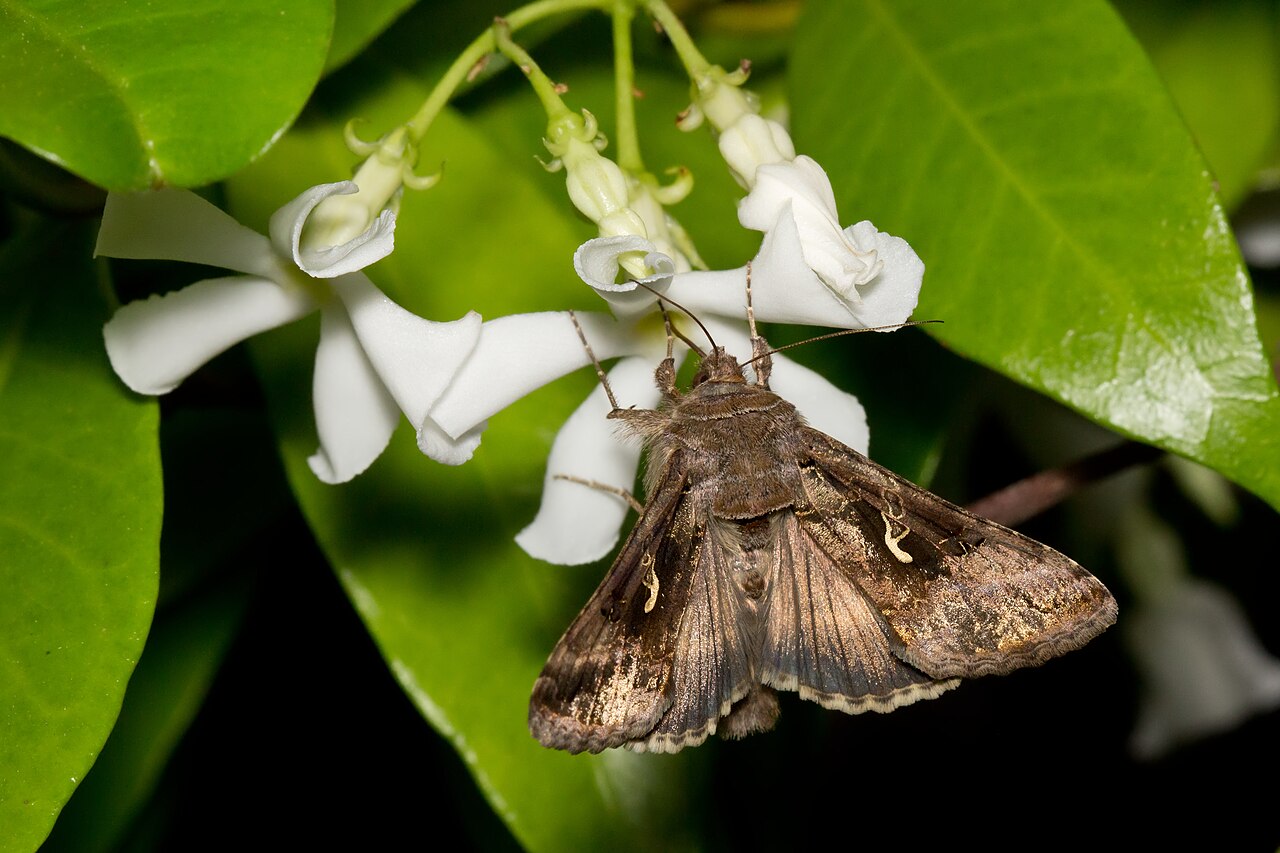
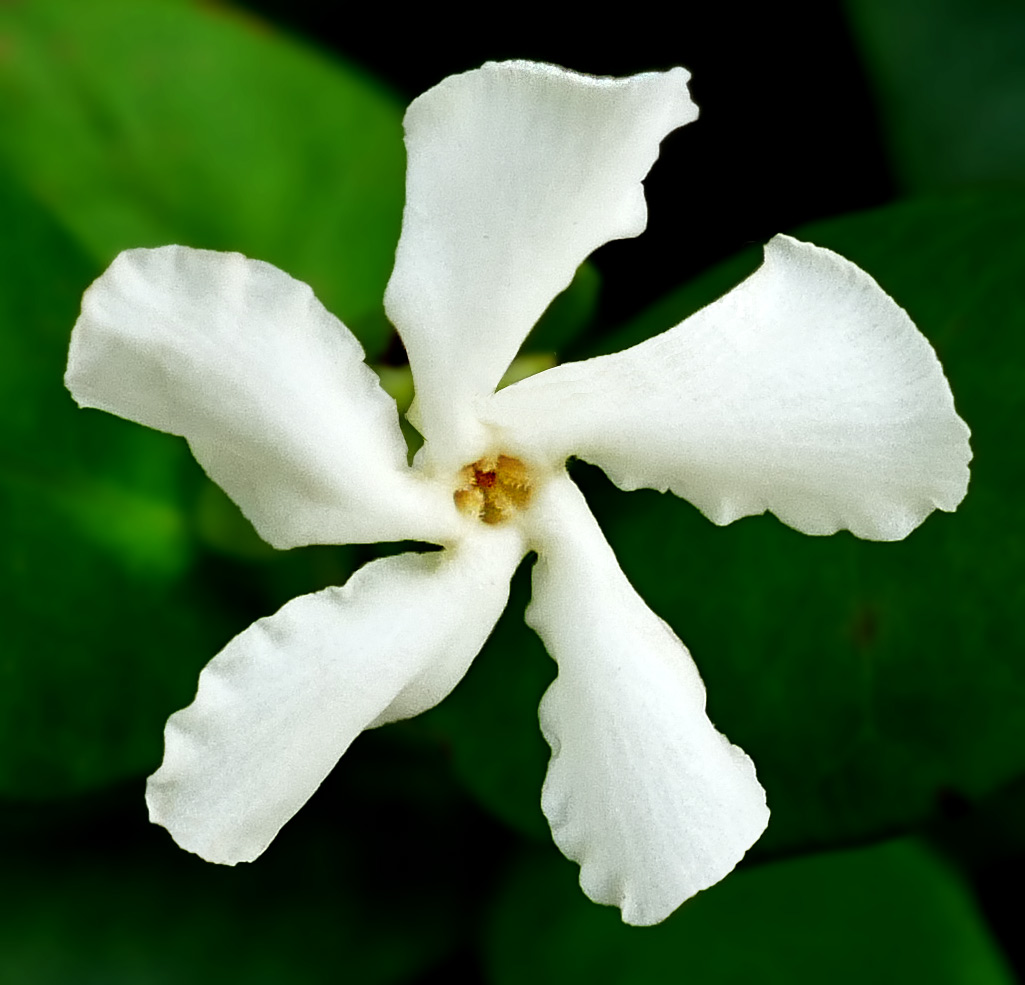
Variegatum is the star jasmine for gardeners who want the fragrance and the foliage: cream-splashed, variegated leaves — green marbled with creamy white — over the same twining evergreen vine, with the same intoxicating white flowers in late spring, often repeating in summer. The variegation brightens a shady wall or a dark corner in a way plain green cannot, and it makes the vine interesting twelve months a year, not just when it blooms.
The trade-off is that variegated star jasmine grows a little slower than green — less chlorophyll means less energy — and its cream markings can scorch in hot, direct sun, so give it part shade or morning sun with afternoon protection in the hottest gardens. It also reverts: green shoots appear on variegated vines, and if you do not prune them out, the green growth outcompetes the variegated. Prune reversions promptly, prune after flowering for shape, and wear gloves — the milky sap can irritate sensitive skin.
If you are new to choosing between cultivars, the Varieties Matter guide explains why the name after the plant matters as much as the plant itself. Variegatum is a perfect example: it is not just a star jasmine in the abstract, it is a star jasmine with a specific job, a specific history, and specific strengths.
Florida honesty: star jasmine is a genuine statewide Florida plant, and Variegatum’s variegation is an asset in Florida’s bright sun — but give it part shade or morning sun in the hottest gardens, because cream markings scorch in blazing afternoon sun. Plant it on a trellis or fence where its bright foliage can be seen, prune reversions and shape after flowering, and enjoy the same orange-blossom perfume as the green form, with foliage that earns its place all year.
How to grow
Plant in spring in sun to part shade and well-drained soil, against a support it can twine around — a trellis, fence, or arbor, not a flat wall, which defeats a twiner. Work worm castings into the planting hole, water through the first season, and prune after flowering to keep it shrubby rather than leggy. Wear gloves when pruning hard — the milky sap can irritate sensitive skin.
Set plants 3-5 feet apart on a support in soil with a pH around 6.0-7.5. Work worm castings into the bed at planting and mulch to hold moisture. A well-fed star jasmine plant rewards that care directly: steadier growth, better bloom, and a show that actually shows up.
Water & feeding
Keep soil evenly moist in the growing season and barely moist in winter — star jasmine wants steady water while it blooms and rest while it rests. Water at the soil line, mulch to hold moisture, and feed regularly in the growing season with a balanced feed; reduce both water and feed when growth slows. A jasmine that is warm, bright, and steadily watered blooms continuously.
Common problems
- Vigorous escape in frost-free gardens — prune hard after flowering and never let it climb into trees or onto roofs.
- Winter dieback at the cold edge — cut out dead wood in spring; established vines regrow vigorously from the base.
- Loss of variegation in shade — variegated forms green up without sun; give Variegatum sun or part shade, not deep shade.
- Scorch of variegated leaves in hot sun — give Variegatum afternoon shade in the hottest gardens.
- Milky sap irritating skin — wear gloves when pruning hard; the sap can cause a rash in sensitive people.
- Scale and aphids on stressed vines — prune out badly infested growth and encourage predators; avoid broad-spectrum sprays.
Harvest
Cut a few flowering stems for scent indoors in late spring, when blooms are fully open — star jasmine flowers perfume a room for a day or two and suit small, fragrant bouquets. Prune after flowering for shape, cutting back long shoots to keep the vine shrubby rather than leggy, and prune out reverted green shoots on variegated forms. Wear gloves when pruning hard — the milky sap can irritate sensitive skin.
Browse all plant & pest guides
Saving seeds
Variegatum is the star jasmine for gardeners who want the fragrance and the foliage: cream-splashed, variegated leaves — green marbled with creamy white — over the same twining evergreen vine, with the same intoxicating white flowers in late spring, often repeating in summer. The variegation brightens a shady wall or a dark corner in a way plain green cannot, and it makes the vine interesting twelve months a year, not just when it blooms. Seed will not repeat the variegation, so Variegatum is kept true by cuttings: take semi-hardwood cuttings after flowering and root them in well-drained soil. It also reverts — green shoots appear on variegated vines, and if you do not prune them out, the green growth outcompetes the variegated — so prune reversions promptly, and give it part shade or morning sun with afternoon protection, because its cream markings can scorch in hot, direct sun. The full method is in the Saving seeds section of the Star Jasmine guide.