
🌿 Vietnamese Coriander
What it looks like

How to grow
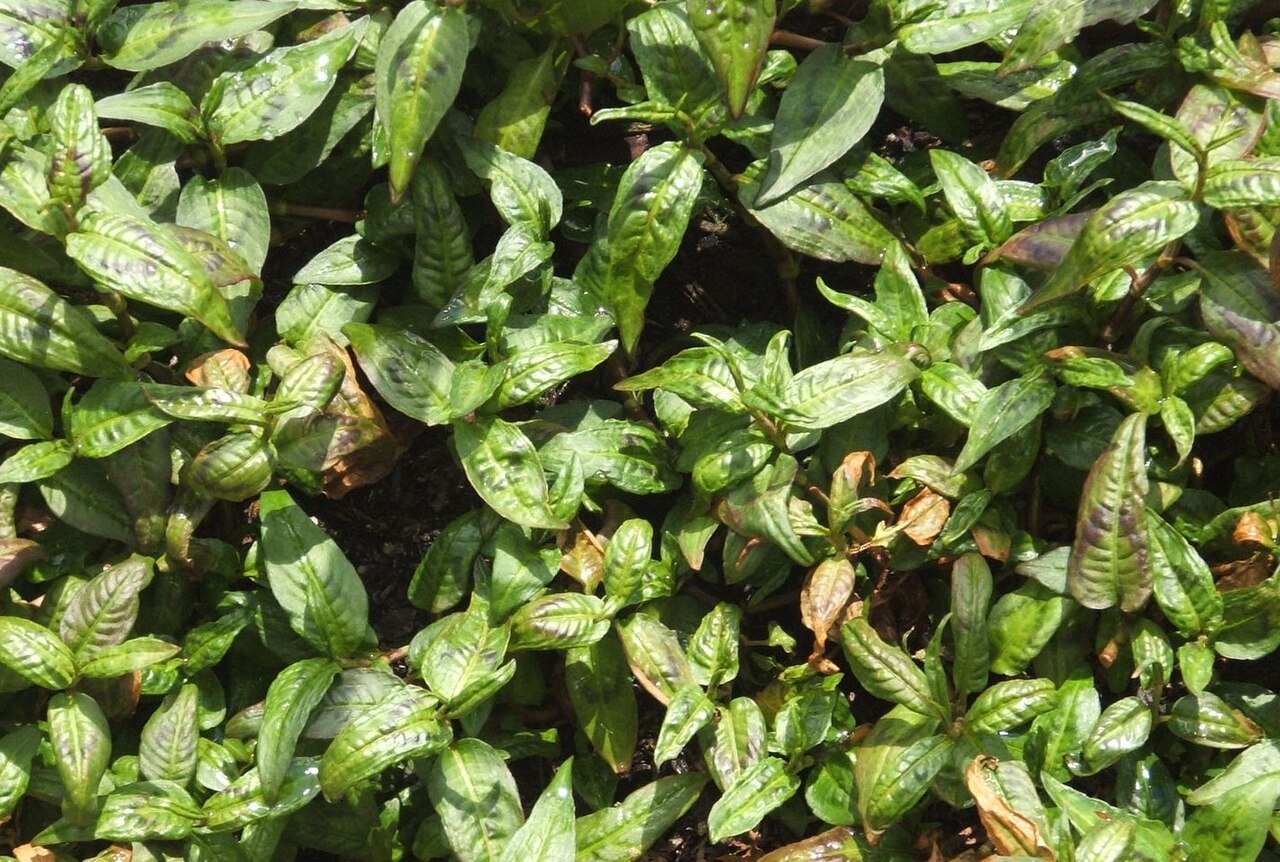
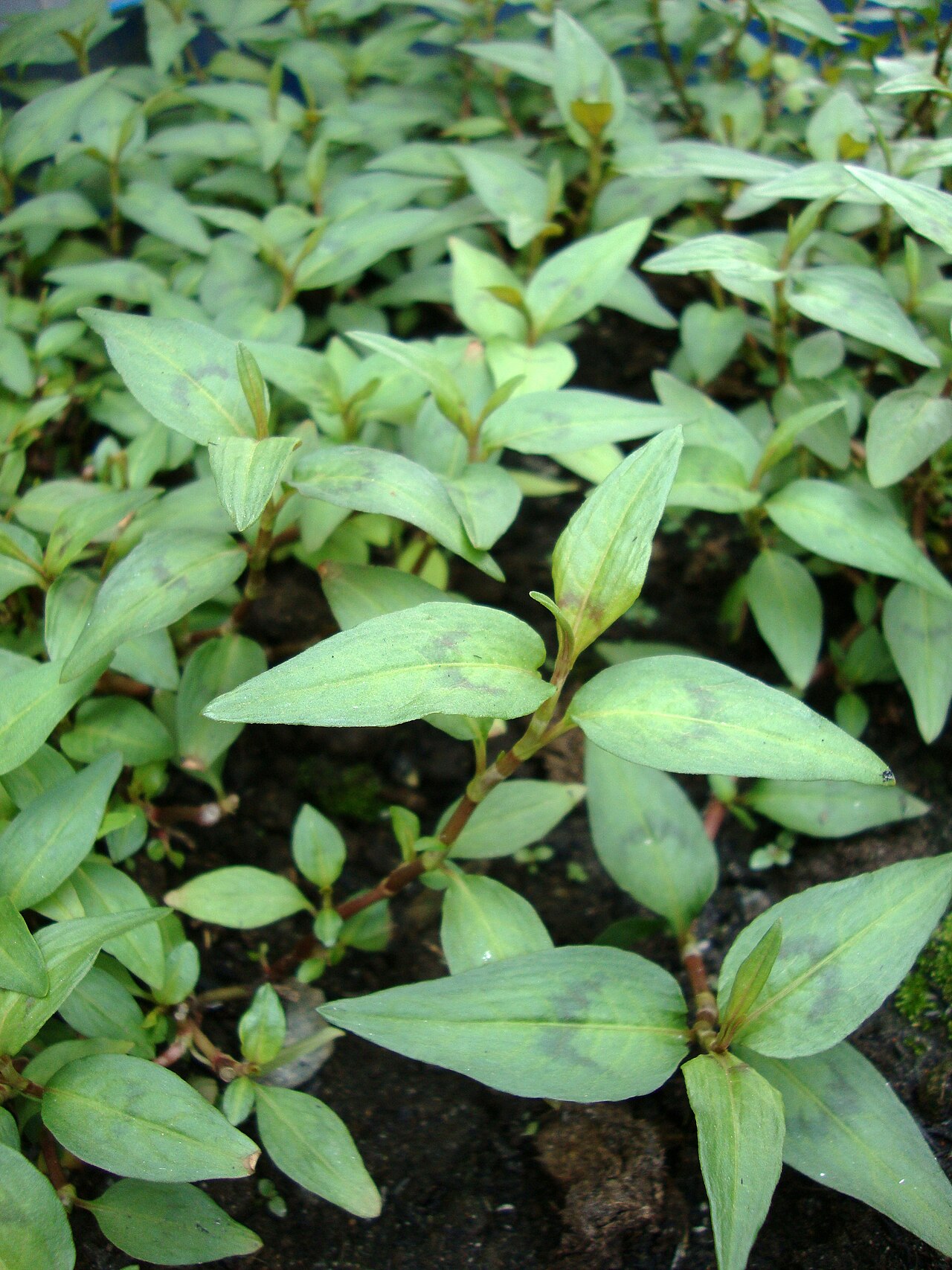
Vietnamese coriander (rau răm) is a Southeast Asian herb with pointed, often dark-blotched leaves and a flavor like cilantro with a peppery, slightly minty edge — used in Vietnamese salads, spring rolls, and soups, and as a garnish for dishes where cilantro would wilt or bolt. Like culantro, it solves cilantro's heat problem, but by a different route: Vietnamese coriander loves heat and moisture, and it actually prefers wet soil, even tolerating boggy spots that would rot most herbs. In zones 9-11 it is a perennial groundcover that spreads by runners; everywhere else, grow it as a summer annual or in a pot brought indoors before frost. Start from cuttings or nursery plants — cuttings root readily in water, which is the easiest propagation — since seed is rarely available. It wants part shade in hot climates (full sun scorches its leaves), rich, moist soil, and regular pinching to keep it bushy and delay flowering. In Florida and the Gulf South it thrives in humidity and shade where cilantro fails, making it a practical summer substitute. Keep it contained if you plant it in the ground in warm zones, since it spreads enthusiastically in moist soil.
Water & feeding
Keep soil consistently moist to wet — Vietnamese coriander is one of the few herbs that tolerates soggy soil, and it wilts fast when dry. About an inch or more a week, more in containers. It is a moderate feeder: worm castings at planting and a light midsummer top-dress keep leaves tender. Mulch to hold moisture.
Common problems
- Drought stress — this herb wants wet soil; do not let it dry out.
- Spreading in moist ground — grow in a pot or contained bed in warm zones.
- Frost kill — it is tropical; harvest or pot up before first frost in zones below 9.
- Leaf scorch in full hot sun — give afternoon shade in zones 8 and warmer.
Harvest
Harvest leaves and tender sprigs as needed once plants are established, taking no more than a third at once. Use fresh leaves in salads, rolls, and soups — Vietnamese coriander loses its flavor when dried, so freeze chopped leaves in water if you need to preserve a glut. Add it at the end of cooking or use it raw; long cooking dulls its peppery edge. A handful of fresh rau răm in a chicken salad is the classic use, and it is worth growing the plant for that dish alone.
Browse all plant & pest guides
Propagation
The honest headline: Vietnamese coriander rarely sets seed, and cuttings are the route. Persicaria odorata — rau ram — almost never flowers in cultivation, and when it does, the seed is rarely viable. There is no seed to save, and no reason to try. If your plant is flowering, enjoy the novelty; do not plan a seed harvest around it.
Cuttings root in days. Take a stem cutting four to six inches long, strip the lower leaves, and stick it in moist soil — or in a glass of water first, if you like watching roots form. In Florida’s warm season, a cutting stuck in wet soil roots in a week and is established in a month. The plant spreads by runners that root wherever they touch soil, so a patch you planted becomes a patch that plants itself.
Ask a friend growing it for cuttings, or buy a plant at an Asian market or plant sale — one plant becomes a patch fast, and every plant is a clone, so the peppery, coriander-scented leaves you love are the leaves you get. Keep a few cuttings in a pot over winter in colder zones, since it will not survive frost.
Vietnamese coriander wants wet feet — it is happiest in moist soil, in a pot that never quite dries out, or at the edge of a pond. Give it part shade in hot climates, keep it watered, and cut it often — the more you pick, the bushier it gets, and the later it tries to flower.