
🫘 Wase Adzuki Bean
What it looks like
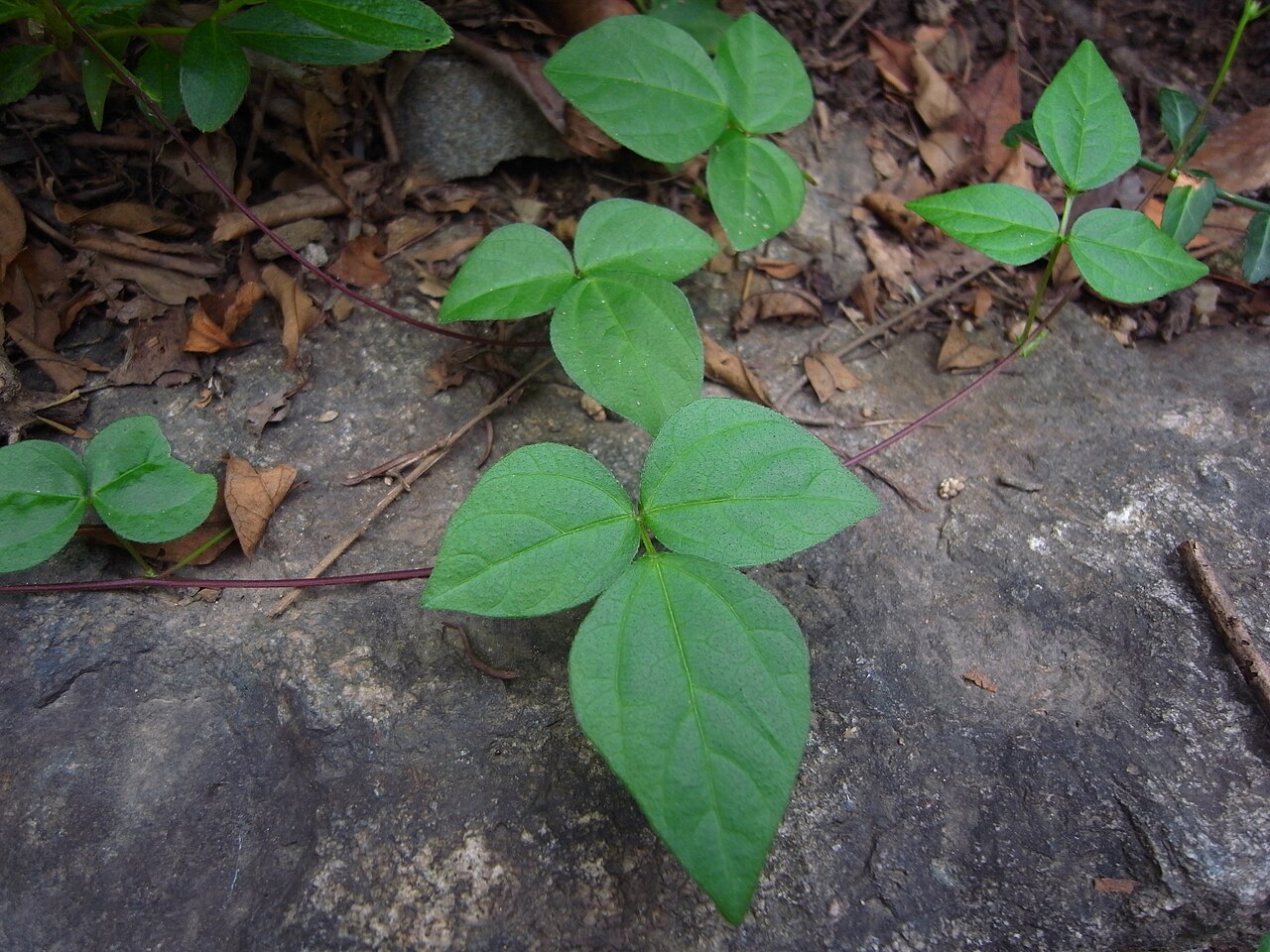
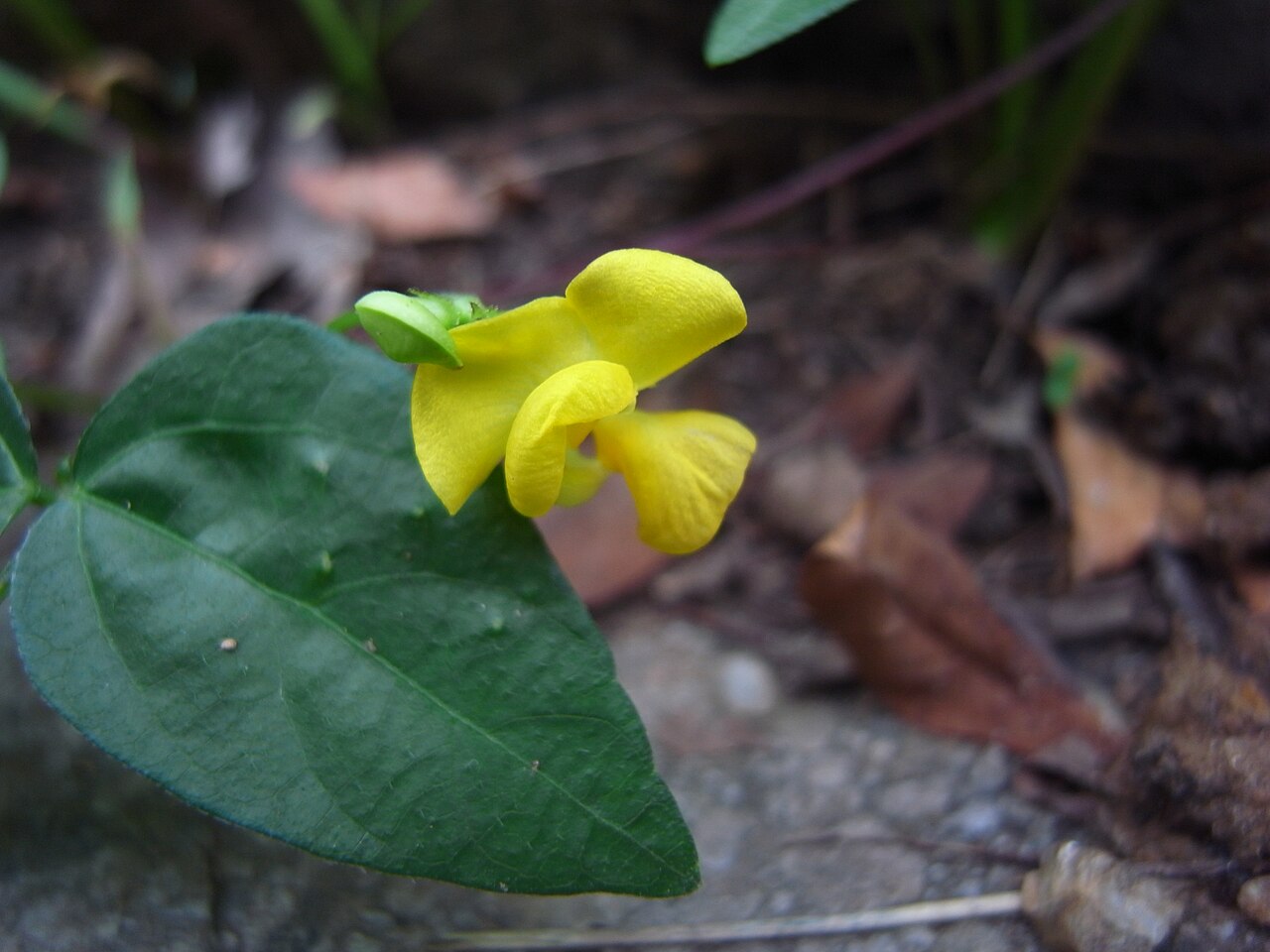
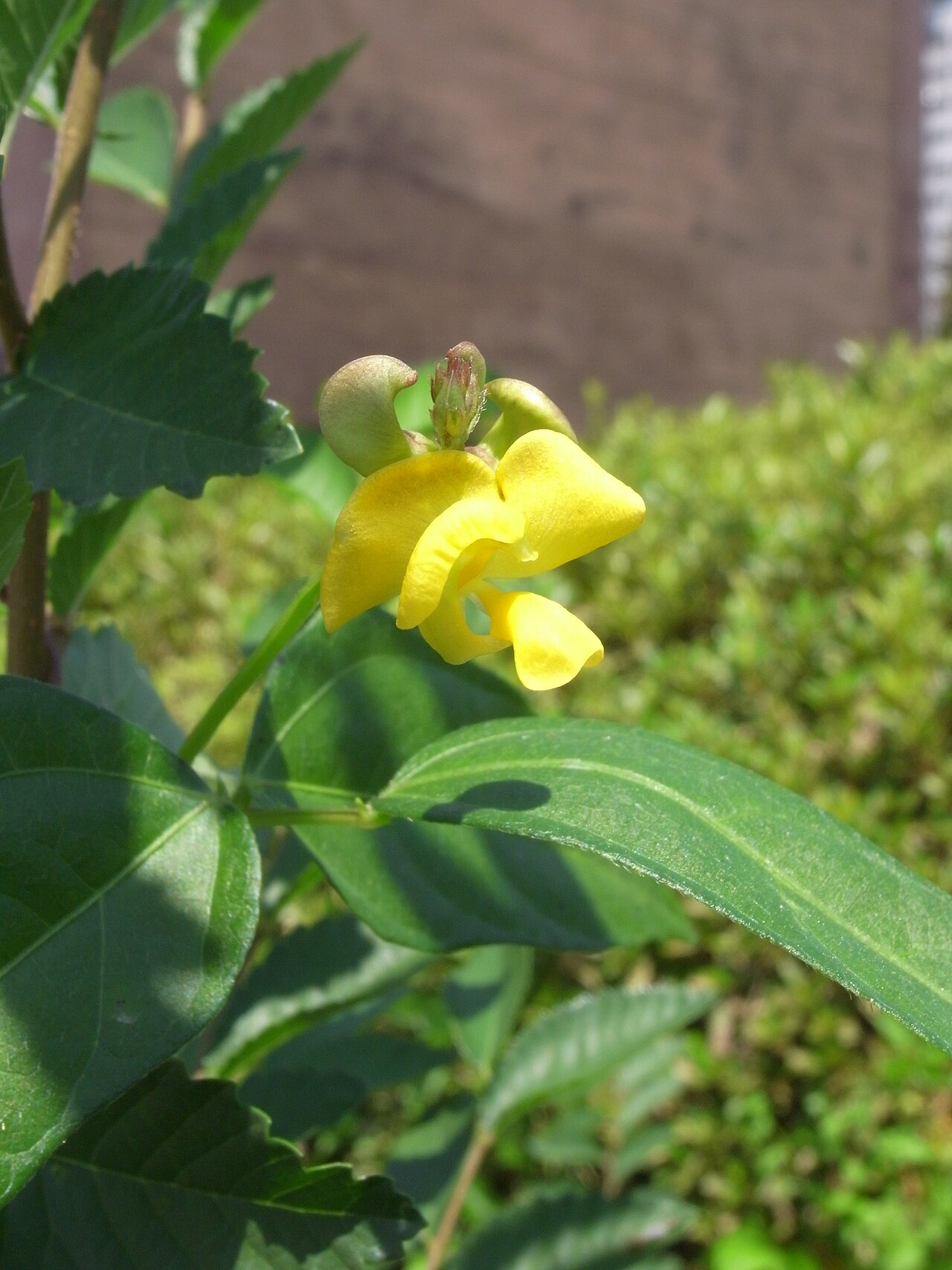
Why this variety
Wase is the adzuki for gardeners who look at Takara’s 100-plus days and think, my season is not that generous. Wase — the name means early in Japanese — is a small, compact heirloom from Kyoto that matures in 60 to 80 days, which makes it the adzuki most likely to actually finish in a short season or a late sowing. Plants are bushy and small, the beans are among the smallest red beans a seed house sells, and the flavor is anything but small: nutty, sweet, and rich, the classic adzuki taste in a faster package.
The practical advantage is not just speed, it is insurance: a variety that finishes in two months can be sown after an early crop, can dodge a late-season storm, and can still give you dry beans when a long-season variety would still be green. Wase is also a good container candidate, because its plants stay compact, and a good succession candidate, because you can sow it twice in a long season. If Takara is the standard, Wase is the sprinter — same bean, same kitchen, half the wait.
If you are new to choosing between cultivars, the Varieties Matter guide explains why the name after the plant matters as much as the plant itself. And if you want the whole clan at a glance, the broader Adzuki Bean guide covers adzuki beans generally.
How to grow
Adzuki beans in Florida are a warm-season project that likes heat but hates wet feet, so the bed matters as much as the calendar. Sow after the last frost, once the soil is genuinely warm, in the sunniest, best-drained bed you have, and do not let summer downpours sit on the plants — raised beds and sandy soil that drains fast are your friends here, and a thick mulch keeps soil from splashing onto pods. Adzukis are bushy and compact compared with pole beans, so they fit a small bed, and they fix their own nitrogen as they grow, which means they improve the very soil they stand in. Give them a long, warm runway and they will reward you with pods that dry on the plant, ready for soup, sweet paste, and everything in between.
Sow directly once the soil is warm, at least 65°F, planting seeds an inch deep and 4 to 6 inches apart, in full sun and well-drained soil. Because Wase matures fast, you can sow it later than Takara — even into early summer in a long season — but do not sow it into cold soil, because cold, wet seed rots before it sprouts. Keep the bed weeded early, mulch once plants are established, and water steadily while pods fill, because drought during pod fill makes small beans even smaller. Expect a bushy plant barely two feet tall, with slender pods held above the foliage.
Water & feeding
Adzukis want steady, moderate water — about an inch a week while they flower and fill pods — and they punish both extremes: soggy soil rots seed and invites disease, while drought during pod fill makes thin, shrunken beans. Work worm castings into the bed at sowing, and go easy on nitrogen fertilizer, because these plants make their own nitrogen with root bacteria and extra nitrogen grows leaves instead of beans. Water at soil level to keep foliage dry, mulch to hold moisture, and ease off watering once pods start to dry if you are saving dry beans.
Common problems
Cold, wet soil at sowing is the main killer, followed by weeds outcompeting small plants, so warm soil and early weeding are the whole prevention plan. Aphids and bean beetles may appear; check leaves and act early. Pods shatter if left too long after drying, so harvest promptly once pods brown, and dry under cover if rain threatens. Wase’s earliness is also its defense: it often finishes before the worst late-season disease pressure arrives, which is one more reason to grow the early one.
Harvest
Pick pods when they are brown and dry, or pull whole plants and finish drying indoors on a tarp, then thresh and winnow as with any dry bean. Wase beans cook fast for a dry bean — soak a few hours or overnight, simmer until tender, and use them in soup, stew, or sweet paste, where their small size means a smooth texture with minimal work. Store dry beans airtight and cool, and save seed from your best plants: Wase is open-pollinated and comes true from saved seed.
Nerdy fact: Wase is listed by seed houses as an All-America Selections winner, which is a rare honor for a dry bean — most AAS winners are tomatoes and flowers, not the humble adzuki, and Wase earned its medal by being early, productive, and genuinely useful.
Saving seeds
Wase — the name means early in Japanese — is the adzuki for gardeners who look at Takara’s 100-plus days and think, my season is not that generous: a small, compact heirloom from Kyoto that matures in 60 to 80 days, with beans among the smallest red beans a seed house sells and a flavor that is anything but small — nutty, sweet, and rich, the classic adzuki taste in a faster package. It is a documented heirloom, and adzuki is a selfing legume with no F1 hybrid adzuki seed in the trade, so seed saved from it comes true to Wase. Let pods dry on the plant, shell them, and dry the seed hard before storing — and sow it twice in a season if you like, since a variety that finishes in two months can follow an early crop. The full method is in the Saving seeds section of the Adzuki Bean guide.