
🦋 Wild Lime
What it looks like
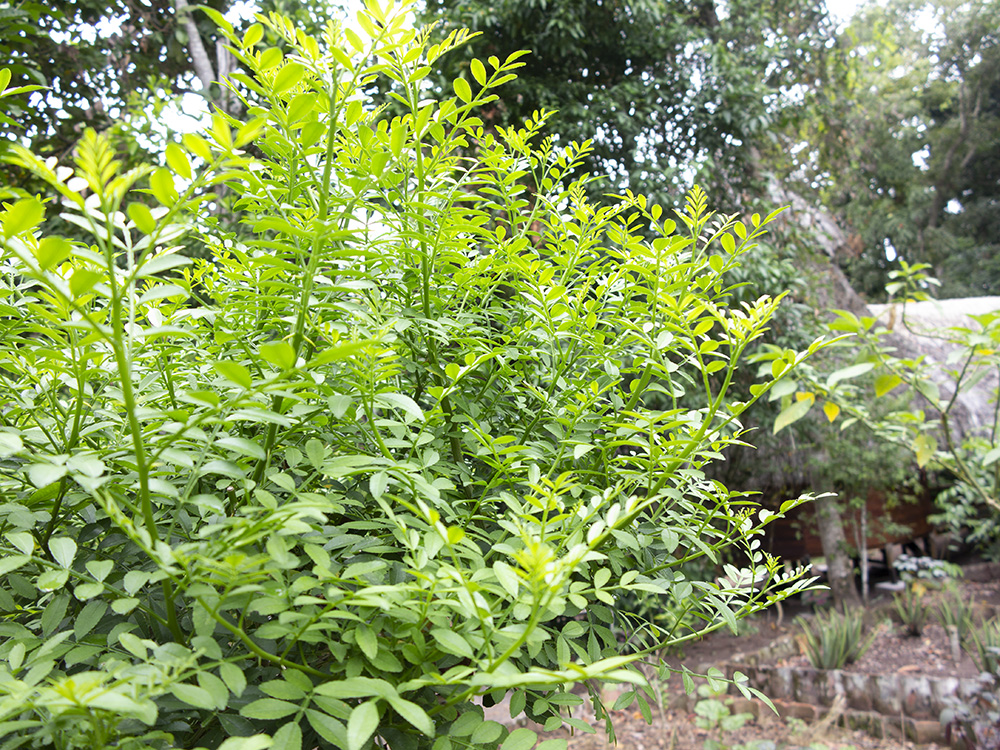
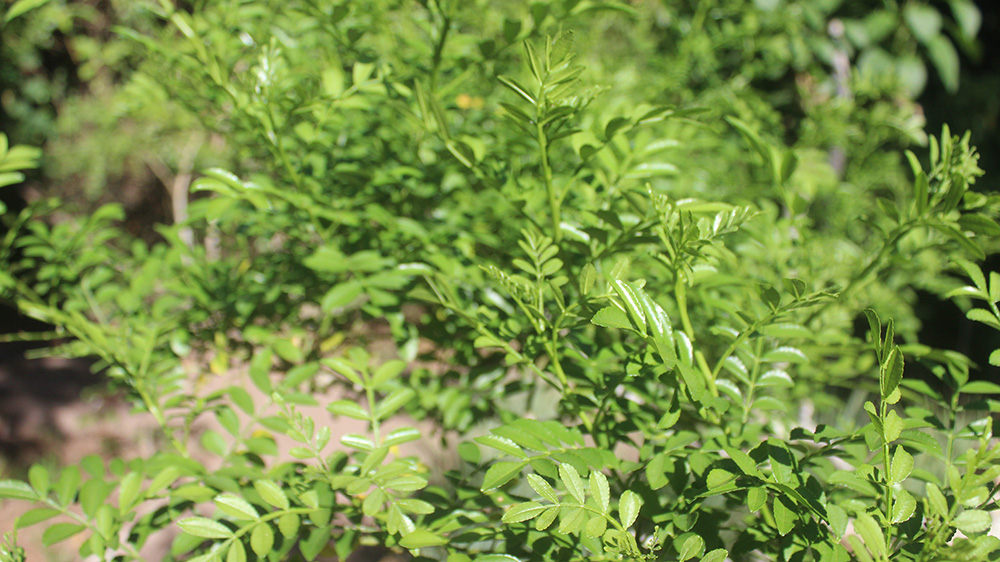
Wild lime is a small, thorny tree or large shrub with glossy, compound leaves that smell faintly citrusy when crushed, and curved spines on the stems and leaf stalks. In spring it carries small greenish flowers, and by summer and fall it makes small dark fruits that birds eat.
It grows as a dense, rounded tree, typically 15 to 25 feet in time, but it takes pruning well and is often grown as a large hedge. Its thorns make it a security hedge as well as a wildlife hedge, which is a combination few plants offer.
Why this variety
Choose wild lime when you want a butterfly garden that raises giant swallowtails. The giant swallowtail, the largest butterfly in North America, lays its eggs on wild lime and other citrus relatives, and its caterpillars, which look like bird droppings, are a badge of honor on this plant, not a pest problem.
It is also a tough coastal and hammock tree that tolerates salt, limestone, drought, and heat, and it makes a dense screen that actually keeps people and animals out, thanks to those thorns. A hedge that is beautiful, native, and defended is a rare thing.
How to grow
Plant in sun to part shade in well-drained soil, in fall or spring. Wear gloves and long sleeves when you plant it: the thorns are real. Dig a hole twice the pot width, water deeply, mulch, and give it room to reach its natural width.
Prune after fruiting to shape it, or clip it into a hedge in spring. If you want it as a tree, limb it up over time, removing the lowest branches gradually rather than all at once.
Water & feeding
Water deeply once or twice a week while it establishes, then water in extended drought. Once rooted, wild lime is drought tolerant and handles sandy and limestone soils well.
Feed with compost in spring. It is not a heavy feeder, and in poor sand a little compost goes further than a bag of fertilizer.
Common problems
Thorns: plan the location before you plant. Do not put wild lime where children play, where you brush past it daily, or where you will regret the thorns every time you prune. Gloves are not optional.
Giant swallowtail caterpillars: these are the reason to plant it. If the caterpillars eat leaves, leave them; the tree regrows, and the butterflies are the point.
Freeze damage: wild lime is a south and coastal central Florida plant. A hard freeze can damage it, so plant it in a sheltered spot in central Florida.
Not a culinary lime: despite the name and the citrusy leaves, wild lime is not a lime tree and its fruits are not for cooking or eating.
Harvest
There is no edible harvest. The harvest is giant swallowtails in summer, birds eating the fruits in fall, and a dense, thorny screen that does a job no soft hedge can do.
Enjoy the citrus scent of crushed leaves in the garden, but leave the fruits for the birds. A wild lime in butterfly season, with swallowtails the size of your hand, is the best harvest a native tree can give.
Browse all plant & pest guides
Saving seeds
Wild lime seed is slow but easy. Let the berries ripen fully — the darkest fruit on the healthiest shrub — and clean the pulp off the seed, because pulp inhibits germination. Sow fresh in moist mix, barely covered, and keep it warm and damp. Germination usually comes in a few weeks to a few months, and it is slow and uneven, so do not throw the pot out after a month of nothing.
Sow fresh if you can; wild lime seed does not store well, and dried seed may never germinate. Save from the shrub with the best fruit — the fullest berries, the densest growth — and dry the seed thoroughly before storing; it keeps a year at most, and viability drops fast if it is stored warm or damp.
Seedlings will vary, and the named forms come only from cuttings. Cuttings root readily in warm, moist mix, and every cutting is a clone of the parent. Seed is for the species itself and for the patient gardener. A seedling will be a wild lime, but it will not be a named cultivar, and it may take a few years to flower.
Wild lime is a Florida native for sun and well-drained soil, a butterfly host — the giant swallowtail lays its eggs on it — and a bird plant, happiest in a dry, sunny spot. It is thorny from the start, so wear gloves when you handle it, and plant it where the thorns are a feature, not where children play.