
❄️ Wintergreen
What it looks like
How to grow
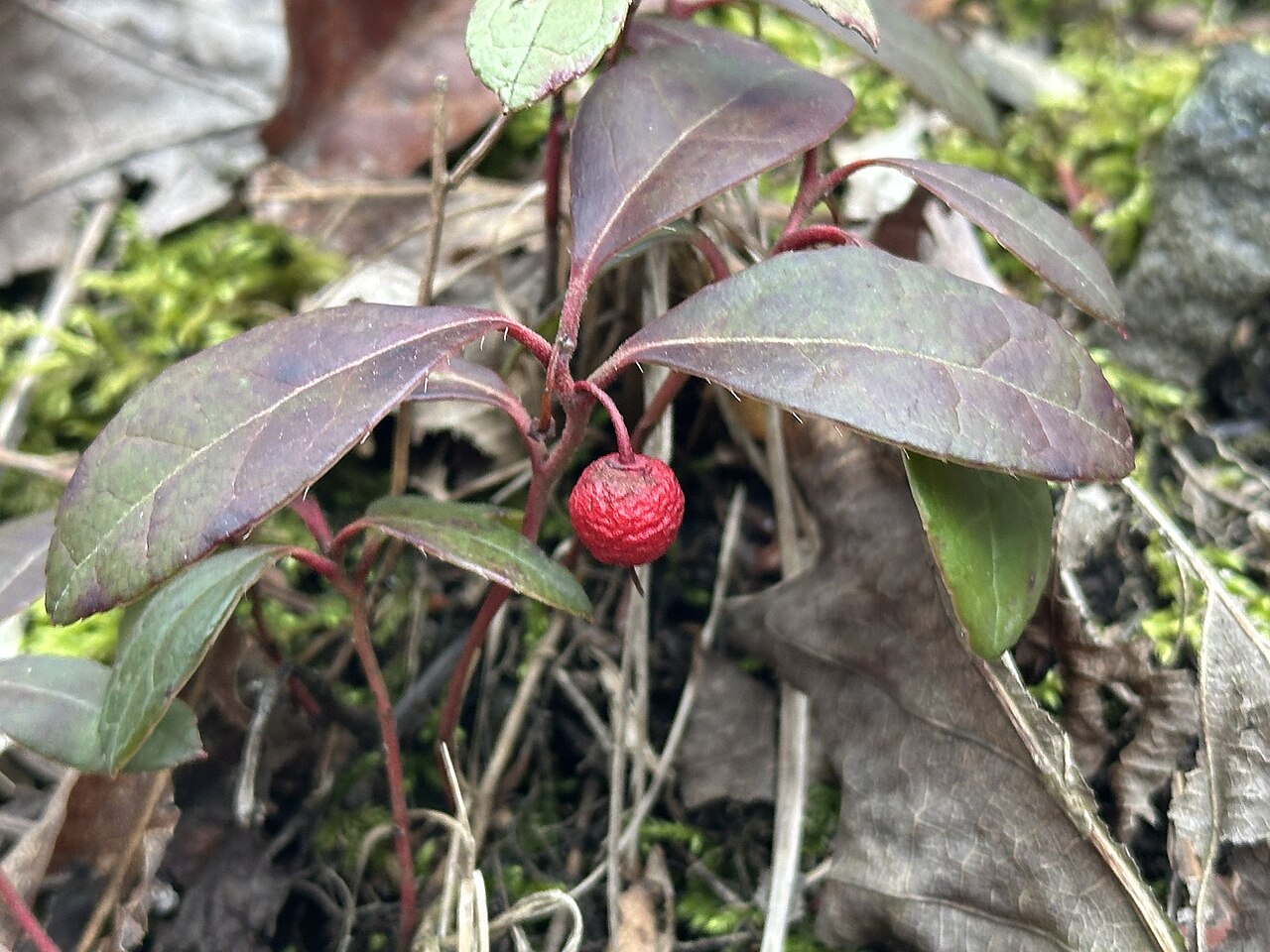
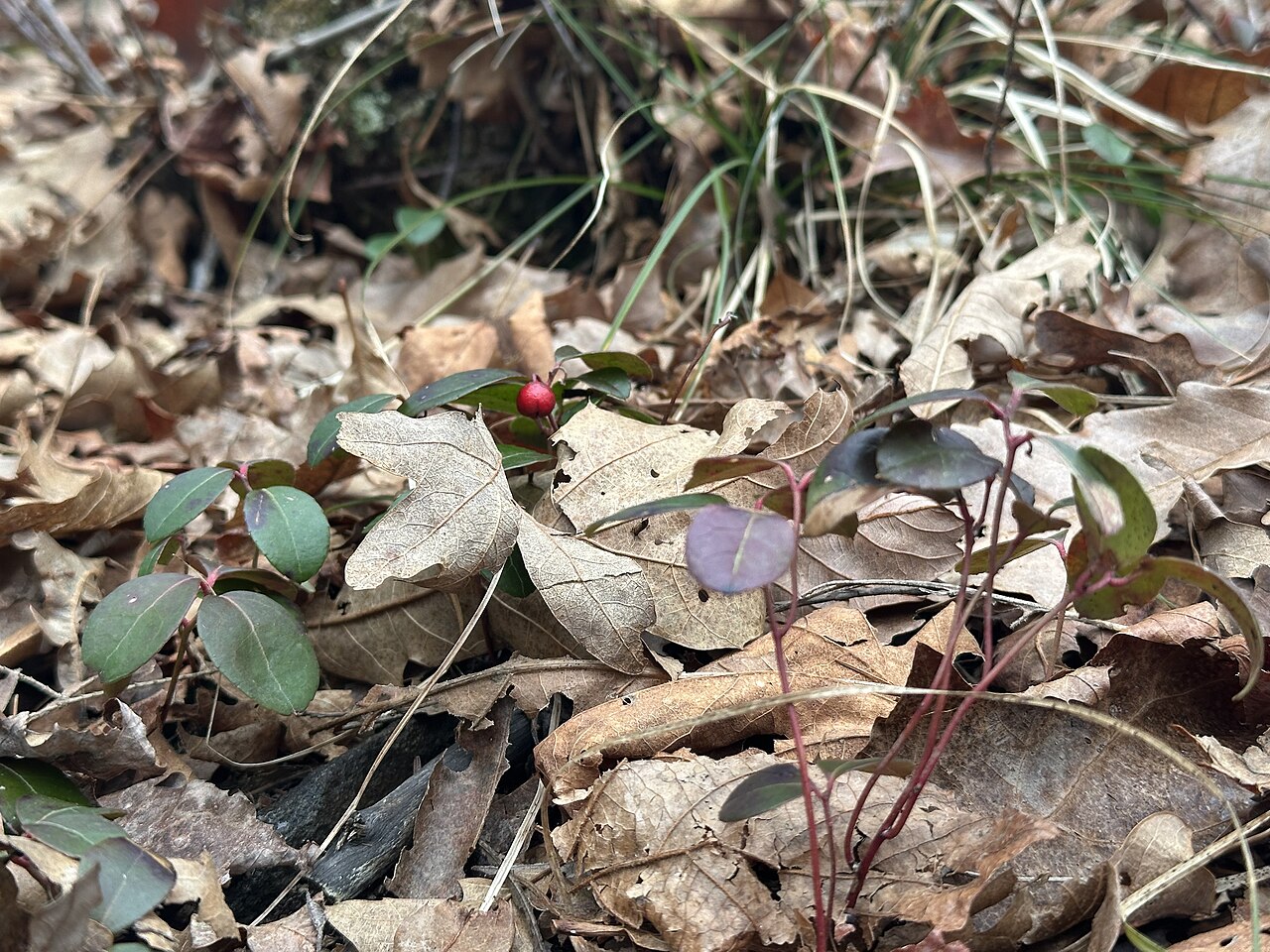
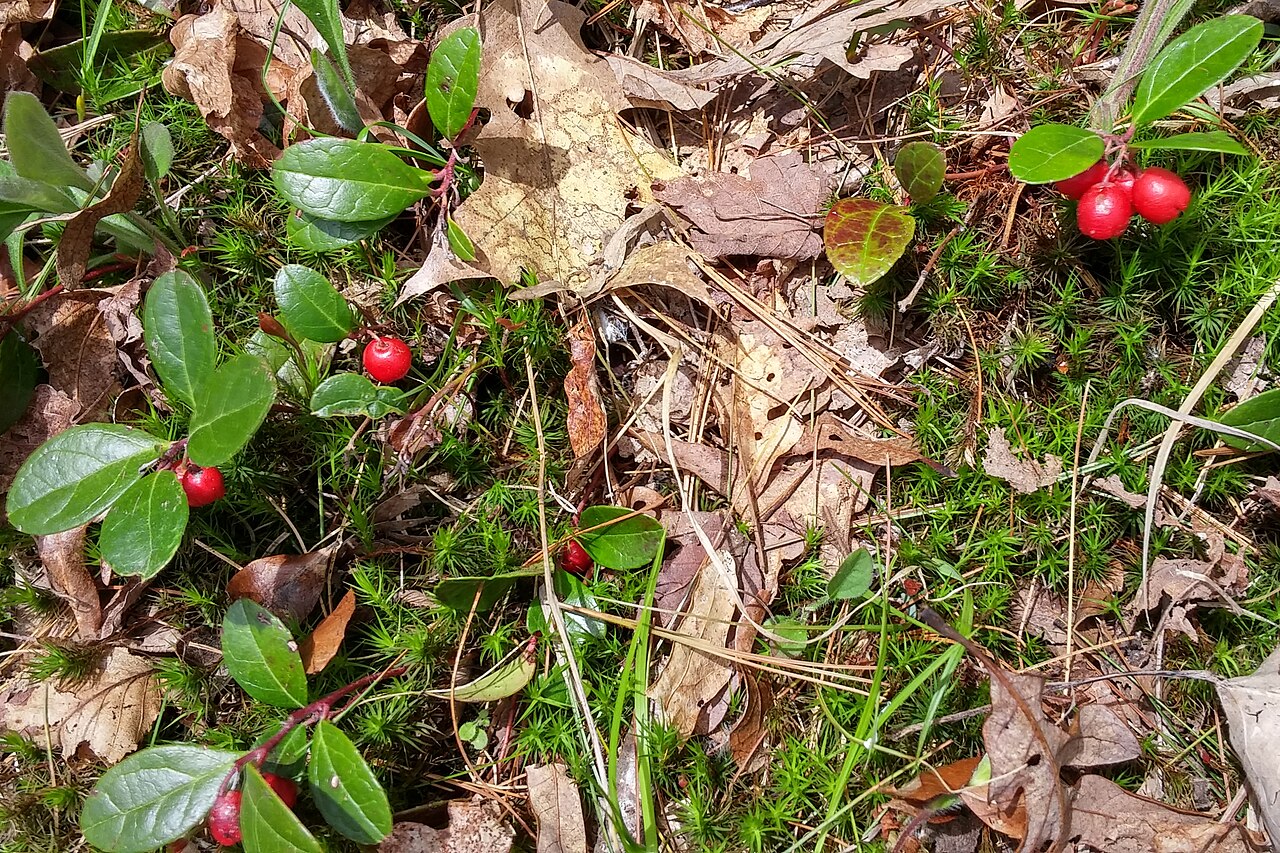
One plant, two names — and this guide covers both, because they are the same plant. Wintergreen and teaberry are both Gaultheria procumbens, a low evergreen shrublet of eastern North American forests, also called checkerberry and boxberry. It grows just 4–6 inches tall and spreads by shallow rhizomes into a dense, glossy mat, with white to pink bell-shaped flowers in summer and aromatic scarlet berries in fall. Do not create a second guide for teaberry: if you find one elsewhere on this site, it is a duplicate of this plant.
Plant in spring or fall in humus-rich, moist, acidic soil under light shade — under pines, oaks, or other acid-loving trees is ideal. Wintergreen is a heath-family plant (Ericaceae): it wants lime-free soil and will sulk in alkaline ground, so never lime its bed. It is slow to establish but long-lived once settled, and it pairs naturally with blueberries and other acid-soil woodland plants. Propagate by division in early spring or semi-ripe cuttings in summer.
USDA zones
Wintergreen is hardy in zones 3–8 and very cold-tolerant, but it dislikes heat: it struggles where summers are long and hot. In Florida, it is not an outdoor plant — even north Florida is too warm for a woodland groundcover that wants cool, moist shade. Gardeners in the Southeast should admire it in northern gardens and choose a heat-tolerant groundcover at home instead.
Water & feeding
Keep soil evenly moist, especially while establishing; wintergreen dislikes drought, though established plants tolerate short dry spells. Mulch with pine needles or leaf mold, which also helps keep soil acidic. Feed rarely — a light mulch of compost in spring is plenty. Heavy fertilizer and lime are both enemies of this plant.
Common problems
- Alkaline soil — yellowing, stunted growth. Test soil pH and grow wintergreen only where it is genuinely acidic, or in a container of ericaceous mix.
- Heat and drought stress — scorched, thinning mats in hot summers. Shade and moisture are the fixes; there is no heat-proof wintergreen.
- Leaf spot and mildew — occasional cosmetic fungal problems in crowded, damp plantings. Improve airflow and avoid overhead watering.
Harvest
Pick a few leaves any time for tea — crushed leaves release the classic wintergreen scent — and gather berries when fully red and soft in fall; berries often persist into winter and sweeten after frost. Use leaves and berries as flavoring in moderation: they contain methyl salicylate, the wintergreen compound related to aspirin. That is a reason to enjoy them as a flavoring, not a reason to eat them by the handful, and concentrated wintergreen oil is not a food — never ingest it straight. People sensitive to aspirin should be cautious with large quantities.
Browse all plant & pest guides
Saving seeds
Wintergreen seed is tiny, light-hungry, and slow. Let the berries ripen fully — the brightest red fruit on the healthiest plant — and clean the pulp off the seed, because pulp inhibits germination. Sow on the surface of moist, acidic mix and do not bury the seed at all; it needs light to germinate. Give it a cold, moist chill — a few months is the common figure — by mixing seed with damp peat in a bag and refrigerating it, or by sowing in fall outdoors and letting winter do it. Germination usually comes in a few weeks after chilling, and it is slow and uneven.
Sow fresh if you can; wintergreen seed does not store well, and dried seed may never germinate. Save from the plant with the best berries — the fullest, the reddest — and dry the seed thoroughly before storing; it keeps a year at most, and viability drops fast if it is stored warm or damp.
Division is the practical route: lift a rooted runner in spring or fall and replant it, and every piece is a clone of the parent. Seed is for the species itself and for the patient gardener. A seedling takes two to three years to size up, so this is the long game.
And the Florida honesty: wintergreen wants cool summers and acidic soil, for zones 3 to 8, and it does not grow in Florida. This section is for the reader in a colder climate, where wintergreen comes back year after year.
Varieties
Every named variety of Wintergreen with its own growing guide:
- Cherry Berries Wintergreen — The heavy-berry wintergreen: a patented selection bred for abundant, large, cherry-red berries on a compact carpet.
- Peppermint Pearl Wintergreen — The pink-berry wintergreen: white berries that blush pink, on a compact evergreen groundcover that smells like candy.
- Very Berry Wintergreen — The berry-loaded wintergreen: a nursery selection prized for extra-heavy red berry set on a low, spreading carpet.