
✨ Witch Hazel
What it looks like
How to grow
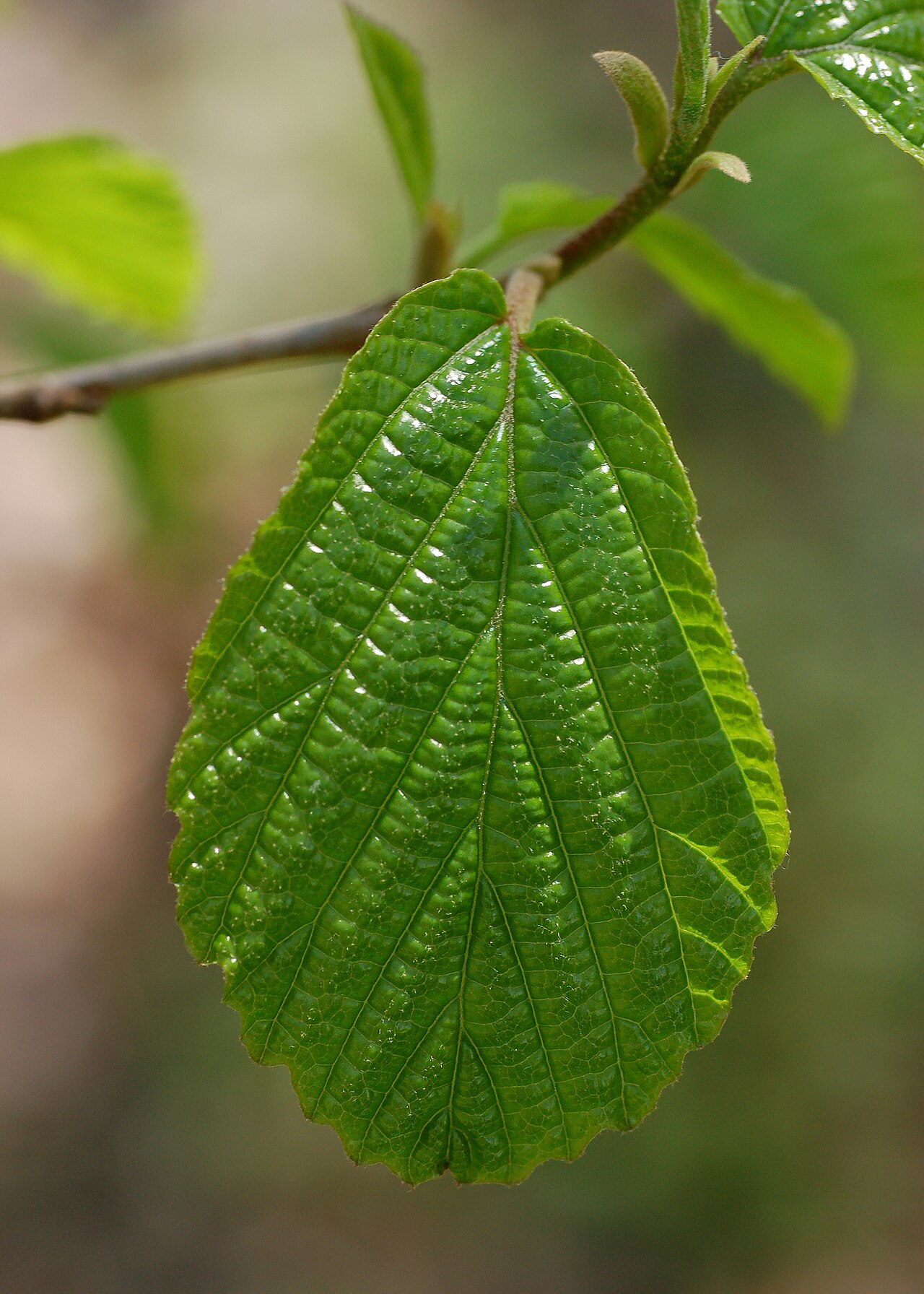
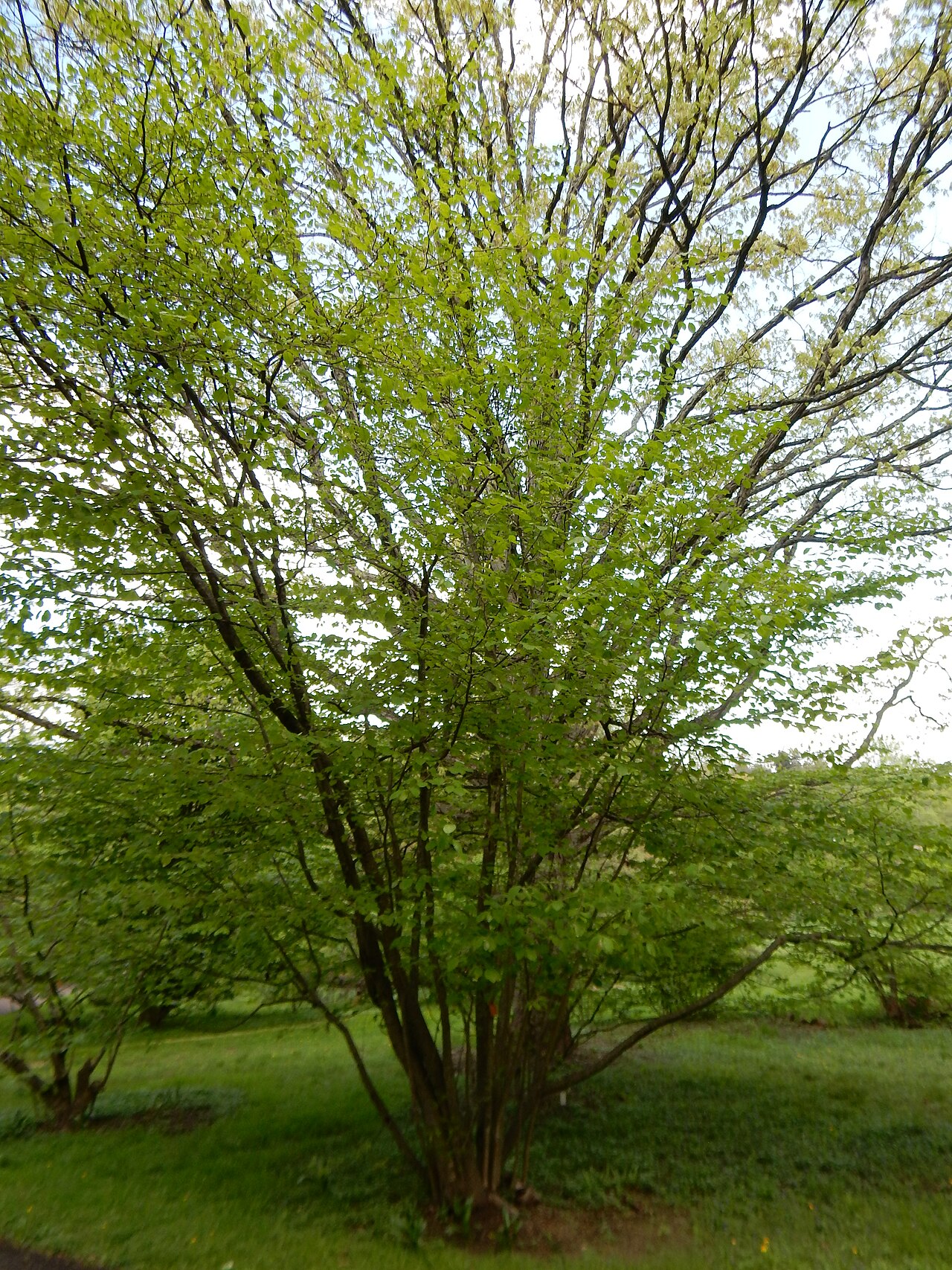
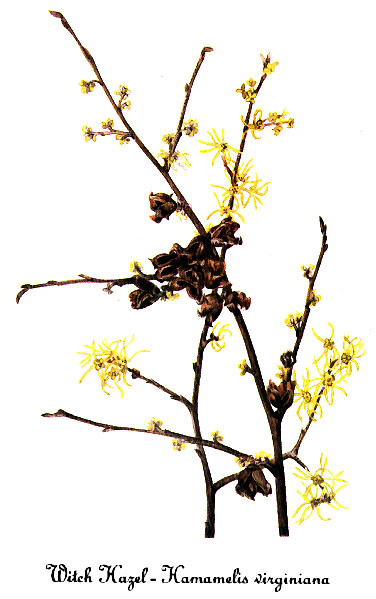
Common witch hazel is a large native deciduous shrub or small tree with fragrant, spidery yellow flowers that open in fall — often after the leaves have dropped — and golden fall foliage. It grows 15-30 feet tall with a 15-20 foot spread at maturity, though it can be kept smaller with pruning, so give it a woodland edge, a large border, or a naturalized area rather than a tight foundation bed. Asian hybrids bloom in late winter instead and come in yellow, orange, and red, but the native species is the hardiest and the least fussy. Plant in spring or fall in full sun to part shade in moist, well-drained, slightly acidic soil rich in organic matter.
Water & feeding
Keep the soil consistently moist for the first few seasons; established witch hazel tolerates some drought but flowers and colors best with steady moisture. Mulch with pine needles or wood chips to hold moisture and acidity. Feed with compost in spring; it needs little fertilizer. Prune in spring after flowering (for fall-blooming types, prune in late winter before growth) to remove dead wood and suckers, and to shape — witch hazel is slow-growing, so prune lightly and let it find its form.
Common problems
- Galls on leaves — harmless leaf galls near birch trees; cosmetic only, no treatment needed.
- Poor flowering — usually too much shade; more sun means more flowers.
- Root rot — wet, waterlogged soil; plant in well-drained ground, never a low pocket.
- Leggy suckering growth — remove basal suckers if you want a single-trunk small tree form.
Harvest
There is no food harvest, though witch hazel bark and leaves have a long history in skin-care preparations — leave that to commercial distillers, since home preparations vary in strength. The garden harvest is simpler: cut branches just before blooming and force them indoors in warm water for a fragrant winter bouquet.
Browse all plant & pest guides
Saving seeds
Witch hazel seed is a patience test with double dormancy: it wants a warm spell and then a cold spell before it will sprout. Sow fresh seed in fall in a pot of moist mix and leave it outside — the warm months satisfy the first dormancy, winter satisfies the second, and sprouts usually come in the second spring. Or mimic it indoors: a few months warm and moist, then a few months in the fridge, then sow warm. Either way, do not throw the pot out after a year of nothing.
Let the seed capsules ripen on the shrub until they are dry and beginning to split, then collect them into a paper bag before they pop — the capsules open explosively and shoot the seed several feet, which is how the plant spreads itself. Sow fresh if you can; witch hazel seed does not store well, and dried seed may never germinate.
Seedlings will vary, and the named forms come only from grafting. Seed is for the species itself and for the patient gardener. A seedling will be a witch hazel, but it will not be a named cultivar, and it may take a few years to flower — which is fine, because the flowers come in fall and winter, when not much else is blooming.
And the Florida honesty: witch hazel wants a real winter, for zones 3 to 9, and it is marginal in Florida — happiest in the Panhandle with some winter chill. In most of Florida, plant something that likes the weather.
Varieties
Every named variety of Witch Hazel with its own growing guide:
- Arnold Promise Witch Hazel — The witch hazel that promises spring: huge, fragrant, clear-yellow flowers in late winter, on a vase-shaped shrub.
- Diane Witch Hazel — The red witch hazel: copper-red flowers in late winter, on a shrub that turns orange and red in fall.
- Jelena Witch Hazel — The copper witch hazel: orange-copper flowers with a sweet scent, on the hybrid with the best fall colour of all.