
🌸 Witloof Robin Chicory
What it looks like

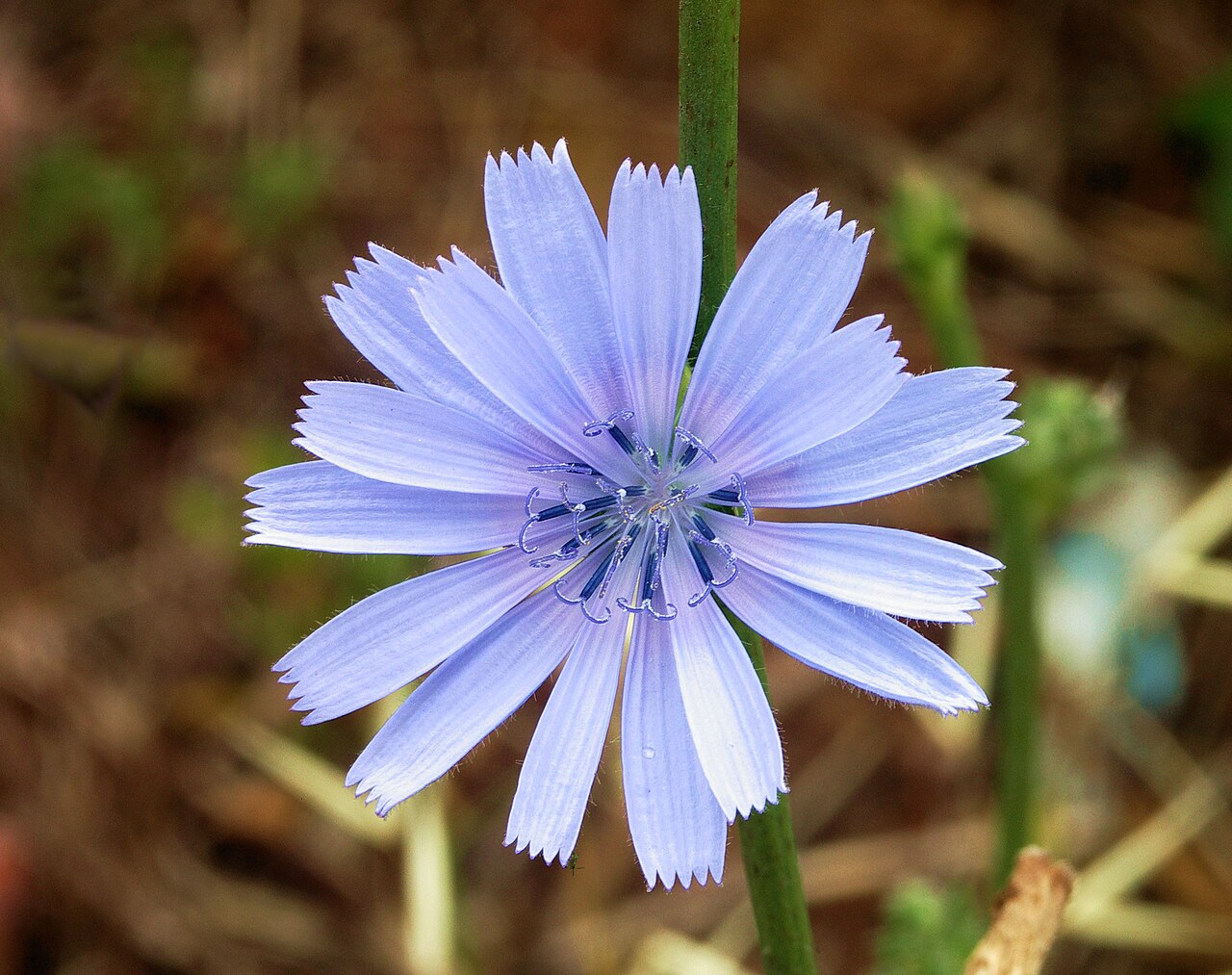
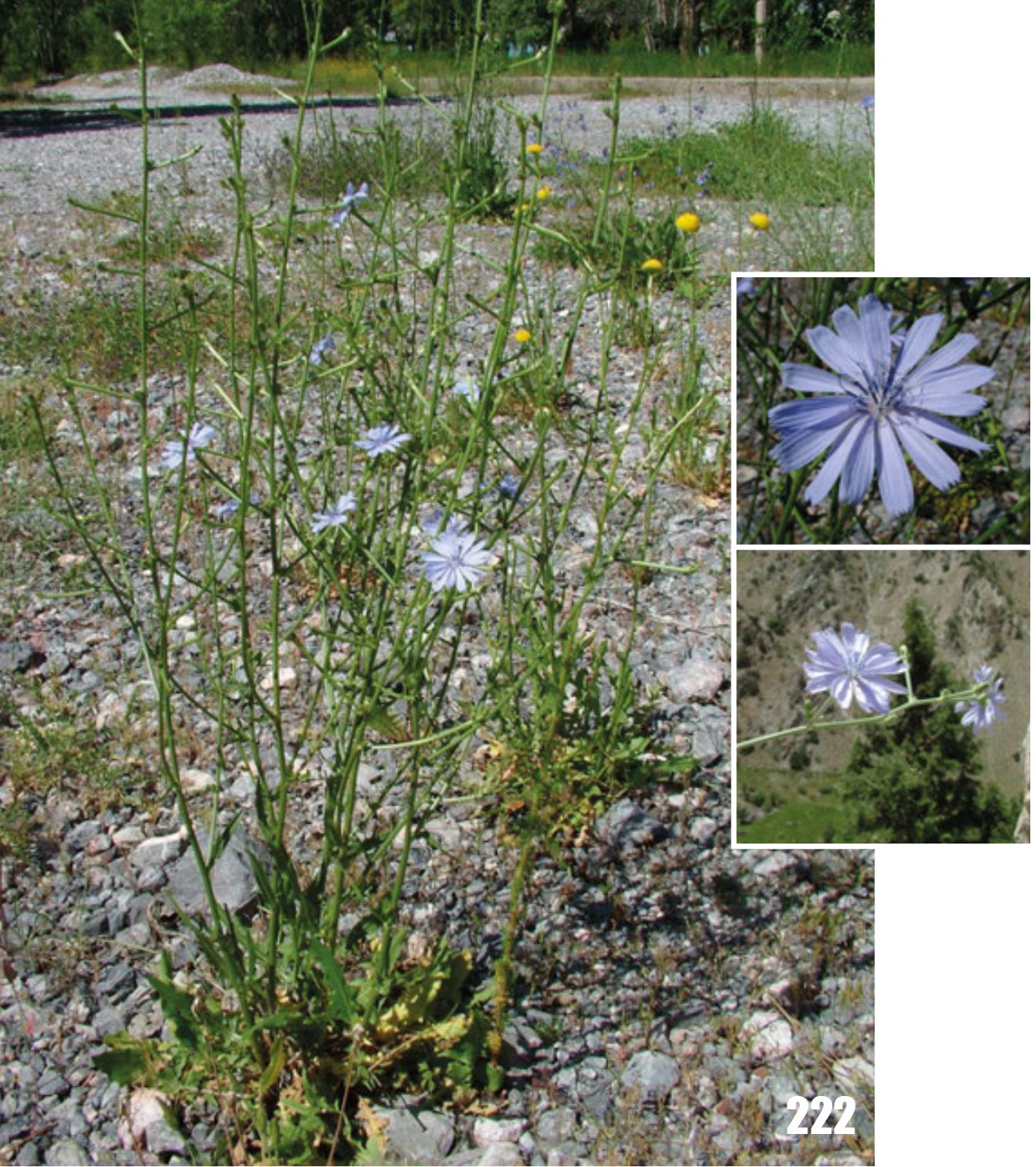
Why this variety
Witloof Robin is the red exception in a white-leaf world: a witloof type that forces into rosy, pink-tinged chicons instead of pale yellow ones, with the same crisp texture and mild bitterness. It is the witloof to grow when the classic pale chicon feels too familiar, or when a salad needs color without giving up the Belgian endive crunch.
Red witloof types are sometimes grouped with the red chicories, and Robin sits in that overlap — a forcing chicory first, a color accent second. Grow it exactly like other witloof, and expect the same forcing routine with a prettier result.
How to grow
Sow in fall in Florida, thinning to 8–12 inches apart, and grow roots through winter. Lift, trim, and force in complete darkness like other witloof types — light exposure greens the heads and dulls the rosy color.
In Florida, witloof is a winter project, not a summer crop: sow in fall, grow the roots through the cool months, lift them in late winter, and force the chicons indoors in a dark, cool spot. Witloof needs 110–130 cool days to make forcing-size roots, and it bolts if planted in warm weather — so the Florida window is fall-sown roots, winter forcing, and no summer attempts. If you cannot give the forcing roots a dark place at about 50–60°F, a cool garage or a spare fridge shelf for the forcing stage is the honest workaround.
Water & feeding
In the garden, witloof wants steady, moderate water while roots size up — about an inch a week, at the base, with mulch to hold it. Do not overfeed: rich, heavily fertilized soil makes forked, hairy roots that force poorly. In the forcing stage, keep the growing medium moist but not soggy, and keep it dark — light is the enemy of a pale, mild chicon.
Common problems
- Premature bolting — warm weather or a late planting sends plants to seed before roots size up. Sow in fall for winter roots, and do not sow witloof for summer harvest.
- Green, bitter chicons — light leaking into the forcing area. Check for light leaks, cover containers completely, and harvest promptly; even brief light exposure greens the heads and sharpens the bitterness.
- Rot in forcing — soggy medium or warm forcing temperatures. Keep the medium moist, not wet, and hold forcing at about 50–60°F with airflow.
- Small roots, small chicons — crowded plants or poor soil. Thin properly, give roots a full season, and lift only roots 1–2 inches thick at the crown.
- Aphids and slugs in the garden stage — blast aphids with water, use beer traps for slugs, and keep the bed weeded so roots grow straight.
Harvest
Cut rosy chicons at 5–6 inches when firm. Use raw to show the color, or grill briefly — long cooking fades the pink. Keep harvested heads away from light.
Browse all plant & pest guides
Saving seeds
Witloof Robin is the red exception in a white-leaf world: a witloof type that forces into rosy, pink-tinged chicons instead of pale yellow ones, with the same crisp texture and mild bitterness. It is the witloof to grow when the classic pale chicon feels too familiar, or when a salad needs color without giving up the Belgian endive crunch. Red witloof types are sometimes grouped with the red chicories, and Robin sits in that overlap — a forcing chicory first, a color accent second. Grow it exactly like other witloof, and expect the same forcing routine with a prettier result. Whether Robin comes true from saved seed is not pinned down: no seed house states open-pollinated or hybrid for this named variety, and the open-pollinated listings for witloof are for the old type name, not for Robin — so follow the species guide’s method, isolate flowering plants from other chicories, and expect some variation in the rosy color of the next generation. The full method is in the Saving seeds section of the Witloof Chicory guide.