
🍇 Yeem Pay Wampi
What it looks like
Why this variety
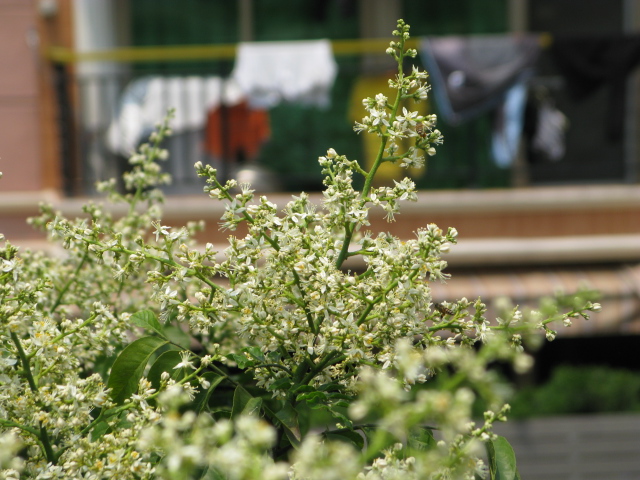
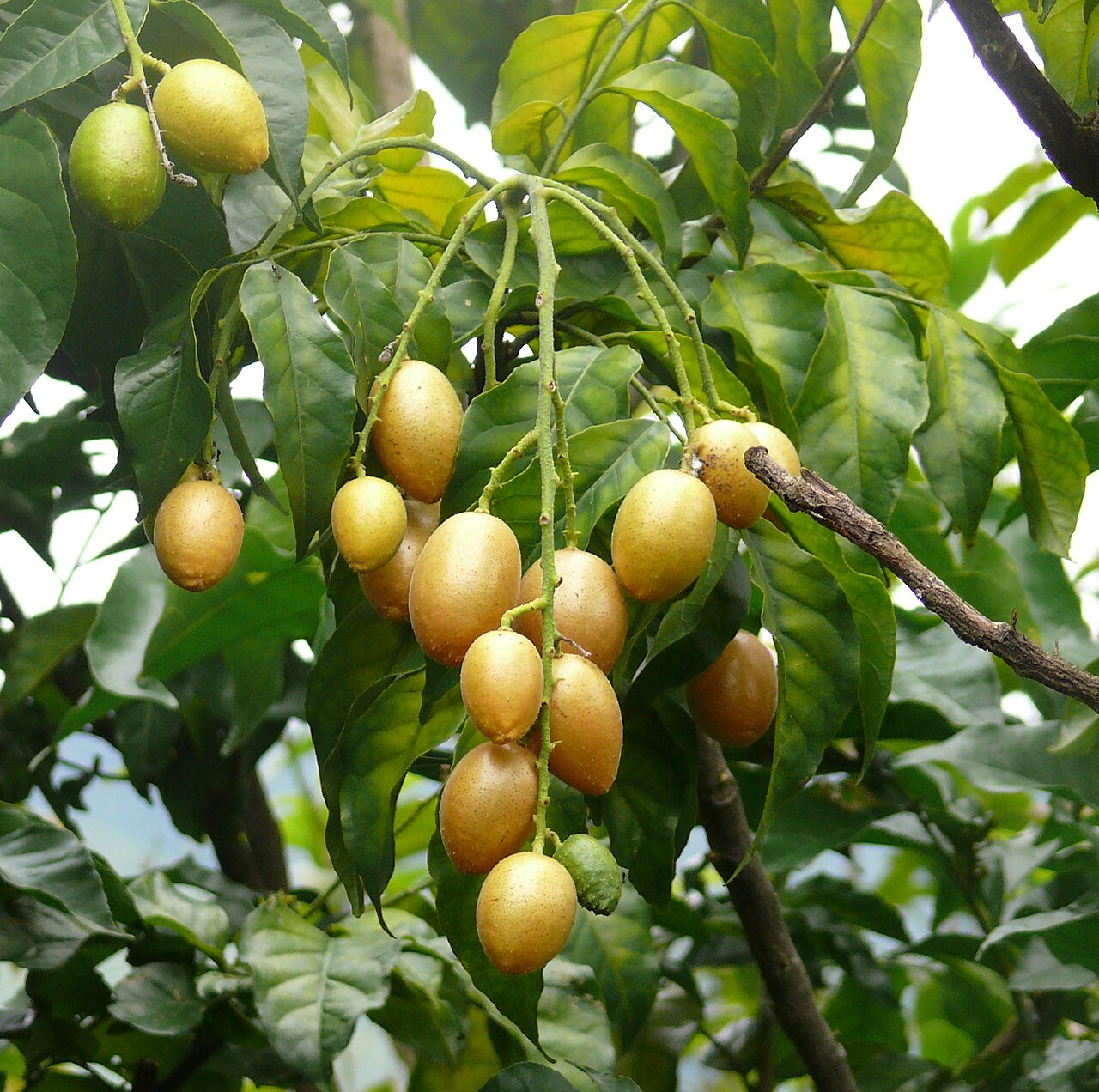
Yeem Pay is the second grafted wampi selection in the nursery trade, and the sweeter of the two: large, elongated, yellow-skinned fruit, heavy cropping, and very sweet flesh with the same aromatic perfume as Guy Sam but less tang. Where Guy Sam is sweet-tangy, Yeem Pay is simply sweet, which makes it the wampi children reach for first and the one to plant when you want a dessert fruit rather than a tangy one. It is also a valued backyard tree in southern China, where sweet wampi is a prized garden fruit.
Like Guy Sam, Yeem Pay is sold grafted, fruits true to type, and grows as a slender evergreen tree that can be kept pruned to a pickable size. The fruit hangs in grape-like clusters, ripens in summer, and is eaten fresh, peeled and popped like a grape, seeds and all, or juiced. Plant it in the same conditions, sun, drainage, and frost protection, and expect the same generous habit with a sweeter, larger fruit.
If you are new to choosing between cultivars, the Varieties Matter guide explains why the name after the plant matters as much as the plant itself. Yeem Pay is a perfect example: it is not just a wampi in the abstract, it is a wampi with a specific job, a specific history, and specific strengths.
Florida framing, stated plainly: wampi is a South Florida tree, zones 10-11, and a container plant anywhere colder. Yeem Pay is no hardier than Guy Sam, so Central and North Florida growers should not plant it in the ground and hope. In the far south it is a genuine small fruit tree, still rare enough to be a conversation piece.
How to grow
Plant a grafted tree in spring in full sun to part shade and well-drained, slightly acidic soil, with wind protection, because wampi branches are slender and fruit hangs in heavy clusters. Work worm castings into the planting hole, water deeply while establishing, and mulch to hold moisture, but keep mulch off the trunk. Stake young trees, prune lightly after fruiting to keep the tree pickable, and do not plant a seedling and expect named-variety fruit, because seedlings vary from sweet to sour.
Set plants 12-15 feet apart in soil with a pH around 5.5-6.5. Work worm castings into the bed at planting and mulch to hold moisture. A well-fed wampi plant rewards that care directly: steadier growth, better bloom or fruit, and a show that actually shows up.
Water & feeding
Keep soil evenly moist while establishing and through dry spells; a wampi that dries out drops fruit and stalls. Water at the soil line, mulch to hold moisture, and feed moderately: castings at planting plus a balanced organic feed in spring and summer. In winter, reduce water for young trees, and protect them from frost, because cold damage shows as blackened leaves that drop in spring.
Common problems
- FROST DAMAGE — frost damages wampi badly; plant only in zones 10-11, and protect young trees in any cold snap.
- SEEDLING VARIABILITY — seedling wampi varies from sweet to mouth-puckering sour; buy grafted named selections like Guy Sam or Yeem Pay for predictable fruit.
- FRUIT FLIES and birds — ripe wampi attracts both; harvest promptly and pick fruit as it colors.
- SLOW SEEDLING FRUITING — seedlings take 5 to 8 years to fruit; buy grafted trees for fruit in a few years.
- WIND DAMAGE — slender branches break in storms; plant in a sheltered spot and stake young trees.
Harvest
Harvest fruit when it is fully colored and gives slightly to a squeeze, picking whole clusters rather than single fruit, because wampi ripens in clusters like grapes. Eat fruit fresh, peeled and popped like a grape, or juice it, and eat it promptly, because wampi stores only a few days. Do not pick fruit early expecting it to sweeten, because it will not, and do not eat unripe fruit, which is sour enough to pucker a mouth shut.
Browse all plant & pest guides
Saving seeds
Yeem Pay is the second grafted wampi selection in the nursery trade, and the sweeter of the two: large, elongated, yellow-skinned fruit, heavy cropping, and very sweet flesh with the same aromatic perfume as Guy Sam but less tang. Where Guy Sam is sweet-tangy, Yeem Pay is simply sweet, which makes it the wampi children reach for first and the one to plant when you want a dessert fruit rather than a tangy one. It is also a valued backyard tree in southern China, where sweet wampi is a prized garden fruit. Like Guy Sam, Yeem Pay is sold grafted, fruits true to type, and grows as a slender evergreen tree that can be kept pruned to a pickable size. The fruit hangs in grape-like clusters, ripens in summer, and is eaten fresh, peeled and popped like a grape, seeds and all, or juiced. Seed will not repeat it: seedlings vary from sweet to sour, so do not plant a seedling and expect named-variety fruit. Buy a grafted tree, plant it in full sun to part shade in well-drained, slightly acidic soil, and prune lightly after fruiting to keep it pickable. The full method is in the Saving seeds section of the Wampi guide.