
🌸 Yellowwood
What it looks like
How to grow
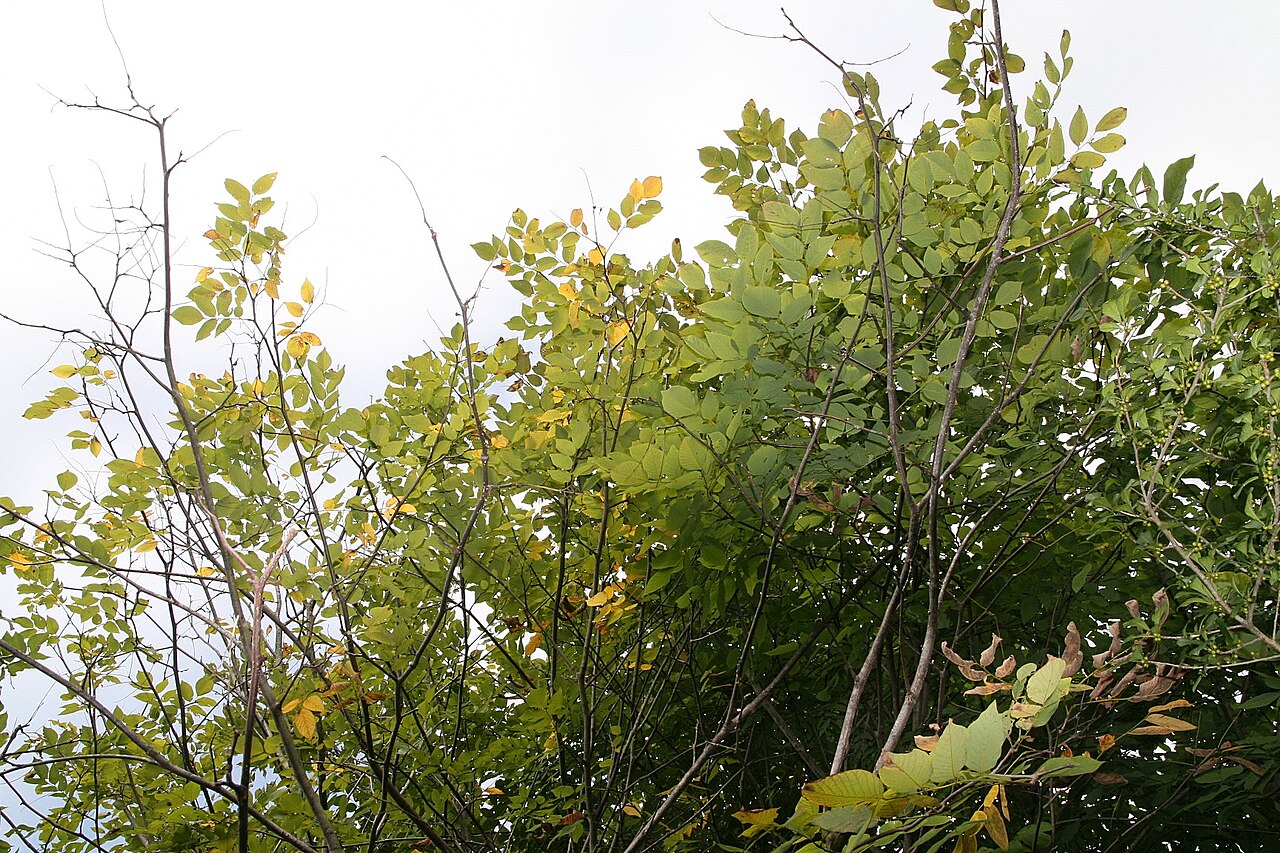
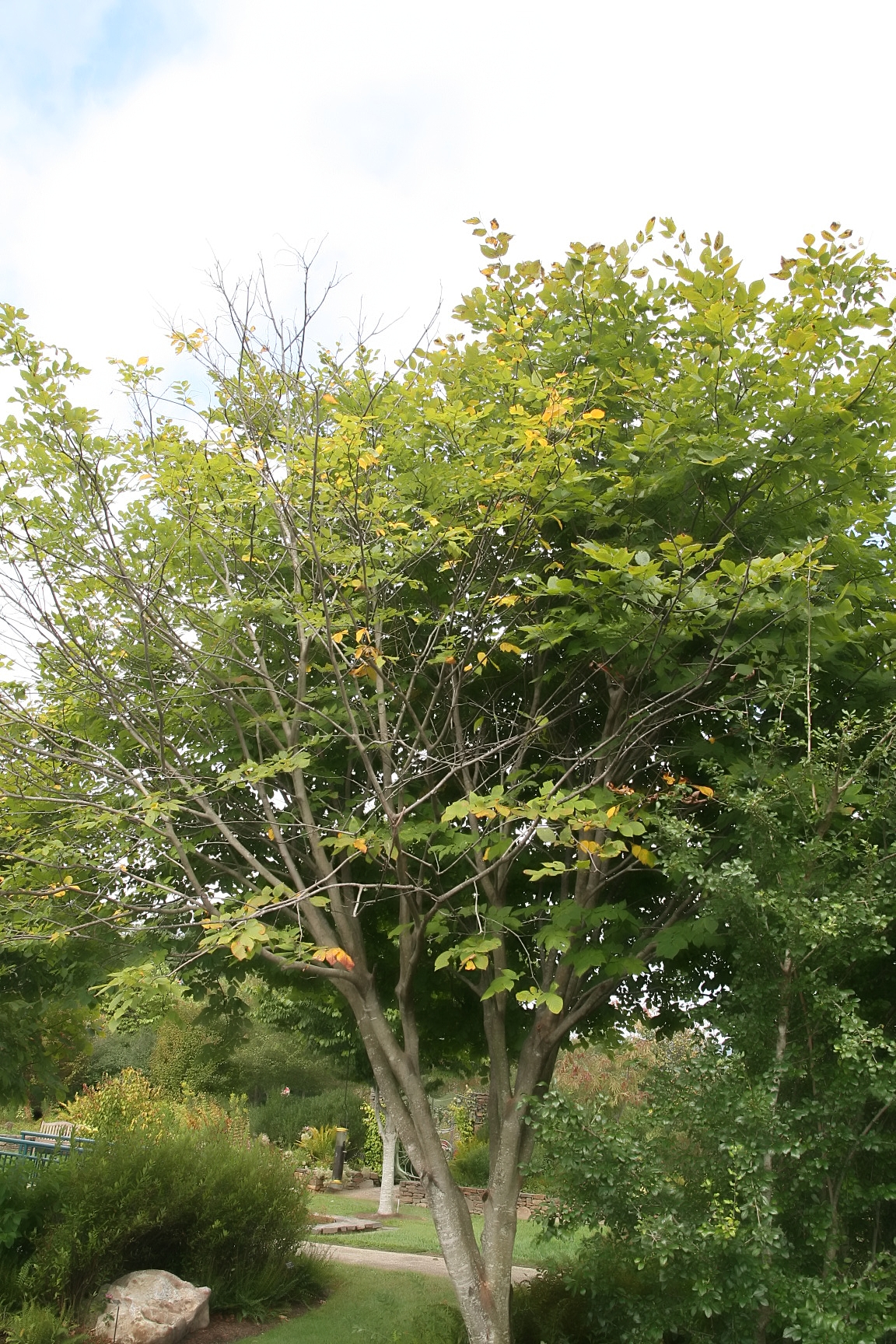
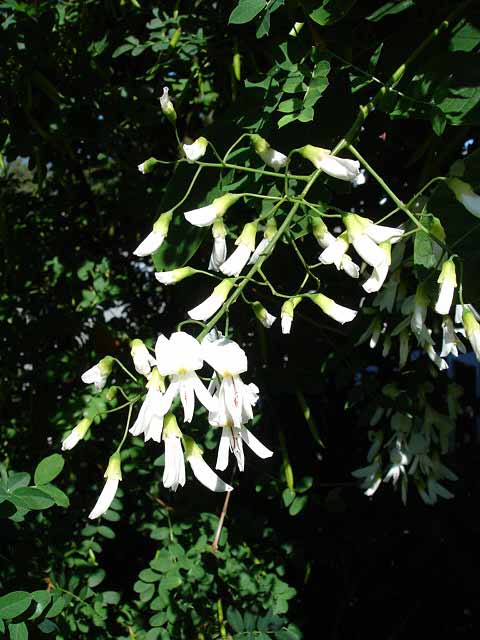
American yellowwood is a medium native flowering tree, 30-50 feet tall, with smooth grey bark, a broad rounded crown, and hanging panicles of fragrant white pea-flowers in late spring that look like wisteria on a tree. It blooms heavily in alternate years, which is normal and not a sign of trouble. Plant in full sun for the best flowering, in deep, moist, fertile, well-drained soil; it tolerates a wide pH range, including alkaline soil, and moderate drought once established. Train it to a single leader while young and prune only in summer, because yellowwood bleeds profusely if pruned in winter or spring, and its naturally narrow branch angles can split if left uncorrected.
Water & feeding
Water deeply through the first two years, then water in dry spells; yellowwood is moderately drought tolerant once settled. Feed lightly in spring only if growth is weak, and mulch to hold moisture while young.
Common problems
- Weak, narrow branch crotches splitting with age — the main structural fault; prune young trees to wide-angled limbs and remove competing leaders.
- Bleeding from winter or spring pruning — prune in summer only.
- Verticillium wilt and canker in stressed trees — keep the tree vigorous and avoid wounding roots and bark.
- Alternate-year flowering — normal; enjoy the big years and do not panic in the light ones.
Notes
Yellowwood is one of the rarest native trees in the eastern United States in the wild, yet it is widely grown as an ornamental, which is a happy reversal of the usual story. Its heartwood is bright yellow when freshly cut, hence the name, and the pink-flowered cultivar Perkins Pink is worth seeking out.
Browse all plant & pest guides
Saving seeds
Yellowwood seed is a patience test with a hard coat. Let the seed pods ripen on the tree until they are dry and brown and the seeds rattle inside, then collect them into a paper bag. Nick each seed with a file or rub it with sandpaper, then soak it overnight in warm water; the seeds that swell are ready. Sow in spring in a deep pot, barely covered, and germination usually comes in a few weeks after treatment. Untreated seed can sit in the soil for months and do nothing.
Save seed from the best tree — the straightest trunk, the fullest crown, the whitest flowers — and dry the seed thoroughly before storing; it keeps several years in a cool, dry jar. Sow more than you need, since germination is uneven even after scarifying, and give the seedlings deep pots — yellowwoods grow a taproot fast, and they resent being moved once it is established.
Seedlings will vary, and the named forms come only from grafting. Seed is for the species, for timber, and for the patient gardener. A seed-grown yellowwood takes years to flower, so this is the long game — plant it for the grandchildren, not for yourself.
And the Florida honesty: yellowwood wants a real winter, for zones 4 to 8, and it is marginal in Florida — happiest in the Panhandle with some winter chill. In most of Florida, plant a tree that likes the weather.
Varieties
Every named variety of Yellowwood with its own growing guide:
- Perkins Pink Yellowwood — The pink yellowwood: blush-pink wisteria-like flowers instead of white, on the native tree with the smooth grey bark.