🦎 Build a Lizard Habitat: A Wild Yard Hotel
What if the coolest pets in your yard are the ones you never own?
Florida garden lizards are already out there — doing push-ups on fences, flashing throat fans, and vacuuming up bugs for free. You do not need a tank, a heat lamp, or a trip to a pet store to enjoy them. You need a yard that says: stay wild, stay safe, stay as long as you like.
That is what this guide builds. Not a cage. A habitat. A wild yard hotel where lizards check themselves in, eat your bugs, sun themselves on your rocks, and leave whenever they want.
☀️ Meet the Neighbors First
Before you build, meet the four lizards Florida kids see most. Knowing who lives nearby makes the whole habitat make sense.
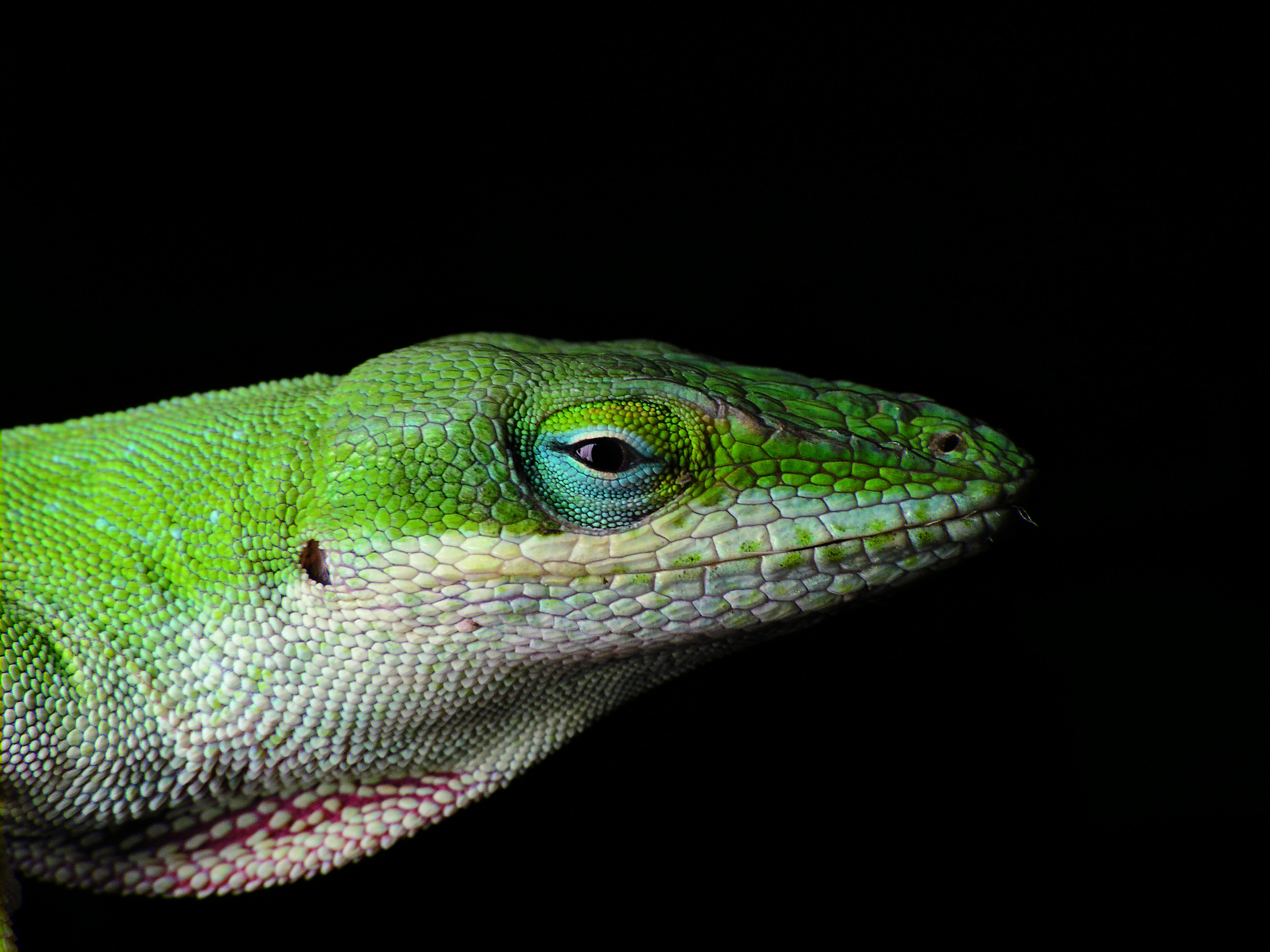
🟢 Green anole — the original Floridian
The green anole is the only anole that is actually native to Florida. Males flash a bright pink throat fan called a dewlap, and they can flip from bright green to dull brown. That color change is mostly about temperature, light, and mood — a cold or stressed anole goes brown, a warm relaxed one goes green. Green anoles are great climbers, and when the brown anoles moved in, the green anoles moved higher — up into shrubs and trees.
🟤 Brown anole — the newcomer who stayed
Brown anoles came from Cuba and the Bahamas more than a hundred years ago, probably as stowaways on cargo ships. Today they are the most common lizard in many Florida neighborhoods, and they mostly hang out low — on fences, walls, and the ground. Here is the honest kid-friendly version: they arrived from somewhere else, and now they live here. That is exactly why you should never move a lizard to a new place yourself. Lizards belong where they already are.
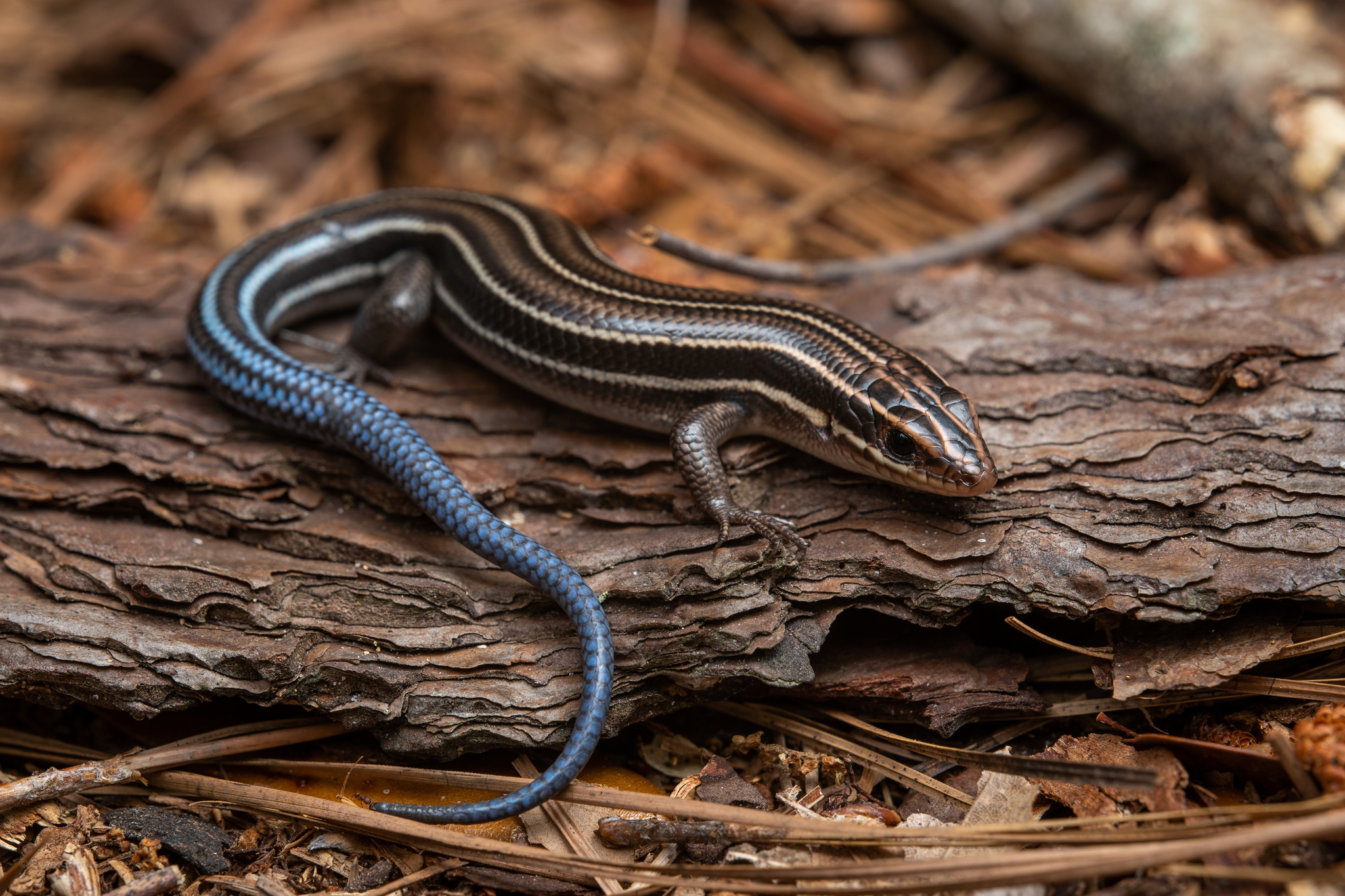
✨ Skinks — the shiny ground crew
Skinks are the sleek, shiny lizards that rustle through leaf litter and dart under logs. Young five-lined skinks wear bright blue tails that wiggle like a distraction flag if a predator grabs them. Skinks mostly stay low, hunting small insects in the cool, damp world under leaves and logs — which is why a leaf pile is skink treasure.

🌙 House geckos — the porch-light night shift
House geckos are the pale, almost see-through lizards that show up on porch walls after dark, chirping softly and hunting moths near the light. They came from across the ocean too, and now they are part of the Florida night crew. If anoles own the daytime, geckos own the evening.
🧱 What Every Lizard Habitat Needs
A lizard needs four things, and every one of them is something you can build or place with stuff from around the yard. Each mission below is one piece of the hotel.
🧱 Mission 1: The Basking Rock
Find a flat rock — a stepping stone, a patio paver, or a big flat stone from a garden bed — and set it where the morning sun hits it. That is the lizard sunbed. Lizards warm up there first thing, and on a cool morning you will often find one flattened out on it like a tiny sunbather. Put the rock near a bush or a rock pile, so a basking lizard always has a quick escape route close by.
🪨 Mission 2: The Rock Pile and Log Pile
Stack a few rocks loosely in a corner, with gaps between them — not a solid wall, a pile with hallways. Add a log or two beside it, and a couple of short boards if you have them. These piles are bedrooms, hiding spots, and escape routes all in one. Lizards slip into the gaps when a hawk flies over or a cat wanders past. Rule for builders: stack loosely, never cement anything, and always peek before you reach into a pile.
🍂 Mission 3: The Leaf Litter Corner
Pick a corner under a shrub or a tree and let fallen leaves stay there. Do not rake it bare. Leaf litter holds moisture, stays cool, and hides the tiny insects skinks hunt. It is also where lizards shelter on hot afternoons. A leaf corner costs nothing, takes no work, and might be the single most popular room in the whole hotel.
🌿 Mission 4: Native Plants for Shade and Bugs
Plants do two jobs at once: their shade keeps the habitat from baking, and their flowers and leaves bring the insects that lizards eat. A shrub for climbing, some grasses for cover, and a few flowering natives for bugs is a perfect mix. Green anoles especially love climbing shrubs and small trees — remember, they moved upward when the brown anoles took the ground floor. Give them something tall to climb.
💧 Mission 5: The Shallow Water Dish
Set out a shallow dish — a plant saucer works great — with just a little water in it, and lay a few small pebbles in it like a ramp. The pebbles matter: any tiny bug that falls in can climb out again instead of getting stuck. Refresh the water when it gets grimy. Lizards get a lot of their water from dew and food, but on a hot Florida day a clean shallow dish is a welcome stop.
🐛 Mission 6: The Bug Buffet (No Spraying!)
This is the easiest mission and the most important one. Do not spray pesticides or bug spray anywhere near the lizard zone. A lizard's food is insects — crickets, flies, moths, tiny spiders. Spray the bugs and you empty the lizard's pantry. A yard full of insects looks messy to some grown-ups, but to a lizard it looks like a buffet with the lights on.
✅ Habitat Checker: Is Your Hotel Ready?
Tap each piece you have built. When all six are green, your lizard hotel is open for guests.
Your hotel is 0 of 6 ready.
💛 The Care Rules (Read These Out Loud)
Lizards are wild neighbors, not pets. These rules keep them safe and keep you a good neighbor.
👀 Look, do not grab. A scared lizard can drop its tail to escape. The tail keeps wiggling to distract the predator while the lizard runs — but growing a new one costs the lizard a huge amount of energy, and the new tail is never quite as good as the original. A dropped tail is an emergency escape, not a party trick, and it should never happen because a person wanted to hold one.
🧼 Wash your hands after touching anything in the habitat — rocks, logs, leaves, the water dish. Wild things carry wild germs, and soap fixes that.
🏠 Never keep a wild lizard as a pet. A tank cannot replace a whole yard. A habitat lets lizards stay wild and free, hunt real bugs, bask in real sun, and choose their own hiding spots. That is better than any cage, and it is the whole point of building one.
🐱 Give lizards hiding spots cats cannot reach. Rock-pile gaps, log tunnels, and thick shrubs give lizards escape routes. If you have a cat, keep it supervised near the habitat, and make sure the hiding spots are truly hidden — a pile a cat can paw straight through is not a hiding spot.
🚫 What NOT to Build
No glass tanks. No heat lamps. No catching-and-keeping setups, not even "just for one night." If a build only works by trapping a lizard inside it, it is not a habitat — it is a cage, and cages are not what we are building here. The best lizard habitat is one a lizard can walk out of any time it wants. That freedom is the feature.
👀 Mission: Watch and Notice
Here is your last mission, and it is the quietest one. On a warm, sunny morning, sit near the habitat — not on top of it — and stay still and quiet for ten minutes. Count the flashes of green and brown. Notice where they bask, and which ones climb high versus which ones stay low. Notice the skink rustle in the leaves and the gecko on the wall after dark.
That is it. No catching. No chasing. Just watching. The lizards will do the rest — and once they trust your yard, they will do it every single day.
🧑🌾 Grown-ups, a quick note: Supervise pile-building and check rock and log piles before small hands reach in (other creatures shelter there too). Keep the habitat pesticide-free, refresh the water dish regularly, and wash hands after habitat play. No tank, no heat lamp, no wild-caught pets — this is a wild habitat, and that is the point.
Want to meet the whole crew first? Start with Lizards and Skinks for Kids, or read the grown-up version in Florida Garden Lizards and Skinks. Then come back, pick up a rock, and open your hotel.