🦋 Butterflies & Caterpillars for Kids
A caterpillar is a butterfly's childhood. Same animal, two completely different lives: one crawling and munching, one flying and sipping. The change between them — metamorphosis — is the most dramatic transformation in the garden, and it happens in your yard every year, mostly unnoticed, on the undersides of leaves.

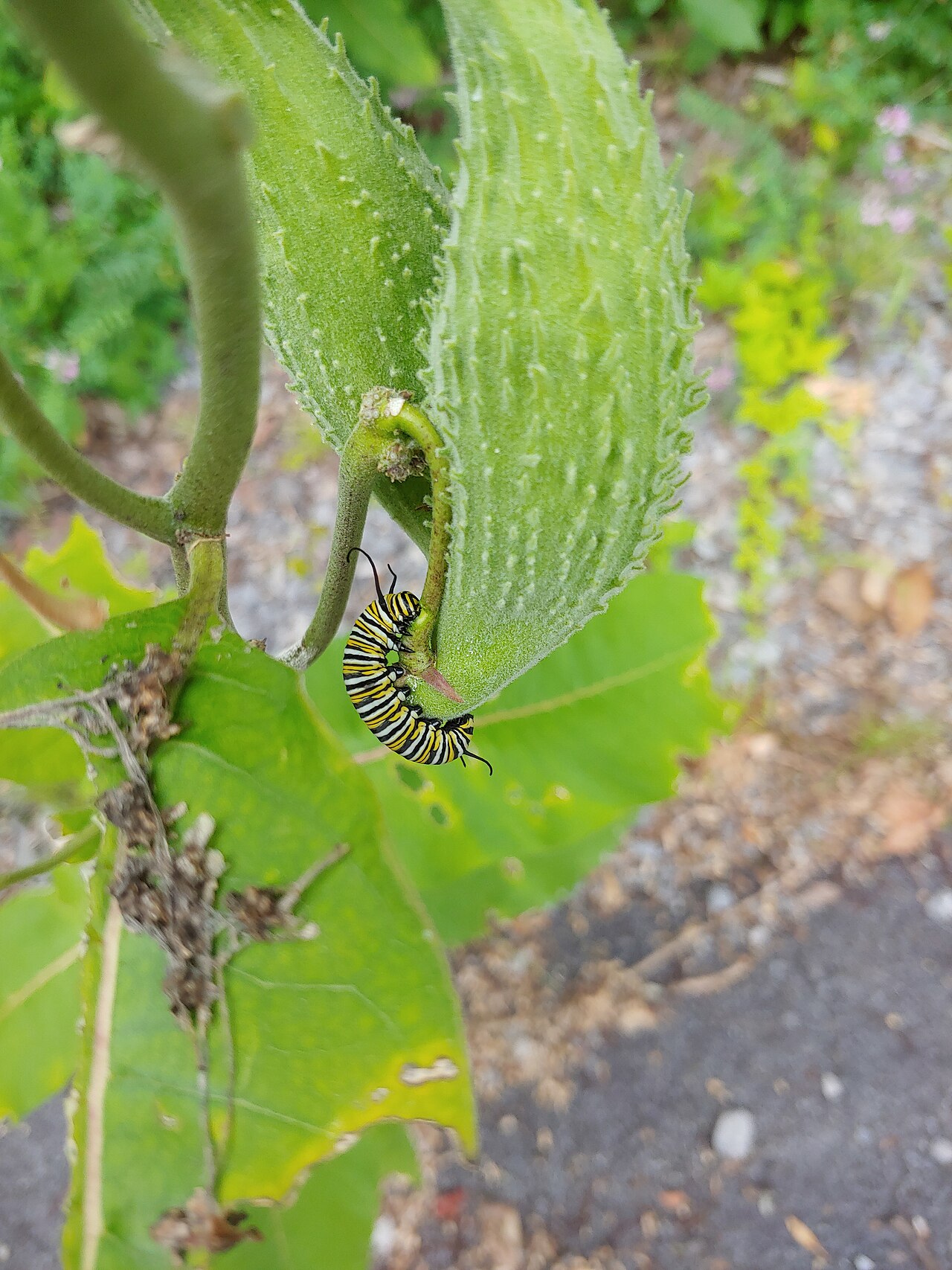
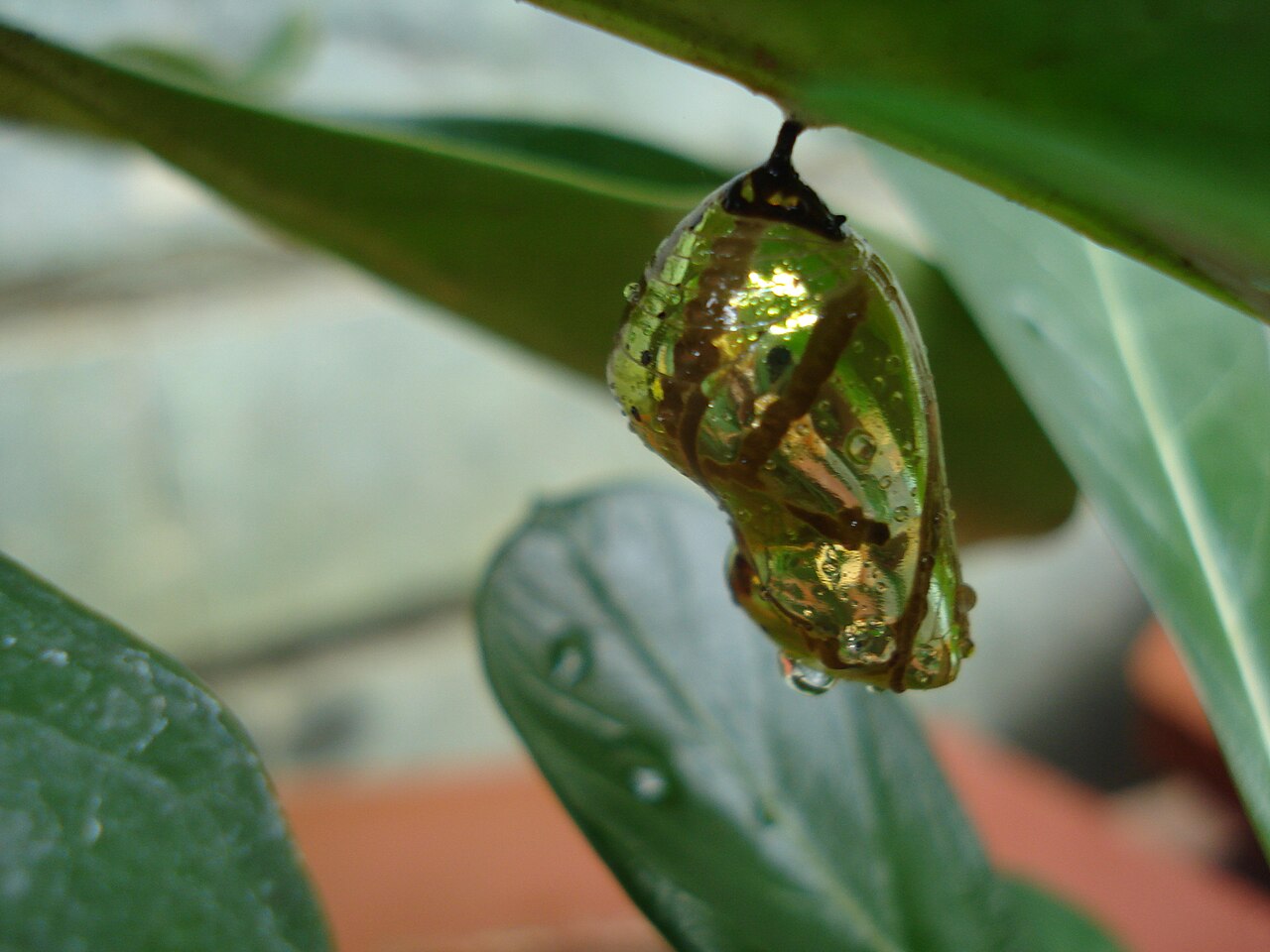
🦋 The Four Stages
🥚 Stage 1: Egg
It starts tiny. A female butterfly lays eggs — sometimes one by one, sometimes in clusters — usually on the exact plant her caterpillars will need to eat. Monarchs lay on milkweed. Gulf fritillaries lay on passionvine. The mother is meal-planning before her babies even exist.
🐛 Stage 2: Caterpillar
Out hatches a caterpillar, and its job is simple: eat and grow. Caterpillars eat so much and grow so fast that they outgrow their own skin — and shed it, several times, like outgrowing shoes over and over. A monarch caterpillar eats only milkweed, nothing else, its whole caterpillar life. Picky? No — specialized. Milkweed is its one food, and the plant's bitter chemicals even make the caterpillar taste bad to predators. Eat your greens, become unappetizing. Clever.
🛏️ Stage 3: Chrysalis
When it is big enough, the caterpillar finds a safe spot, hangs itself up, and forms a chrysalis — a hard, jewel-like case. Inside, the caterpillar's body basically rebuilds itself into a butterfly. (Butterflies make chrysalises. Moths make cocoons, wrapped in silk. That is how you tell which one you found.) Some chrysalises look like green leaves. Monarch chrysalises are jade green with gold dots — actual gold dots, like someone painted jewelry on them.
🦋 Stage 4: Butterfly
Out comes the butterfly, wings crumpled and wet, pumping fluid into them until they spread flat and dry. Then it flies — to flowers, for nectar, pollinating as it goes (that is the pollinators guide's story, and butterflies are part of it). A caterpillar that crawled is now an animal that flies. If that is not magic, it is close enough.
🦋 Tap a Stage
One animal, four lives. Tap a stage to see what happens.
Tap a stage above!
What happens and one wild fact will show up here.
🌸 Florida Butterflies to Know
Monarch (Danaus plexippus) — orange, black, and famous. Host plant: milkweed, and only milkweed. If you plant milkweed, monarchs may come. (Plant the native kind, not the tropical kind that confuses their migration timing — your local nursery can point you to the right one.)
Gulf fritillary (Agraulis vanillae) — bright orange with silver spots underneath, common all over Florida. Host plant: passionvine. If you have passionvine, you probably have gulf fritillaries — look for spiky orange caterpillars munching the leaves. That munching is the point.
Zebra longwing (Heliconius charithonia) — black with white stripes, Florida's state butterfly. Unlike most butterflies, zebra longwings eat pollen as well as nectar, which helps them live for months instead of weeks. Florida's own, and in no hurry.
Atala (Eumaeus atala) — a tiny jewel of a butterfly, black with a turquoise shimmer and a red tummy. Its caterpillars eat only one plant: coontie. The caterpillars munch the coontie, borrow its poison to protect themselves, and the plant grows right back. If you see one, you have found a butterfly that was once thought to be gone forever.
Cabbage White (Pieris rapae) — the little white butterfly fluttering around cabbage and broccoli plants. Its green caterpillars munch brassicas, which is why gardeners know this one so well. If you have ever seen a tiny white butterfly in a veggie garden, it was probably this one.
Cloudless Sulphur (Phoebis sennae) — a big, bright yellow butterfly with no spots on its wings. Its caterpillars eat senna plants, and the grown-ups love to sip nectar from flowers. On a sunny day, look for it sailing high over the garden.
Orange Sulphur (Colias eurytheme) — a sunny orange-yellow butterfly that loves clover and alfalfa fields. It floats low over open, grassy places, so keep your eyes on the ground cover as well as the flower beds.
Great Southern White (Ascia monuste) — a white butterfly whose caterpillars munch caper plants. It is one of the most common white butterflies in Florida gardens, so you have a real chance of spotting this one yourself.
Checkered White (Pontia protodice) — a white butterfly with gray checkered spots on its wings. Its caterpillars eat pepperweed. Look closely at the wing pattern — the checks are what give this one its name.
Gray Hairstreak (Strymon melinus) — a small gray butterfly with tails that rubs its hindwings together like it is plotting something. It lives all over Florida, and its caterpillars munch bean, clover, and mallow flowers — it is the most widespread hairstreak in North America, so it may already live in your yard.
Red-banded Hairstreak (Calycopis cecrops) — look for the red band across its wings — and the strangest caterpillar diet of any Florida butterfly: its caterpillars eat dead leaves on the forest floor instead of living plants. It flies year-round in Florida, so a pile of leaves left alone is a nursery.
Cassius Blue (Leptotes cassius) — a tiny blue butterfly with zebra stripes on its underside — a zebra in miniature. It lives in south Florida gardens year-round, and its caterpillars munch milkpeas and plumbago.
Ceraunus Blue (Hemiargus ceraunus) — a small, light-blue butterfly that is easy to overlook and worth learning, because it is the common blue Florida's rarer blues are measured against. Its caterpillars eat partridge pea and other legumes, and it flies year-round in south Florida.
Eastern Tailed-Blue (Cupido comyntas) — a tiny blue butterfly with little tails that flies at ankle height over clover lawns — look down, not up. Its caterpillars eat clovers and other legumes, so a weedy clover patch is butterfly habitat.
Painted Lady (Vanessa cardui) — the world traveler of butterflies — it lives on nearly every continent. Its caterpillars munch thistles and mallows, plants most gardens already have.
Red Admiral (Vanessa atalanta) — black wings with bold red bands, like a tiny admiral's uniform. Its caterpillars eat nettles — the stingy plant — and borrow their sting for protection.
American Lady (Vanessa virginiensis) — orange with a white spot on each forewing, like a painted lady's fancier cousin. Its caterpillars eat everlasting and pussytoes.
Common Buckeye (Junonia coenia) — brown wings with big eyespots that stare right back at you. Its caterpillars eat plantain and snapdragon.
Mourning Cloak (Nymphalis antiopa) — a dark maroon cloak with a creamy yellow edge, like a butterfly in mourning clothes. Its caterpillars eat willow and elm leaves.
Variegated Fritillary (Euptoieta claudia) — orange with black spots and wavy lines, smaller than its fritillary cousins. Its caterpillars eat violets.
Fiery Skipper (Hylephila phyleus) — a small orange skipper that zips low over lawns. Its caterpillars munch lawn grasses like St. Augustine grass, so a patch of grass left a little long is skipper habitat.
Long-tailed Skipper (Urbanus proteus) — a big brown skipper with long tails on its back wings, like a tiny swallowtail. Its caterpillars roll up bean leaves, so a bean patch is its nursery.
🐛 And one moth to know
Io Moth (Automeris io) — a moth, not a butterfly, and one to admire from a distance. Its bright green caterpillar wears spiky tufts that sting like a bee sting, and the grown-up moth hides two enormous staring eyespots under its wings. It lives all over Florida, three or four generations a year.
So plant a host plant, leave a sunny patch, and watch the undersides of leaves. The greatest transformation in the garden is happening quietly, one egg at a time — and now you know all four acts of the play.