
🌲 Gentsch White Eastern Hemlock
What it looks like
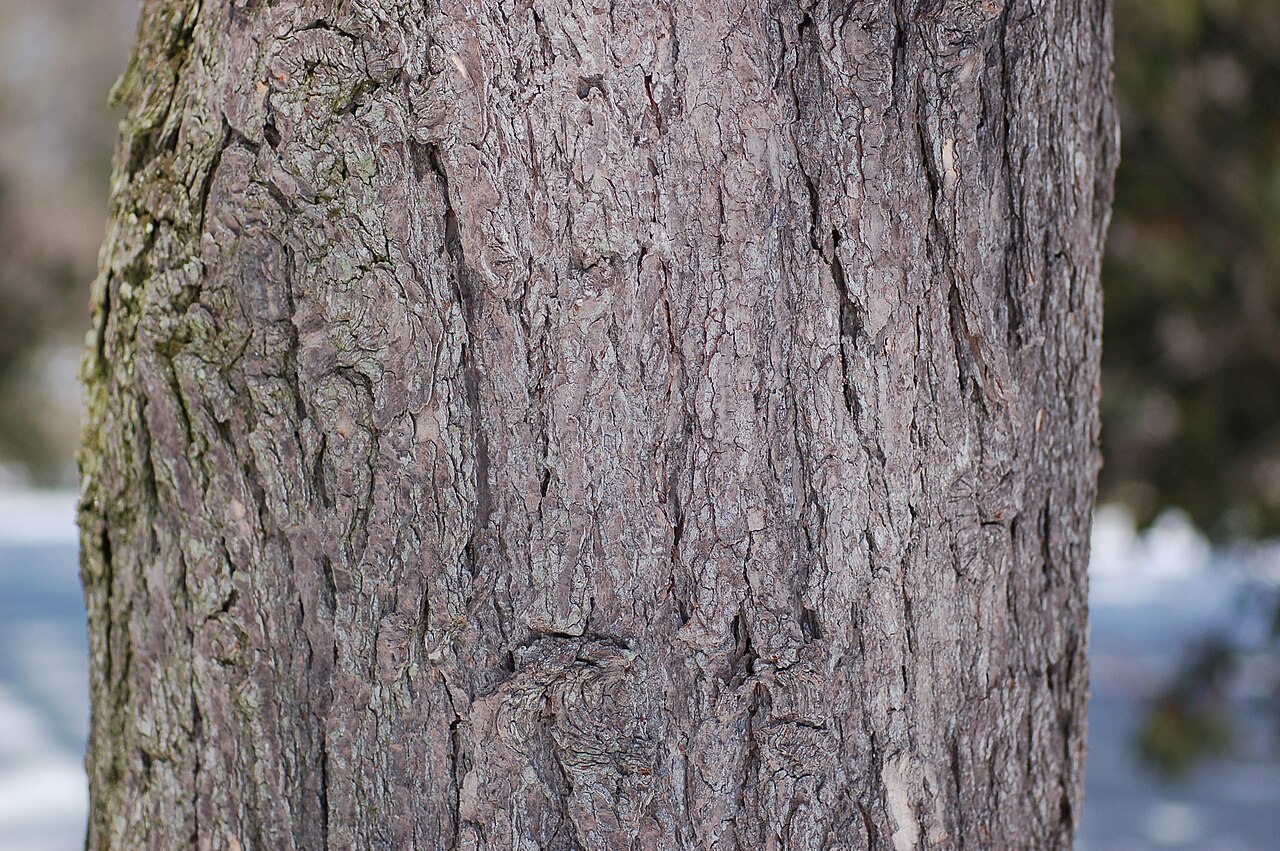
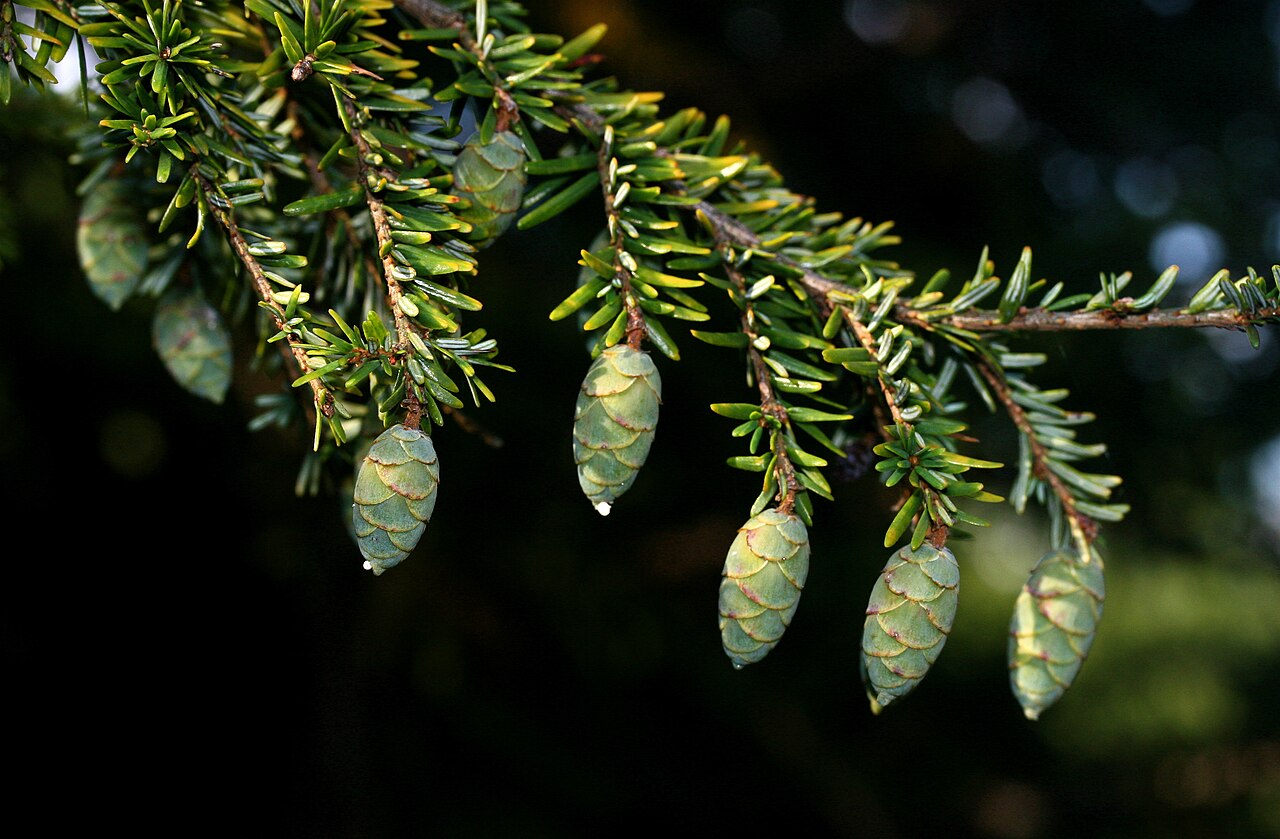
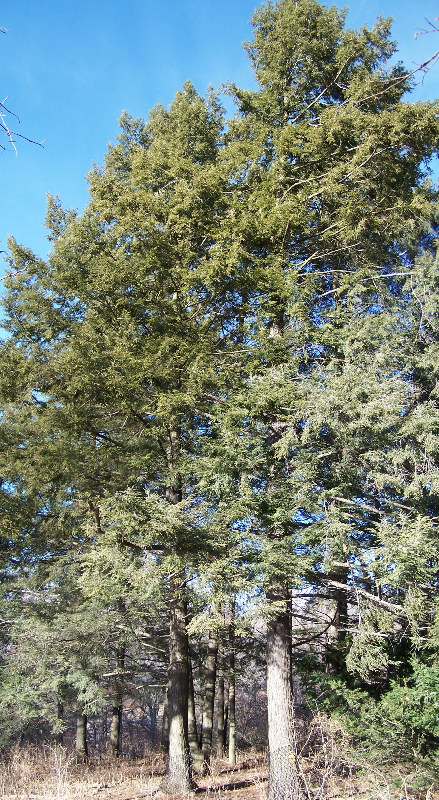
Why this variety
Gentsch White is the eastern hemlock for gardeners who want a variegated evergreen without the usual variegated-plant fuss: its new spring growth emerges tipped in creamy white, so the whole tree looks frosted for weeks each spring before settling to soft green for summer. It grows more slowly and stays smaller than the species, which makes it the hemlock for a shade garden, a foundation planting, or a container trial, where a full-size hemlock would be a future problem and Gentsch White is a present pleasure.
Culture matches Pendula exactly — North Florida trial, part shade, moist acidic well-drained soil, deep mulch, adelgid watch — with one extra note: variegated foliage can scorch in hot sun, so give Gentsch White more shade than Pendula, morning sun at most in a Florida trial, and water steadily while new growth is soft. A Gentsch White that scorches in a Florida spring is telling you about the site, not about your care, and the honest response is more shade, not more fertilizer.
If you are new to choosing between cultivars, the Varieties Matter guide explains why the name after the plant matters as much as the plant itself. Gentsch White is a perfect example: it is not just a eastern hemlock in the abstract, it is a eastern hemlock with a specific job, a specific history, and specific strengths.
How to grow
Plant in spring or fall in part shade, in acidic, humus-rich, moist but well-drained soil — eastern hemlock is a cool woodland conifer that wants shade, moisture, and cool roots, and it scorches in hot sun and dry soil. Work worm castings and compost into the planting hole, mulch deeply to keep roots cool, and space for the mature tree. Water through dry spells, never let a young hemlock bake dry, and inspect regularly for hemlock woolly adelgid, the white woolly pest that has devastated hemlocks across the East.
Set plants 8-12 feet in soil with a pH around 5.0-6.5. Work worm castings into the bed at planting and mulch to hold moisture. A well-fed eastern hemlock plant rewards that care directly: steadier growth, better bloom, and a show that actually shows up.
Water & feeding
Keep soil consistently moist at all times — eastern hemlock wants cool, moist soil, and a tree that dries out scorches, stalls, and thins for a season. Water deeply at the soil line, mulch deeply to keep roots cool, and feed lightly: castings and compost at planting plus a spring top-dress. Never let a young hemlock bake dry, and never plant it in a bed that dries between rains.
Common problems
- Hemlock woolly adelgid — white woolly sacs on branch undersides; inspect regularly, and treat promptly where the pest is established, because adelgid kills hemlocks over years.
- Heat and humidity failure — the likely end of a Florida hemlock trial; heat and humidity thin and kill young trees even with good care.
- Scorch in hot sun or dry soil — hemlock wants shade and steady moisture; a sun-baked hemlock scorches and thins.
- Spider mites in hot, dry weather — blast with water and encourage predators; stressed, dry trees attract mites first.
- Deer browsing young trees — protect young hemlocks where deer are a problem, or plant a less palatable evergreen.
Harvest
There is no flower or fruit harvest — eastern hemlock is grown for foliage and form, and its small cones are insignificant. The seasonal work is care and honesty: water deeply, mulch to keep roots cool, inspect for woolly adelgid, and judge a trial tree over years, not months, because a hemlock trial is judged on survival through summers, not on first-year growth. Prune only dead or crossing branches, and do not shear a hemlock into a shape it does not want to be.
Browse all plant & pest guides
Saving seeds
Gentsch White is a variegated eastern hemlock cultivar, and variegation does not hold from seed — plant a nursery-grown tree and give it more shade than the species, since variegated foliage scorches in hot sun. The Saving seeds section of the Eastern Hemlock guide covers seed for the species generally.