
🌿 Ovation Blackhaw Viburnum
What it looks like
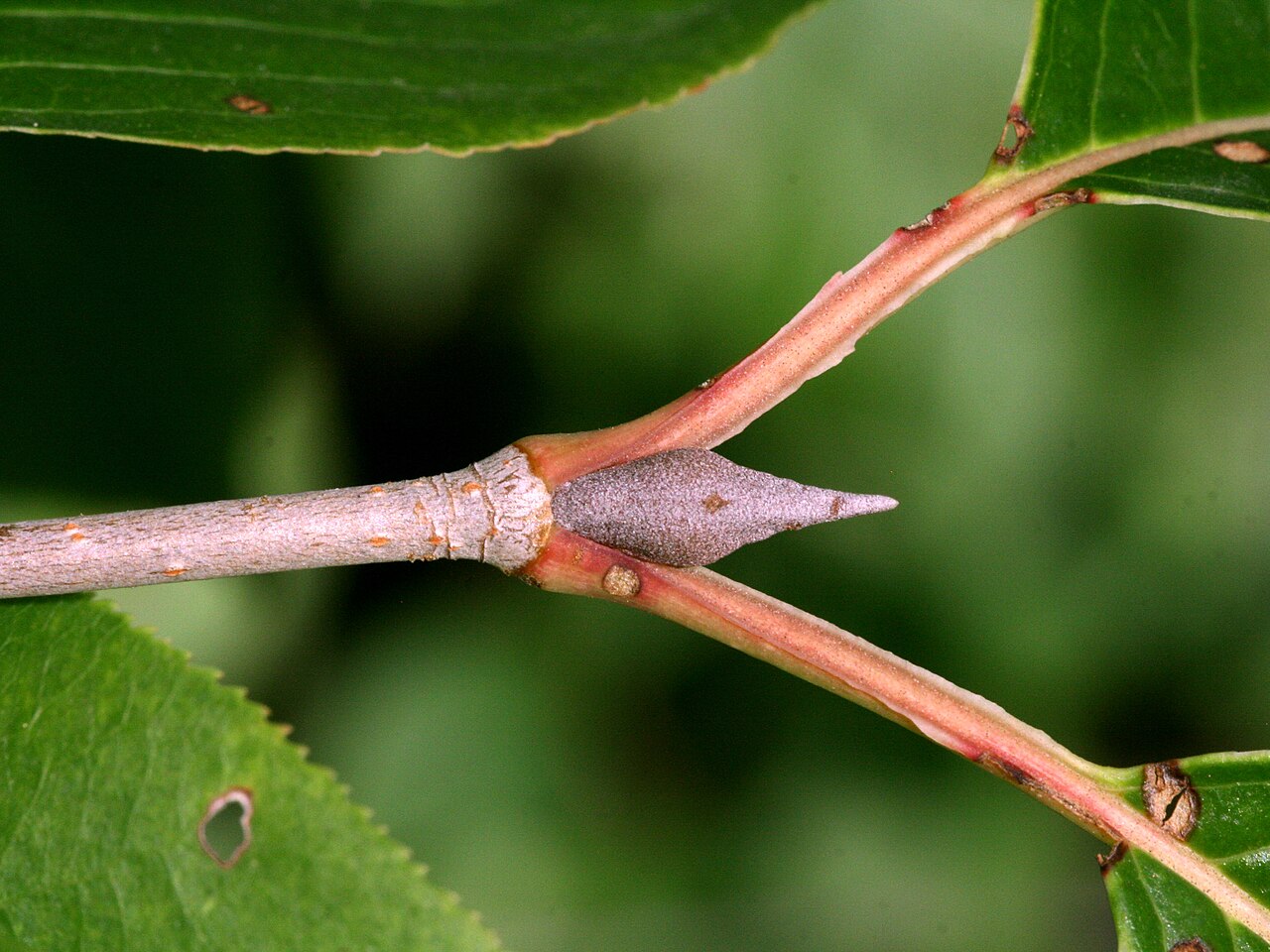
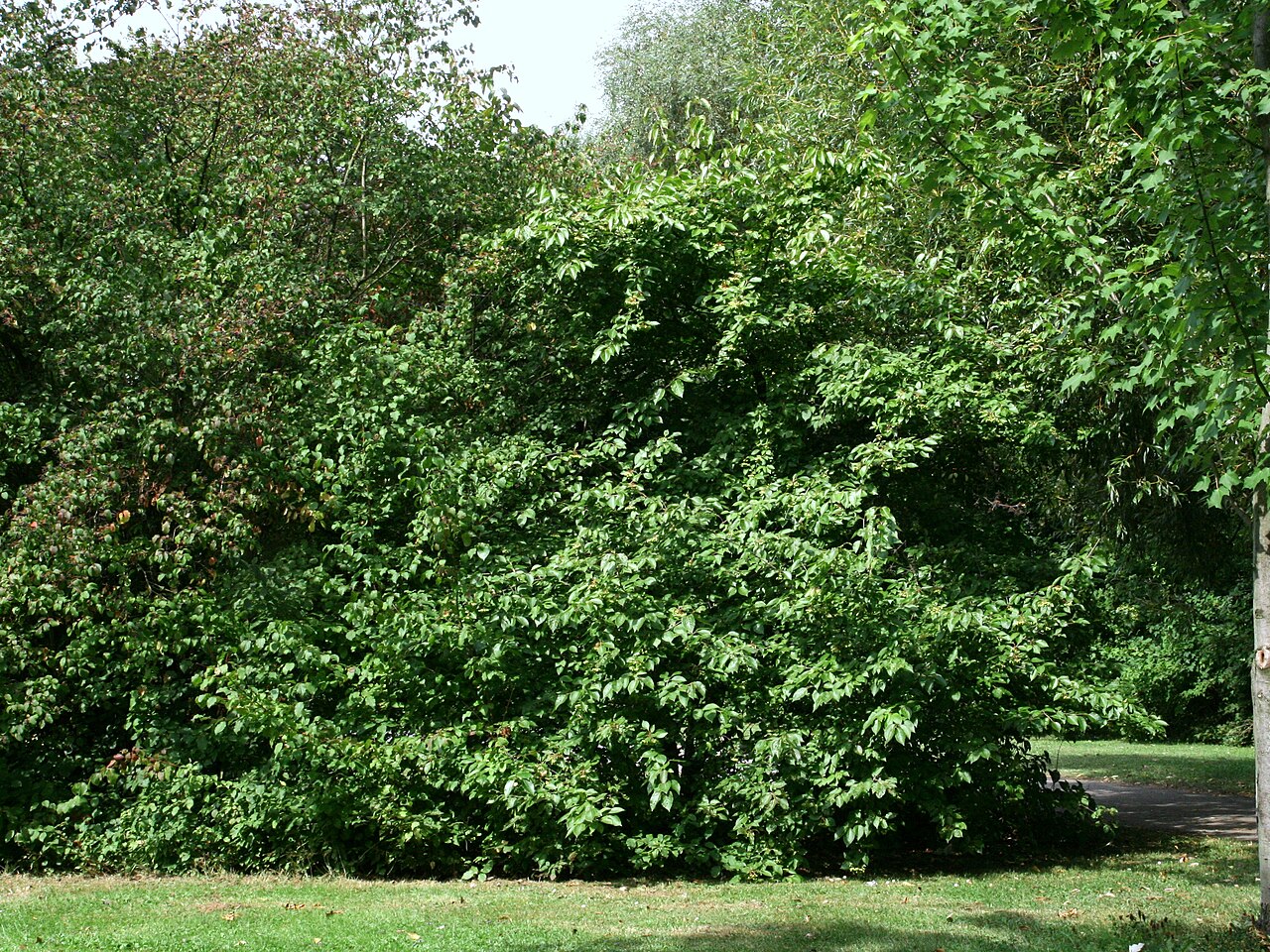
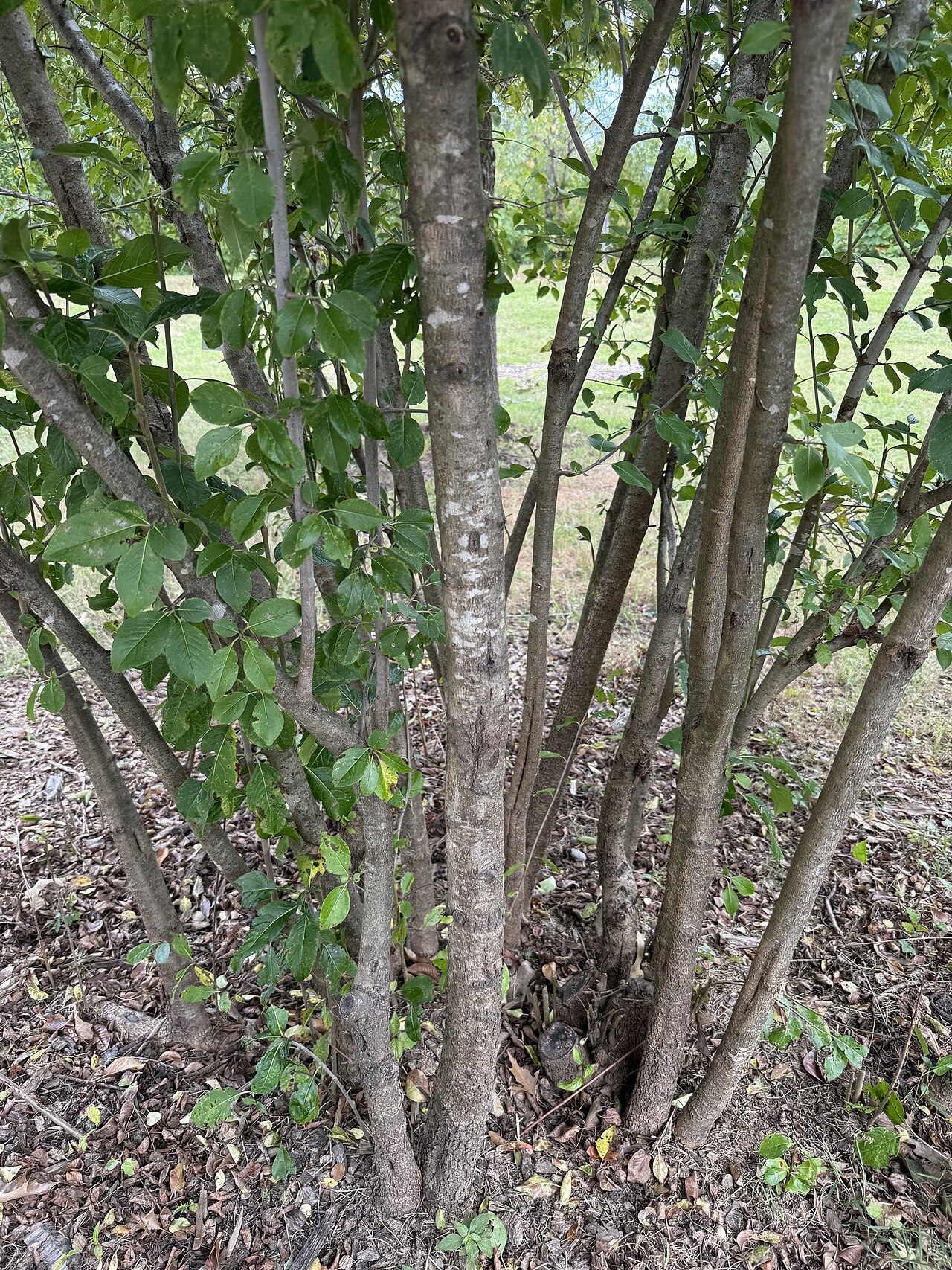
Why this variety
Ovation is the blackhaw for gardeners who love the species but do not have room for a fifteen-foot shrub: an upright, columnar selection that grows about ten feet tall and only half as wide, with young leaves carrying a reddish cast that deepens the spring show. It still gives you the blackhaw essentials — flat-topped creamy-white flower clusters in spring, dark blue berries afterward, and good fall color — but in a narrow column that fits a side yard, a screen in a tight bed, or a row where a full-size blackhaw would swallow the path. Columnar natives are rare, and Ovation is one of the genuinely useful ones.
The trade-off is the same blackhaw bargain: slow to establish, so do not judge it in year one, and still a large shrub in disguise — ten feet tall is not small, even if it is narrow. Give Ovation sun to partial shade, well-drained soil, and room to reach its height without being sheared into a box, because shearing a columnar viburnum into a hedge wastes the habit you bought it for. Planted with room and left mostly alone, it is a low-maintenance screen that looks intentional without any work.
If you are new to choosing between cultivars, the Varieties Matter guide explains why the name after the plant matters as much as the plant itself. Ovation is a perfect example: it is not just a blackhaw viburnum in the abstract, it is a blackhaw viburnum with a specific job, a specific history, and specific strengths.
Florida honesty: like Forest Rouge, Ovation is a North Florida plant only. Blackhaw’s range ends at zone 9, so in North Florida plant it with afternoon shade and cool, mulched roots, and south of there choose a heat-loving native viburnum instead. Ovation’s narrow habit does not make it any tougher in heat — it makes it tidier in the climates where blackhaw already grows.
How to grow
Plant in spring or fall in full sun to partial shade, in well-drained soil — blackhaw is a large native shrub or small tree, twelve to fifteen feet tall, that wants room to become the multi-stem tree it is. Work worm castings into the planting hole, mulch to hold moisture, and water through the first two seasons while it establishes, because blackhaw is slow-growing and a dry first year sets it back. Do not shear it into a box: blackhaw’s form is upright and rounded, and its flowers, fruit, and fall color are the show, not a clipped shape.
Set plants 4-5 feet apart in soil with a pH around 6.0-7.5. Work worm castings into the bed at planting and mulch to hold moisture. A well-fed blackhaw viburnum plant rewards that care directly: steadier growth, better bloom, and a show that actually shows up.
Water & feeding
Water through the first two seasons while plants establish — blackhaw is slow-growing and a dry first year sets it back — then water in dry spells, because established blackhaw tolerates drought well. Water at the soil line, mulch to hold moisture, and feed lightly: castings at planting plus a spring top-dress is usually enough, because rich soil makes soft growth instead of a tough native shrub.
Common problems
- Slow establishment — blackhaw takes two to three years to settle; judge it in year three, not year one, and do not dig it up in frustration.
- Heat failure south of its range — blackhaw tops out at zone 9; heat and humidity outside North Florida end it, and no mulch changes the math.
- Viburnum leaf beetle on stressed plants — skeletonized leaves; pick larvae by hand and keep plants vigorous with water and mulch.
- Fruit failure without cross-pollination — a lone blackhaw fruits thinly; plant two or more for a good berry set.
- Leaf spot in wet, crowded plantings — space for air, water at the soil line, and remove affected leaves.
Harvest
There is no food harvest most gardeners plan around — blackhaw is grown for flowers, fall color, and winter fruit for birds. If you want the traditional harvest, pick berries when fully blue-black and soft, after a frost has sweetened them, and cook them into jam or jelly, because raw blackhaw fruit is astringent. Leave most berries standing through winter for birds, prune lightly in late winter for shape, and enjoy the four-season show, because that is the harvest that matters.
Browse all plant & pest guides
Saving seeds
Ovation is the blackhaw for gardeners who love the species but do not have room for a fifteen-foot shrub: an upright, columnar selection that grows about ten feet tall and only half as wide, with young leaves carrying a reddish cast that deepens the spring show. It still gives you the blackhaw essentials — flat-topped creamy-white flower clusters in spring, dark blue berries afterward, and good fall color — but in a narrow column that fits a side yard, a screen in a tight bed, or a row where a full-size blackhaw would swallow the path. As a named selection it is kept true by cuttings, not by seed — seedlings would not hold the narrow, columnar habit. Plant in spring or fall in full sun to partial shade, in well-drained soil. The full method is in the Saving seeds section of the Blackhaw Viburnum guide.