
🌿 Blackhaw Viburnum
What it looks like
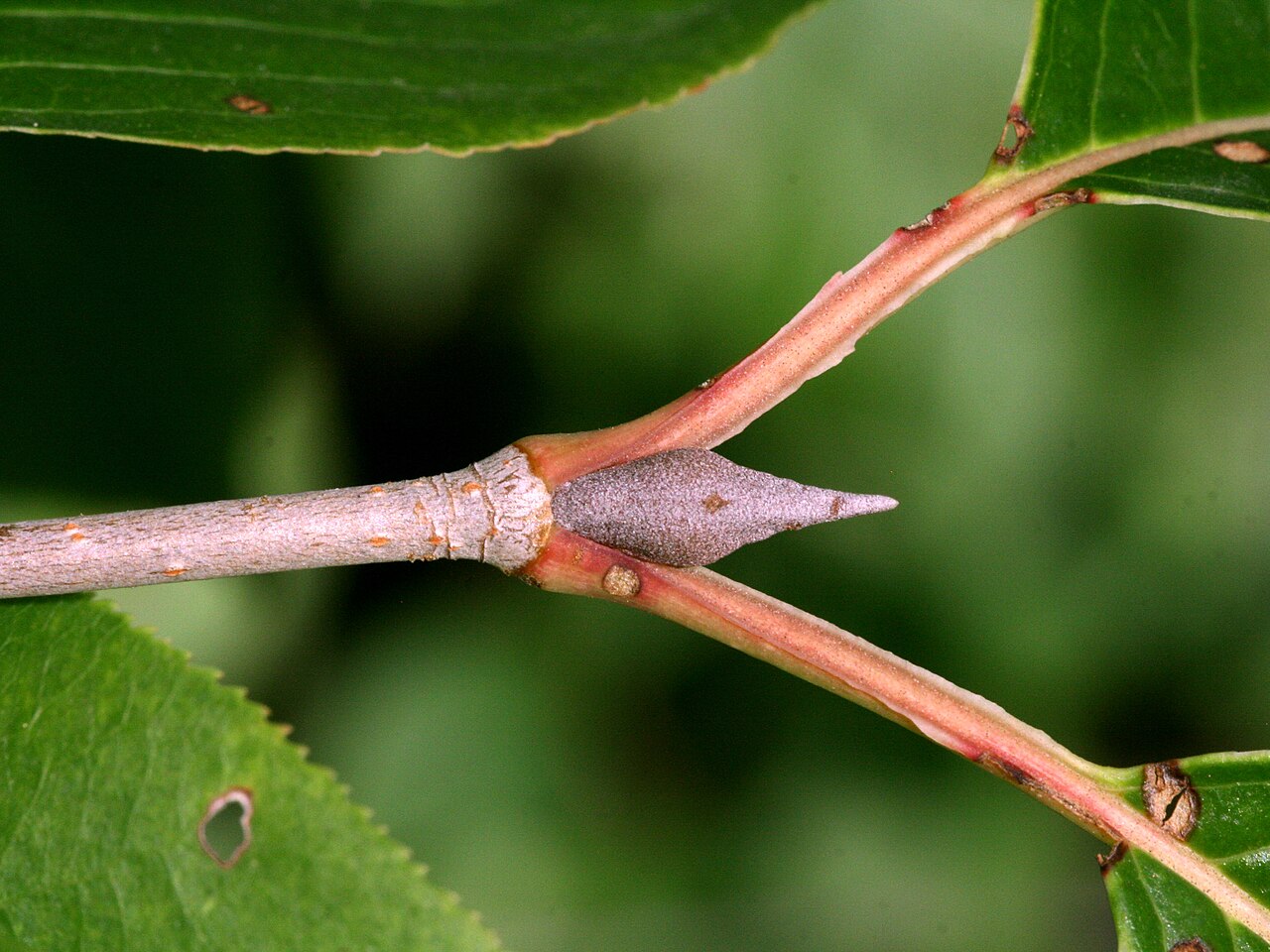
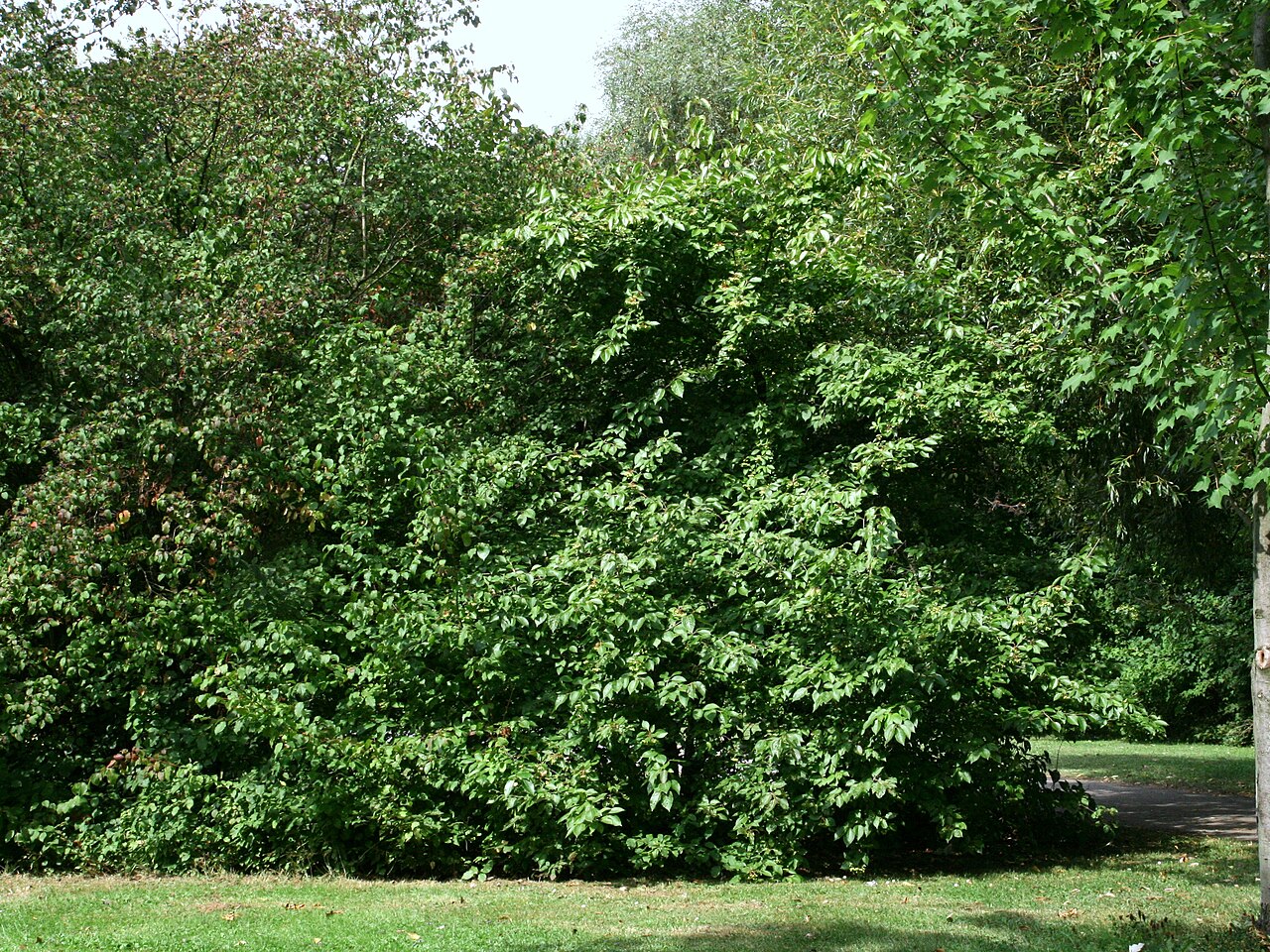
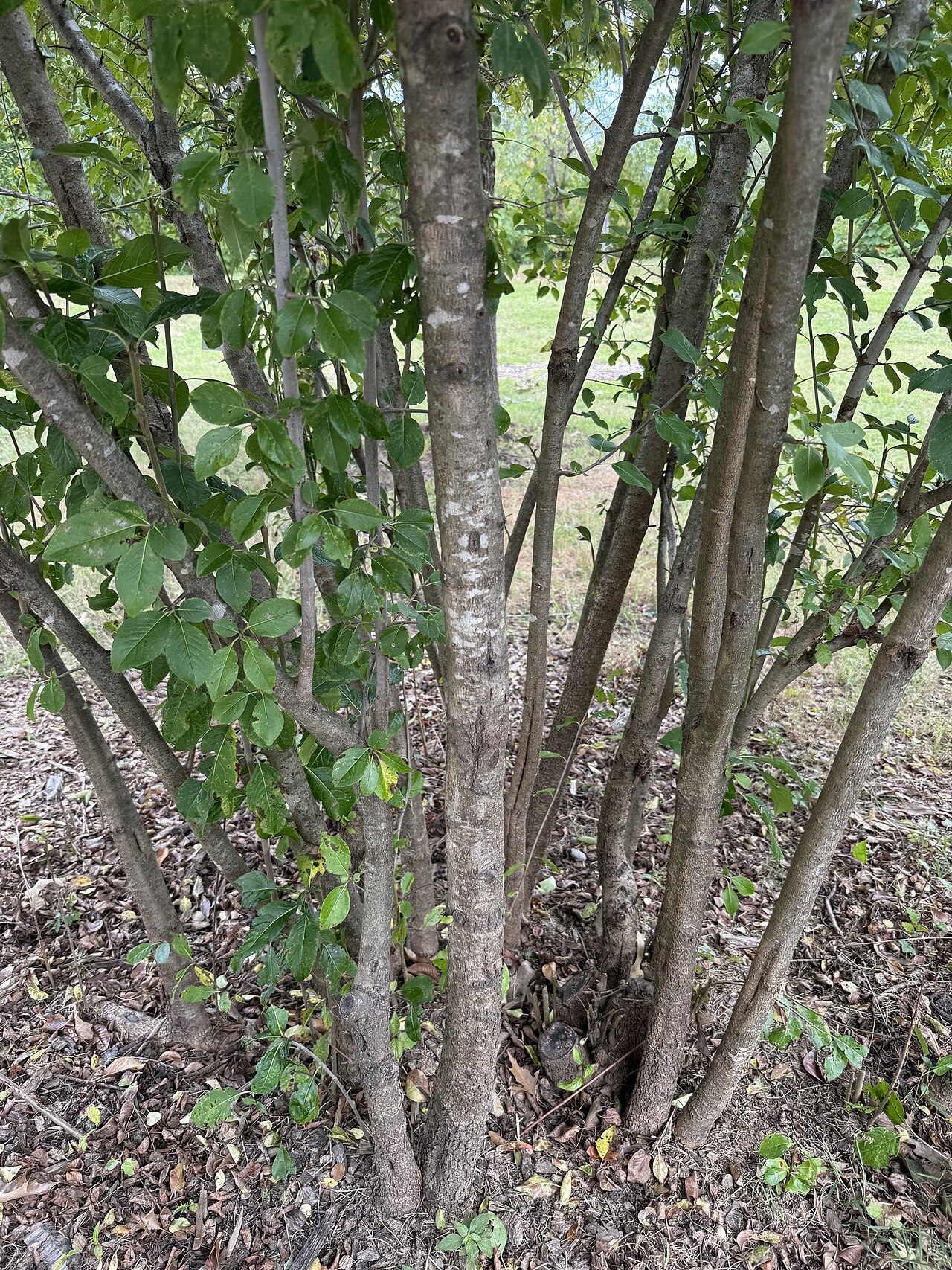
How to grow
Blackhaw is a large native shrub or small tree, 12–15 feet tall, with an upright, rounded form, flat-topped white flower clusters in spring, glossy leaves that turn red-purple in fall, and blue-black berries that hang on into winter for the birds. Plant in spring or fall in well-drained loam, sand, or clay; it tolerates dry soil, poor soil, and black walnut toxicity, which makes it a problem-solver for difficult spots. It is not self-fertile, so plant more than one for the best fruit set, and give it full sun for the strongest fall color — in shade it still grows, but with less drama. Its dense habit makes it a fine tall hedge or screen, and it is notably deer-resistant.
Water & feeding
Water regularly in the first year to establish roots; after that, blackhaw is drought-tolerant and needs only occasional deep watering in extended dry spells. Mulch to conserve moisture, and skip heavy fertilizer — compost at planting and a light spring feed are enough. Avoid waterlogged sites, which can cause root rot.
Common problems
- Leaf scorch in hot, exposed sites — give afternoon shade or extra water in heat.
- Powdery mildew in humid, still air — improve circulation and avoid overhead watering.
- Viburnum leaf beetle — the main pest to watch for; remove larvae by hand on small plants and keep plants vigorous.
- Poor fruiting — usually a lone plant with no pollination partner; add a second blackhaw or compatible viburnum.
Harvest
Berries ripen in fall and taste best after a frost; they are edible raw or cooked, with thin, dry flesh and a sweet taste in the best forms, and they make good preserves. Leave some for the birds — blackhaw berries are a winter pantry for wildlife.
Browse all plant & pest guides
Saving seeds
Blackhaw viburnum (Viburnum prunifolium) will grow from seed, but it asks for something most garden plants do not: a calendar measured in seasons, not weeks. If you want a quick clone of a shrub you love, take cuttings or layer a low branch instead. If you want the long game — and a shrub that is genetically its own plant, not a copy — seed is the honest route, and the wait is part of the deal.
Start with the fruit. In autumn the drupes ripen to blue-black, and that color change is your picking signal. You need fruit in the first place, though, and here is a catch worth knowing before you plan a seed crop: blackhaw is self-incompatible, so a lone shrub may flower beautifully and set little or no fertile seed. It needs a genetically distinct blackhaw nearby — a different plant, not a cutting of itself — for pollination to do its work. No neighbor, no seed crop, and no amount of careful stratification will fix that.
Collect ripe drupes, strip off the pulp, and rinse the flat stones clean. Pulp left on the seed invites mold, and mold is the quiet killer of stored viburnum seed. The best results come from seed sown fresh, as soon as it is ripe, in a cold frame or a pot left outdoors through winter — nature runs the dormancy-breaking sequence for you. If you must store seed, know that it needs a warm period followed by a cold one: roughly two months warm and moist, then about three months cold and moist is the sequence most references describe. Even then, sources disagree on the payoff. Some say germination follows the first spring after sowing; others warn it can take eighteen months, or that fall-sown seed may sit through two winters before sprouting. Treat every timetable as a range, not a promise, and do not throw the pot away in frustration after one quiet spring — a second winter is often the one that does it.
When seedlings finally appear, prick them out into individual pots once they are big enough to handle, grow them on in a cold frame or a sheltered spot, and plant them out in late spring or early summer of the following year. Expect a shrub, not a showpiece, for a while: blackhaw is a slow builder, and seed-grown plants take years to reach fruiting size. Named cultivars will not come true from seed — a seedling of a selected form is a new plant with its own character, which is charming if you like surprises and disappointing if you wanted an exact copy. For an exact copy, use softwood cuttings in early summer or layer a low branch and wait it out.
Florida note: blackhaw is a plant of temperate woodlands, so in Florida it belongs in the coolest, shadiest corner you can offer, and seed work follows the same rule as everywhere else — only more so. Do not dry-store seed in a humid garage and expect it alive in spring. If you are holding seed at all, dry it thoroughly first, then store it airtight with a desiccant packet somewhere cool and dark. Better still, sow it fresh and let winter do the work.
Varieties
Every named variety of Blackhaw Viburnum with its own growing guide:
- Forest Rouge Blackhaw Viburnum — The maroon-fall blackhaw: the toughest native viburnum, selected for an outstanding maroon autumn show over glossy green summer leaves.
- Ovation Blackhaw Viburnum — The columnar blackhaw: an upright, narrow blackhaw for tight spaces, with reddish new leaves and dark blue berries.