
🌿 Forest Rouge Blackhaw Viburnum
What it looks like
Why this variety
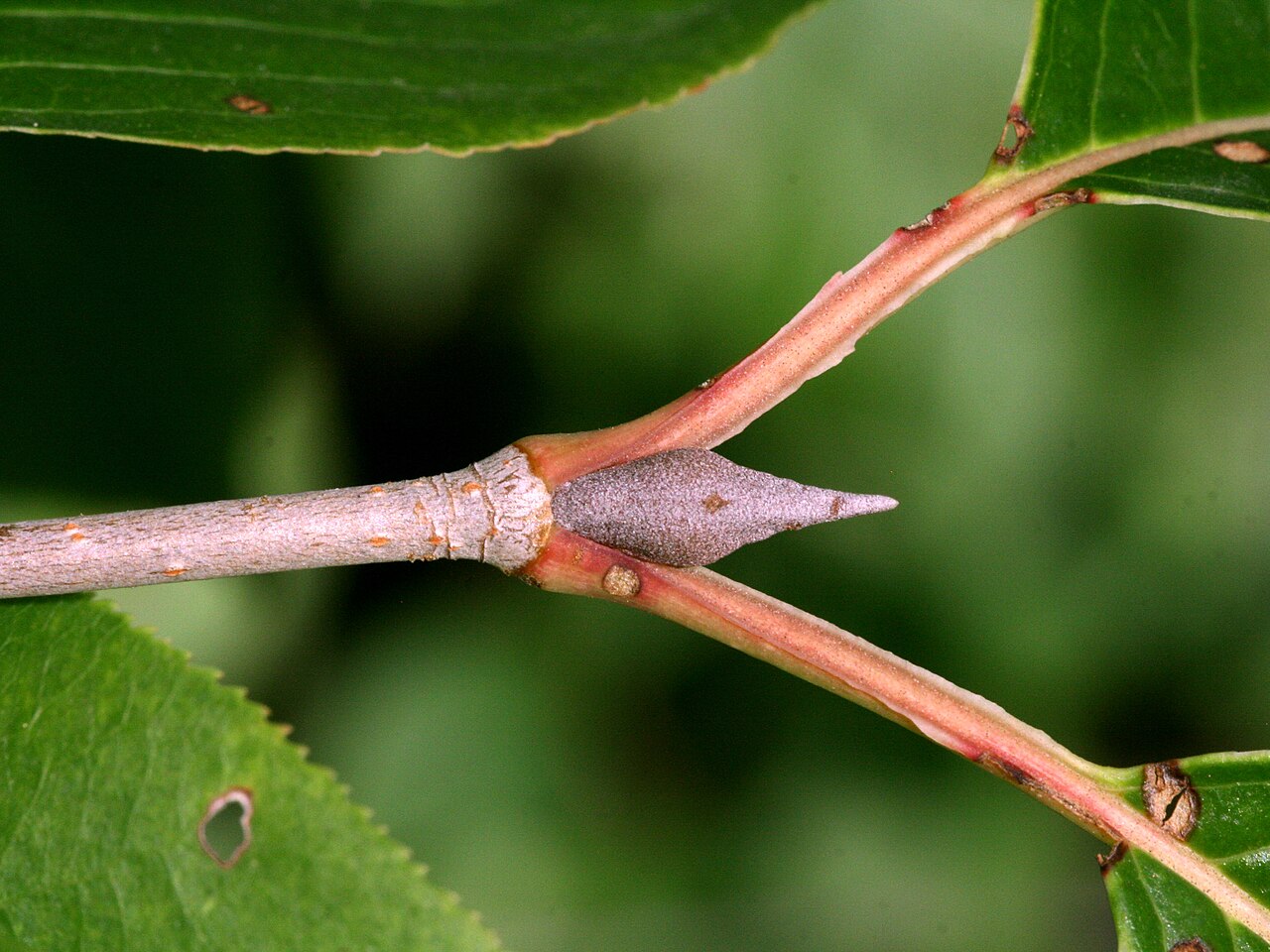
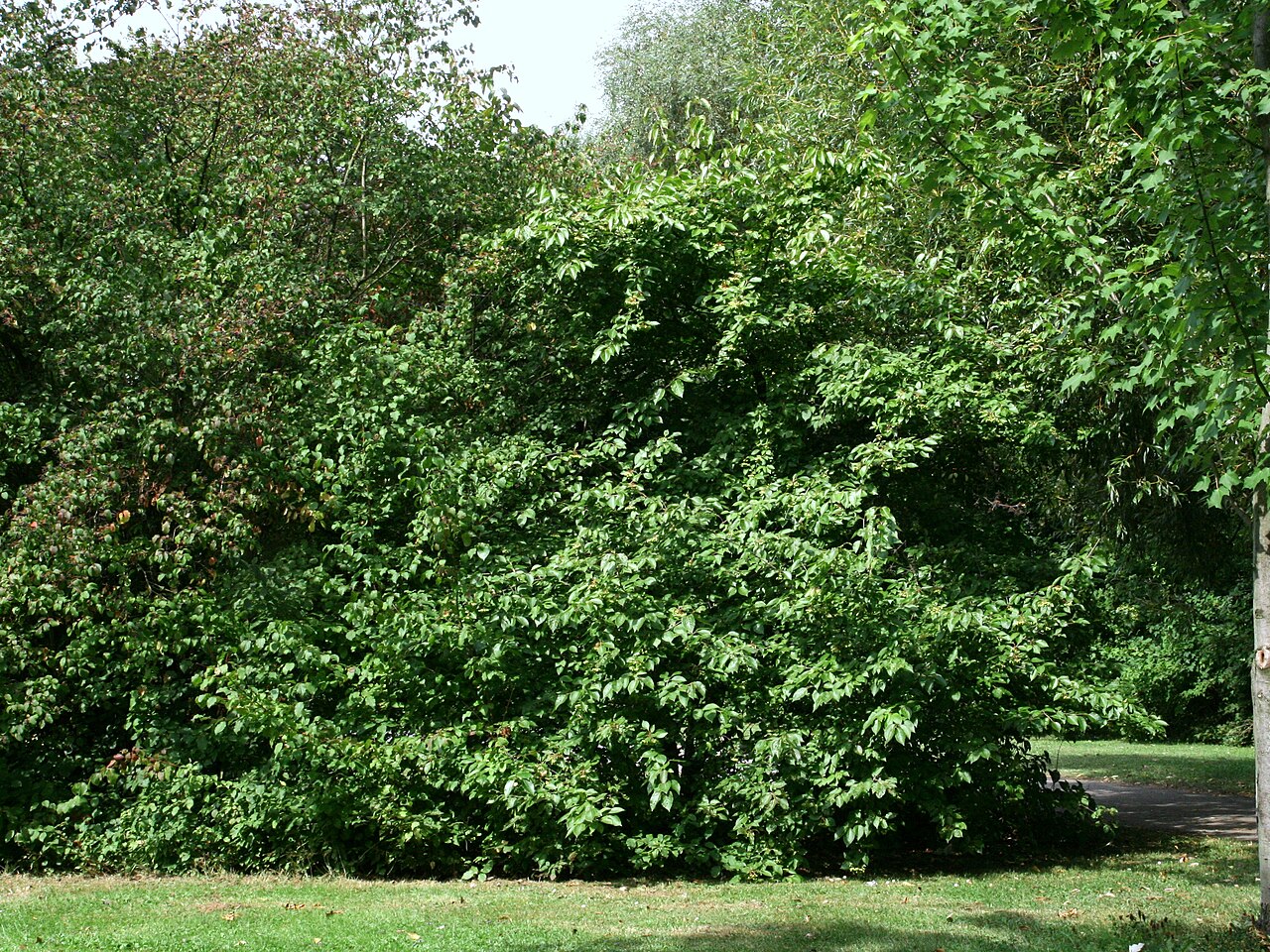
Forest Rouge is the blackhaw viburnum with a fall color worth naming a plant after: a dense, oval, upright shrub or small tree, eight to twelve feet tall, with foliage that emerges yellow-green, ages to dark, shiny green, and then turns an outstanding maroon in fall — the color that gave the selection its name. In spring it carries the species’ flat-topped clusters of creamy-white flowers, followed by blue-black fruit that can persist nicely into winter for the birds, and its stems carry dark red color on the new growth. It is a trademarked selection made by a nursery breeder from the straight species, which means every Forest Rouge plant is the same plant, reliably, instead of a seedling lottery.
The trade-off is patience and range. Blackhaw is slow-growing — two to three years to establish before it really gets going — and Forest Rouge is no exception, so judge it in year three, not year one. It also wants the same deal as the species: sun to partial shade, well-drained soil, and room to become a small tree, not a foundation shrub squeezed against a wall. Give it that room and it is nearly trouble-free, with the four-season interest — spring flowers, summer gloss, maroon fall, winter fruit — that made blackhaw a native-garden staple.
If you are new to choosing between cultivars, the Varieties Matter guide explains why the name after the plant matters as much as the plant itself. Forest Rouge is a perfect example: it is not just a blackhaw viburnum in the abstract, it is a blackhaw viburnum with a specific job, a specific history, and specific strengths.
Florida honesty: blackhaw viburnum is a North Florida plant, not a statewide one. Its range tops out at zone 9, and the heat and humidity of Central and South Florida are outside its comfort zone — plant it in North Florida in a spot with morning sun and afternoon shade, soil that drains, and mulch to keep roots cool, and count a healthy, fruiting shrub as a success. South of North Florida, admire blackhaw in photographs and plant a native viburnum that actually likes heat, such as Walter’s viburnum, instead.
How to grow
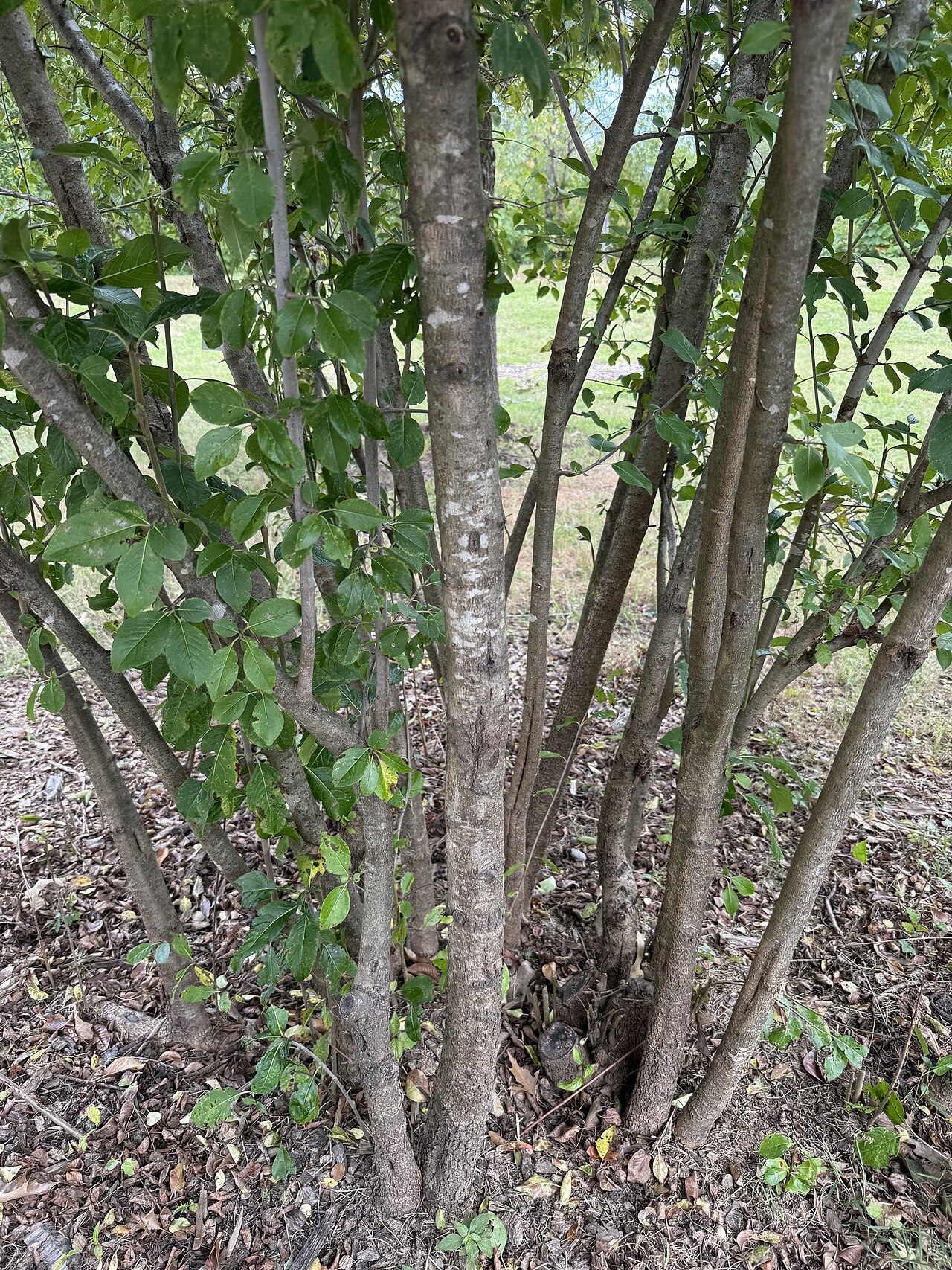
Plant in spring or fall in full sun to partial shade, in well-drained soil — blackhaw is a large native shrub or small tree, twelve to fifteen feet tall, that wants room to become the multi-stem tree it is. Work worm castings into the planting hole, mulch to hold moisture, and water through the first two seasons while it establishes, because blackhaw is slow-growing and a dry first year sets it back. Do not shear it into a box: blackhaw’s form is upright and rounded, and its flowers, fruit, and fall color are the show, not a clipped shape.
Set plants 6-8 feet apart in soil with a pH around 6.0-7.5. Work worm castings into the bed at planting and mulch to hold moisture. A well-fed blackhaw viburnum plant rewards that care directly: steadier growth, better bloom, and a show that actually shows up.
Water & feeding
Water through the first two seasons while plants establish — blackhaw is slow-growing and a dry first year sets it back — then water in dry spells, because established blackhaw tolerates drought well. Water at the soil line, mulch to hold moisture, and feed lightly: castings at planting plus a spring top-dress is usually enough, because rich soil makes soft growth instead of a tough native shrub.
Common problems
- Slow establishment — blackhaw takes two to three years to settle; judge it in year three, not year one, and do not dig it up in frustration.
- Heat failure south of its range — blackhaw tops out at zone 9; heat and humidity outside North Florida end it, and no mulch changes the math.
- Viburnum leaf beetle on stressed plants — skeletonized leaves; pick larvae by hand and keep plants vigorous with water and mulch.
- Fruit failure without cross-pollination — a lone blackhaw fruits thinly; plant two or more for a good berry set.
- Leaf spot in wet, crowded plantings — space for air, water at the soil line, and remove affected leaves.
Harvest
There is no food harvest most gardeners plan around — blackhaw is grown for flowers, fall color, and winter fruit for birds. If you want the traditional harvest, pick berries when fully blue-black and soft, after a frost has sweetened them, and cook them into jam or jelly, because raw blackhaw fruit is astringent. Leave most berries standing through winter for birds, prune lightly in late winter for shape, and enjoy the four-season show, because that is the harvest that matters.
Browse all plant & pest guides
Saving seeds
Forest Rouge is a trademarked blackhaw selection, and every Forest Rouge plant is the same plant — propagate it vegetatively, not from seed, which would be a seedling lottery. The Saving seeds section of the Blackhaw Viburnum guide covers seed for the species generally.