
❄️ Peppermint Pearl Wintergreen
What it looks like
Why this variety
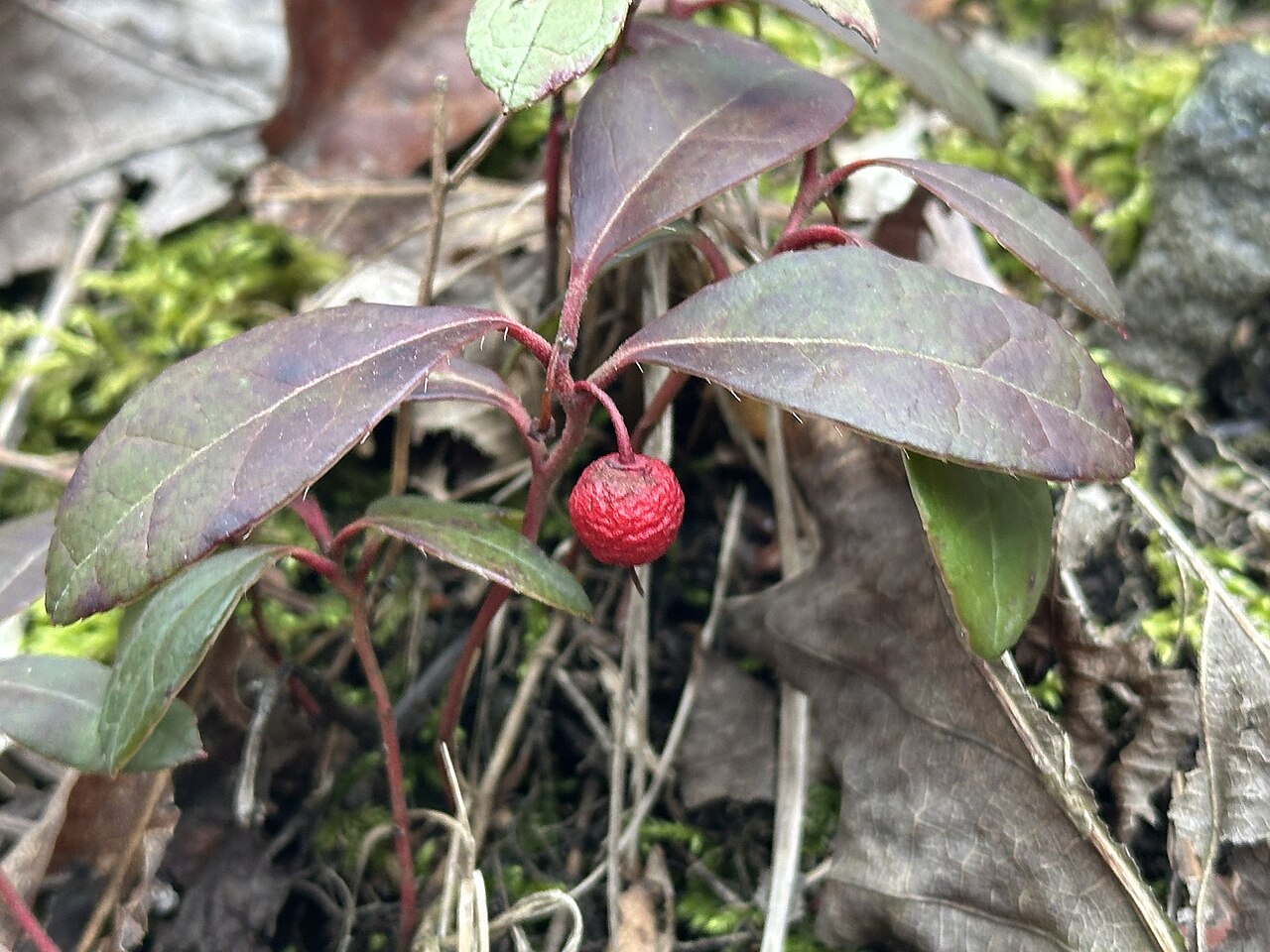
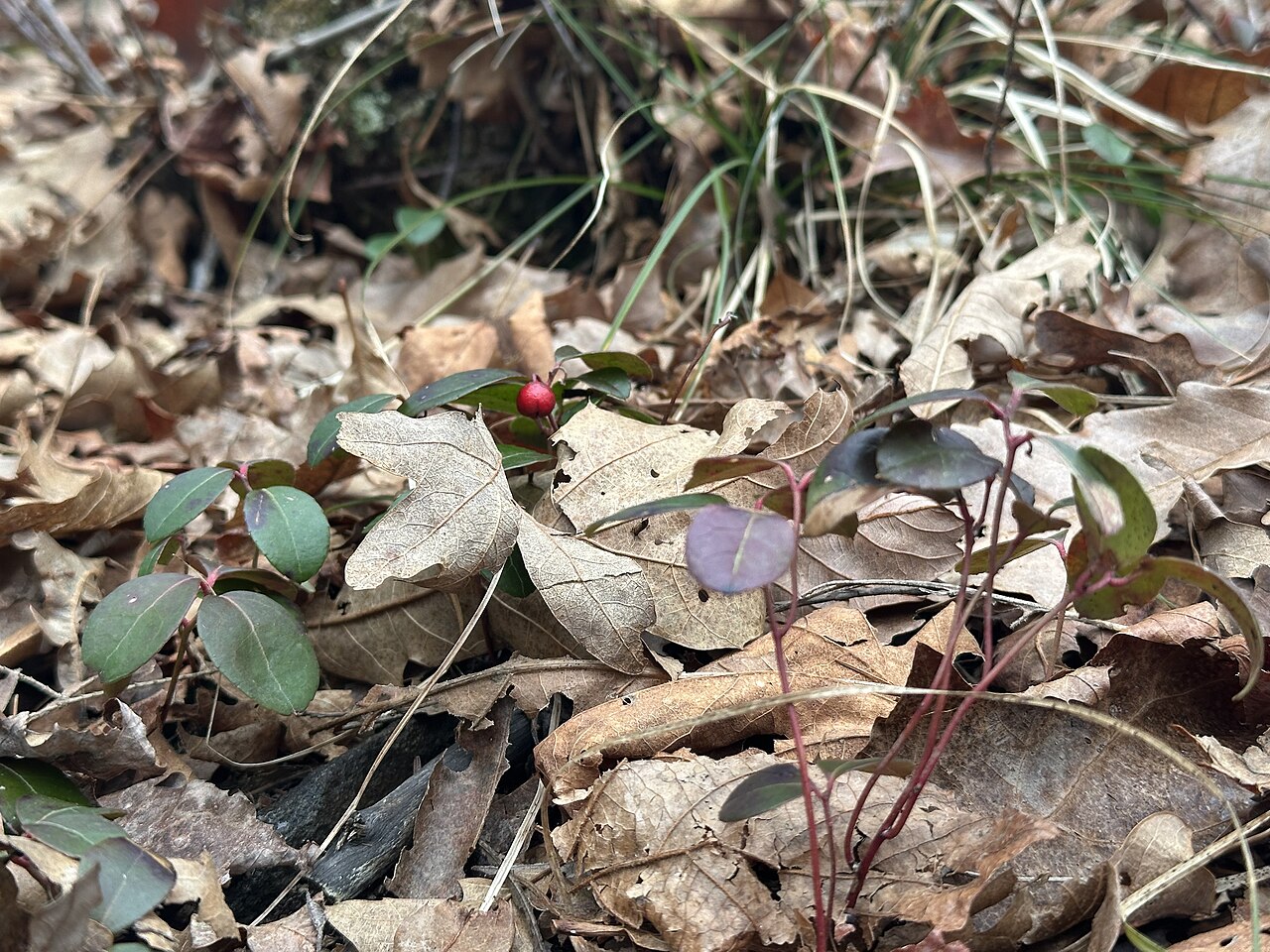
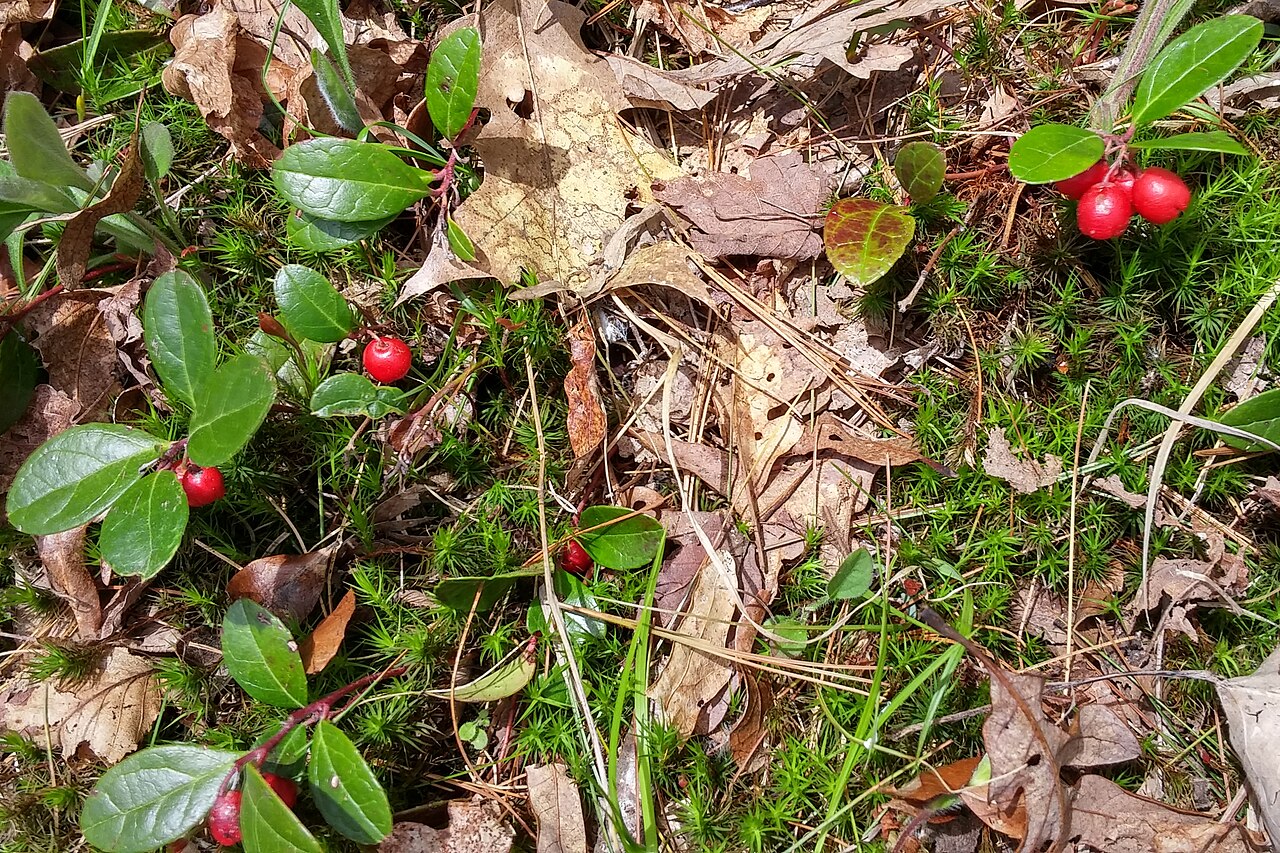
Peppermint Pearl is the wintergreen for gardeners who want berries with a twist: white berries that mature to pink, on the same glossy evergreen groundcover as the species, with the same mint scent when leaves are crushed. It is a patented selection, sold in the nursery trade, with white bell flowers in summer followed by berries that last through winter, and foliage that turns burgundy-red in cold weather. It is the wintergreen for a shady container or woodland edge where red berries would disappear against green.
Grow Peppermint Pearl like any wintergreen: part to full shade, acidic, moist, well-drained soil rich in organic matter, and mulch to hold moisture, because wintergreen hates dry roots and alkaline soil. Space plants 8 to 12 inches apart and they knit into a low carpet, 3 to 6 inches tall, that berries reliably once established. Do not plant it in sun or in limed soil, because both bleach and stunt it, and do not expect it to thrive where blueberries would not.
If you are new to choosing between cultivars, the Varieties Matter guide explains why the name after the plant matters as much as the plant itself. Peppermint Pearl is a perfect example: it is not just a wintergreen in the abstract, it is a wintergreen with a specific job, a specific history, and specific strengths.
Florida framing, stated plainly: wintergreen is a North Florida trial at best, not a statewide groundcover. It needs acid soil, shade, and cool summers, and most of Florida is too hot and too alkaline for it, so plant Peppermint Pearl in a shaded container with acidic mix, treat it as a trial, and do not promise it a Florida future. North Florida shade gardens with naturally acidic soil give it the only real shot.
How to grow
Plant in spring or fall in part to full shade and acidic, moist, well-drained soil rich in organic matter, because wintergreen is an acid-loving woodland plant that hates dry roots and lime. Work composted pine bark or peat into the bed at planting, never lime, space 8 to 12 inches apart, and mulch with pine needles to hold moisture and acidity. Water steadily while establishing and through dry spells, and do not plant wintergreen in sun or alkaline soil, because both stunt it.
Set plants 8-12 inches apart in soil with a pH around 4.5-5.5. Work worm castings into the bed at planting and mulch to hold moisture. A well-fed wintergreen plant rewards that care directly: steadier growth, better bloom or fruit, and a show that actually shows up.
Water & feeding
Keep soil evenly moist but never waterlogged; wintergreen wants steady moisture, acidic soil, and shade, not sun and not drought. Water at the soil line, mulch with pine needles to hold moisture and acidity, and feed lightly: castings at planting is usually enough, because rich, limed soil harms it. Do not let plants dry out, because dry roots are wintergreen’s killer, and do not lime the bed, ever.
Common problems
- ALKALINE SOIL — wintergreen needs acid soil, pH 4.5 to 5.5; limed or alkaline soil stunts and yellows it, so never lime the bed.
- DRY ROOTS — wintergreen hates dry soil; mulch with pine needles, water steadily, and do not let plants dry out.
- SUN SCORCH — full sun bleaches and stunts wintergreen; give it part to full shade, always.
- HEAT FAILURE in warm climates — wintergreen needs cool summers; in Florida it is a North Florida trial at best, in a shaded container.
- SLOW ESTABLISHMENT — wintergreen establishes slowly; judge it in year two, not year one, and do not dig it up in impatience.
Harvest
Harvest berries in fall and winter, when they are fully colored and soft, picking them fresh for eating, pies, or tea, because wintergreen berries are mint-flavored and best fresh. Harvest leaves through the season for mountain tea, drying them promptly, and enjoy the winter display, because a wintergreen carpet in berry is a garden’s winter jewelry. Do not harvest heavily from young plants, because the plant needs its first seasons to establish.
Browse all plant & pest guides
Saving seeds
Peppermint Pearl is the wintergreen for gardeners who want berries with a twist: white berries that mature to pink, on the same glossy evergreen groundcover as the species, with the same mint scent when leaves are crushed. It is a patented selection, sold in the nursery trade, with white bell flowers in summer followed by berries that last through winter, and foliage that turns burgundy-red in cold weather. As a named wintergreen selection it is kept true by cuttings and division, not by seed — seedlings would not hold the white-to-pink berries. Grow Peppermint Pearl like any wintergreen: part to full shade, acidic, moist, well-drained soil rich in organic matter, and mulch to hold moisture, because wintergreen hates dry roots and alkaline soil. The full method is in the Saving seeds section of the Wintergreen guide.