
🌿 Rama Holy Basil
What it looks like
Why this variety
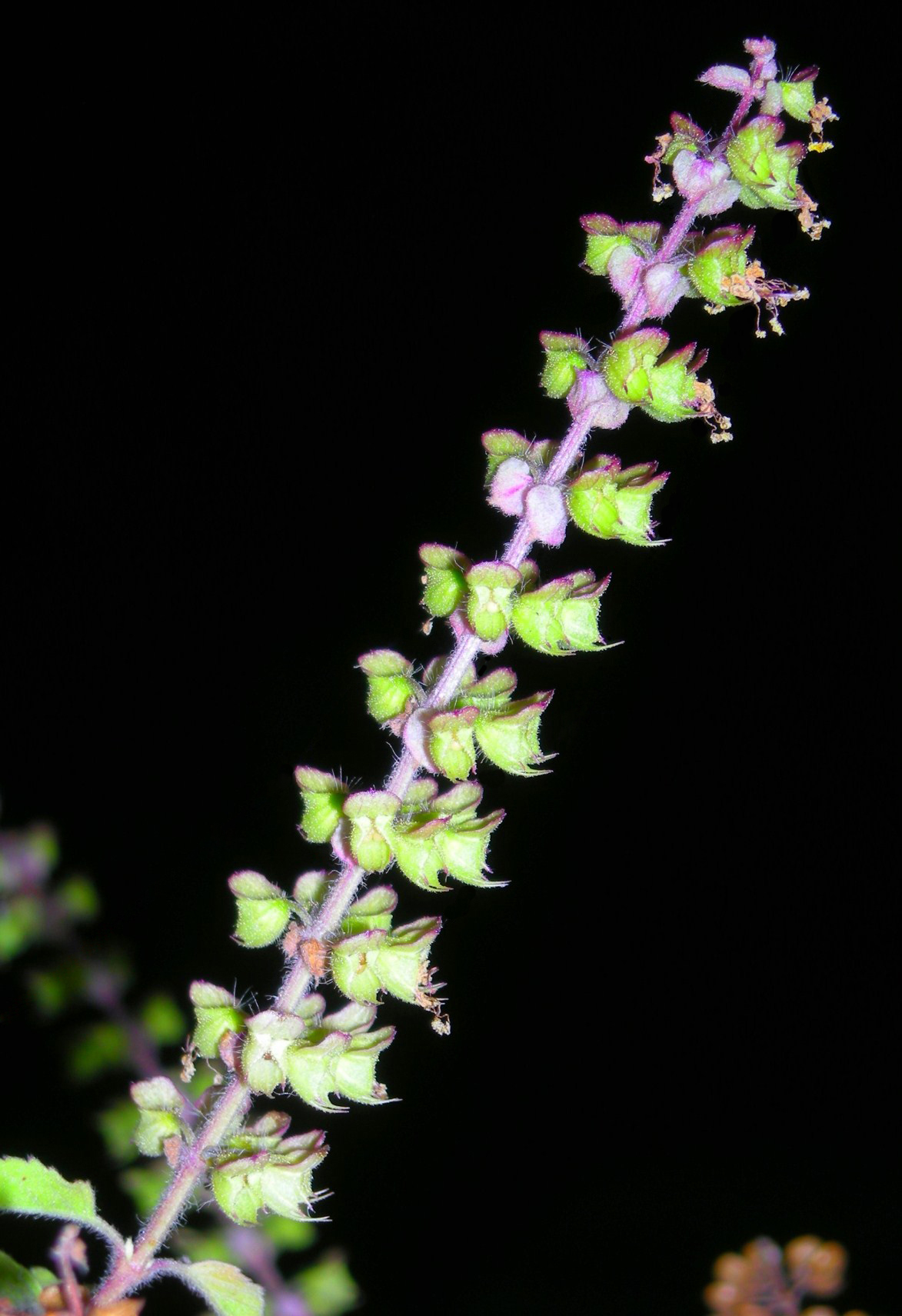
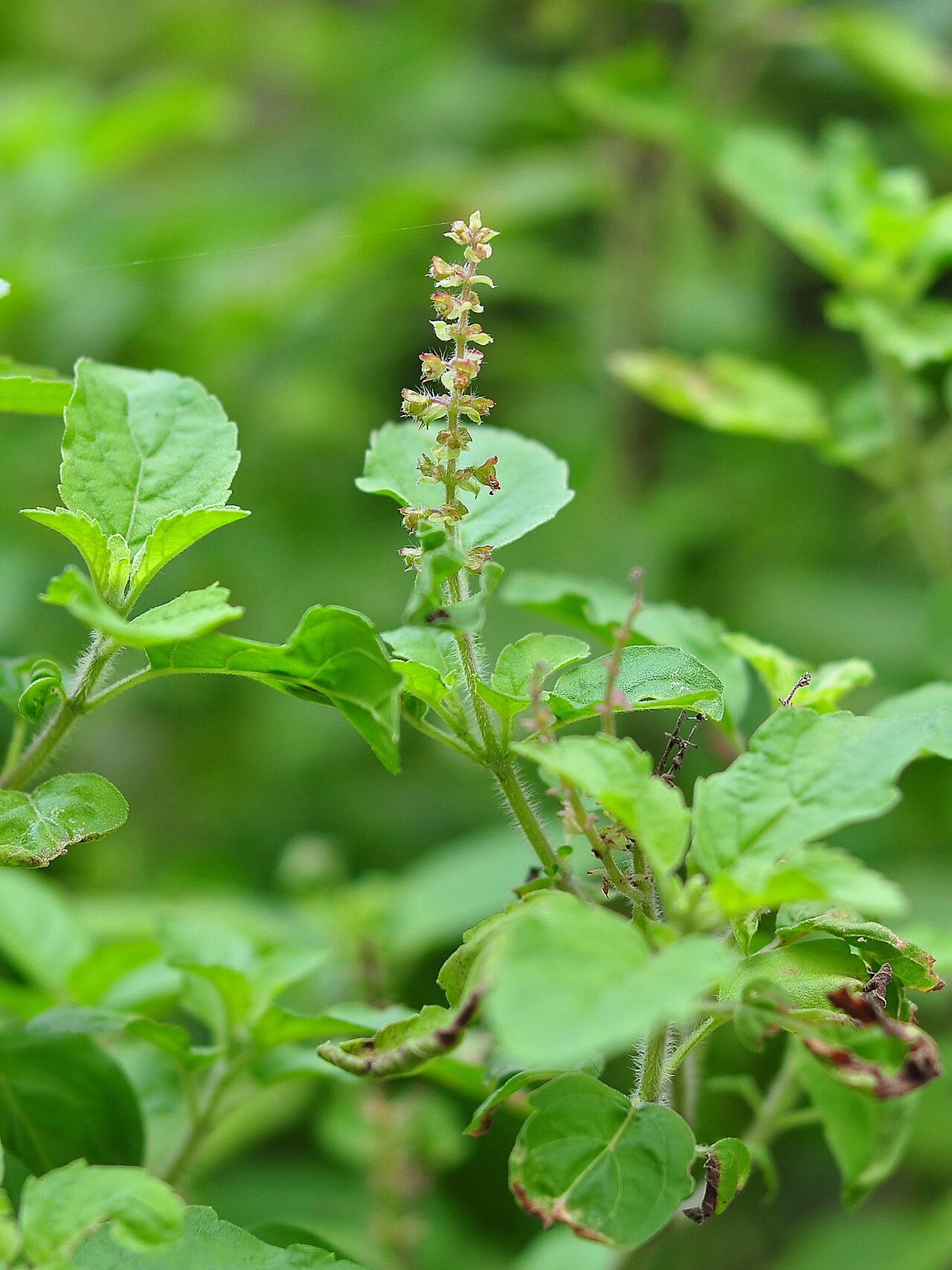
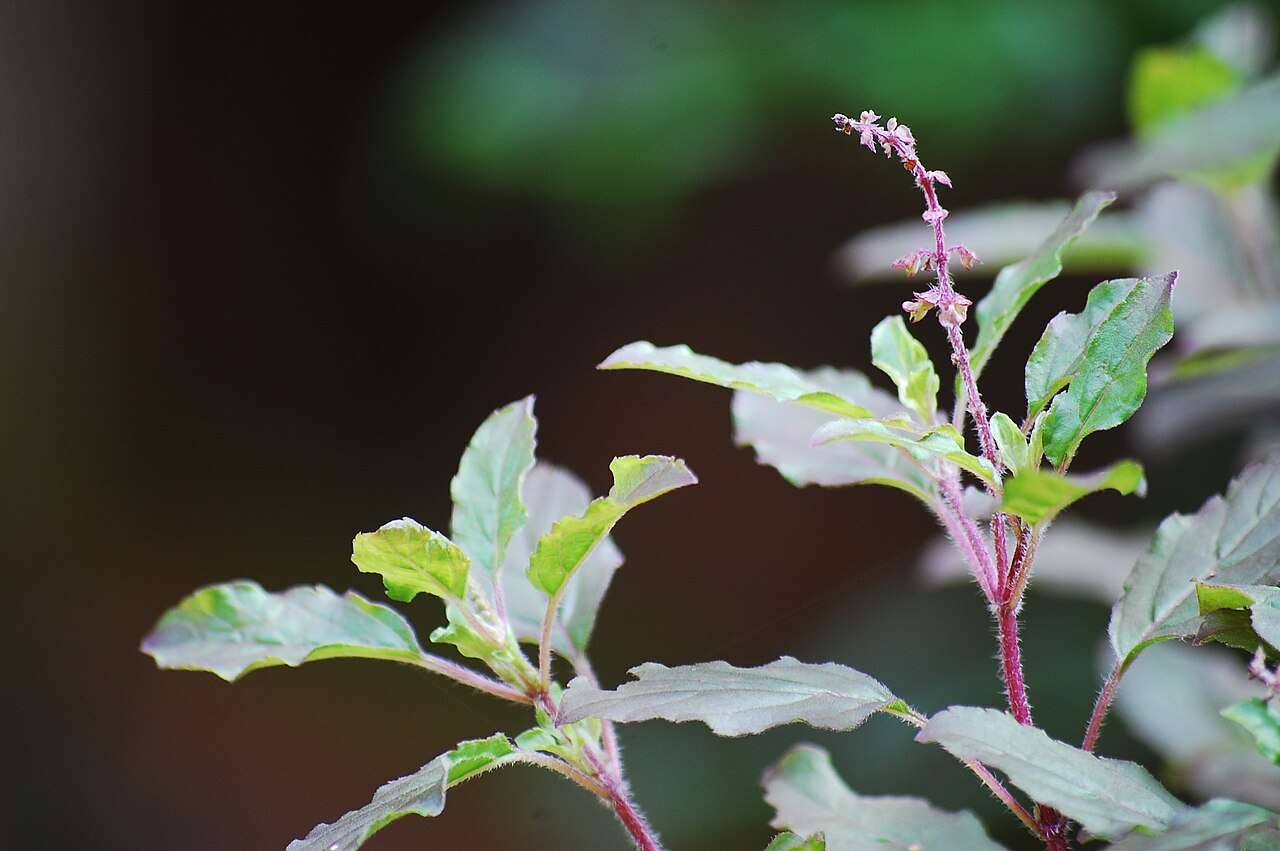
Rama is the green tulsi — the mellow one. Its bright green leaves carry the classic holy basil scent, clove-sweet and slightly peppery, without the sharper, more pungent edge of its purple-leaved sibling, which makes Rama the tulsi most gardeners reach for first: tea from fresh or dried leaves, a fragrant addition to stir-fries and curries, and a plant that perfumes the whole herb bed on a warm evening. In India, tulsi is a sacred plant grown by the doorway; in a Florida garden, it is simply one of the easiest, most rewarding herbs you can grow, and Rama is the gentle introduction.
The trade-off is tenderness and enthusiasm in equal measure. Tulsi is a tropical perennial that dies at frost, so outside South Florida it is grown as an annual — sow after frost danger, or overwinter a potted plant indoors — and it self-seeds freely in warm climates, so a plant left to flower will sow volunteers into every nearby bed. Pinch flower heads to keep leaves coming and to limit volunteers, and harvest leaves often, because a tulsi that is picked stays bushy while a tulsi left alone goes leggy and woody.
If you are new to choosing between cultivars, the Varieties Matter guide explains why the name after the plant matters as much as the plant itself. Rama is a perfect example: it is not just a holy basil in the abstract, it is a holy basil with a specific job, a specific history, and specific strengths.
Florida honesty: holy basil is a genuine statewide plant in Florida, thriving in heat and humidity that end sweet basil by midsummer, and it is perennial in South Florida where frost is rare. In North Florida, grow Rama as a warm-season annual and let it self-seed, or pot one up before the first frost for a windowsill plant. It tolerates Florida’s summer rain better than most basils, though sharp drainage still matters — tulsi wants moist soil, not a swamp.
How to grow
Sow seed indoors 6 to 8 weeks before the last frost, or sow directly after frost danger in full sun and well-drained soil — tulsi germinates with warmth and grows fast. Work worm castings into the bed at sowing, thin seedlings to 12 to 18 inches apart, and pinch the central stem and flower heads often to encourage bushy, leafy growth. Harvest young leaves as needed, and pinch flowers before they set seed unless you want volunteers, because tulsi self-seeds freely in warm climates. In North Florida, grow it as a warm-season annual or pot one up before frost for a windowsill plant.
Set plants 12-18 inches apart in soil with a pH around 6.0-7.5. Work worm castings into the bed at planting and mulch to hold moisture. A well-fed holy basil plant rewards that care directly: steadier growth, better bloom, and a show that actually shows up.
Water & feeding
Water to establish, then water moderately — tulsi tolerates heat and some drought once established but grows leafiest with steady moisture, and it sulks in waterlogged soil. Water at the soil line, mulch to hold moisture, and feed lightly: castings at planting plus a midseason top-dress is usually enough, because rich soil makes leggy tulsi with diluted scent. Pinch often and harvest leaves regularly, because a tulsi that is picked stays bushy while a tulsi left alone goes woody. In a dry spell, deep watering keeps it leafy; in a wet season, drainage is the care program.
Common problems
- Enthusiastic self-seeding — volunteers appear everywhere in warm climates; pinch flower heads before seed sets, or grow it in a container.
- Frost death outside South Florida — tulsi dies at frost; grow as an annual in North Florida or overwinter a pot indoors.
- Leggy growth without pinching — pinch the central stem and flowers often, or tulsi goes woody and sparse.
- Aphids and whiteflies on new growth — blast with water and encourage predators; avoid broad-spectrum sprays on a culinary herb.
- Downy mildew in wet, crowded plantings — space for air, water at the soil line, and remove affected leaves.
Harvest
Harvest young leaves all season, a few at a time, for tea and cooking — tulsi leaves are best picked in the morning when oils are strongest, used fresh or dried, and a handful per pot of tea is the traditional dose. Pinch flower heads before they set seed to keep leaves coming and to limit volunteers, and at season’s end in North Florida, pull plants before frost or pot one up for winter. Dry surplus leaves in a warm, airy spot out of direct sun, and store in a sealed jar: dried tulsi keeps its clove-sweet scent for months, which is why a summer’s harvest flavors winter teas.
Browse all plant & pest guides
Saving seeds
Rama is the green tulsi — the mellow one. Its bright green leaves carry the classic holy basil scent, clove-sweet and slightly peppery, without the sharper, more pungent edge of its purple-leaved sibling, which makes Rama the tulsi most gardeners reach for first: tea from fresh or dried leaves, a fragrant addition to stir-fries and curries, and a plant that perfumes the whole herb bed on a warm evening. As an open-pollinated tulsi it comes true from seed: sow seed indoors 6 to 8 weeks before the last frost, or sow directly after frost danger in full sun and well-drained soil — tulsi germinates with warmth and grows fast. Pinch the central stem and flower heads often to encourage bushy, leafy growth, and pinch flowers before they set seed unless you want volunteers, because tulsi self-seeds freely in warm climates. The full method is in the Saving seeds section of the Holy Basil guide.