
🌿 Holy Basil (Tulsi)
What it looks like
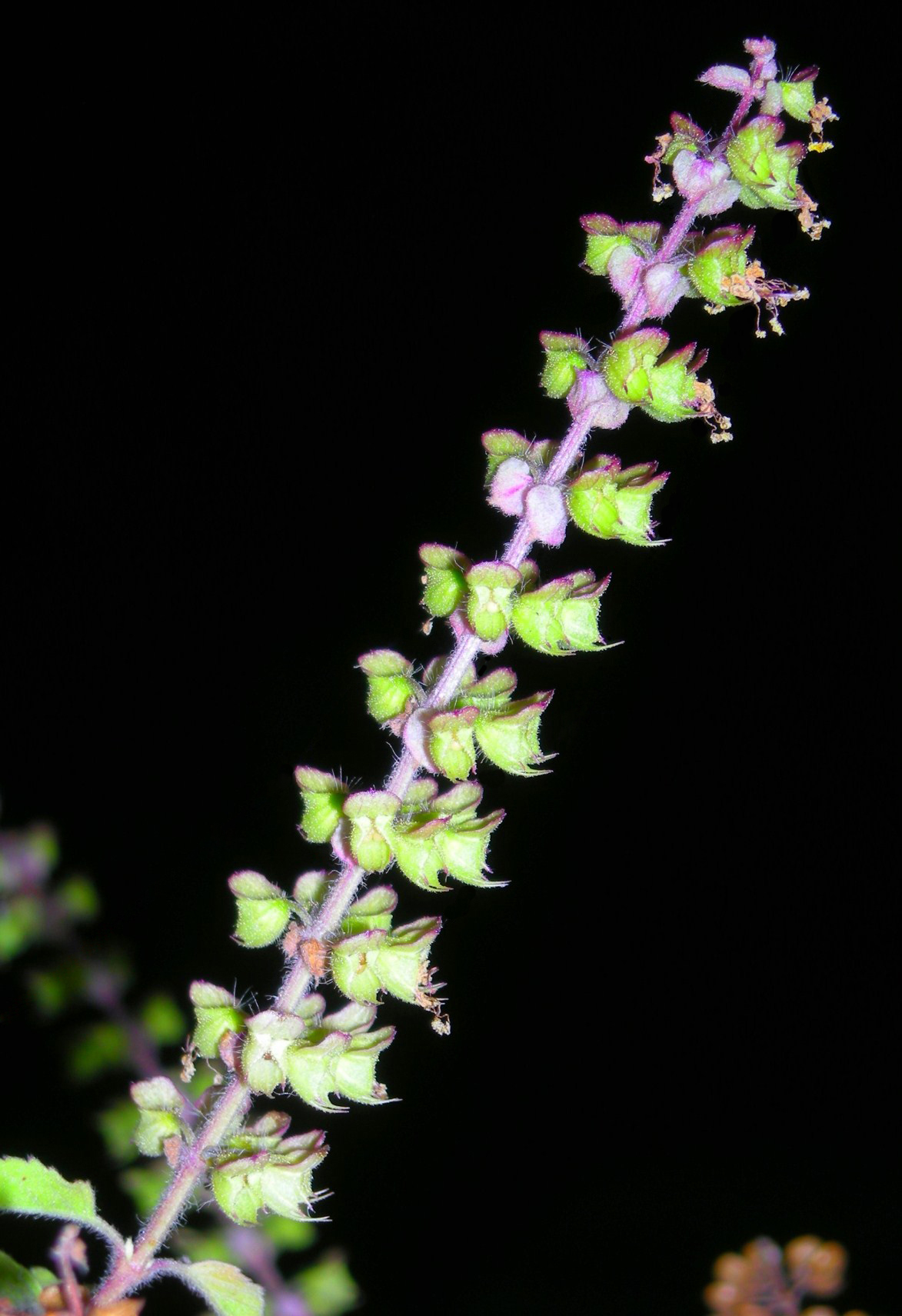
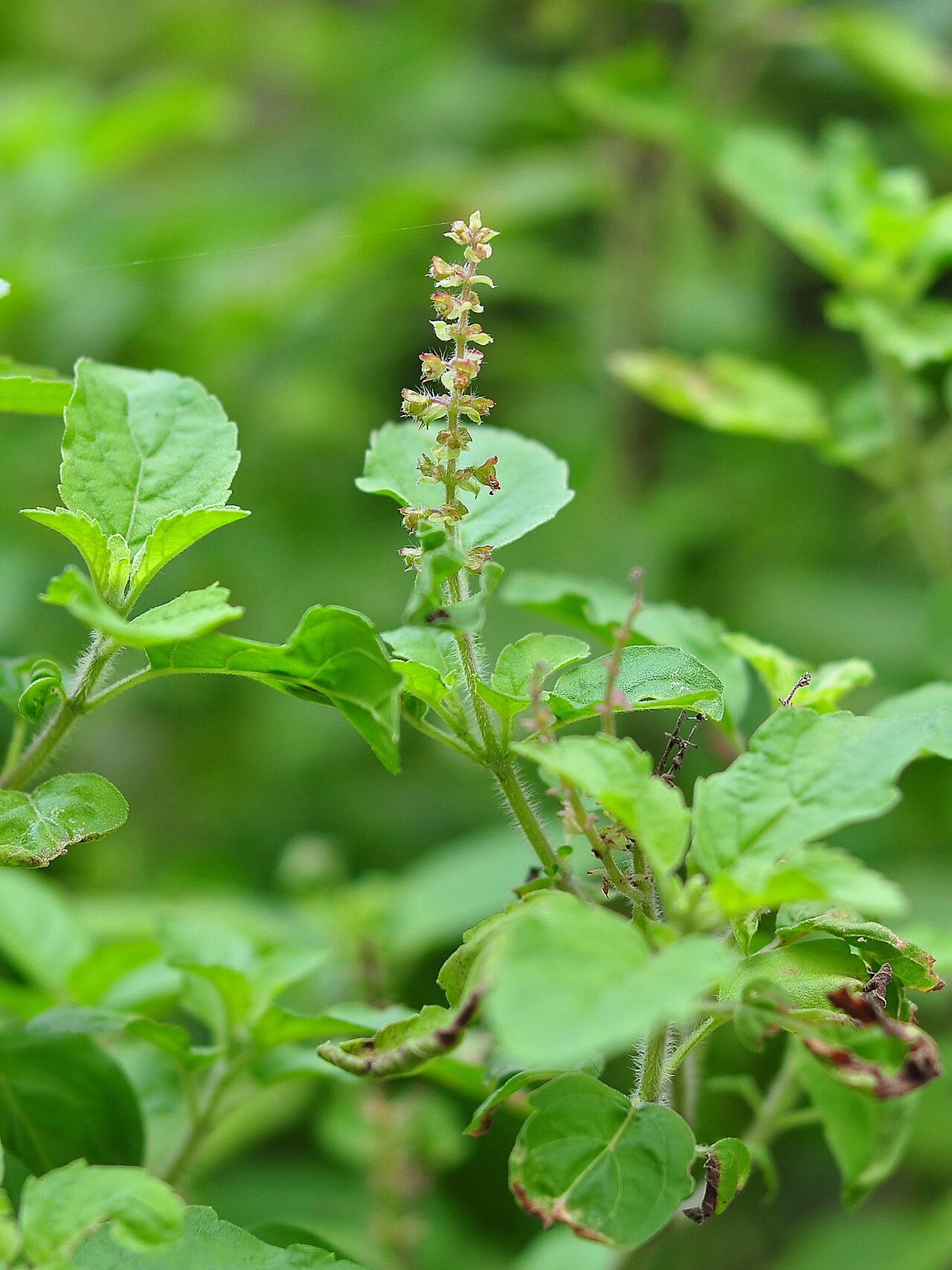
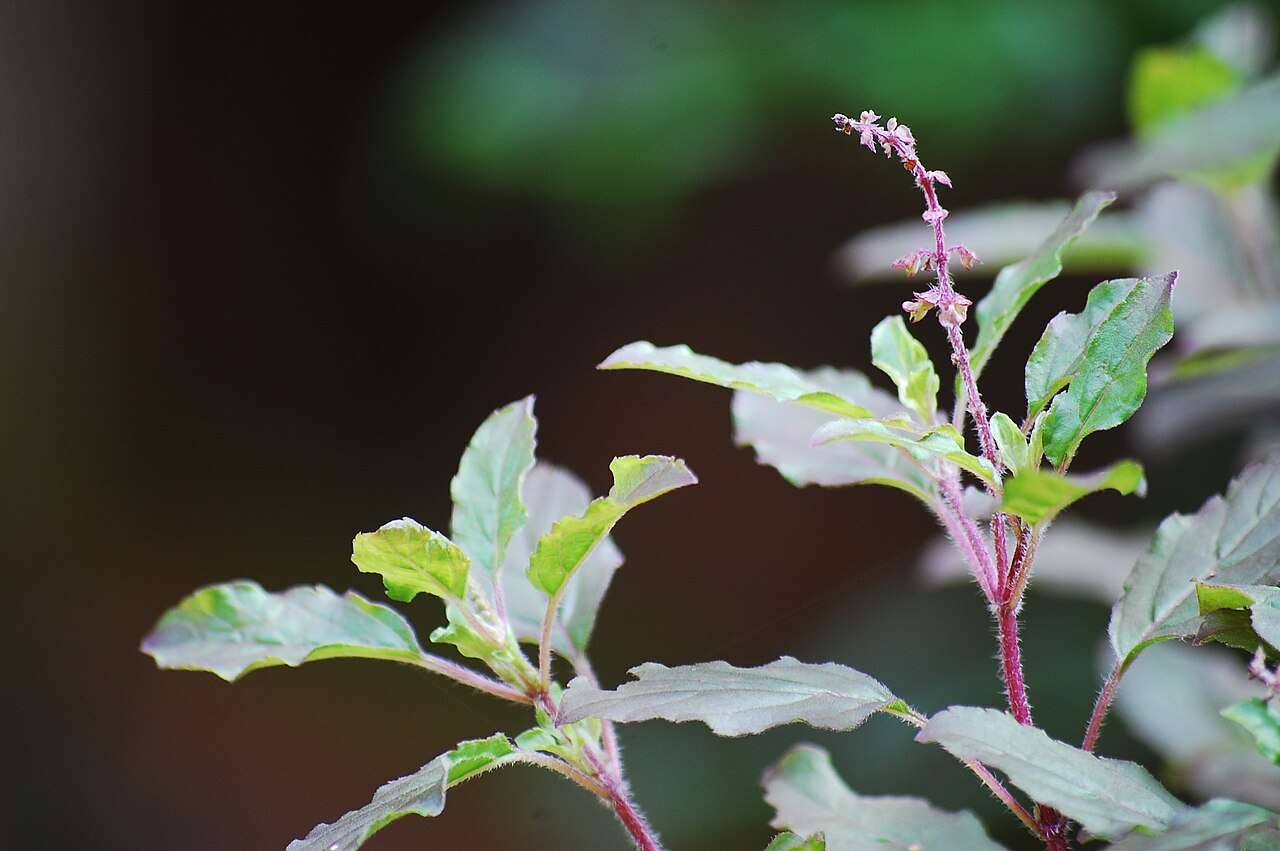
How to grow
Holy basil, or tulsi, is a distinct species from the sweet basil in most kitchens — not a variety of it — with smaller, sometimes purple-tinged leaves and a spicy, clove-and-pepper flavor that makes it a tea herb first and a cooking herb second. In India it is a sacred plant, grown in courtyards and temples and brewed as a daily tea; in the garden it is a tender, heat-loving annual that thrives in summer warmth and dies at the first frost. Do not expect pesto from tulsi — its flavor is too peppery and medicinal for that, and using it like sweet basil is the most common disappointment with this plant. Start seeds indoors 6-8 weeks before last frost (seed needs warmth and light to germinate) or buy transplants, and transplant only after nights are reliably warm. Tulsi wants full sun, rich, well-drained soil, and steady water, and it appreciates afternoon shade in extreme heat. Pinch growing tips to encourage bushy growth and delay flowering, though flowering is less of a flavor problem in tulsi than in sweet basil. In Florida and the Gulf South, tulsi grows nearly year-round and may persist through mild winters.
Water & feeding
Keep soil evenly moist, about an inch a week, more in containers. Tulsi is a moderate feeder: worm castings at planting and a light midsummer top-dress keep it lush. Mulch to hold moisture and keep soil warm.
Common problems
- Cold damage — tulsi is tropical; transplant only after nights are warm and harvest before first frost.
- Confusion with sweet basil — tulsi is a different species with a different flavor; use it for tea and spiced dishes, not pesto.
- Aphids and Japanese beetles — blast aphids with water; handpick beetles.
- Damping off in cold, wet seedbeds — start seeds indoors with bottom heat.
Harvest
Harvest leaves and tender sprigs as needed once plants are established, taking no more than a third at once. For tea, use fresh or dried leaves — tulsi dries well and keeps its spicy scent. Steep a handful of fresh leaves or a teaspoon of dried leaves per cup for 5-10 minutes. For cooking, add tulsi to Thai-style stir-fries and curries, where its peppery note belongs, rather than to Italian dishes expecting sweet basil.
Browse all plant & pest guides
Saving seeds
Tulsi is a generous seed saver and a cheerful self-seeder, which are two ways of saying the same thing: if you let even a few flower spikes go to seed, you will probably never need to buy tulsi seed again, and you may find volunteers popping up in paths and pots next season whether you invited them or not. That is not a complaint. A plant that volunteers likes your garden, and tulsi, for all its sacred reputation, is a pragmatic tropical herb that wants warm soil, bees, and a chance to finish what it started.
To save seed deliberately, sacrifice a few plants — or a few spikes on each plant — to flowering, and resist the urge to keep pinching them for tea. Tulsi racemes mature from the bottom upward, so watch the lower flowers: when the little pods along the bottom of a spike have turned brown and brittle, cut the whole spike and let it dry further indoors in a warm, airy spot out of direct sun. Then rub the dried spikes over a fine sieve or a clean tray to release the tiny, dark seeds, winnow off the chaff, and label the packet with the variety and the year. Harvest on a dry day if you can; damp seed heads going into storage are an invitation to mould, and in Florida that invitation gets answered fast.
Crossing is the question every basil saver should ask, and tulsi’s answer is reassuring with a caveat. Basil flowers need insects for pollination, and bees are enthusiastic visitors, so different basils flowering together can cross. If you grow only one tulsi variety, your saved seed will generally come true — tulsi is open-pollinated, not a hybrid, so its children look like their parents. If you grow several basils side by side — a Rama tulsi next to a Krishna, a Kapoor, or a sweet basil — and you want varietal purity, give them distance or a barrier: seed-saving references for basil commonly cite separation on the order of 150 feet for purity, or use netting cages and alternate which variety is exposed to pollinators. Most home gardeners do not need that level of purity; what they need is to save from several healthy, true-to-type plants rather than a single early star, so the next generation carries the variety’s range, not one plant’s quirks. And note the self-seeding habit in your planning: let a spike shatter where you want tulsi next year, and deadhead where you do not, because a self-sown tulsi in a path is charming exactly once.
Dry the seed thoroughly before storage, then keep it in an airtight container with a desiccant packet, cool, dark, and dry — the Florida trinity of cool, dark, and dry is doing real work here, because a jar left in a humid shed will quietly undo a perfect harvest. Basil seed kept this way is often reported viable for up to about five years, though germination declines over time, so use the freshest seed first and test older lots on a damp paper towel before sowing a whole bed. When you do sow, press the tiny seed onto the surface or cover it only with the thinnest dusting of mix — it needs light to germinate — keep it warm and evenly moist, and expect sprouts within a week or two in warm soil. A seed packet, a jar, and a plant that volunteers: that is the whole tulsi seed economy, and it has been working for a very long time without any help from us.
Varieties
Every named variety of Holy Basil (Tulsi) with its own growing guide:
- Krishna Holy Basil — The purple holy basil: dark purple leaves and a sharper, spicier scent, the tulsi for strong tea and a striking herb bed.
- Rama Holy Basil — The green holy basil: bright green leaves and a mellow, clove-sweet scent, the tulsi for daily tea and the kitchen garden.
- Vana Holy Basil — The wild tulsi: a tall, lemony-clove forest basil with big serrated leaves — the tree basil of the tulsi family, grown for strong tea and presence.
- Kapoor Holy Basil — The temperate tulsi: compact, heavy-flowering, sweetly camphor-scented, and the easiest tulsi to grow outside India — the beginner’s holy basil.