
🌿 Kapoor Holy Basil
What it looks like
Why this variety
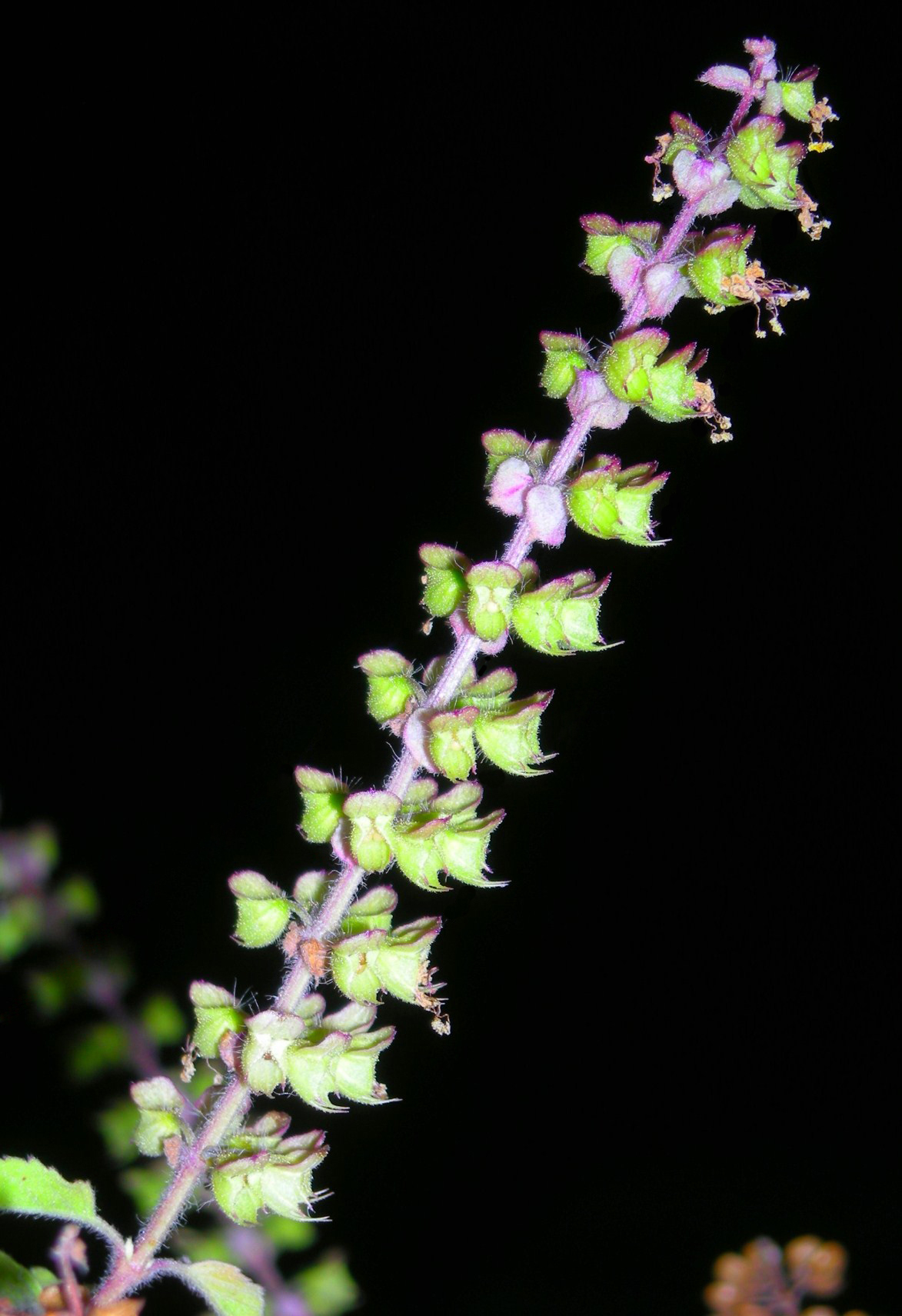
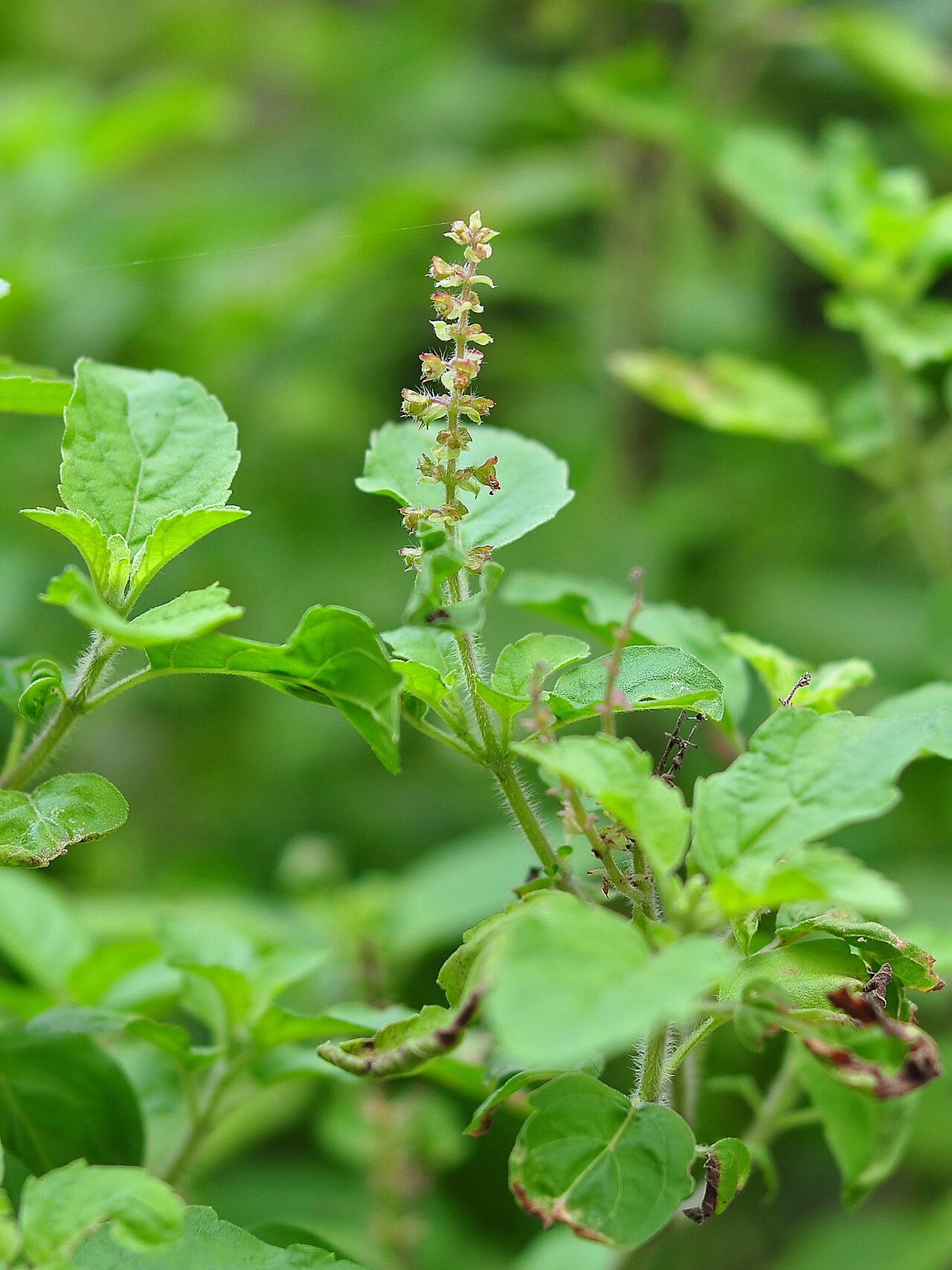
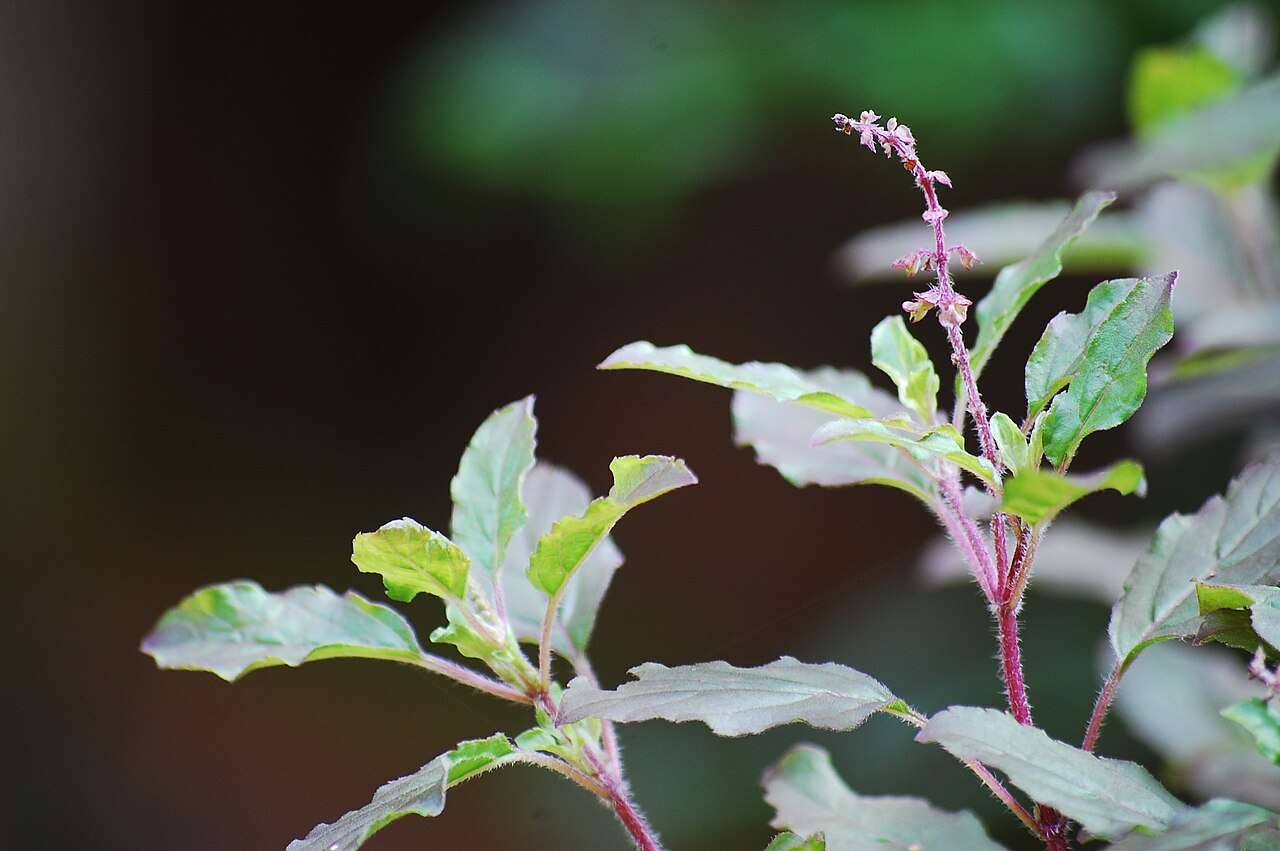
Kapoor is the tulsi most often recommended for gardens outside India, and for good reason: it is compact, vigorous, heavy-flowering — it produces more flowers than any other tulsi type — and tolerant of cooler nights than Rama or Krishna, which makes it the easiest tulsi to start and the fastest to mature from seed to harvest. Its scent is sweet and camphor-like, with a lighter, fruitier note than the peppery depth of Krishna.
One honest complication, stated plainly: the name is contested. Much of the ‘holy basil’ sold in the United States as Kapoor has tested as Ocimum × africanum, a natural hybrid, rather than Ocimum tenuiflorum, and herb growers have been renaming and correcting catalogs over it. What you buy as Kapoor is reliably the same garden plant — compact, sweet-scented, heavy-flowering, temperate-tolerant — even where botanists argue about its passport. Grow it for that plant, not for the label debate.
How to grow
Start seeds indoors 6–8 weeks before last frost with warmth and light, or buy transplants, and transplant only after nights are reliably warm. Kapoor is the most forgiving tulsi to start, but it is still tropical: it dies at frost, and cold, wet seedbeds cause damping off, so indoor starts with bottom heat are worth the trouble.
Give it full sun, rich, well-drained soil, and steady water, with afternoon shade in extreme heat. Pinch tips often — Kapoor flowers faster and more heavily than other tulsis, so frequent pinching keeps it in leafy, vegetative growth instead of turning into a flower factory. In Florida it grows nearly year-round and may persist through mild winters.
Water & feeding
Keep soil evenly moist, about an inch a week, more in containers. Kapoor’s compact, leafy habit drinks steadily but hates soggy soil, so water at the base and let the top inch dry between drinks.
Feed moderately: worm castings at planting and a light midsummer top-dress. Mulch to hold moisture and keep soil warm; warm roots are half the battle with tropical basils.
Common problems
- Flowering too fast — Kapoor’s signature flaw; pinch flower heads early and often, or the plant puts its energy into blooms instead of leaves.
- Cold damage — temperate-tolerant for a tulsi still means frost-tender; transplant only after nights are warm and harvest before first frost.
- Aphids and Japanese beetles — blast aphids with water; handpick beetles.
- Damping off in cold, wet seedbeds — start indoors with bottom heat.
Harvest
Harvest leaves and tender sprigs as needed once established, taking no more than a third at once. For tea, use fresh or dried leaves — Kapoor dries well and keeps its sweet scent; steep a handful of fresh leaves or a teaspoon of dried leaves per cup for 5–10 minutes.
Because Kapoor flowers so heavily, harvest the flowering tops too: they make fragrant tea and, left to dry, give you seed for next year — Kapoor reseeds profusely in kind climates, which is either a gift or a weeding chore depending on your philosophy.
Browse all plant & pest guides
Saving seeds
Kapoor is the tulsi most often recommended for gardens outside India, compact, vigorous, heavy-flowering, and tolerant of cooler nights than Rama or Krishna, so saved seed comes true — start seeds indoors 6 to 8 weeks before last frost with warmth and light, and pinch tips often to keep it in leafy growth. The full method is in the Saving seeds section of the Holy Basil guide.