
🫐 Jogranda Jostaberry
What it looks like
Why this variety
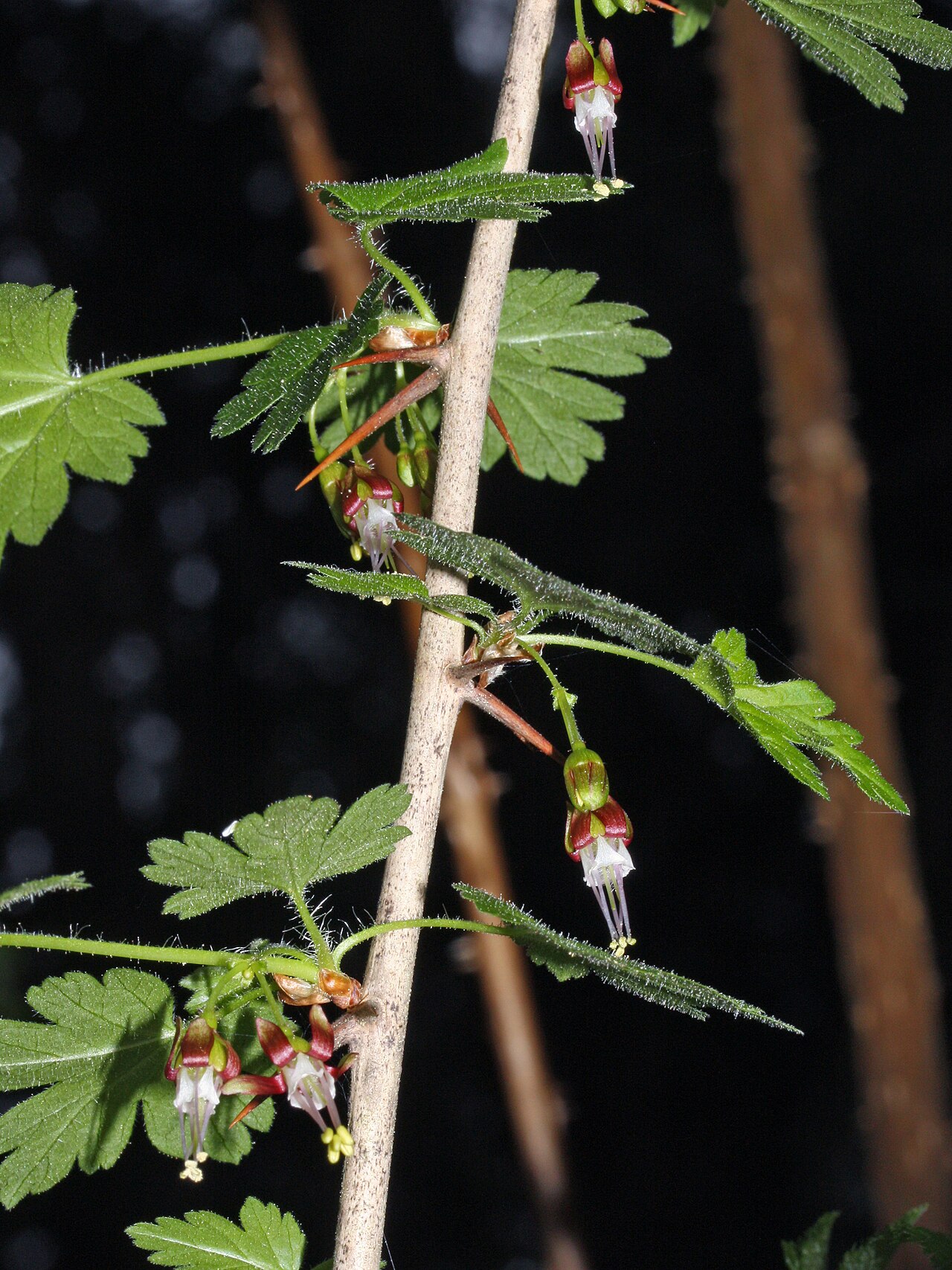
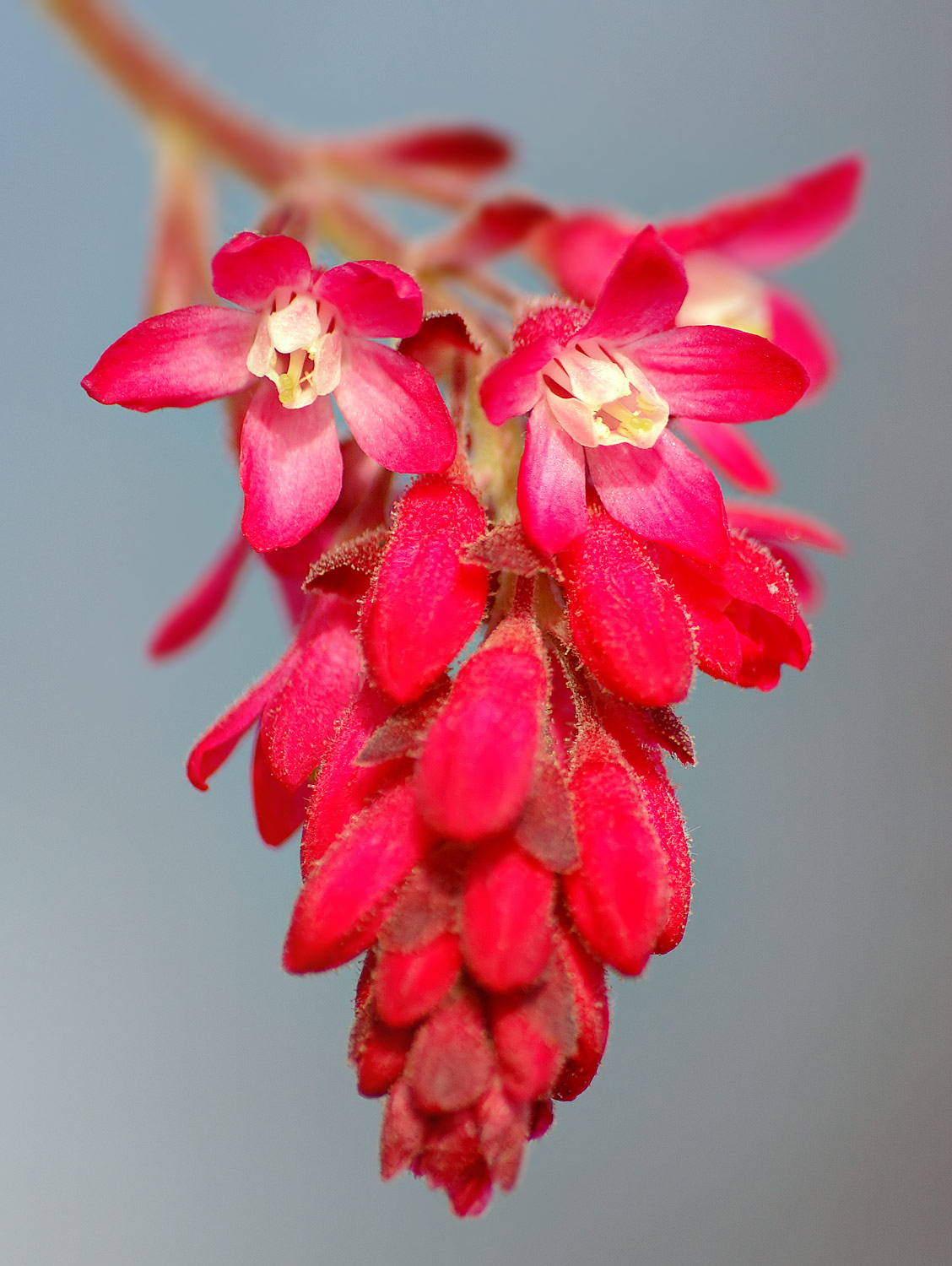
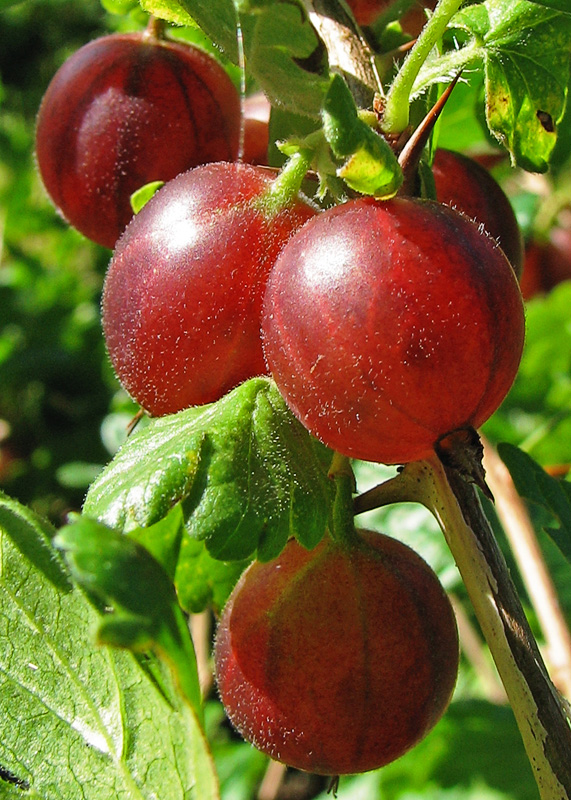
Jogranda is the jostaberry for gardeners who want bigger berries: a later cultivar from the same German breeding program as Josta, released in 1985 and also sold as Jostagranda or Jostaki, carrying larger fruit than Josta on a small-growing, very robust bush, with late ripening that suits frost-prone sites because it blooms late and dodges spring frosts. The berries are deep purple-black, sweet-tart, and excellent for jam, pies, and fresh eating, and the bush shares Josta’s disease resistance — mildew, blister rust, and currant gall mite are all problems Jogranda largely shrugs off, which is why it became a favorite in northern European gardens.
The trade-off is pollination and habit. Jogranda is not reliably self-fertile on its own — plant it with another jostaberry cultivar like Josta for the best crop, or accept a lighter harvest — and its branches tend to droop under a heavy berry load, so prop or prune for structure. It also shares Josta’s chill requirement, so it is a North Florida trial, and its late ripening means a North Florida summer can catch the crop in heat: mulch to keep roots cool, water consistently, and pick promptly when berries color, because birds and heat both work against a late berry.
If you are new to choosing between cultivars, the Varieties Matter guide explains why the name after the plant matters as much as the plant itself. Jogranda is a perfect example: it is not just a jostaberry in the abstract, it is a jostaberry with a specific job, a specific history, and specific strengths.
Florida honesty: jostaberry is a North Florida trial, not a statewide berry, and Jogranda is the trial for the North Florida gardener who already grows Josta and wants a pollination partner with bigger fruit — plant the pair together in the coldest part of the yard, in sun with afternoon shade and rich, moist soil. Even there, a warm winter can thin the crop. South of North Florida, do not plant jostaberries expecting fruit; plant Florida berries, and admire jostaberries as the northern hybrid they are.
How to grow
Plant dormant bare-root bushes in late winter in full sun to part shade and rich, moist soil — jostaberries want morning sun, afternoon shade in hot climates, and mulch to hold moisture, because their roots are shallow. Work worm castings and compost into the planting hole, water consistently through the fruiting season, and prune each winter to keep the center open: remove old, unproductive wood and any crossing branches. Plant two different cultivars for the best pollination, especially with Jogranda, and net bushes as fruit colors, because birds find jostaberries first.
Set plants 5-6 feet apart in soil with a pH around 6.0-7.5. Work worm castings into the bed at planting and mulch to hold moisture. A well-fed jostaberry plant rewards that care directly: steadier growth, better bloom, and a show that actually shows up.
Water & feeding
Keep soil evenly moist but never waterlogged — jostaberries have shallow roots that hate drying out, and a bush that dries out drops fruit and wilts dramatically. Water at the soil line, mulch deeply to hold moisture and keep roots cool, and feed moderately: castings and compost at planting plus a balanced organic feed in spring. In a dry spell, water deeply and regularly, because fruit size depends on steady moisture; in a wet season, drainage and air circulation matter most, because mildew loves a crowded, damp bush.
Common problems
- Failure to fruit without winter chill — a warm winter means few berries; in Florida this limits jostaberries to a North Florida trial.
- No fruit without a pollination partner (Jogranda) — plant with another cultivar like Josta, or accept a lighter crop.
- Birds stripping berries — net bushes as fruit colors, because birds find ripe jostaberries before gardeners do.
- Powdery mildew in humid air — space for air, water at the soil line, and prune for circulation; jostaberries resist better than their parents but are not immune.
- Name confusion in the trade — Josta, Jogranda, and Jostaki tags are muddled; buy by berries and habit, not just the tag.
Harvest
Pick berries in midsummer to late summer, when they are fully dark purple-black and slightly soft — jostaberries are sweetest when they give slightly under the thumb, and they ripen unevenly, so pick over several days. Net bushes as fruit colors, because birds find ripe jostaberries first, and pick into a shallow container to avoid crushing. Eat fresh, or cook into pies, jams, and sauces the same day, because jostaberries keep only a few days fresh. Freeze surplus berries on trays before bagging, and prune out old wood each winter so next year’s crop has light and air.
Browse all plant & pest guides
Saving seeds
Jogranda is the jostaberry for gardeners who want bigger berries, a later cultivar from the same German breeding program as Josta, released in 1985, carrying larger fruit than Josta, and it is planted as a bare-root bush — plant dormant bare-root bushes in late winter, and plant two different cultivars for the best pollination. The Propagation section of the Jostaberry guide covers propagation for the species.