
🥒 Delar Salad Burnet
What it looks like
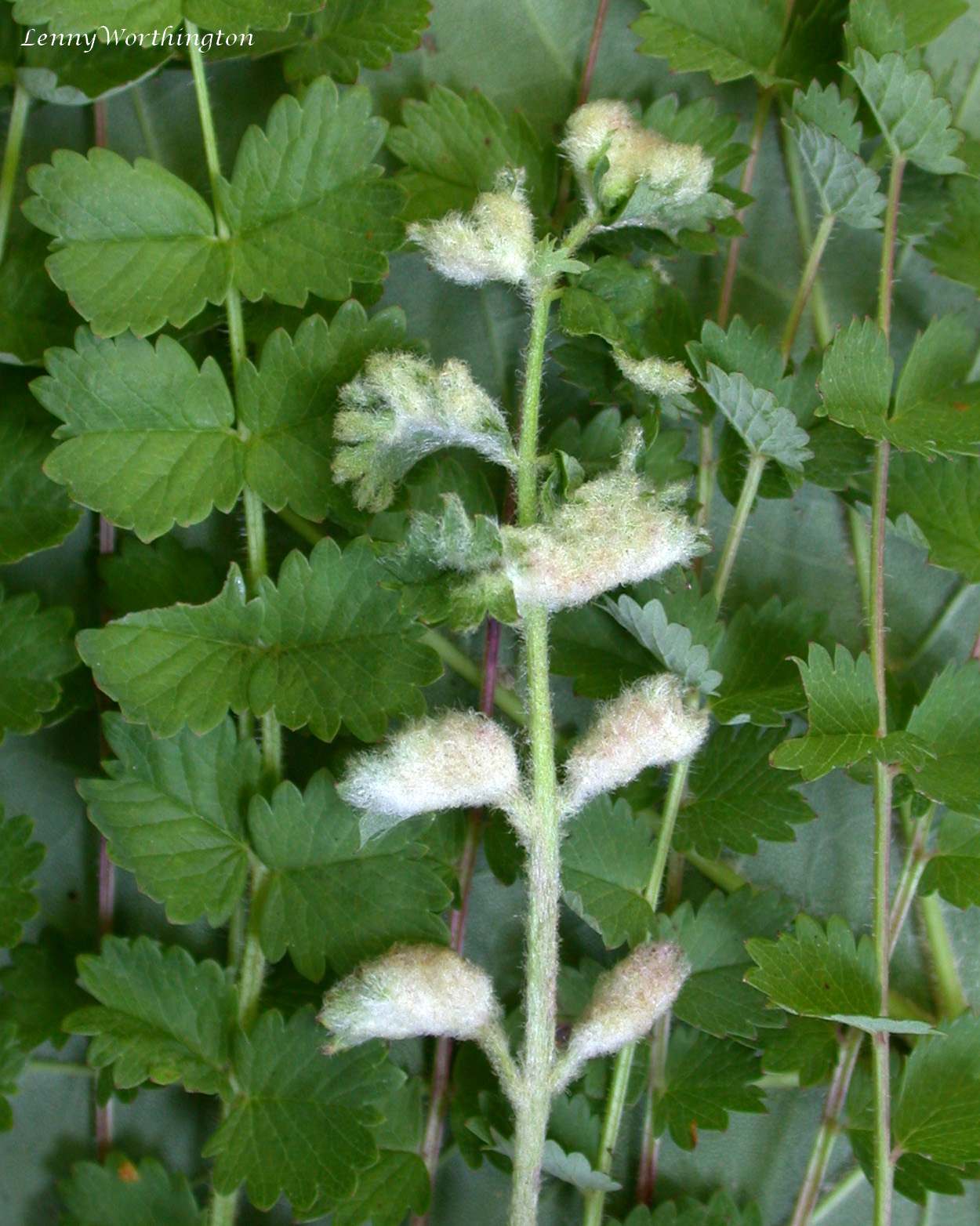
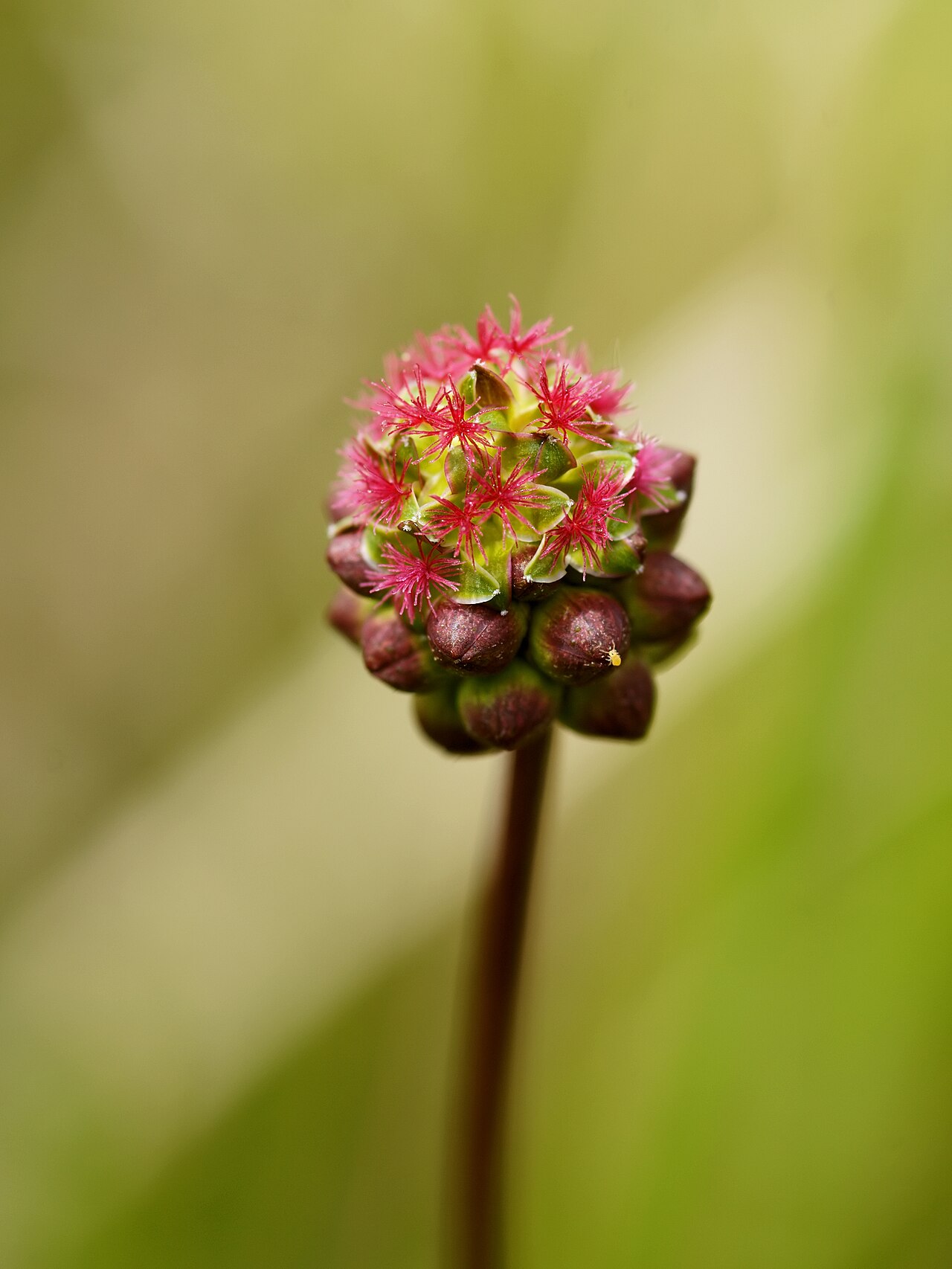
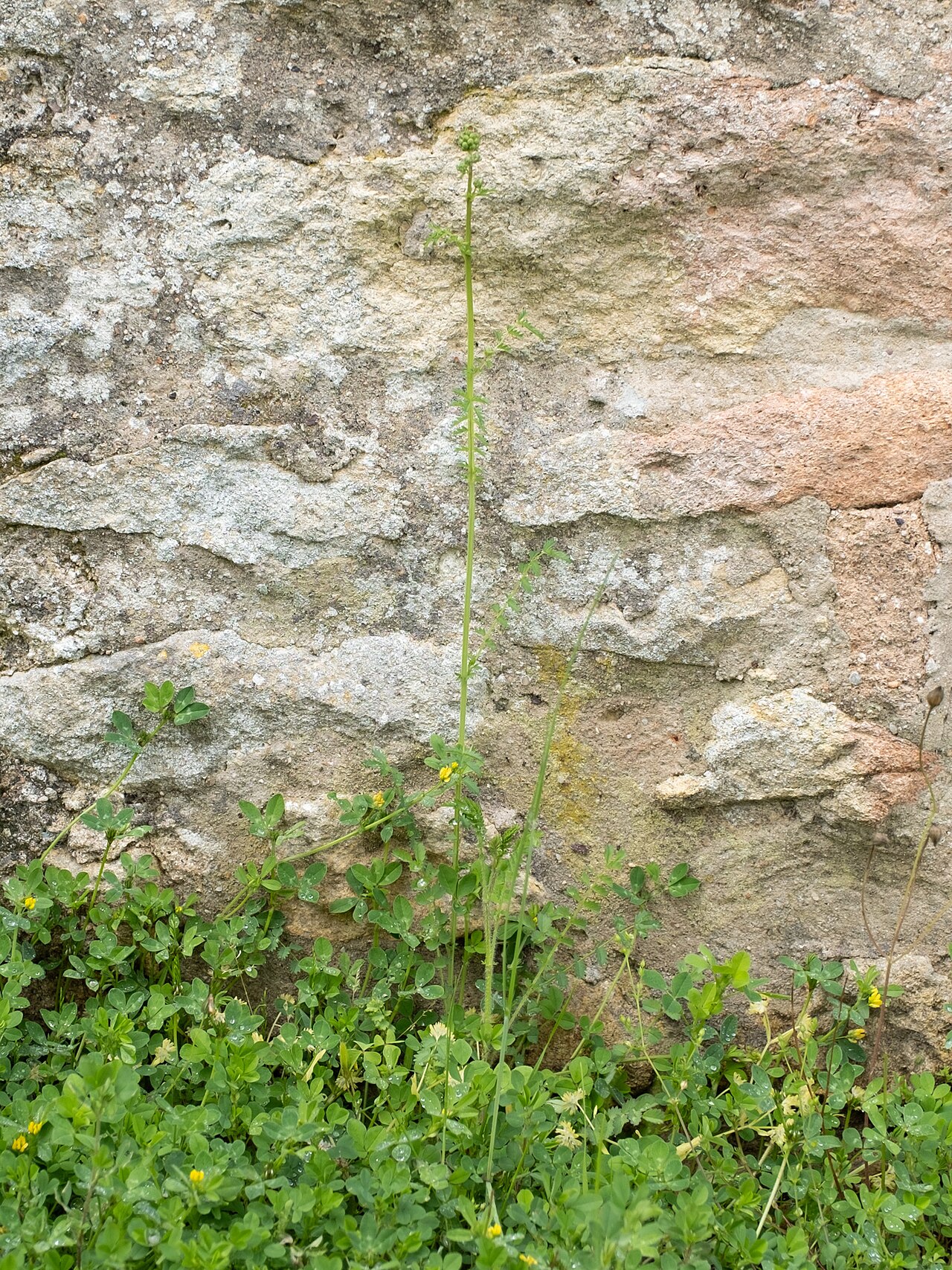
Why this variety
Delar is the salad burnet for gardeners who want a name on the packet: a selected variety of small burnet, released in 1981 by the USDA Natural Resources Conservation Service and the University of Idaho from European seed, chosen for outstanding seed and forage production, good cold tolerance, and palatability — the name Delar, the release notes say, denotes pleasing, after its attractive, lush green appearance. Where most salad burnet is sold as unselected species seed, Delar is a documented selection with a breeding story, a drought tolerance better than unimproved strains, and a track record in forage plantings across the West. If you want burnet with a pedigree, Delar is the one that has one.
The trade-off is that Delar was bred for forage, not for the salad bowl: it is a vigorous, taprooted perennial that wants sun and drainage and will seed itself if you let it, and its leaves turn tough with age like all burnet. Pick young leaves for their cucumber flavor, cut the plant back hard when it gets leathery to force tender regrowth, and deadhead if you do not want volunteers. Grow it in a bed you can edit, not in a lawn you want weed-free, and Delar will give you cucumber-flavored greens from spring to fall for years — a perennial salad green that asks almost nothing and gives back steadily.
If you are new to choosing between cultivars, the Varieties Matter guide explains why the name after the plant matters as much as the plant itself. Delar is a perfect example: it is not just a salad burnet in the abstract, it is a salad burnet with a specific job, a specific history, and specific strengths.
Florida honesty: salad burnet is a North and Central Florida herb, not a South Florida perennial — it wants sun, drainage, and a taproot’s depth, and it tolerates heat better with water than without. In North Florida, give Delar full sun, well-drained soil, and occasional deep water in dry spells, and pick young leaves often. In Central Florida, try it in part shade with steady water and a mulch that keeps roots cool. In South Florida, grow it as a cool-season annual and do not expect a perennial clump. It is a hardy herb with a Florida limit, and this guide states it.
How to grow
Plant in spring or fall, in full sun to part shade and well-drained, moderately rich soil — salad burnet is a tough, taprooted perennial that wants sun and drainage, and it sulks in wet, heavy soil. Work worm castings into the bed at planting, space 12 to 18 inches apart, mulch lightly, and do not move an established plant unless you must, because the taproot resents disturbance. Sow seed where it will grow or transplant young seedlings; older plants transplant poorly, which is a taproot lesson, not a personal failing.
Set plants 12-18 inches apart in soil with a pH around 6.0-7.5. Work worm castings into the bed at planting and mulch to hold moisture. A well-fed salad burnet plant rewards that care directly: steadier growth, better bloom, and a show that actually shows up.
Water & feeding
Water to establish, then water moderately — salad burnet tolerates drought once its taproot is down and sulks only in bone-dry soil or standing water. Water at the soil line, do not mulch heavily against the crown, and feed lightly: castings at planting is usually enough, because rich soil makes lush leaves that flop. In a dry spell, occasional deep watering keeps rosettes green; in a wet spell, drainage is the care program, because crown rot in stagnant water is the one thing that kills a burnet.
Common problems
- Crown rot in waterlogged soil — burnet wants drainage; do not plant it where rain ponds, and use a raised bed in heavy soil.
- Bitter, tough leaves on old growth — burnet leaves turn leathery with age; cut plants back hard to force tender new growth, and pick young leaves only.
- Self-seeding — burnet seeds freely; deadhead flower heads before seed ripens if you do not want volunteers, or edit seedlings in spring.
- Floppy growth in rich, shady soil — give it sun and lean soil, not shade and fertilizer, for compact, flavorful plants.
- Transplant failure of mature plants — the taproot breaks and the plant sulks; move only young plants, with as much root as possible.
Harvest
Pick young leaves from spring into fall, when leaves are tender and taste of cucumber — salad burnet leaves are the point of the plant, and the youngest leaves are the tastiest. Snip outer leaves for salads, sandwiches, vinegars, and butters, and cut the whole plant back by half when it gets tough or starts to flower, which forces a fresh flush of tender growth. Flower heads are ornamental but inedible in quantity; deadhead for leaf production, or leave a few for pollinators and for seed if you want more plants.
Browse all plant & pest guides
Saving seeds
Delar is a documented salad burnet selection released in 1981, grown from seed, and it comes true from seed — save seed from your best plants and let it dry fully before storing. The full method is in the Saving seeds section of the Salad Burnet guide.