
🍃 Aka Shiso
What it looks like
Why this variety
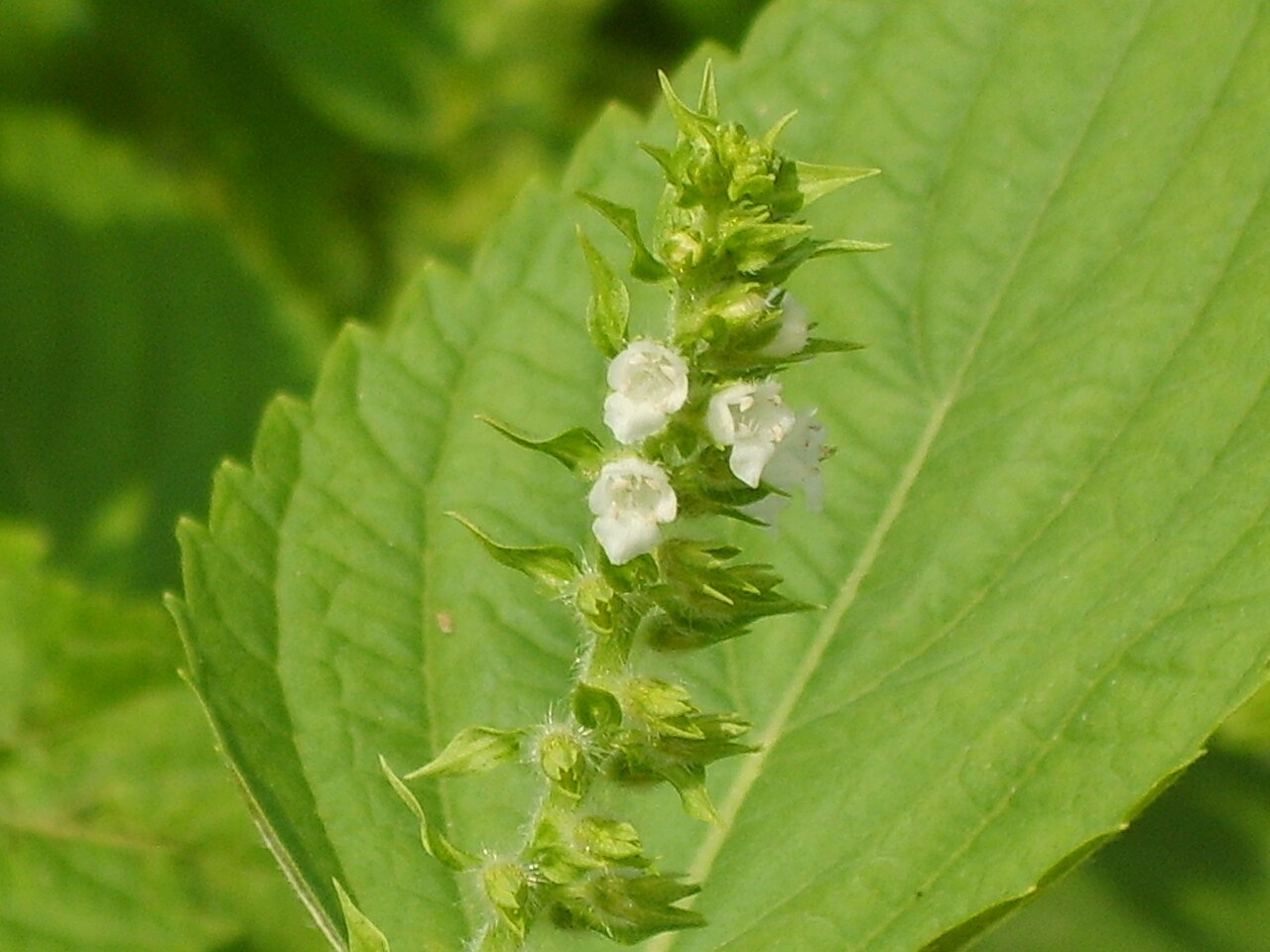
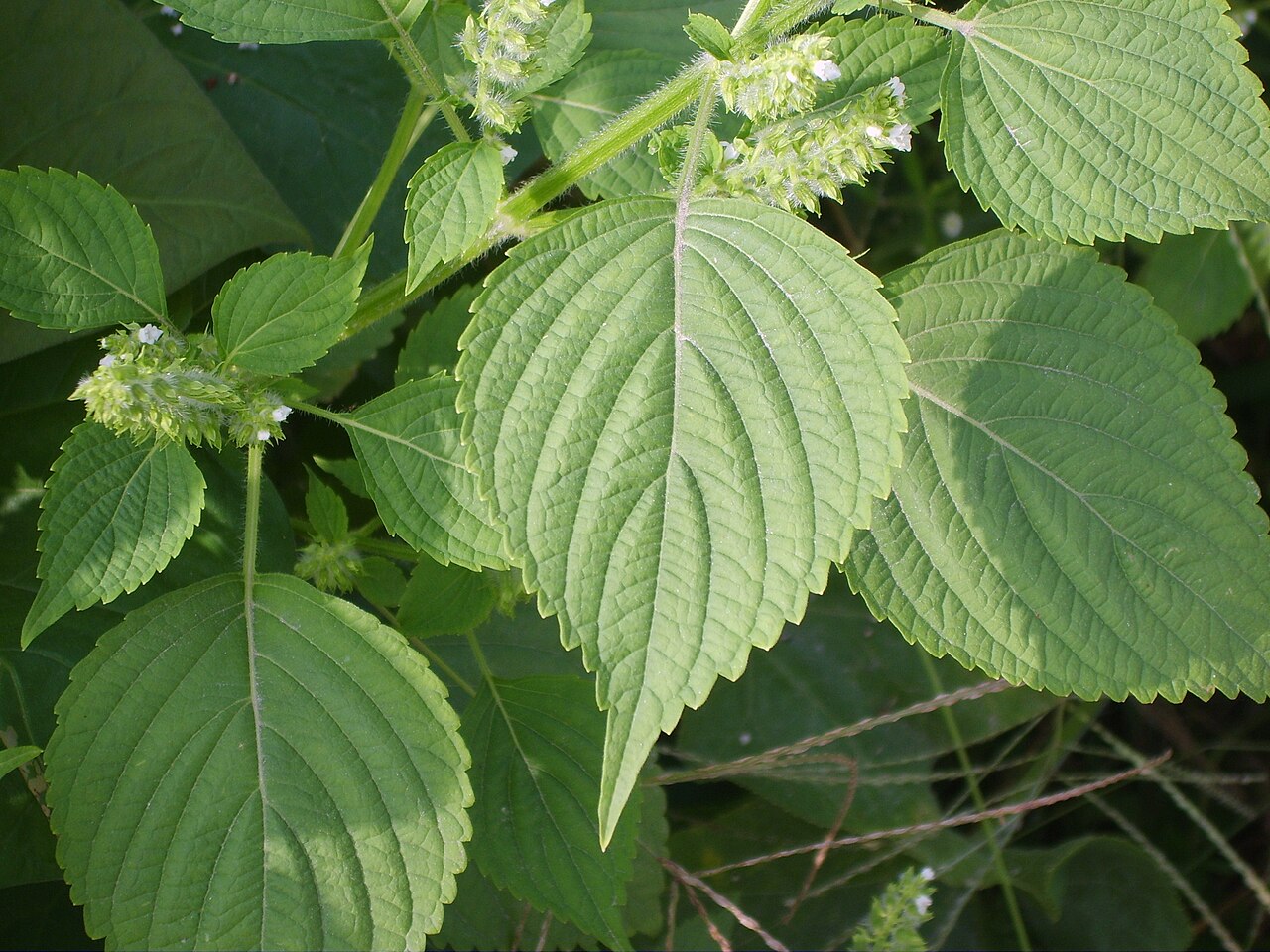
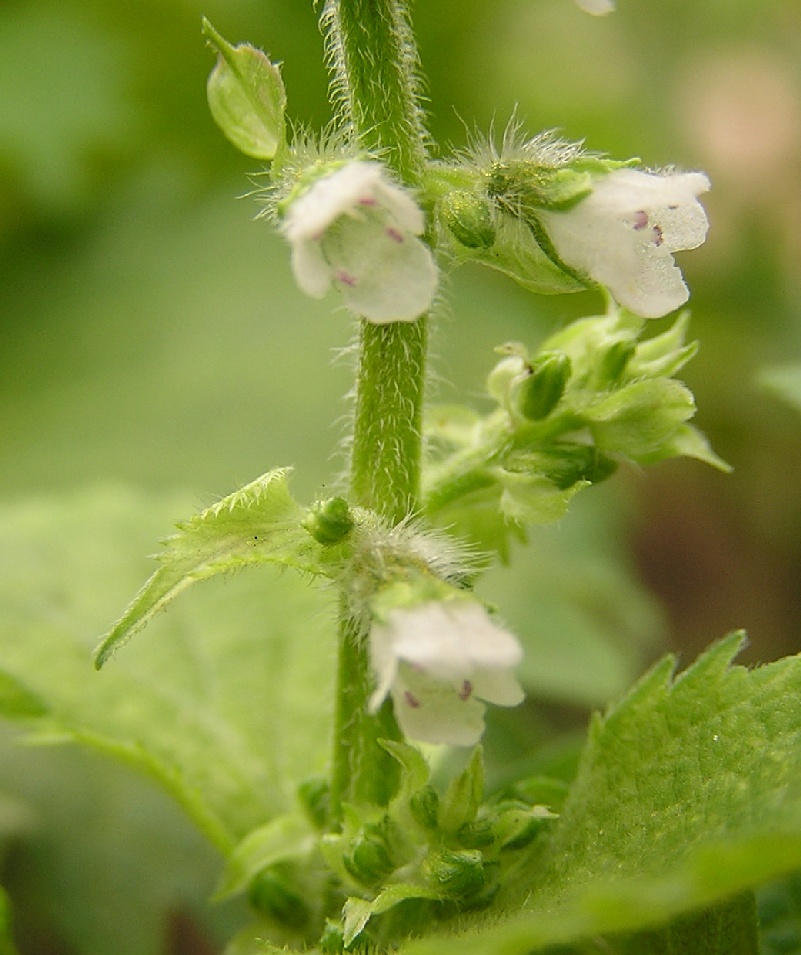
Aka Shiso is the shiso for gardeners who want color as well as flavor: the red form of Perilla frutescens var. crispa, called akajiso in Japan, with deep purple-red leaves on both sides, a bolder, more astringent flavor than green shiso, and a pigment — shisonin, a perilla anthocyanin — that colors everything it touches. That pigment is the point: red shiso colors umeboshi pickled plums, colors pickled ginger, and makes aka shiso juice, the summer drink of Japan, a deep ruby-red. If you want shiso as a dye plant and a pickle plant as well as a fresh herb, Aka Shiso is the one to plant, and its red leaves are ornamental enough for a flower border on their own.
The trade-off is flavor and self-seeding: Aka Shiso is too bitter and astringent to eat raw in quantity — it must be salted, pickled, or blanched before eating, unlike green shiso, which is eaten fresh — and it self-seeds freely, so deadhead if you do not want volunteers. Give it sun to part shade, moist rich soil, and steady water, pinch tips to keep it bushy, and harvest leaves for pickling in summer, when the pigment is strongest. Keep it away from livestock, as with all perilla, and do not plant it near wild areas. Aka Shiso is a pickling herb first and a fresh herb second, and knowing that before you plant it saves a bitter surprise.
If you are new to choosing between cultivars, the Varieties Matter guide explains why the name after the plant matters as much as the plant itself. Aka Shiso is a perfect example: it is not just a shiso in the abstract, it is a shiso with a specific job, a specific history, and specific strengths.
Florida honesty: shiso is a genuine Florida annual, and Aka Shiso grows statewide as a warm-season herb, loving heat and humidity and self-seeding freely. Plant in spring after frost danger, in sun to part shade with moist, rich soil, water steadily, and harvest leaves for pickling in summer. In Central and South Florida, it grows nearly year-round until a cold snap. Deadhead before seed if it is near natural land, because red shiso volunteers are as enthusiastic as green ones, and enjoy the ruby pigment in pickles and drinks — Aka Shiso is a Florida-friendly herb with a pickling job to do.
How to grow
Plant in spring, after frost danger, in full sun to part shade and moist, rich soil — shiso wants warmth, moisture, and room to branch, and it punishes drought and deep shade with thin, bitter leaves. Work worm castings into the bed at planting, space 12 to 18 inches apart, mulch lightly to hold moisture, and pinch tips early to keep plants bushy. Sow seed where it will grow or transplant seedlings after frost; shiso grows fast in warm weather and will self-seed, so site it where volunteers are welcome or deadhead before seed.
Set plants 12-18 inches apart in soil with a pH around 6.0-7.0. Work worm castings into the bed at planting and mulch to hold moisture. A well-fed shiso plant rewards that care directly: steadier growth, better bloom, and a show that actually shows up.
Water & feeding
Keep soil evenly moist through the growing season — shiso wants steady moisture and regular feeding, and it wilts fast in dry soil. Water at the soil line, mulch lightly, and feed moderately: castings at planting plus a balanced liquid feed every few weeks keeps leaves coming. In a container, water when the top inch dries, because pots dry fast in summer heat, and do not let a young plant bake dry. In winter, shiso dies at frost; save seed or take cuttings before cold weather if you want it again next year.
Common problems
- Self-seeding everywhere — shiso sows itself freely and can naturalize; deadhead before seed ripens if you do not want volunteers, and never plant it near wild areas.
- Wilting in dry soil — shiso wilts fast in drought; water deeply in dry spells, and do not let a young plant dry out.
- Toxicity to livestock — perilla is toxic to cattle and some animals; keep it away from pastures and livestock, and enjoy it yourself, as humans do.
- Bitter, tough leaves on old growth — shiso leaves turn bitter with age and flowering; pinch tips often and pick young leaves for the best flavor.
- Flea beetles and slugs on young plants — hand-pick at dusk, and keep seedlings watered and vigorous, because a stressed shiso is a chewed shiso.
Harvest
Pick leaves from summer until frost, when leaves are young and tender — shiso leaves are the harvest, and picking often is the care program. Snip outer leaves for sushi, salads, wraps, and tempura if green, or for pickling and coloring if red, and pinch flower spikes to prolong leaf production. Flower spikes themselves are edible as a garnish in Japanese cooking, and seed can be saved for next year — or left to self-seed, which shiso will do with enthusiasm. Cut plants back hard if they get leggy, and compost spent plants after frost, after saving seed if you want the same form again.
Browse all plant & pest guides
Saving seeds
Aka Shiso is the red form of shiso, grown from seed — save seed from your reddest plants and it will grow up like its parent. It self-seeds freely, so deadhead if you don’t want volunteers. The full method is in the Saving seeds section of the Shiso guide.