
🌿 Leprechaun Southernwood
What it looks like
Why this variety
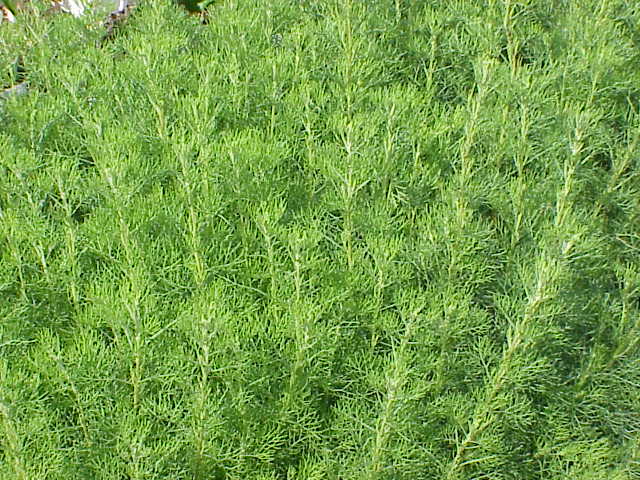
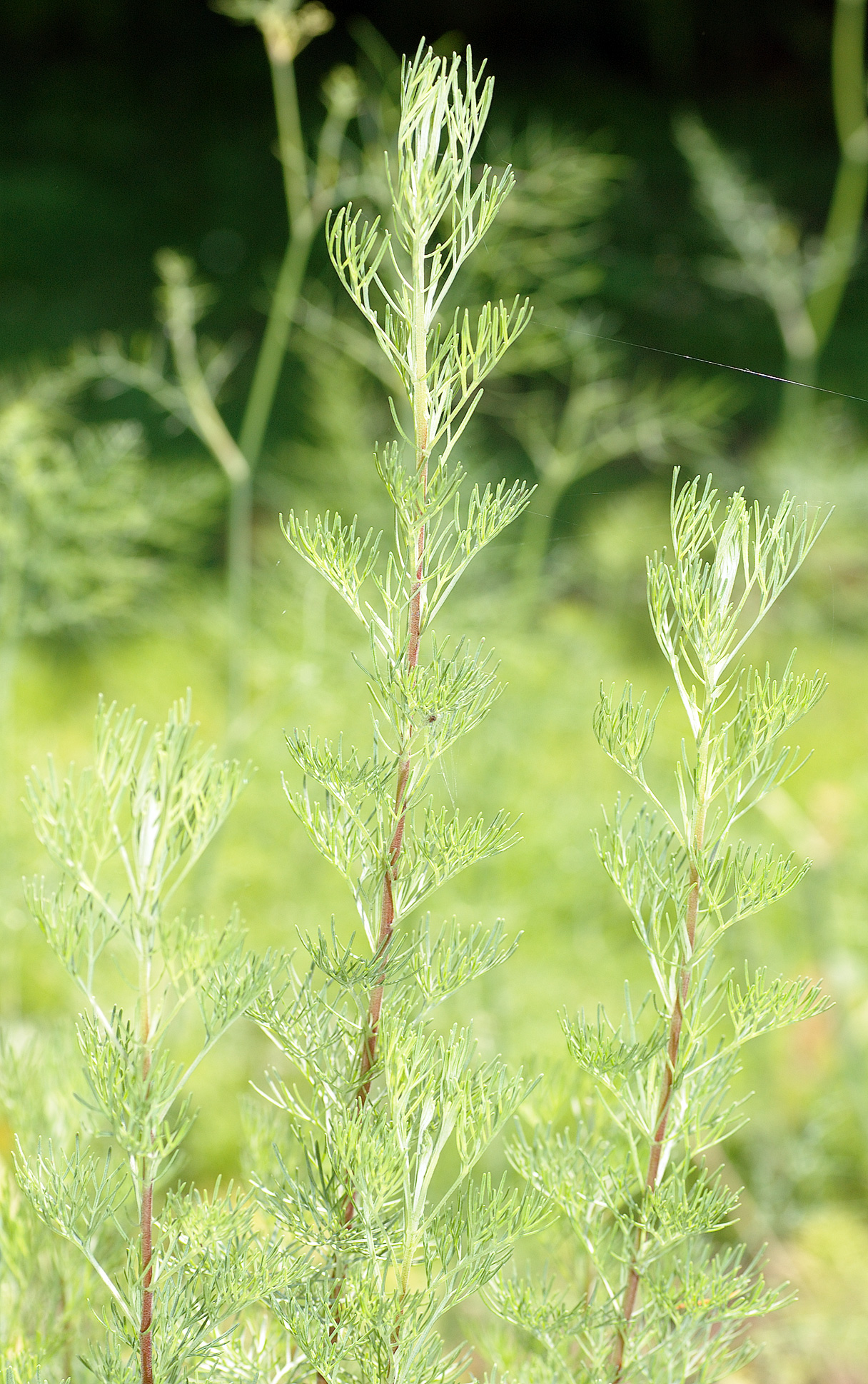
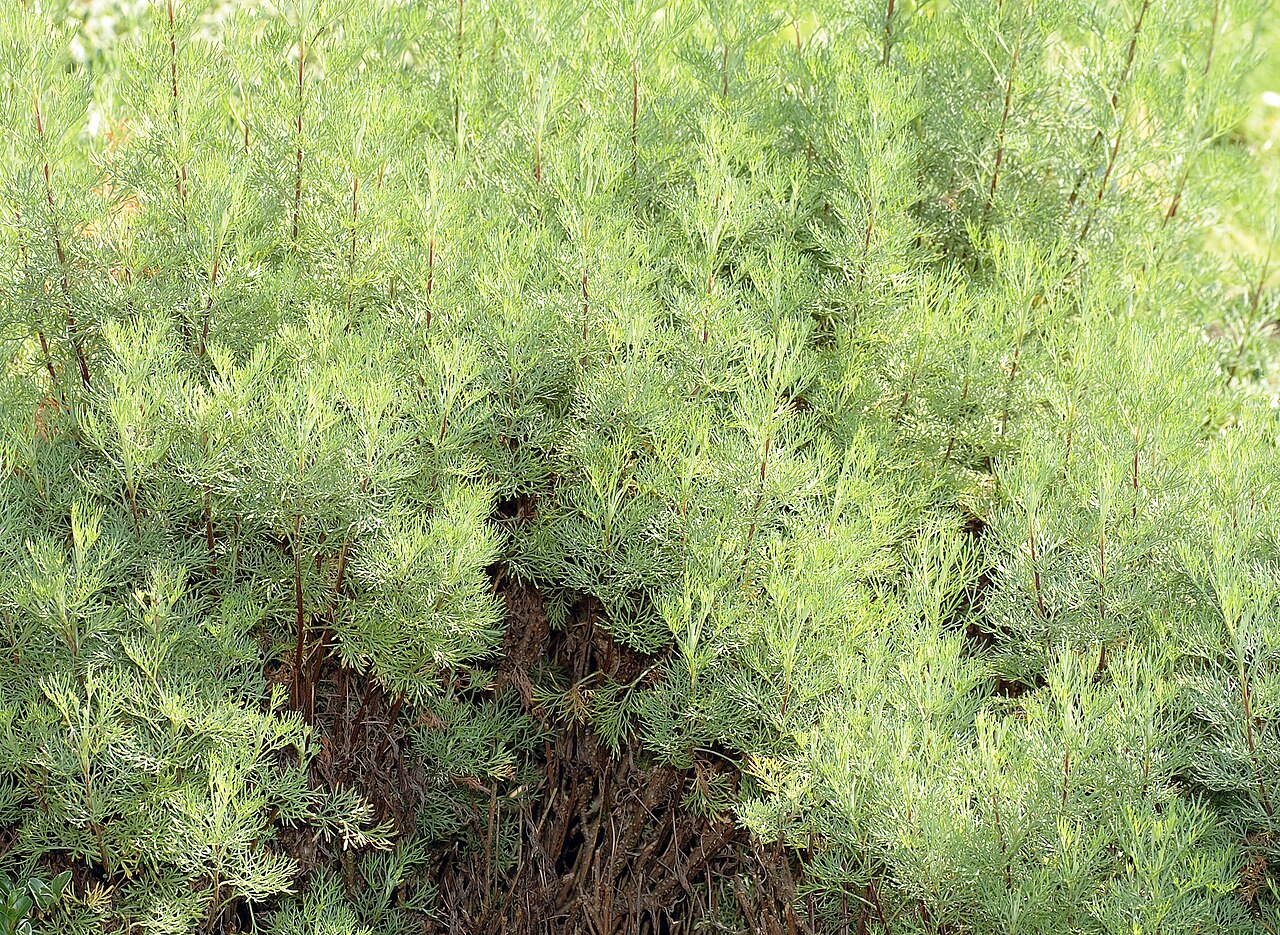
Leprechaun is the southernwood for gardeners who want the scent without the sprawl: a selected variety of Artemisia abrotanum, the old herb-garden southernwood, chosen for a dense, compact, upright-spreading habit about 3 feet tall and 30 inches wide, with finely divided, silvery-green foliage with hints of silver and a strong lemon scent, plus bright chartreuse-colored young leaves that add year-round interest. Where species southernwood can grow loose and leggy, Leprechaun stays dense and bushy, which makes it a bedding plant, an edging plant, and a container plant, not just a back-of-border herb. If you want southernwood for a small garden or a pot, Leprechaun is the selection to plant.
The trade-off is that Leprechaun is still an artemisia: it wants full sun and sharp drainage, it sulks in wet, heavy soil, and it is a subshrub that wants cutting back in fall and dividing every few years to stay robust. Give it sun, lean well-drained soil, and steady water only until established — southernwood is very drought-tolerant and deer-resistant, and overwatering makes it floppy — and cut it back in fall to keep it dense. Its lemon-camphor scent is the point: dried leaves keep moths from wool, fresh sprigs freshen a room, and a pot of Leprechaun by a door gives you that scent every time you brush past it, which is the old herb-garden way of air freshener.
If you are new to choosing between cultivars, the Varieties Matter guide explains why the name after the plant matters as much as the plant itself. Leprechaun is a perfect example: it is not just a southernwood in the abstract, it is a southernwood with a specific job, a specific history, and specific strengths.
Florida honesty: southernwood is a North and Central Florida herb for dry, sunny beds — it wants sun, drainage, and heat, and Florida’s sandy soil suits it, though Florida humidity tests its foliage in wet summers. In North and Central Florida, give Leprechaun full sun, sharp drainage, and a raised bed in heavy soil, and water only to establish. In South Florida, try it in the driest, sunniest, best-drained spot you have, and treat it as a trial. It is a Mediterranean herb with a Florida foothold, not a Florida native, and this guide states that plainly — while noting that its moth-repelling scent works in Florida closets as well as it ever did in European ones.
How to grow
Plant in spring, in full sun and sharply drained, lean to moderately rich soil — southernwood wants sun, drainage, and room for air, and it punishes wet soil and shade with rot and legginess. Work a little worm castings into the bed at planting, space 24 inches apart, mulch lightly with gravel or bark, and do not overfeed, because rich soil makes lush leaves and fewer aromatic oils. Cut plants back in fall to keep them dense, divide clumps every three to four years in spring, and site southernwood where its scent can be enjoyed — by a path, a door, or a wardrobe, in the old way.
Set plants 24 inches apart in soil with a pH around 6.0-7.5. Work worm castings into the bed at planting and mulch to hold moisture. A well-fed southernwood plant rewards that care directly: steadier growth, better bloom, and a show that actually shows up.
Water & feeding
Water to establish, then water sparingly — southernwood is very drought-tolerant once established and sulks only in standing water. Water at the soil line, do not mulch heavily against stems, and feed lightly: castings at planting is usually enough, because rich fertilizer makes floppy growth. In a dry spell, southernwood needs no help; in a wet spell, drainage is the care program, because crown rot in stagnant water is the one thing that kills it. In a container, use a gritty mix and a pot with drainage, and never let it stand in water.
Common problems
- Crown rot in waterlogged soil — southernwood wants drainage; do not plant where rain ponds, and use a raised bed in heavy soil.
- Leggy growth in shade or rich soil — give it sun and lean soil, not shade and fertilizer, for dense, aromatic plants.
- Woody, bare centers if never cut back — cut plants back in fall and divide every few years to keep them dense and vigorous.
- Failure in humid, wet summers — southernwood wants dry air and drainage; in humid climates, give it airflow, gravel mulch, and a raised bed.
- Self-seeding and naturalizing — southernwood can naturalize in disturbed areas; deadhead before seed ripens if you do not want volunteers.
Harvest
Pick sprigs from spring into fall, when foliage is fragrant — southernwood leaves are the harvest, and their camphor-lemon scent is the point. Cut sprigs for drying, for potpourris and sachets, for laying among wool clothes to keep moths away, and for fresh posies, which is the old herb-garden use. Cut back hard in fall, dry sprigs in a warm, dark place, and store dried leaves in sealed jars for winter use — a southernwood plant gives you scent for a year from one season’s growth, which is a better return than most herbs offer, and its moth-repelling reputation is the reason it stayed in gardens for centuries.
Browse all plant & pest guides
Saving seeds
Leprechaun is the southernwood for gardeners who want the scent without the sprawl, a selected variety of Artemisia abrotanum, chosen for a dense, compact, upright-spreading habit about 3 feet tall, and seedlings won’t hold that compact habit — plant nursery-grown plants in spring, in full sun and sharply drained, lean to moderately rich soil, and divide clumps every three to four years in spring. The Propagation section of the Southernwood guide covers propagation for the species.