
🍂 Autumn Fern
Dryopteris erythrosora
Autumn fern is the rare fern that gives you a fall color show without a single tree. Its new fronds unfurl in coppery red and bronze, mature to deep green, and then — in a trick most ferns never attempt — flush coppery again in autumn, so the plant looks like it is perpetually mid-season-change. It is tough, tidy, shade-loving, and one of the genuinely good ferns for gardens in this state. If your garden has a shady corner that looks tired, this is the plant that fixes it.
Quick facts
- Sun: Shade to part shade; dappled light is ideal
- Soil: Rich, humus-heavy, moist but well-drained, slightly acidic soil
- Size: Roughly 18–24 inches tall and wide
- Life cycle: Herbaceous perennial; evergreen in mild climates, semi-evergreen where winters are colder
- Zones: USDA zones 5–9 (university extension lists it through zone 11)
- Native range: Japan, China, and Taiwan
What it is
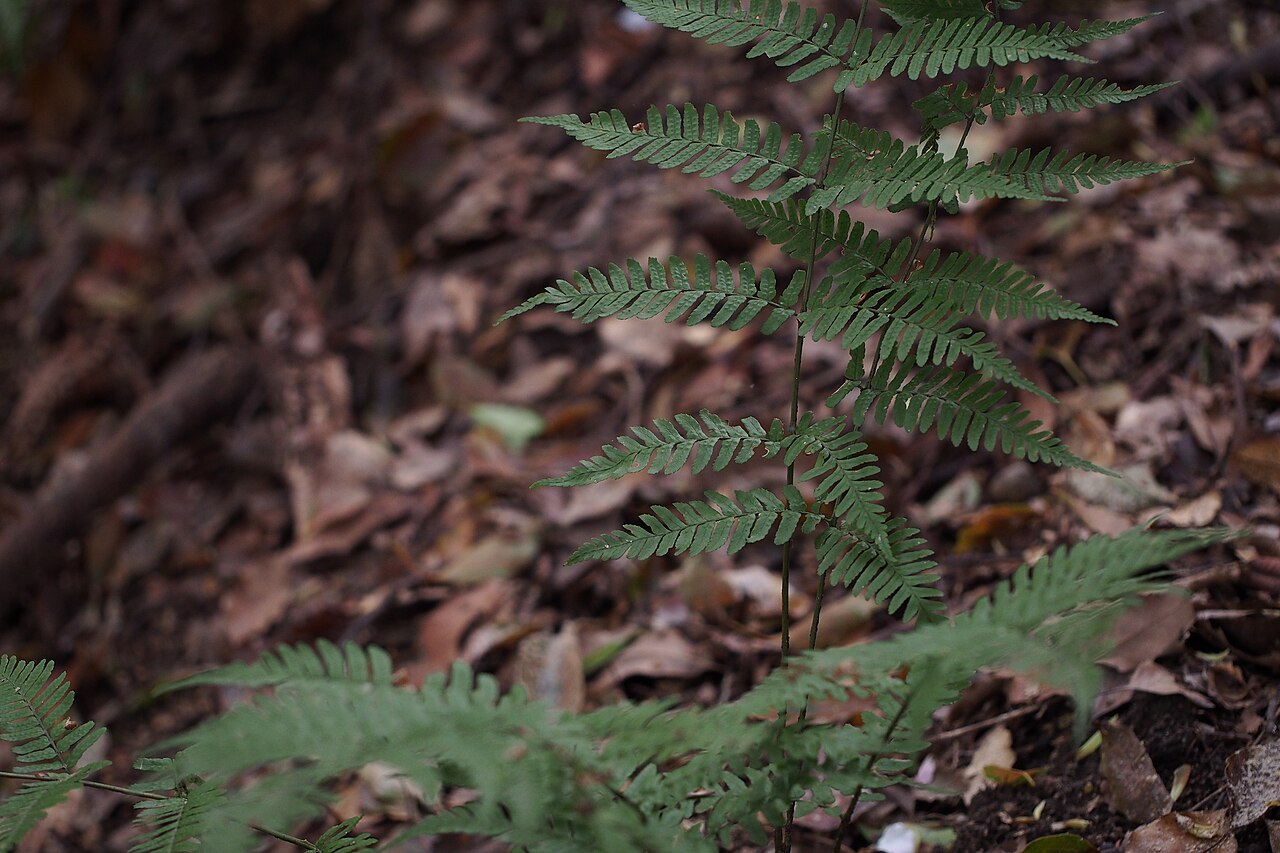
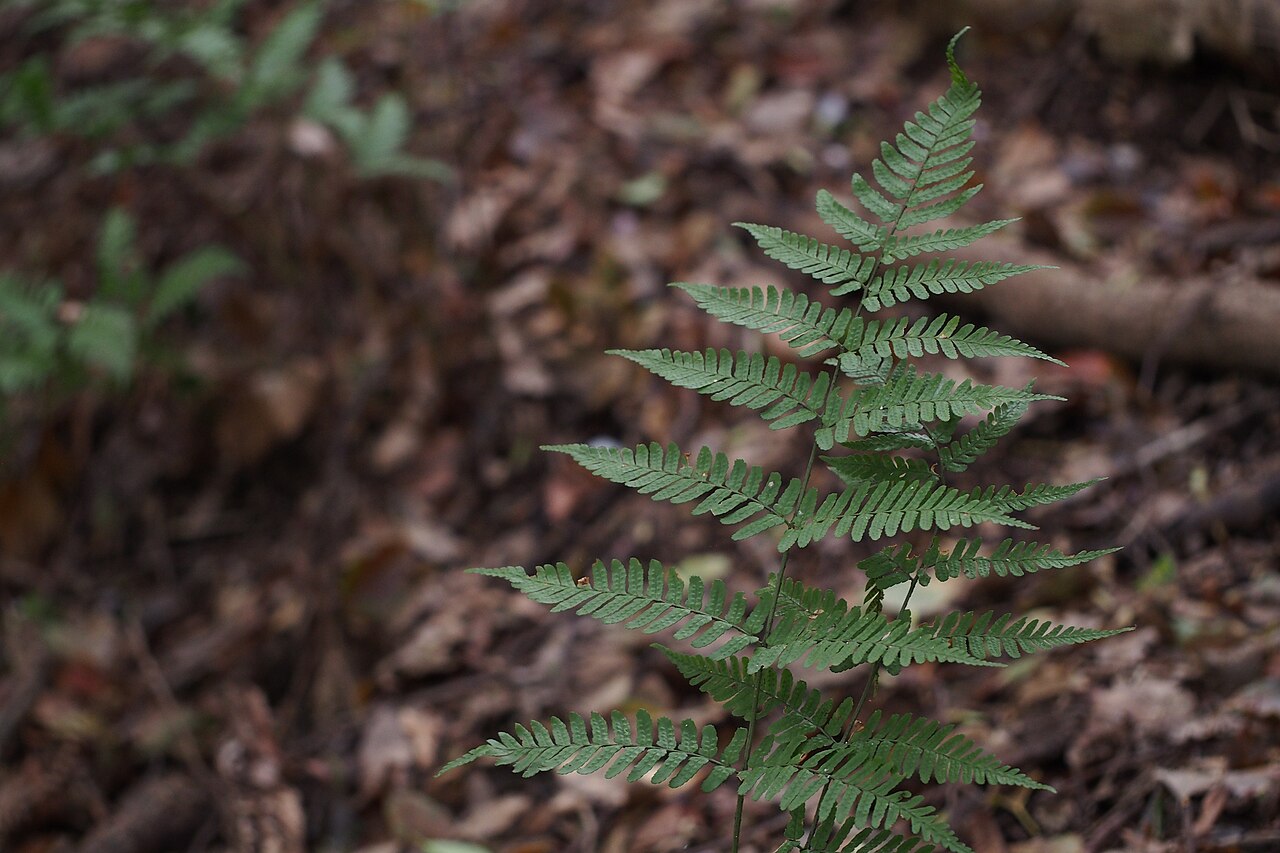
Autumn fern (Dryopteris erythrosora), also called Japanese shield fern or Japanese wood fern, is a clump-forming fern in the wood fern family. The genus name Dryopteris comes from Greek words for oak and fern, a nod to its woodland home; the species name erythrosora refers to its reddish spore clusters. The fronds are triangular, finely divided, and leathery, emerging copper-red in spring, maturing to glossy dark green, and coloring up again in fall. It spreads slowly by underground stems into a handsome clump, and it is slow-growing enough that it never becomes a thug — a fern with manners.
Unlike many ferns, autumn fern tolerates drier shade once established, which is a genuine superpower. Dry shade under big trees is one of the hardest spots in any garden — tree roots drink everything, light is scarce, and most plants give up. Autumn fern hangs on there, and even signals when it needs water: the foliage changes color when water-stressed, which is the plant equivalent of raising its hand politely instead of just dying.
The Florida translation
This one actually belongs here, with the usual shade caveats. University extension lists autumn fern for zones 5 through 11 and describes it as evergreen in the warmer part of its range, which includes this state. Plant it in shade — under trees, on the north or east side of a building, in a woodland corner — in rich, organic, well-drained soil, and it will do what ferns are supposed to do: look lush while everything else in the shade looks exhausted. It wants consistent moisture while establishing and during dry spells, but it tolerates drier conditions once settled better than most ferns. In the hottest, sunniest spots it will scorch, so shade is not optional — it is the whole deal.
How to grow it
Site. Full to part shade, protected from drying winds and hot afternoon sun. An hour or two of gentle morning sun is fine; blazing afternoon sun is not. Under trees, in a woodland bed, or in a shaded container on a patio all work.
Soil. This is where the garden’s soil biology does its quiet work. Autumn fern wants soil rich in organic matter — leaf litter, compost, and yes, worm castings worked into the bed — that holds moisture without staying soggy. Mulch with shredded bark or compost to conserve moisture and keep roots cool. If your soil is sandy, organic matter is not a luxury, it is the difference between a fern that thrives and one that merely survives.
Planting and care. Space plants about 18–24 inches apart for groundcover effect. Water deeply and regularly during the first growing season; after that, water during dry spells. A light application of balanced fertilizer in spring is plenty — ferns are light feeders, and overfeeding produces soft, floppy growth. Remove tattered old fronds in late winter or early spring before the new copper flush emerges, and the plant will look freshly minted.
Propagation. Divide established clumps in spring, or let it spread slowly on its own. Spores are the long game — ferns reproduce by spores on the undersides of fronds, not seeds, which is one of those facts that makes fern gardeners insufferable at parties and is also completely true.
Trouble spots
Very few. Autumn fern is deer and rabbit resistant, has no serious pest or disease problems, and tolerates the indignities of shade gardening better than most. Its enemies are sun, drought during establishment, and soggy soil — give it shade, steady moisture while young, and drainage, and it will reward you with a copper-green show in a spot where almost nothing else will perform.
For the whole fern clan — from delicate maidenhairs to big woodland wood ferns — see the Fern guide.
What it looks like
Propagation
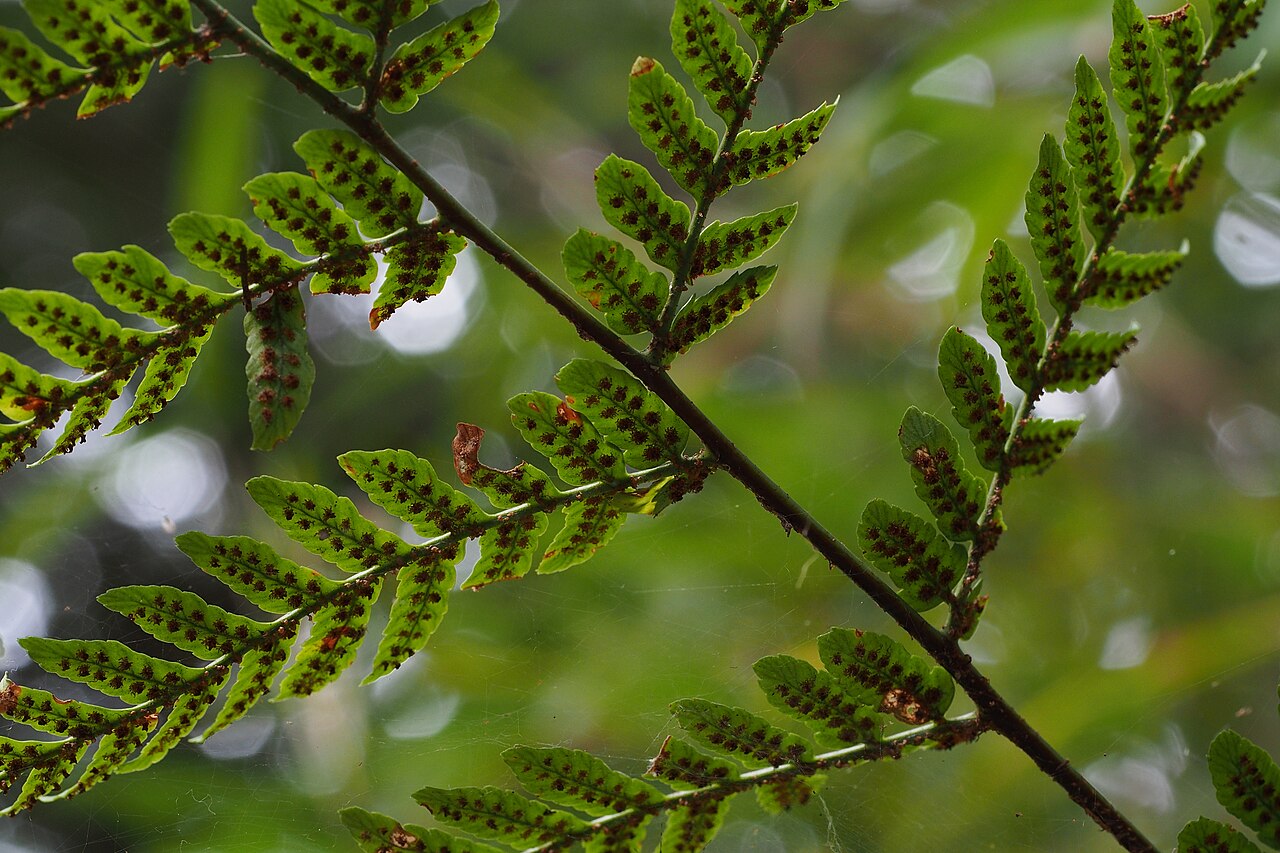
First, a glorious botanical correction: autumn fern makes no seeds at all. Ferns are older than flowers — older than seeds, in fact — and Dryopteris erythrosora reproduces the ancient way, with spores. Look at the undersides of mature fronds in late summer and you will see rows of small, reddish, kidney-shaped dots. Those are sori, clusters of spore cases holding dust-fine spores. Spore propagation is the nerdiest, slowest, most satisfying route; division is the fast, sensible one.
Division is where most gardeners should start. In spring or autumn, dig up a mature clump and cut the rhizome mass into sections with a sharp, clean knife or spade, each piece carrying at least one growing tip and a decent set of roots. Replant immediately at the same depth, water deeply, and keep the divisions moist while they settle in. You will have recognizable ferns within a season, genetically identical to the parent.
Spores are the long game. When the sori turn deep red and begin to split in late summer, cut a frond, lay it sori-side down on white paper, cover it, and wait a day, leaving a ghostly print of spore dust. Sprinkle a pinch over sterile, damp peat and perlite in a covered pot, keep it humid, warm, and out of direct sun, and wait. What appears first is not a fern but a film of tiny heart-shaped prothalli, the fern’s free-living gametophyte generation, which must be misted so swimming sperm can reach the eggs — fern reproduction literally requires a microscopic swim meet. Tiny true ferns follow over weeks to months. No flowers, no seeds, no seed-saving envelope: spores and divisions are the whole story here.
Varieties
Every named variety of Autumn Fern with its own growing guide:
- Brilliance — The brighter autumn fern: more brilliant copper-red new fronds that hold their color longer — an award winner.
- Prolifica — The prolific one: finely divided, lacy fronds that make baby ferns — bulbils — right on their edges.